How to Check the Subaru Oil Level Quickly and Easily
Checking your Subaru oil level is one of the simplest and most important things you can do to keep your engine running smoothly. Whether you drive a Subaru WRX, Forester, or Outback, this quick guide walks you through the entire process in just a few minutes. You will learn where to find the dipstick, how to read the oil level correctly, and when to add more oil to protect your engine.
Your Subaru is built with a powerful boxer engine that delivers excellent performance and handling. But like any engine, it needs proper lubrication to run at its best. Oil reduces friction between moving parts, prevents overheating, and keeps everything working smoothly. Without enough oil, your engine can suffer serious damage that costs thousands of dollars to fix.
Many Subaru owners skip regular oil checks until something goes wrong. That is a mistake. A quick oil check takes less than five minutes and can save you from expensive repairs down the road. Whether you are a new Subaru owner or have been driving one for years, this guide will show you exactly how to check Subaru oil level the right way.
We will cover everything from finding the dipstick to understanding what the oil color tells you about your engine health. By the end of this article, you will feel confident checking your oil like a pro. Let us get started.
Key Takeaways
- Easy Process: Checking Subaru oil level takes only a few minutes and requires no special tools.
- Engine Health: Regular oil checks prevent costly engine damage and keep your car running smoothly.
- Right Oil Matters: Using the correct oil type for Subaru engines ensures optimal performance and longevity.
- Timing Is Key: Always check oil when the engine is cool and the car is on level ground for an accurate reading.
- Watch for Warning Signs: Low oil can cause serious problems, so knowing the symptoms early saves you money and headaches.
- Routine Maintenance: Making oil checks part of your regular car care routine keeps your Subaru in top shape for years.
📑 Table of Contents
- Why Checking Your Subaru Oil Level Matters
- How to Check Subaru Oil Level Step by Step
- How Often Should You Check Your Subaru Oil?
- Understanding Oil Capacity and Type for Your Subaru
- Common Subaru Oil Problems and How to Fix Them
- Quick Tips for Checking Subaru Oil Like a Pro
- When to See a Professional Mechanic
- Final Thoughts on Maintaining Your Subaru Oil Level
Why Checking Your Subaru Oil Level Matters
Oil is the lifeblood of your engine. It lubricates every moving part, reduces heat, and prevents metal-on-metal contact. When your oil level drops too low, those parts start grinding against each other. This causes wear, overheating, and eventually engine failure.
Subaru vehicles are known for their reliable boxer engine design. This unique engine layout sits lower in the chassis, which gives you a lower center of gravity and better handling. But it also means the oil system works a bit differently than a standard inline engine. Understanding how your specific engine uses oil helps you stay on top of maintenance.
Here is why regular oil checks are so important:
- Prevents Engine Damage: Low oil causes friction and heat buildup that can warp or seize engine components.
- Saves Money: Catching low oil early prevents costly engine repairs that could run into thousands of dollars.
- Improves Fuel Economy: Clean oil at the right level lets your engine run efficiently, saving you money at the pump.
- Extends Engine Life: Regular maintenance, including oil checks, helps your Subaru engine last well beyond 200,000 miles.
- Peace of Mind: Knowing your oil level is correct gives you confidence every time you get behind the wheel.
Most Subaru owners should check their oil at least once a month. If you drive in extreme conditions, such as very hot weather or stop-and-go traffic, check it more often. The good news is that checking your oil is incredibly simple once you know where to look.
How to Check Subaru Oil Level Step by Step
Checking your Subaru oil level is straightforward and does not require any special skills or expensive tools. You just need a few minutes and a clean rag or paper towel. Follow these steps carefully to get an accurate reading every time.
Step 1: Park on Level Ground
First, park your Subaru on a flat, level surface. This is crucial because oil settles differently on an incline, which can give you a false reading. Turn off the engine and let the car sit for at least five to ten minutes. This allows the oil to drain back into the oil pan so you get an accurate measurement.
Some people like to check their oil right after driving. That works for some vehicles, but for Subarus, checking when the engine is cool gives the most consistent results. If you have been driving, wait a few minutes before you pop the hood.
Step 2: Locate the Oil Dipstick
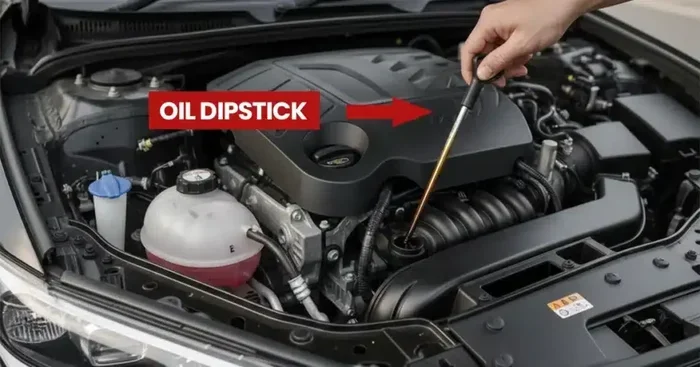
Open the hood and find the oil dipstick. On most Subaru models, the dipstick handle is yellow and has a small loop or T-shaped grip. It is usually located near the front of the engine bay, close to the engine block. If you are not sure where it is, consult your owner manual for the exact location.
The dipstick tube is secured with a simple twist-off cap or a spring clip. Gently pull the dipstick out of its tube. Be careful not to tilt it, as this can cause the oil to spill and give you an incorrect reading.
Step 3: Wipe the Dipstick Clean
Take a clean rag, paper towel, or even a piece of toilet paper and wipe the dipstick completely clean. You want to remove all the oil from the measuring portion of the stick. This ensures that your next reading is accurate and not affected by oil that has pooled at the bottom of the dipstick.
This step might seem unnecessary, but it makes a big difference. Even a small amount of residual oil on the stick can throw off your reading and make it look like you have more oil than you actually do.
Step 4: Reinsert the Dipstick
Push the dipstick back into its tube fully. Do not force it, but make sure it is seated all the way down. If it is not fully inserted, it will not reach the oil properly and your reading will be off. Once it is in, pull it out again slowly and steadily.
Hold the dipstick horizontally and look at the oil on the measuring section. You will see two marks on the dipstick. These are usually small holes, notches, or a crosshatched area. The oil level should fall between these two marks.
Step 5: Read the Oil Level
Look at where the oil reaches on the dipstick. The ideal level is between the minimum and maximum marks. If the oil line is below the minimum mark, you need to add oil. If it is at or near the maximum mark, you are good to go.
Here is a quick reference for what different oil levels mean:
- Below Minimum: Add oil immediately. Driving with oil below the minimum can cause serious engine damage.
- Between Minimum and Maximum: Your oil level is good. No action needed.
- At or Above Maximum: Your oil level is fine. Do not overfill, as too much oil can also cause problems.
If you need to add oil, do so slowly. Add a small amount, wait a minute for it to settle, and then recheck with the dipstick. Overfilling your engine can be just as harmful as running low on oil.
Step 6: Check the Oil Condition
While you have the dipstick out, take a moment to look at the oil itself. Fresh oil is amber or golden in color. As oil ages, it darkens to a brown or black shade. This is normal and expected.
However, if your oil looks milky or frothy, that could indicate a coolant leak mixing with the oil. This is a serious problem that requires immediate attention from a mechanic. Similarly, if the oil looks metallic or has large particles, it may be time for an oil change.
Also, check the oil level again after you have added any oil. Make sure it is now between the minimum and maximum marks before you close the hood and hit the road.
How Often Should You Check Your Subaru Oil?
Most Subaru manufacturers recommend checking your oil level at least once a month. This is a good baseline for most drivers. However, your driving habits and conditions can change how often you should check.
Here are some situations where you should check your oil more frequently:
- Before Long Trips: Always check your oil before a long road trip to make sure your engine is properly lubricated.
- After an Oil Change: Check your oil a few days after an oil change to make sure the level is correct and there are no leaks.
- In Extreme Temperatures: Very hot or very cold weather can affect oil levels and viscosity. Check more often during seasonal changes.
- High Mileage Driving: If you drive more than 1,000 miles per week, check your oil every two weeks.
- Older Subarus: Older models with higher mileage may burn oil faster and need more frequent checks.
The oil change interval for most Subarus is every 6,000 to 7,500 miles for conventional oil, or every 10,000 to 15,000 miles for synthetic oil. Check your owner manual for the exact recommendation for your specific model. Sticking to a regular oil change schedule is just as important as checking the oil level between changes.
Understanding Oil Capacity and Type for Your Subaru
Not all Subarus use the same amount of oil. The oil capacity depends on your specific engine model. For example, a 2.5-liter naturally aspirated engine will hold a different amount of oil than a 2.4-liter turbocharged engine. Knowing your engine oil capacity helps you understand how much oil to add if your level is low.
Most Subaru engines require between 3.5 and 5.5 quarts of oil, including the oil filter change. If you are unsure how much oil your specific engine needs, check the owner manual or consult a trusted mechanic. Using the wrong amount can lead to poor lubrication or excess pressure in the engine.
When it comes to oil type, Subarus generally perform best with synthetic or synthetic blend oils. The right oil type for Subaru engines depends on your climate and driving conditions:
- 0W-20: A common choice for newer Subaru models. It flows well in cold weather and provides good fuel economy.
- 5W-30: A versatile option that works well in moderate climates. Many Subaru owners use this weight year-round.
- 5W-40: Often recommended for high-performance models or vehicles that tow heavy loads.
If you are unsure which oil is best for your Subaru, check your owner manual. You can also look at the oil cap on top of the engine, which often lists the recommended oil weight. Using the correct oil ensures proper lubrication and protection for your boxer engine.
Some Subaru owners wonder if they can mix different oil types. The short answer is yes, in an emergency. But for long-term engine health, stick with one consistent oil type and brand. Mixing oils regularly can reduce performance and protection.
Common Subaru Oil Problems and How to Fix Them
Even with regular maintenance, Subaru engines can sometimes have oil-related issues. Knowing what to look for helps you catch problems early before they become expensive repairs.
Low Oil Level
A low oil level is the most common oil problem Subaru owners face. This can happen for several reasons. Normal oil consumption over time is one cause. Older engines tend to burn a small amount of oil during combustion. If you notice you need to add oil frequently, it could indicate excessive oil consumption.
Another common cause is an oil leak. Check underneath your car for fresh oil spots on the ground. Also, look around the oil pan, oil filter, and oil drain plug for signs of leaking. A small leak can become a big problem if left unchecked.
If your oil level drops quickly, do not ignore it. Driving with low oil can cause catastrophic engine failure. Top off the oil immediately and have a mechanic inspect your vehicle for leaks.
Oil Warning Lights
Modern Subarus come equipped with oil pressure warning lights on the dashboard. If you see a red oil can icon or a low oil pressure warning, pull over safely and turn off the engine immediately. Continuing to drive with low oil pressure can destroy your engine within minutes.
Check your oil level with the dipstick as soon as it is safe to do so. If the oil level is low, add oil before restarting the engine. If the warning light stays on even after you add oil, you may have an oil pressure problem that needs professional diagnosis.
Some Subarus also have a maintenance minder system that reminds you when it is time for an oil change. This is different from the oil pressure warning light. The maintenance minder is based on mileage and driving conditions, not oil pressure. Do not ignore either warning.
Dirty or Contaminated Oil
Over time, oil collects dirt, debris, and combustion byproducts. This contamination reduces the oil’s ability to lubricate and cool your engine effectively. Dark, gritty oil is a sign that it is time for an oil change.
If you skip oil changes for too long, the oil breaks down and loses its protective properties. Sludge can form inside the engine, clogging oil passages and reducing oil flow. This is one of the leading causes of premature engine wear in Subarus.
Stick to a regular oil change schedule and use high-quality oil and filters. This simple habit goes a long way toward keeping your engine healthy and strong.
Quick Tips for Checking Subaru Oil Like a Pro
Even though checking oil is simple, a few pro tips can make the process even easier and more accurate. Here are some tips that experienced Subaru owners swear by:
- Check at the Same Time Each Month: Consistency helps you notice changes in oil consumption over time.
- Use a Clean Rag Every Time: A dirty rag can contaminate the oil on the dipstick and give you a false reading.
- Keep a Log: Write down your oil level readings each time you check. This helps you track trends and catch problems early.
- Keep Extra Oil in Your Trunk: Always have a quart of the correct oil on hand, especially on road trips.
- Check the Oil Filter Too: When you check your oil, inspect the oil filter for any signs of leaks or damage.
- Do Not Check Oil While the Engine Is Running: The oil is circulating and splashing around, which gives an inaccurate reading.
These small habits take almost no extra time but can make a huge difference in how well you maintain your Subaru. Think of them as part of your routine car care checklist.
When to See a Professional Mechanic
While checking your oil is something every Subaru owner can do at home, there are times when you should seek professional help. If you notice any of the following signs, it is time to visit a trusted mechanic:
- Frequent Oil Top-Offs: If you need to add oil every few weeks, there may be an underlying leak or burning issue.
- Oil Pressure Warning Light Stays On: This could indicate a failing oil pump or clogged oil passages.
- Unusual Engine Noises: Knocking, ticking, or grinding sounds can signal low oil pressure or internal engine wear.
- Excessive Smoke from the Exhaust: Blue or gray smoke can mean oil is leaking into the combustion chamber.
- Oil Smells Burning: A burning oil smell inside or outside the car is a red flag that should be checked immediately.
Many auto parts stores, including AutoZone, can also help with basic oil checks and changes. Some locations even offer free oil top-offs if you purchased your oil from them. For more complex oil system issues, a professional mechanic has the tools and expertise to diagnose and fix the problem correctly.
Regular professional maintenance, including routine fluid checks during oil changes, keeps your Subaru in excellent condition. Do not hesitate to schedule a service appointment if something does not feel right.
Final Thoughts on Maintaining Your Subaru Oil Level
Keeping your Subaru oil level where it belongs is one of the easiest and most impactful things you can do for your vehicle. It takes just a few minutes each month, and the payoff is enormous. A well-lubricated engine runs smoother, lasts longer, and saves you money on repairs.
Remember to check your oil on level ground, use the right oil type, and watch for warning signs. Make oil checks part of your regular car maintenance routine alongside tire rotations, brake inspections, and fluid flushes. Your Subaru will thank you with years of reliable performance.
If you are interested in learning more about Subaru maintenance and care, check out our guide on choosing the right oil for your vehicle. Understanding what goes into your engine helps you make smarter decisions about your car’s health.
Take five minutes today to check your Subaru oil level. Your future self and your engine will be glad you did.
Frequently Asked Questions
Can I check my Subaru oil while the engine is hot?
It is best to check your oil when the engine is cool and has been sitting for at least five to ten minutes. Hot oil circulates and can give you an inaccurate reading. Waiting a few minutes after turning off the engine ensures the oil has settled back into the oil pan for the most accurate dipstick measurement.
How much oil does a Subaru engine hold?
Most Subaru engines hold between 3.5 and 5.5 quarts of oil, including the oil filter. The exact capacity depends on your specific model and engine size. Always refer to your owner manual for the precise oil capacity recommendation for your vehicle.
What happens if I drive my Subaru with low oil?
Driving with low oil causes increased friction between engine parts, leading to overheating, excessive wear, and potentially catastrophic engine failure. If your oil level is below the minimum mark on the dipstick, add oil immediately before driving the vehicle.
Can I use any type of oil in my Subaru?
No, not all oils are created equal. Subarus perform best with specific oil weights, typically 0W-20 or 5W-30 synthetic oils. Using the wrong oil weight can reduce engine performance and protection. Always check your owner manual or the oil cap for the recommended oil type.
How do I know if my Subaru is burning oil?
Signs of oil burning include frequent need for oil top-offs, blue or gray exhaust smoke, and a burning oil smell. If you notice any of these symptoms, have a mechanic inspect your vehicle promptly to prevent further engine damage.
Is it normal for a Subaru to consume a little oil between changes?
Yes, some oil consumption is normal, especially in older models or higher-mileage Subarus. Subaru considers up to one quart of oil consumption per 1,000 miles to be within the normal range. However, if you are using oil much faster than that, it is worth having a mechanic check for leaks or internal engine issues.
=== CONCLUSION ===
Checking your Subaru oil level is a quick, simple task that every owner should do regularly. It only takes a few minutes and requires nothing more than a clean rag and a few minutes of your time. By following the steps in this guide, you can keep your engine properly lubricated and avoid costly repairs.
Remember to check your oil on level ground, wait for the engine to cool, and always read the dipstick carefully. Use the right oil type for your engine, and do not ignore warning signs like low oil lights or unusual engine noises. These small habits add up to a healthier, longer-lasting Subaru.
Make oil checking part of your monthly routine. Your car, your wallet, and your peace of mind will all benefit. Take care of your Subaru, and it will take care of you on every journey ahead.