How Much Does It Cost to Replace a Honda Civic Starter
The Honda Civic starter replacement cost typically ranges from $300 to $600, depending on your model year and whether you choose OEM or aftermarket parts. Labor charges make up a big chunk of the total, and doing it yourself can save you significant money. This guide breaks down every cost factor so you know exactly what to expect before visiting a mechanic.
If you have a Honda Civic and the starter motor is going bad, you are probably wondering how much this repair is going to cost you. The good news is that replacing a Honda Civic starter is one of the more affordable repairs you can do on this popular compact car. Most owners spend between $300 and $600 for the full job, though the exact number depends on several factors.
In this guide, we will walk you through every cost detail. You will learn what the starter motor does, how to spot the warning signs, and what to expect when you walk into a repair shop. We will also cover how to save money and whether a DIY starter replacement is right for you. Let us get into it.
Key Takeaways
- Average Cost: Expect to pay between $300 and $600 for a Honda Civic starter replacement, with labor making up roughly half the total.
- Parts vs. Labor: The starter motor itself costs $100 to $350, while labor runs $150 to $300 depending on your location.
- Model Year Matters: Newer Honda Civic generations may have higher parts costs due to more complex engine designs.
- DIY Saves Money: If you have basic tools and mechanical skills, you can cut labor costs entirely by replacing the starter yourself.
- Don’t Confuse Symptoms: A dead battery and a failing starter can look similar, so always get a proper diagnosis first.
- Warranty Options: Many replacement starters come with a 12-month warranty, which can save you money if the part fails early.
- Multiple Quotes Help: Always get at least three quotes from different shops to ensure you are paying a fair price.
📑 Table of Contents
- What Is a Starter Motor and Why Does It Matter?
- Honda Civic Starter Replacement Cost Breakdown
- Factors That Affect Starter Replacement Price
- Step-by-Step: What Happens During Starter Replacement
- Common Mistakes to Avoid When Replacing a Starter
- How to Save Money on Starter Replacement
- When Should You Replace the Starter on Your Honda Civic?
- Final Thoughts on Honda Civic Starter Replacement Cost
What Is a Starter Motor and Why Does It Matter?
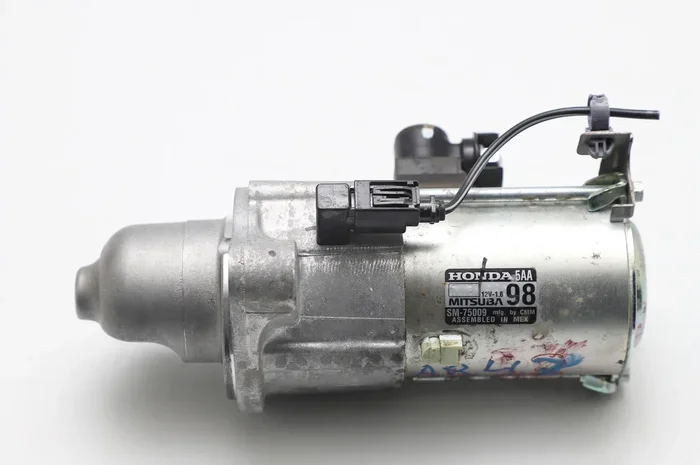
The starter motor is a small but mighty electric device. Its job is simple but critical. When you turn your key or push the start button, the starter motor cranks the engine. This spins the flywheel and gets the combustion cycle going. Without a working starter, your car simply will not start.
Think of it like the ignition handshake between your battery and your engine. The battery sends power to the starter, and the starter turns the engine over. If any part of this chain fails, you are stuck. That is why understanding your Honda Civic maintenance needs, especially the starter system, matters so much.
How a Starter Motor Works
Here is a quick look at the process. When you turn the key, the ignition switch sends a signal. That signal activates the starter solenoid. The solenoid pushes the starter gear into contact with the flywheel. Then the motor spins, turning the engine. Once the engine catches, the starter gear pulls back and disengages. It is a fast and precise process that happens in a second or two.
Over time, the brushes inside the motor wear down. The solenoid can fail. The gear can strip. All of these issues lead to starter symptoms that you will notice right away.
Honda Civic Starter Replacement Cost Breakdown
The starter motor cost for a Honda Civic varies based on several things. Let us break it down into parts and labor so you understand exactly where your money goes.
Parts Cost Alone
The starter motor part itself usually costs between $100 and $350. The wide range depends on whether you choose an OEM part from Honda or an aftermarket alternative.
OEM starters from Honda tend to cost more, typically in the $200 to $350 range. They are built to the exact factory specifications of your vehicle. Aftermarket starters can cost as little as $100 to $200. Many aftermarket brands like Bosch, Denso, and AC Delco offer reliable options that work just as well.
Here is a quick comparison:
- OEM Starter (Honda): $200 to $350. Best fit and reliability. Comes with a manufacturer warranty.
- Aftermarket Starter (Bosch/Denso/AC Delco): $100 to $250. Good value. Often comes with its own warranty.
- Remanufactured Starter: $80 to $150. The cheapest option. Quality varies by seller.
For most Honda Civic repair situations, a quality aftermarket starter offers the best balance of cost and reliability. Just make sure the brand has good reviews and a solid warranty.
Labor Costs Explained
Labor is the other big piece of the puzzle. The average mechanic labor cost for a starter replacement on a Honda Civic runs between $150 and $300. This depends on how long the job takes and what your local shop charges per hour.
Most shops bill between $80 and $150 per hour. A starter replacement usually takes one to two hours. So the labor adds up quickly. If you go to a dealership, expect the higher end of that range. Independent mechanics often charge less.
One thing to keep in mind: the location of the starter in your Honda Civic matters too. In some model years, the starter is easy to access. In others, it sits in a tight spot that requires removing other components. The harder the access, the more labor time it takes.
If you are curious about how long various car diagnostic and repair processes take, you might find this guide on how long a full car diagnostic takes helpful for understanding shop time in general.
Total Cost by Honda Civic Model Year
The model year of your Honda Civic plays a role in the total replacement cost. Here is a general breakdown:
- 2000 to 2005 (7th Generation): Total cost of $300 to $450. These older models have simpler engine layouts, making starter access easier and labor faster.
- 2006 to 2011 (8th Generation): Total cost of $350 to $550. Slightly more complex wiring and a tighter engine bay can add labor time.
- 2012 to 2015 (9th Generation): Total cost of $400 to $600. The more modern design means more electronic components to work around.
- 2016 and Newer (10th Generation): Total cost of $400 to $650. The latest Civics have more compact engine bays, which can make starter access trickier.
These are national averages. Your actual cost may be higher or lower depending on your location and the specific shop you choose.
Factors That Affect Starter Replacement Price
Not every Honda Civic starter replacement costs the same. Several factors can push the price up or bring it down. Understanding these factors helps you make smart decisions and avoid surprises.
Model Year and Engine Type
Different Honda Civic generations use different engines. The engine type affects how the starter is mounted and how much work is needed to reach it. For example, a Civic with a 1.5L turbocharged engine from the 10th generation has a tighter engine bay than an older 2.0L engine from the 8th generation. More work means more labor time, which means a higher bill.
Also, some Honda Civic generations have the starter located in a more accessible spot than others. If your specific model is known for easy starter access, you may pay less in labor. If it is a tight squeeze, expect to pay more.
DIY vs Professional Repair
Doing the replacement yourself is the single biggest way to save money on a car starter replacement. If you have basic hand tools, a jack, and some mechanical know-how, you can do this job at home. The only cost would be the starter part itself, which saves you $150 to $300 in labor.
However, be honest about your skills. If you have never done this before, it might take you longer than a pro. And if you make a mistake, you could end up spending more in the long run. For most people, taking the car to a trusted mechanic is the safer choice.
If you are considering a DIY approach, make sure you have a solid repair manual for your specific Honda Civic model year. Watching a few video tutorials beforehand can also make a big difference.
Warranty and Extended Coverage
Many replacement starters come with a warranty. OEM starters typically carry a 12-month or 12,000-mile warranty. Aftermarket parts from reputable brands often offer similar coverage. Some even come with a lifetime warranty.
Always ask about the warranty before you agree to the repair. A strong warranty means that if the new starter fails within the covered period, the shop or parts supplier will replace it at no extra cost to you. This can save you a significant amount of money and give you peace of mind.
Step-by-Step: What Happens During Starter Replacement
Knowing what to expect during the replacement process can ease your mind. Here is a look at what a mechanic typically does when replacing a Honda Civic starter.
Diagnostic Process
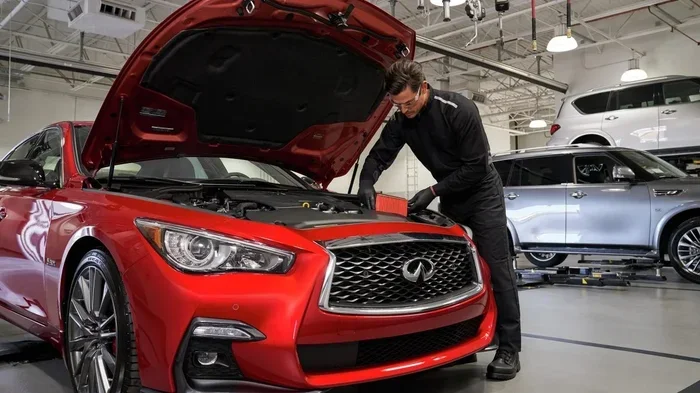
Before any work begins, the mechanic will run a full diagnostic. This is where they confirm that the starter is actually the problem and not something else. They will check the battery voltage, test the ignition switch, and inspect the starter circuit. This step is crucial because engine cranking problems can have many causes, not just a bad starter.
Some owners rush to replace the starter when the real issue is a weak battery or a faulty ignition switch. A proper diagnosis saves you from unnecessary repairs.
Removal and Installation
Once the diagnosis confirms a bad starter, the mechanic gets to work. The process generally involves the following steps:
- The mechanic disconnects the negative battery cable for safety.
- They locate the starter motor, which is typically mounted near the bottom of the engine.
- The electrical connections to the starter are unplugged.
- The mounting bolts are removed, and the old starter is taken out.
- The new starter is positioned and bolted in place.
- The electrical connections are reattached.
- The battery cable is reconnected.
The entire process usually takes between one and two hours at a professional shop. The exact time depends on the model year and how easily the starter is accessible.
Testing After Replacement
After the new starter is installed, the mechanic will test it. They will turn the key and listen for a clean, strong cranking sound. They may also check the electrical connections for proper voltage. This testing phase ensures everything is working correctly before you drive away.
If the car starts up smoothly and the engine cranks at a normal speed, the job is done right.
Common Mistakes to Avoid When Replacing a Starter
Even with a good mechanic, mistakes can happen. Here are the most common errors people make during starter replacement, and how to avoid them.
Confusing Starter Problems with Battery Issues
This is the number one mistake. A dead battery and a failing starter can produce very similar symptoms. Both can cause a slow crank or no crank at all. Before you replace the starter, make sure the battery is fully charged and in good condition.
Ask your mechanic to test the battery first. A simple load test takes just a few minutes and can save you the cost of an unnecessary starter replacement. Understanding the difference between car battery vs starter issues is key to getting the right repair.
Skipping the Solenoid Check
The starter solenoid is a small but important part of the starting system. Sometimes the solenoid fails while the motor itself is still good. Replacing just the motor without checking the solenoid means you might pay for a new part that you did not need.
Ask your mechanic to inspect the solenoid as part of the diagnostic. If the solenoid is the only problem, replacing it is much cheaper than replacing the entire starter assembly.
Ignoring Related Wear and Tear
When the starter is off the car, it is a good opportunity to inspect related components. The flywheel teeth, the starter gear, and the electrical connections should all be checked. Ignoring wear on these parts can lead to the new starter failing prematurely.
Think of it this way. You just paid for a new starter. Do not let a worn flywheel gear damage it right away. A few extra minutes of inspection can save you from coming back to the shop.
How to Save Money on Starter Replacement
Replacing a starter does not have to break the bank. Here are some practical tips to keep your costs down.
Buy Quality Aftermarket Parts
OEM parts are great, but they come at a premium. A quality aftermarket starter from a trusted brand can save you 30 to 50 percent compared to the Honda OEM price. Brands like Bosch, Denso, and AC Delco have long track records of reliability.
Just make sure you buy from a reputable seller. Cheap no-name starters from unknown brands may fail within months, costing you more in the long run.
Get Multiple Quotes
Do not just go with the first shop you find. Call three or four local mechanics and ask for a quote on the starter replacement. You will likely find some variation in pricing. The difference between the lowest and highest quote can be $100 or more.
When getting quotes, ask if the price includes parts, labor, and any applicable taxes. Some shops give a flat rate for starter replacement, which can be easier to budget for.
Maintain Your Starter for Longevity
Good maintenance habits can extend the life of your new starter. Here are a few tips:
- Keep your battery terminals clean and tight. Corroded connections strain the starter.
- Avoid turning the key repeatedly if the engine does not start right away. Wait at least 10 seconds between attempts to let the starter cool down.
- Have your electrical system checked during regular Honda Civic maintenance intervals.
- Address any clicking noise when starting right away. It could be an early sign of starter wear.
Taking care of your battery and electrical system reduces the workload on the starter. A starter that does not have to work as hard lasts longer.
When Should You Replace the Starter on Your Honda Civic?
Timing matters when it comes to starter replacement. Catching the problem early can prevent you from being stranded. Here are the key moments when you should consider a replacement.
If your Civic makes a grinding noise when you turn the key, that is a red flag. Grinding usually means the starter gear is worn and not engaging the flywheel properly. Ignoring this can damage the flywheel, which is a much more expensive repair.
Intermittent starting problems are another warning sign. If your car starts sometimes and not others, the starter may be failing. This is especially common in older Honda Civics with higher mileage.
Also, if you notice a slow crank instead of a quick, confident start, the starter motor may be losing power. This often happens as the internal brushes wear down over time. The earlier you address it, the less likely you are to end up stuck with a car that will not start at all.
For Honda Civic owners who have had their vehicle for many years, it helps to know the expected lifespan of key components. If you are curious about how long a Honda Civic can last overall, you might find this article on Honda CR-V longevity interesting, since many of the same reliability principles apply to the Civic as well.
Final Thoughts on Honda Civic Starter Replacement Cost
The Honda Civic starter replacement cost is manageable for most owners. With an average range of $300 to $600, it is far from the most expensive repair you will face on this vehicle. The key is to get a proper diagnosis first, choose the right parts, and find a trustworthy mechanic.
Whether you decide to go the DIY route or take it to a shop, knowing the costs upfront puts you in a much better position. You can budget accordingly, avoid unnecessary upsells, and make confident decisions about your car.
Remember, a failing starter will not fix itself. The sooner you address the problem, the less likely you are to face bigger issues down the road. Keep an ear out for unusual noises, pay attention to how your car starts, and do not ignore the warning signs.
Your Honda Civic is a reliable and efficient car. With the right care and timely repairs, it will keep starting up strong for years to come.
Frequently Asked Questions
How long does a Honda Civic starter last?
A Honda Civic starter motor typically lasts between 100,000 and 150,000 miles. However, this can vary based on driving habits, battery health, and how often you turn the key. Regular maintenance of your electrical system can help extend the starter’s lifespan.
Can I drive my Honda Civic with a bad starter?
No, you cannot drive your car if the starter is completely dead. The starter is needed to crank the engine and get it running. If your Civic will not start, you will need a jump start, a tow, or a replacement starter to get back on the road.
Is it cheaper to replace the starter yourself or at a shop?
Replacing the starter yourself is cheaper because you eliminate labor costs. You only pay for the part, which can save you $150 to $300. However, this only makes sense if you have the right tools and some mechanical experience. If you are unsure, it is safer to let a professional handle the job.
What is the difference between a starter and a solenoid?
The starter motor is the main component that cranks the engine. The solenoid is a smaller switch that sends power to the starter and engages the gear. Sometimes the solenoid fails while the motor is still good. A mechanic can test both to determine which part needs replacing.
How do I know if my Honda Civic starter is going bad?
Common signs include a clicking noise when you turn the key, a slow crank, intermittent starting problems, or a grinding sound. If you notice any of these symptoms, have your starter inspected as soon as possible. Early detection can prevent more costly damage to the flywheel.
Does the Honda Civic starter replacement cost include the battery?
No, the starter replacement cost covers the starter motor and labor only. If your battery is also weak or dead, it will need to be replaced separately. Always have the battery tested before replacing the starter, since battery problems can mimic starter symptoms.