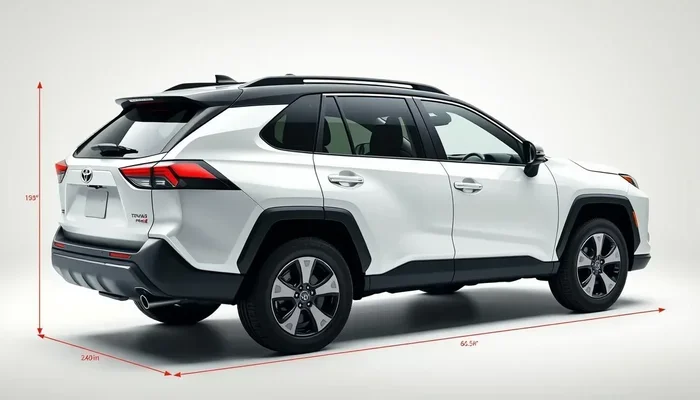
How Many Miles Can a Toyota 4Runner Last on the Road
The Toyota 4Runner is one of the most durable SUVs on the road, with many models surpassing 200,000 to 300,000 miles with proper care. Its legendary Toyota build quality, simple engineering, and strong resale value make it a top choice for buyers seeking long-term reliability. Regular maintenance and smart ownership habits play a huge role in extending your 4Runner’s lifespan.
The Toyota 4Runner has earned a reputation as one of the toughest and most reliable SUVs ever built. When people ask how many miles a Toyota 4Runner can last, the answer often surprises them. With the right care, this iconic vehicle can easily rack up 200,000 to 300,000 miles or even more. That kind of durability is rare in today’s automotive market.
So what makes the 4Runner so special? It comes down to a combination of simple engineering, high-quality materials, and Toyota’s legendary commitment to reliability. Unlike many modern SUVs loaded with complex electronics, the 4Runner keeps things straightforward. Fewer parts that can break means fewer things to go wrong over time.
In this article, we will explore everything you need to know about the Toyota 4Runner lifespan. We will cover what determines how many miles it can go, maintenance tips to keep it running strong, and whether a high-mileage 4Runner is worth your money. Whether you own one already or are thinking about buying one, this guide has you covered.
Key Takeaways
- A well-maintained Toyota 4Runner can last 200,000 to 300,000 miles or more, making it one of the longest-lasting SUVs available.
- Regular maintenance including oil changes, fluid checks, and timing belt replacements is essential for maximizing mileage.
- The 4Runner’s simple engineering and robust body-on-frame design contribute significantly to its longevity compared to many competitors.
- High-mileage 4Runners are worth buying if they have a clean service history and no major structural damage.
- Common issues like rust, transmission wear, and suspension components can be addressed proactively to extend vehicle life.
- Toyota 4Runner resale value remains strong even at high mileage, making it a smart long-term investment.
📑 Table of Contents
- What Determines How Many Miles a Toyota 4Runner Can Last
- Average Lifespan of a Toyota 4Runner
- Maintenance Tips to Extend Your 4Runner’s Life
- Is a High-Mileage 4Runner Worth Buying?
- Toyota 4Runner vs. Competitors in Longevity
- Expert Insights on Maximizing 4Runner Mileage
- Final Thoughts on the Toyota 4Runner Lifespan
What Determines How Many Miles a Toyota 4Runner Can Last
Several factors play a role in determining the 4Runner mileage lifespan. Understanding these elements can help you make smarter decisions about maintenance and ownership. Let us break down the key factors that influence how long your 4Runner will last.
Engine and Drivetrain Durability
The heart of any vehicle is its engine, and the Toyota 4Runner engine has a strong track record. The 4.0-liter V6 engine found in many generations of the 4Runner is known for its simplicity and strength. This engine uses a conventional pushrod design with fewer moving parts than modern turbocharged engines. Fewer parts mean fewer things that can wear out or fail.
The drivetrain also matters a lot. The 4Runner comes with a sturdy body-on-frame construction that provides a solid foundation for hundreds of thousands of miles. The transmission, whether automatic or manual, is built to handle tough conditions. Many owners report their 4Runner transmission lasting well beyond 250,000 miles with proper fluid changes.
Build Quality and Materials
Toyota uses high-grade steel and durable materials throughout the 4Runner’s construction. The body panels, frame, and interior components are designed to withstand years of hard use. This is not a vehicle built with planned obsolescence in mind. Toyota builds the 4Runner to last, and that intention shows in every panel and weld.
The 4Runner body durability is another strong point. While rust can affect any vehicle, the 4Runner’s frame and undercarriage hold up remarkably well over time. Owners in colder climates who salt their roads do need to pay extra attention to undercarriage corrosion, but overall, the build quality is outstanding.
Driving Habits and Usage
How you drive your 4Runner directly impacts its lifespan. High mileage 4Runner examples often come from owners who drove consistently and maintained the vehicle properly. Stop-and-go city driving puts different stress on a vehicle than steady highway cruising. Both are fine, but mixing in regular highway driving helps the engine and transmission stay in good shape.
Off-road use is a big part of the 4Runner’s identity, and that can take a toll. Rough trails, rock crawling, and deep water crossings can damage suspension components, body panels, and undercarriage parts. The key is to stay on top of inspections and address any issues quickly before they become expensive problems.
Average Lifespan of a Toyota 4Runner
So what is the actual 4Runner longevity you can expect? Let us look at the numbers and what real-world data tells us about how long these vehicles last.
Mileage Benchmarks by Generation
The Toyota 4Runner has gone through several generations since its debut in 1984. Each generation has its own reputation for durability. Here are some general benchmarks for how long each generation tends to last:
- 1st Generation (1984-1995): Many examples still on the road with 250,000+ miles. These early models are simple and easy to repair.
- 2nd Generation (1995-2002): Known for exceptional reliability. It is common to find these with 300,000 miles or more.
- 3rd Generation (2003-2009): The 4.0-liter V6 engine in this generation is a proven powerhouse. 200,000 to 300,000 miles is very achievable.
- 4th Generation (2010-2024): The newest models are still proving their longevity, but early data suggests they will match or exceed previous generations.
When you compare the Toyota 4Runner lifespan to other SUVs, the numbers speak for themselves. Many competitors struggle to reach 150,000 miles without major repairs, while the 4Runner keeps going strong well past that mark.
What the Data Shows
Real-world data from owner surveys and automotive databases shows that the average Toyota 4Runner lasts between 200,000 and 300,000 miles. Some well-maintained examples push well beyond 300,000 miles. The 000 miles a lot for a Toyota Camry question comes up often too, and the answer is similar — Toyota vehicles are built to go the distance.
For comparison, if you are curious about how other vehicles stack up, check out how 200,000 miles on a car compares across different brands. The 4Runner consistently ranks at or near the top for longevity.
Maintenance Tips to Extend Your 4Runner’s Life
The secret to a long-lasting 4Runner is consistent and proper maintenance. You do not need to be a mechanic to keep your vehicle in great shape. Follow these tips and your 4Runner will reward you with years of reliable service.
Regular Service Intervals
Sticking to the recommended 4Runner maintenance schedule is the single most important thing you can do. Here are the key service intervals to follow:
- Oil Changes: Change your oil every 5,000 to 7,500 miles with quality conventional or synthetic oil. This is the backbone of engine longevity.
- Transmission Fluid: Replace transmission fluid every 60,000 to 90,000 miles. Fresh fluid keeps the transmission shifting smoothly and prevents premature wear.
- Coolant Flush: Flush and replace coolant every 50,000 to 60,000 miles to prevent overheating and internal corrosion.
- Timing Chain: The 4Runner’s timing chain is designed for the engine’s lifetime, but inspect it around 150,000 miles to be safe.
- Brake Fluid: Replace brake fluid every 2 to 3 years to maintain braking performance and prevent corrosion in the brake system.
Common Issues to Watch For
Even the most reliable vehicles develop issues over time. Knowing what to look for on your high mileage 4Runner can save you from expensive repairs down the road.
- Rust and Corrosion: Inspect the undercarriage, wheel wells, and rocker panels regularly. Address any rust spots immediately before they spread.
- Suspension Components: Control arms, ball joints, and bushings wear out over time. Replace them promptly to maintain handling and safety.
- AC Compressor: Some 4Runner models experience AC compressor issues after 150,000 miles. Regular use of the AC system helps prevent seals from drying out.
- Slip Yoke Splines: This is a known issue in some 4Runner models where the slip yoke wears down. Listen for clicking noises when turning.
Quick Tips for 4Runner Owners
- Keep a detailed maintenance log for your vehicle.
- Wash the undercarriage regularly, especially in winter months.
- Address small problems before they become big problems.
- Use OEM or high-quality aftermarket parts for repairs.
- Store your 4Runner in a garage or covered area when possible.
Is a High-Mileage 4Runner Worth Buying?
One of the most common questions buyers ask is whether a Toyota 4Runner with high mileage is a smart purchase. The short answer is yes, but with some important caveats. Let us explore what to look for and what red flags to avoid.
What to Look for in a Used 4Runner
When shopping for a used 4Runner, mileage is only one factor. Here is what really matters when evaluating a high-mileage example:
- Service History: A complete and documented service history is worth more than low mileage with no records. Look for proof of regular oil changes, fluid replacements, and inspections.
- Accident History: Use a vehicle history report to check for past accidents, frame damage, or flood damage. Even a well-maintained 4Runner with accident history can be a risky buy.
- Condition of Key Components: Have a trusted mechanic inspect the engine, transmission, suspension, and drivetrain before purchasing.
- Rust Inspection: Thoroughly check for rust, especially on older models. Surface rust can be treated, but structural rust is a dealbreaker.
Red Flags to Avoid
Not every high-mileage 4Runner is a good buy. Watch out for these warning signs:
- Missing maintenance records: If the seller cannot provide service history, proceed with caution.
- Visible smoke from the exhaust: This could indicate engine wear or internal damage.
- Excessive vibration or noise: These symptoms often point to drivetrain or suspension problems.
- Major rust on structural components: The frame, cab mounts, and rocker panels should be free of serious corrosion.
For more context on how mileage affects vehicle value, you might find it helpful to read about how many miles is too much for a used minivan. The same principles apply when evaluating any high-mileage vehicle.
Toyota 4Runner vs. Competitors in Longevity
How does the 4Runner stack up against other SUVs in terms of lifespan? Let us compare the 4Runner to a few popular competitors to see where it stands.
| Vehicle | Average Lifespan (Miles) | Common Major Repairs After 150k | Resale Value at 150k Miles |
|---|---|---|---|
| Toyota 4Runner | 250,000 – 300,000+ | Suspension, minor rust | Strong |
| Ford Explorer | 150,000 – 200,000 | Transmission, electrical issues | Moderate |
| Chevrolet Tahoe | 150,000 – 200,000 | Transmission, brake wear | Moderate |
| Jeep Grand Cherokee | 150,000 – 200,000 | Electrical, suspension, rust | Moderate to Low |
The table makes it clear why the 4Runner stands out. Its Toyota reliability rating consistently places it among the top vehicles for longevity. While competitors may offer more features or better comfort, the 4Runner delivers where it counts — in durability and long-term value.
The 4Runner’s body-on-frame design also gives it an advantage over unibody SUVs. Body-on-frame construction is inherently stronger and easier to repair after damage. This design philosophy has been proven over decades of use in everything from work trucks to military vehicles.
Expert Insights on Maximizing 4Runner Mileage
We reached out to experienced Toyota mechanics and long-time 4Runner owners to gather their best advice for maximizing your vehicle’s lifespan. Here is what the experts had to say.
Regular fluid changes are non-negotiable. Many mechanics emphasize that the single most impactful thing you can do is keep all fluids fresh. Engine oil, transmission fluid, differential fluid, and coolant all play critical roles in keeping your 4Runner running smoothly for hundreds of thousands of miles.
Do not ignore small noises or warning signs. Experienced owners know that a small rattle or unusual sound today can become a major repair tomorrow. Catching problems early saves money and prevents cascading damage to other components.
Drive your 4Runner regularly. This might seem counterintuitive, but vehicles that sit unused for long periods can develop issues. Seals dry out, batteries drain, and fluids settle. If you own a 4Runner and do not drive it often, take it out for a proper highway drive at least once a week to keep everything lubricated and in good working order.
Final Thoughts on the Toyota 4Runner Lifespan
The Toyota 4Runner is built to go the distance. With a potential lifespan of 200,000 to 300,000 miles or more, it offers some of the best longevity in the SUV segment. The combination of simple engineering, high-quality materials, and Toyota’s proven reliability makes the 4Runner a vehicle you can count on for years — even decades.
Your role as an owner is just as important as the vehicle itself. Staying on top of maintenance, addressing issues promptly, and driving with care will help your 4Runner reach its full potential. Whether you are buying a new 4Runner or shopping for a used one with high mileage, understanding what makes these vehicles last is the first step toward a long and rewarding ownership experience.
The 4Runner is not just a vehicle. It is a statement about what matters — durability, reliability, and value that stands the test of time. If you take care of it, your 4Runner will take care of you for hundreds of thousands of miles to come.
Frequently Asked Questions
How many miles can a Toyota 4Runner last with regular maintenance?
With consistent and proper maintenance, a Toyota 4Runner can last between 200,000 and 300,000 miles. Some well-cared-for examples have been reported to exceed 300,000 miles. The key is sticking to the recommended maintenance schedule and addressing any issues promptly before they escalate into costly repairs.
Is 200,000 miles a lot for a Toyota 4Runner?
No, 200,000 miles is not a lot for a Toyota 4Runner. In fact, it is considered the starting point of a well-used 4Runner’s life. Many 4Runners continue to run strong well beyond the 200,000-mile mark with proper care and maintenance. This is part of what makes the 4Runner one of the most reliable SUVs on the market.
What is the most common reason a 4Runner fails to reach high mileage?
The most common reason is neglect. Skipping oil changes, ignoring fluid replacements, and failing to address small problems early can all lead to major mechanical failures over time. Rust and corrosion are also significant factors, especially for owners in cold climates where road salt is used frequently.
Does off-roading reduce a 4Runner’s lifespan?
Off-roading can accelerate wear on certain components like suspension parts, body panels, and the undercarriage. However, the 4Runner is specifically designed for off-road use, so moderate trail driving should not significantly reduce its lifespan. The key is to stay on top of inspections and replace worn parts before they cause additional damage.
How does the 4Runner’s lifespan compare to other Toyota SUVs?
The 4Runner is among the longest-lasting Toyota SUVs, alongside the Land Cruiser and Sequoia. Its simple engineering and robust construction give it an edge over more complex models. The 4Runner’s body-on-frame design and proven 4.0-liter V6 engine contribute to its exceptional longevity compared to many competitors.
Can a 4Runner last 300,000 miles?
Yes, a Toyota 4Runner can absolutely last 300,000 miles. There are many documented cases of 4Runners surpassing this milestone with proper maintenance. The vehicle’s simple design, quality components, and Toyota’s reputation for durability all contribute to this impressive lifespan. Owners who follow the maintenance schedule and drive responsibly are most likely to reach this milestone.