How Many Miles Left When Gas Light Comes On Toyota Corolla
The gas light on a 2003 Toyota Corolla typically comes on when you have about 2.5 to 3 gallons of fuel left. This means you can drive roughly 30 to 45 miles before the tank is completely empty. The exact number depends on your driving habits, fuel economy, and road conditions.
This is a comprehensive guide about How Many Miles Are Left When the Gas Light Comes On in a 2003 Toyota Corolla?.
Key Takeaways
- Limited Range: A 2003 Toyota Corolla has about 30 to 45 miles of driving left after the gas light turns on.
- Fuel Tank Size: The Corolla holds approximately 13.2 gallons, with about 2.5 to 3 gallons remaining when the light activates.
- Driving Style Matters: Aggressive driving, highway speeds, and stop-and-go traffic all affect how far you can go on the remaining fuel.
- Don’t Rely on the Gauge: The fuel gauge is not always precise. It is better to refuel as soon as the light comes on.
- Long-Term Damage Risk: Running on empty repeatedly can harm the fuel pump and clog the fuel filter over time.
- Check Your Owner’s Manual: Your specific model may have slightly different fuel reserve specs than the general estimate.
[FEATURED_IMAGE_PLACEHOLDER]
How Many Miles Left When the Gas Light Comes On in a 2003 Toyota Corolla?
You are driving along, minding your own business, when a little yellow light pops up on your dashboard. It is the dreaded gas light. For owners of a 2003 Toyota Corolla, this moment raises one big question: how many miles do you actually have left?
The answer is not a single fixed number. Most 2003 Toyota Corolla models will give you somewhere between 30 and 45 miles of driving range after the gas light comes on. But that number can shift based on several factors. In this article, we will break down everything you need to know about your Corolla’s fuel range, tank size, and what happens when you push it too far.
Whether you are in a rush to find a gas station or just curious about your car’s limits, this guide has you covered. Let us dive into the details.
Understanding the 2003 Toyota Corolla Fuel System
Fuel Tank Capacity
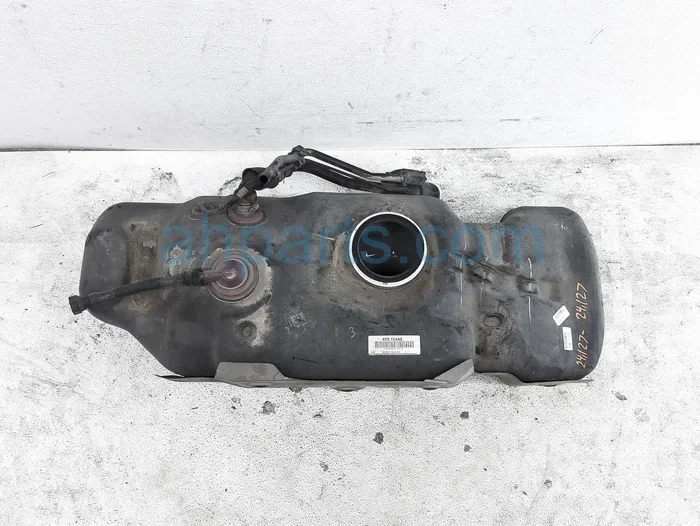
The 2003 Toyota Corolla comes with a fuel tank that holds about 13.2 gallons. That is a solid size for a compact sedan. When the fuel gauge drops to the reserve level, the gas light illuminates. At that point, you still have roughly 2.5 to 3 gallons of fuel sitting in the tank.
Now, you might wonder why the car does not just tell you exactly how much fuel is left. The truth is, fuel gauges are not precision instruments. They give you a general idea, not an exact measurement. That is why it is smart to treat the gas light as a warning, not a clock.
If you want to know more about how much fuel your car can actually hold, check out our guide on how many gallons to fill up a car. It covers tank sizes across many vehicle types.
How the Gas Light Works
The gas light is connected to a float sensor inside the fuel tank. As fuel levels drop, the float lowers. Once it hits a certain point, the sensor triggers the warning light on your dashboard. Simple enough, right?
But here is the catch. The sensor does not account for your driving style, the terrain, or the outside temperature. These factors all play a role in how quickly you burn through that remaining fuel. So the gas light is really just a rough estimate of your remaining range.
How Far Can You Drive on Empty? Real Numbers for the 2003 Corolla
Average Miles After the Gas Light
Most owners of a 2003 Toyota Corolla report driving between 30 and 45 miles after the gas light comes on. Some have even pushed it to 50 miles under ideal conditions. But these are not guaranteed numbers.
Here is a quick breakdown of what affects your remaining miles:
- Driving Speed: Highway driving at steady speeds uses less fuel than city driving with lots of stops.
- Fuel Economy: The 2003 Corolla gets an average of 27 to 32 miles per gallon, depending on driving conditions.
- Road Conditions: Hilly terrain and rough roads burn more fuel than flat, smooth highways.
- Vehicle Load: Carrying heavy cargo or multiple passengers increases fuel consumption.
- Weather: Cold weather can reduce fuel efficiency by up to 12 percent.
Real-World Driving Scenarios
Let us look at a few real-world examples to make this clearer. Imagine you are driving on the highway at 60 miles per hour with the gas light on. Your 2003 Corolla might give you closer to 45 miles because highway driving is more fuel-efficient. Now picture the same scenario in heavy city traffic with lots of stops and starts. You might only get 30 miles or less.
The fuel gauge on your Corolla is a helpful tool, but it is not a guarantee. Always try to refuel as soon as you see that light.
Why You Should Never Ignore the Gas Light
Risk of Fuel Pump Damage
This is the big one. Your fuel pump relies on fuel to stay cool. When you run low repeatedly, the pump can overheat. Over time, this leads to premature wear and eventual failure. Replacing a fuel pump is not cheap. It can cost anywhere from $400 to $800 depending on your location and labor rates.
Running on empty also lets sediment from the bottom of the tank get pulled into the fuel system. This can clog your fuel filter and injectors. The result? Poor engine performance, rough idling, and reduced fuel economy.
The False Sense of Security
Many drivers think the gas light means they have a lot of fuel left. That is a dangerous assumption. The light comes on when fuel is already quite low. Treating it as a suggestion rather than a warning can leave you stranded.
If you want to learn more about how fuel systems work in Toyota vehicles, our article on does a cabin air filter affect gas mileage explores how different car components influence fuel efficiency.
Tips to Maximize Your Fuel Range When the Light Comes On
So the gas light is on and you are not near a gas station yet. What can you do to stretch those remaining miles? Here are some practical tips that actually work.
- Drive at a Steady Speed: Avoid sudden acceleration and hard braking. Smooth driving saves fuel.
- Keep Your Windows Up: At highway speeds, open windows create drag that reduces fuel economy.
- Use Cruise Control: On flat roads, cruise control helps maintain a consistent speed and saves gas.
- Turn Off the AC: Air conditioning puts extra load on the engine. Turn it off when you are low on fuel.
- Remove Extra Weight: Clear out any heavy items from your trunk or back seat.
- Keep Tires Properly Inflated: Underinflated tires create more rolling resistance and waste fuel.
These small changes can add up. Some drivers have reported gaining an extra 5 to 10 miles by simply driving more smoothly after the gas light comes on.
Quick Tips for Emergency Situations
If you find yourself running on fumes with no gas station in sight, keep these tips in mind:
- Turn off the engine at red lights and in heavy traffic.
- Avoid using electronics unless absolutely necessary.
- Plan your route to avoid hills and rough terrain.
- Keep a portable fuel container in your trunk for emergencies.
How Does the 2003 Corolla Compare to Other Toyota Models?
Every Toyota model has a different fuel reserve and range. The 2003 Toyota Corolla is a compact sedan, so its fuel capacity is smaller than larger vehicles like trucks or SUVs. Here is a quick comparison of how the Corolla stacks up against some other Toyota models.
| Vehicle | Fuel Tank Size | Miles After Gas Light | Avg. MPG |
|---|---|---|---|
| 2003 Toyota Corolla | 13.2 gallons | 30-45 miles | 27-32 MPG |
| 2003 Toyota Camry | 15.8 gallons | 35-55 miles | 24-30 MPG |
| 2003 Toyota RAV4 | 15.9 gallons | 35-55 miles | 22-27 MPG |
| 2003 Toyota Tacoma | 16-22 gallons | 40-65 miles | 17-22 MPG |
As you can see, the Corolla has a smaller tank than most other Toyotas. That means the remaining miles after the gas light are fewer. But the good news is that the Corolla is known for excellent fuel economy. So even with a smaller tank, you get more miles per gallon than many larger vehicles.
For more information on Toyota fuel economy, you might want to read our article on are Toyota Tundras good on gas. It compares the fuel efficiency of Toyota’s full-size pickup truck.
Common Mistakes People Make When the Gas Light Comes On
Waiting Too Long to Refuel
The most common mistake is simply ignoring the light and hoping you will make it. Sometimes you do. But sometimes you do not. And being stranded on the side of the road is never fun.
Running on empty repeatedly also causes long-term damage. The fuel pump needs fuel to lubricate and cool itself. Without enough fuel, it works harder and wears out faster.
Using the Wrong Fuel Type
Another mistake is filling up with the wrong octane fuel. The 2003 Toyota Corolla is designed to run on regular unleaded gasoline (87 octane). Using a higher octane fuel will not improve performance or fuel economy. It is simply a waste of money.
If you are ever unsure about what fuel type to use, check out our guide on can I use 87 octane gas in my Toyota. It covers fuel type recommendations for various Toyota models.
Ignoring the Fuel Gauge Altogether
Some drivers rely entirely on the gas light and never check the fuel gauge throughout the day. This is a bad habit. The fuel gauge gives you a much better picture of your remaining fuel than the warning light alone. Make it a habit to check your gauge every time you get behind the wheel.
How to Prevent Running Out of Fuel
Prevention is always better than cure. Here are some simple habits that will keep you from ever being caught with an empty tank.
- Refuel When the Tank Hits a Quarter: Do not wait for the gas light. Fill up when you have about a quarter of a tank left.
- Keep Track of Your Fuel Economy: If you notice your MPG dropping, it could be a sign of a problem or a sign that you need to refuel soon.
- Plan Your Routes: Know where gas stations are along your regular routes. This is especially important for long drives.
- Keep a Small Fuel Reserve: In an emergency, a portable fuel canister can save you from getting stranded.
- Stay Updated on Maintenance: Regular maintenance keeps your fuel system running efficiently. A clean fuel filter and properly functioning fuel pump make a big difference.
These habits take very little effort but can save you a lot of trouble down the road. Plus, they help protect your engine and fuel system from unnecessary wear.
Frequently Asked Questions About the 2003 Toyota Corolla Gas Light
Can I drive 50 miles after the gas light comes on in a 2003 Corolla?
It is possible but not guaranteed. Some drivers have reported reaching 50 miles after the gas light on a 2003 Corolla. However, this usually requires ideal driving conditions, steady highway speeds, and a light foot on the pedal. Do not count on it as a regular occurrence. Always refuel as soon as possible after the light comes on.
What happens if I run my 2003 Corolla all the way to empty?
Running the car all the way to empty can cause serious damage over time. The fuel pump can overheat and fail without enough fuel to keep it cool. Sediment from the bottom of the tank can also clog your fuel filter and injectors. While one trip on empty might not cause immediate harm, making it a habit will lead to expensive repairs.
How many gallons are left when the gas light comes on?
When the gas light illuminates on a 2003 Toyota Corolla, you typically have about 2.5 to 3 gallons of fuel remaining. This is based on the car’s fuel tank capacity of 13.2 gallons and the point at which the reserve fuel level triggers the warning light.
Does the 2003 Corolla have a fuel reserve light?
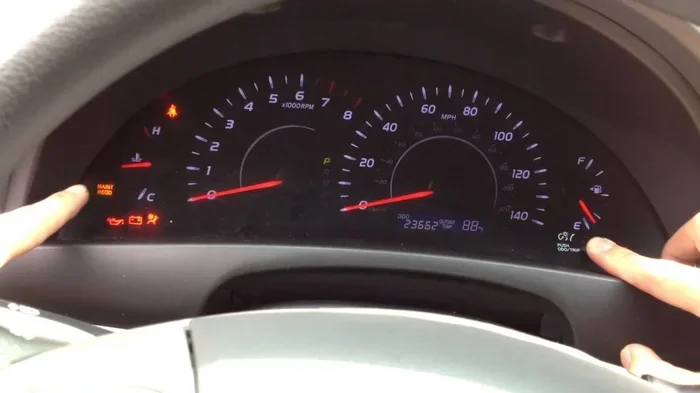
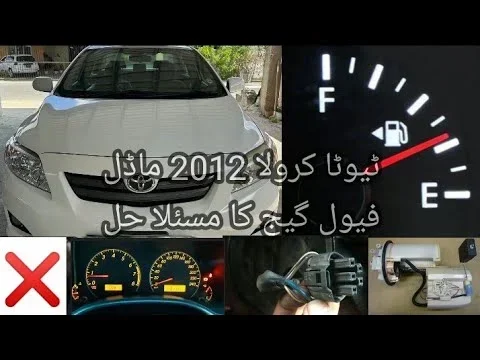
Yes, the 2003 Toyota Corolla has a fuel reserve warning light. It is a yellow or orange light on the dashboard that looks like a gas pump icon. It activates when the fuel level drops to the reserve threshold, which is typically around 2.5 to 3 gallons remaining in the tank.
Is it bad to drive with the gas light on?
Driving with the gas light on occasionally is not ideal but is usually not harmful in the short term. The real problem comes from making it a habit. Consistently running on low fuel can damage the fuel pump, reduce engine performance, and eventually lead to costly repairs. Always try to refuel within 30 to 45 miles of the light coming on.
What is the fuel tank size of a 2003 Toyota Corolla?
The 2003 Toyota Corolla has a fuel tank capacity of approximately 13.2 gallons. This is a standard size for a compact sedan from that era. With this tank size and average fuel economy of 27 to 32 MPG, the car can travel roughly 350 to 420 miles on a full tank under normal driving conditions.
Conclusion
So, how many miles are left when the gas light comes on in a 2003 Toyota Corolla? The answer is roughly 30 to 45 miles, depending on your driving conditions, habits, and road terrain. While this might seem like a comfortable buffer, you should never take it for granted.
The gas light is a warning, not a suggestion. It tells you that your fuel level has dropped to the reserve point, and you should refuel soon. Ignoring this light repeatedly can lead to fuel pump damage, clogged fuel filters, and expensive repairs.
By following the tips in this guide, you can protect your 2003 Toyota Corolla from unnecessary wear and avoid getting stranded. Keep your tank at least a quarter full, drive smoothly, and stay on top of your fuel maintenance. Your car will thank you with better performance and a longer lifespan.
Remember, knowing your fuel range gives you peace of mind on every drive. So the next time that little yellow light appears, you will know exactly what to do.
Frequently Asked Questions
What is How Many Miles Are Left When the Gas Light Comes On in a 2003 Toyota Corolla??
How Many Miles Are Left When the Gas Light Comes On in a 2003 Toyota Corolla? is an important topic with many practical applications.