How Long Will a 2003 Toyota Corolla Last on the Road
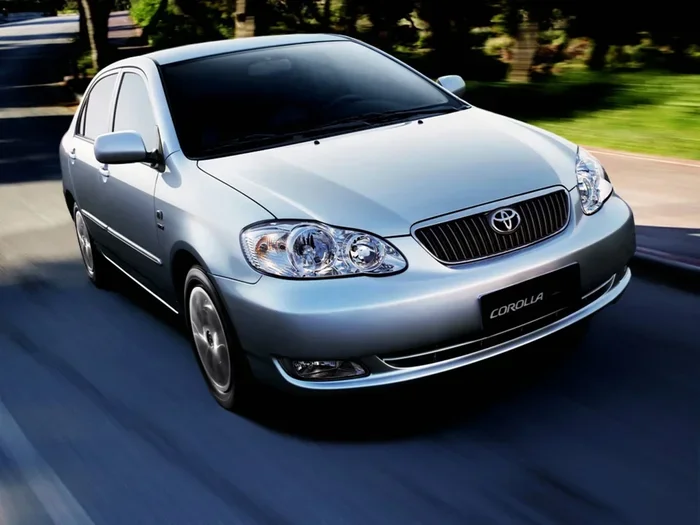
A well-maintained 2003 Toyota Corolla can easily last 200,000 to 300,000 miles or more. This legendary compact car is known for its durability and low cost of ownership. With regular maintenance and smart driving habits, the 2003 Toyota Corolla lifespan can surprise you.
Key Takeaways
- Long Lifespan: A 2003 Toyota Corolla can last 200,000 to 300,000+ miles with proper care.
- Low Maintenance Costs: Parts are cheap and widely available, keeping repair bills low.
- Reliable Engine: The 1.8L and 2.4L engines in the 2003 Corolla are built to go the distance.
- Common Issues Exist: Knowing the problems early helps you avoid costly repairs down the road.
- Still Worth Buying: Even today, a 2003 Corolla offers solid value for budget-conscious buyers.
📑 Table of Contents
How Long Can a 2003 Toyota Corolla Actually Last?
Let us get straight to the point. How long will a 2003 Toyota Corolla last on the road? The honest answer is that it depends on a few key factors. But here is the good news. This car was built like a tank.
The 2003 Toyota Corolla is one of the most reliable cars ever made. Thousands of owners have pushed these vehicles past the 250,000-mile mark. Some have even hit 300,000 miles and kept going. That is not a typo. Three hundred thousand miles.
If you take care of your car, it will take care of you. This is especially true for the 2003 Corolla. Toyota built this model with simplicity and durability in mind. There are no fancy gadgets to break. No complex systems to fail. Just a solid, dependable compact car that gets the job done.
So what does this mean for you? It means you can expect many years of faithful service. Whether you use it for a daily commute or as a second vehicle, the 2003 Toyota Corolla longevity is impressive. Let us dive into what makes this car so tough and how you can maximize its life.
Average Lifespan Expectations
Most Toyota Corolla reliability experts agree that the average lifespan falls between 200,000 and 300,000 miles. But that is just an average. Many owners report going well beyond that range.
The key variable is maintenance. A car that gets regular oil changes and timely repairs will outlive one that does not. It is really that simple. Think of it this way. You would not skip brushing your teeth for years and expect your teeth to stay healthy. The same logic applies to your car.
The 2003 Corolla model uses a straightforward engine design that has been proven over decades. Toyota refined this engine through many generations. By the time 2003 rolled around, they had it dialed in. That is why these cars are so dependable.
What Affects the Lifespan of a 2003 Toyota Corolla?
Several factors play a role in determining how long your car will last. Let us break them down so you know exactly what matters most.
Driving Habits
How you drive matters more than you might think. Aggressive driving shortens engine life. Hard braking and rapid acceleration put extra stress on every component. If you want your Corolla durability to shine, drive smoothly.
Gentle acceleration and gradual braking go a long way. They reduce wear on the engine, transmission, and brakes. Over time, these small habits add up to big savings. Your car will thank you with fewer trips to the mechanic.
Climate and Weather Conditions
Where you live also matters. Cars in cold, snowy climates face more wear. Salt and road chemicals cause rust and corrosion. Hot climates can strain cooling systems.
If you live in a harsh environment, extra care is needed. Wash your car regularly, especially in winter. Undercoat or apply rust protection. These simple steps can add years to your vehicle’s life.
Maintenance Schedule
This is the biggest factor of all. A Corolla maintenance schedule that you follow closely will dramatically extend your car’s life. Here are the essentials:
- Oil Changes: Every 5,000 to 7,500 miles or as recommended.
- Tire Rotations: Every 5,000 to 7,500 miles for even wear.
- Brake Inspections: Check pads and rotors annually.
- Fluid Flushes: Coolant, transmission fluid, and brake fluid on schedule.
- Timing Belt: Replace around 100,000 miles to avoid catastrophic engine damage.
Skipping these basics is the fastest way to shorten your car’s life. Stay on top of them, and your 2003 Toyota Corolla lifespan will reward you.
Quality of Parts Used
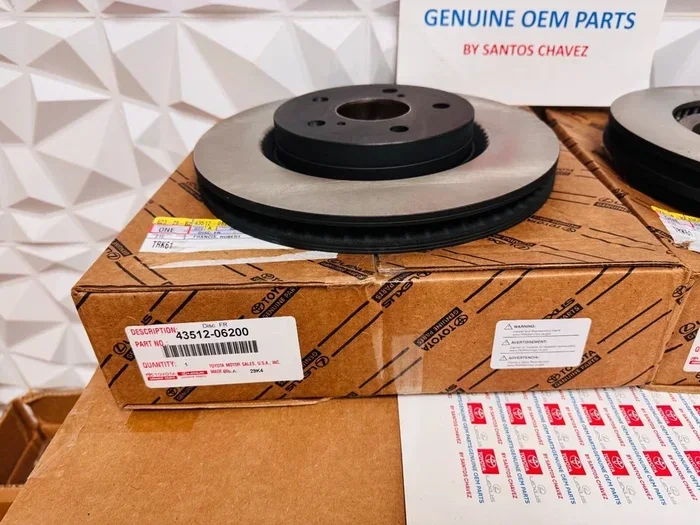
Not all parts are created equal. Using cheap, low-quality replacement parts can cause problems down the road. OEM (Original Equipment Manufacturer) parts or trusted aftermarket brands are always the better choice.
When it comes to Toyota Corolla maintenance, quality parts protect your investment. They fit better, last longer, and perform more reliably. It is worth spending a little extra to get the right parts.
Common Issues With the 2003 Toyota Corolla
No car is perfect. The 2003 Corolla has a few known issues that owners should be aware of. Catching these problems early can save you a lot of money and headaches.
Check Engine Light and Emissions
The 2003 model year is known for triggering the check engine light. This often relates to the emissions system. The most common culprit is a faulty oxygen sensor or a loose gas cap.
If your light comes on, do not ignore it. A loose gas cap is an easy fix. But a failing oxygen sensor can hurt your fuel economy and increase emissions. Have a mechanic check it promptly.
Transmission Concerns
Some owners report transmission issues around the 150,000-mile mark. This is not universal, but it is worth watching for. Signs include slipping gears or rough shifting.
Regular transmission fluid changes can help prevent these problems. If you notice any unusual behavior, get it checked right away. Early detection saves big money.
Rust and Corrosion
As mentioned earlier, rust can be an issue. The wheel wells, rocker panels, and undercarriage are common spots. Inspect these areas regularly, especially if you live in a cold climate.
Catching rust early makes it much easier to treat. A small spot can be handled with basic repair. But left unchecked, rust can compromise the structural integrity of your car.
Suspension Wear
The suspension system takes a beating over time. Worn shocks and struts are common at higher mileages. You might notice bouncing, pulling, or uneven tire wear.
Replacing suspension parts is not cheap, but it is necessary for safe driving. Keep an eye on your ride quality. If it feels rough or bouncy, have the suspension inspected.
Maintenance Tips to Extend Your Corolla’s Life
Now that you know the common issues, let us talk about how to keep your car running strong for years to come.
Stick to a Regular Oil Change Schedule
Oil is the lifeblood of your engine. Dirty oil causes friction and wear. Change it on time, every time. This single habit has the biggest impact on engine longevity.
Use the grade of oil recommended by Toyota. For the 2003 Corolla, 5W-30 is typically the right choice. Check your owner’s manual to confirm. And if you are unsure about oil grades, you might want to look into whether you can use 5w20 instead of 0w20 in a corolla for different driving conditions.
Keep Up With Fluid Changes
Engine oil is not the only fluid that matters. Your car relies on several fluids to operate smoothly:
- Coolant: Prevents the engine from overheating.
- Transmission Fluid: Keeps shifts smooth and protects internal parts.
- Brake Fluid: Ensures your brakes respond properly.
- Power Steering Fluid: Makes turning easy and responsive.
Check these fluids monthly. Top them off as needed and flush them on schedule. Neglecting fluids is one of the fastest ways to damage your engine.
Drive It Regularly
Cars are meant to be driven. Sitting for long periods causes problems. Seals dry out, battery drains, and fluids settle. If you drive your Corolla regularly, all systems stay lubricated and functioning.
If you do not drive it every day, take it for a weekly spin. A 20-minute drive keeps everything in good shape. This is especially important for the battery and fuel system.
Address Small Problems Immediately
Small noises, slight vibrations, or minor leaks should never be ignored. They are early warning signs. Fixing a small problem today prevents a big repair tomorrow.
Think of it as preventive care. A $50 fix now can save you $500 later. That is a no-brainer. Stay alert and respond quickly to anything that seems off.
Is a 2003 Toyota Corolla Still Worth Buying Today?
This is a great question. The 2003 Corolla is over 20 years old at this point. But that does not mean it is not a good buy. In fact, many people still seek out this model. Here is why.
The Cost of Ownership Is Very Low
Toyota Corolla repair costs for the 2003 model are among the lowest of any car on the road. Parts are affordable and easy to find. Most mechanics know this car inside and out. You will not struggle to find someone who can work on it.
Insurance costs are low too. The 2003 Corolla is not a target for thieves. Its simple design means fewer expensive repairs. All of this adds up to a very affordable ownership experience.
Fuel Economy Is Excellent
The 2003 Corolla delivers solid fuel economy for its age. The 1.8L engine gets around 30 mpg in the city and 40 mpg on the highway. The 2.4L engine is slightly less efficient but still respectable.
In today’s world of rising fuel costs, that efficiency matters. A high mileage Toyota Corolla can still save you money at the pump every single week.
Resale Value Holds Up Well
Even after 20 years, a well-maintained 2003 Corolla holds its value better than most cars. People trust the Toyota brand. They know these cars last. If you ever decide to sell, you will likely get a fair price.
To understand what your car is truly worth, you can learn how to find out fair market value of a car through trusted resources. This helps you set the right price or negotiate confidently.
For a broader perspective on how long cars of this era last, you might also want to explore how long 200,000 miles on a car really is and what it means for vehicle longevity.
Where to Find Replacement Parts
One of the biggest advantages of owning a 2003 Corolla is parts availability. Toyota manufactured millions of these cars worldwide. That means parts are everywhere. You can find them at dealerships, auto parts stores, and online retailers.
Even if a part is no longer in production, aftermarket options abound. The Toyota Corolla parts availability is excellent, which keeps repair costs down and makes DIY repairs much easier.
Final Thoughts on 2003 Corolla Longevity
So, how long will a 2003 Toyota Corolla last on the road? The answer is clear. With proper care and regular maintenance, this car can easily serve you for 200,000 miles or more. Some will go 300,000 miles and beyond.
The 2003 Toyota Corolla is a testament to Toyota’s commitment to quality and reliability. It is a car that was built to last. Its simple design, proven engine, and affordable maintenance make it one of the best value propositions in the used car market.
If you are considering buying one, go for it. Just make sure you get a thorough inspection first. Check the maintenance history and look for signs of neglect or abuse. A well-cared-for 2003 Corolla is a smart investment.
And if you already own one, keep up with the maintenance. Your Corolla will reward you with years of dependable service. The Toyota Corolla reliability legacy lives on in every 2003 model that keeps rolling down the road.
Remember, the life of your car is largely in your hands. Drive gently, maintain it regularly, and address issues promptly. Follow these principles, and your 2003 Toyota Corolla will keep going strong for many years to come.
For those who also want to understand the overall condition of their older Toyota, learning about how to determine the actual cash value of a car can help you make smart decisions about repairs versus replacement. Similarly, if you ever need to check your vehicle’s identification, understanding how to get a QR code for a vehicle can be a handy modern skill.
Finally, if you are a Toyota owner wondering about driving with warning lights on, check out can I drive with a maintenance required light on in a Toyota for guidance on when it is safe to keep driving and when to seek immediate service.
Frequently Asked Questions
How many miles can a 2003 Toyota Corolla last?
With proper maintenance, a 2003 Toyota Corolla can last between 200,000 and 300,000 miles. Many owners report going well beyond 300,000 miles. Regular oil changes, fluid flushes, and timely repairs are the key to reaching these high mileages.
Is the 2003 Toyota Corolla a reliable car?
Yes, the 2003 Toyota Corolla is one of the most reliable cars ever produced. Toyota built this model with simplicity and proven components. The 1.8L and 2.4L engines are known for their long-lasting durability and low repair costs.
What are the most common problems with a 2003 Toyota Corolla?
The most common issues include check engine light triggers from the emissions system, transmission concerns at higher mileages, rust in cold climates, and suspension wear. Most of these problems are manageable with regular maintenance and prompt attention.
How much does it cost to maintain a 2003 Toyota Corolla?
Maintenance costs are very low compared to most vehicles. Oil changes, brake pads, and common repairs are affordable. Parts are widely available and inexpensive. Overall, the Toyota Corolla repair costs are among the lowest in the compact car segment.
Can I still find parts for a 2003 Toyota Corolla?
Absolutely. Toyota manufactured millions of Corollas, and the 2003 model is no exception. OEM parts are still available through dealerships, and aftermarket options are plentiful. The Toyota Corolla parts availability makes repairs simple and affordable.
Is it worth buying a 2003 Toyota Corolla today?
Yes, if the car has been well-maintained, it is a smart buy. The low purchase price, affordable maintenance, and excellent fuel economy make it a great value. Just make sure to get a thorough inspection and review the maintenance history before purchasing.
=== CONCLUSION ===
The 2003 Toyota Corolla is a car that truly stands the test of time. Its impressive Toyota Corolla reliability and low cost of ownership make it one of the best choices in the used car market. Whether you are looking for a daily driver or a backup vehicle, this Corolla delivers.
Remember that the how long will a 2003 Toyota Corolla last question comes down to one simple factor: how well you take care of it. Regular maintenance, gentle driving, and prompt repairs will keep your car on the road for decades. The 2003 Corolla is proof that simple, well-engineered cars still have a place in today’s world.