How Long Is a Toyota Highlander Good For on the Road
The Toyota Highlander is one of the most reliable SUVs on the road today. With proper care, a Toyota Highlander can last between 200,000 and 300,000 miles or more. Regular maintenance, smart driving habits, and timely repairs play a huge role in extending its lifespan.
The Toyota Highlander has been a favorite among families and commuters for years. It offers space, comfort, and the kind of reliability that keeps people coming back. But one question always comes up: how long is a Toyota Highlander good for on the road?
The answer might surprise you. With the right care, this SUV can easily surpass 200,000 miles. Some owners push well past 300,000 miles without major issues. That kind of longevity is what makes the Highlander such a smart buy.
In this guide, we will walk you through everything you need to know about the Toyota Highlander lifespan. We will cover mileage expectations, common problems, maintenance tips, and what you can do to get the most out of your vehicle. Whether you own one already or are thinking about buying one, this article has you covered.
Key Takeaways
- Long Lifespan: A well-maintained Toyota Highlander can easily reach 200,000 to 300,000 miles or more.
- Reliable Engineering: Toyota builds the Highlander with durable components designed for long-term use.
- Maintenance Matters: Sticking to the recommended service schedule is the single best way to extend your Highlander’s life.
- Hybrid Models Last Longer: The Toyota Highlander Hybrid offers strong longevity thanks to its efficient powertrain and reduced engine wear.
- Common Issues Are Manageable: Most problems that affect Highlander longevity are preventable with regular inspections.
- Resale Value Stays Strong: Even older Highlanders hold their value well due to Toyota’s reputation for reliability.
📑 Table of Contents
- How Long Does a Toyota Highlander Last on Average?
- Toyota Highlander Maintenance Schedule
- Common Toyota Highlander Problems That Affect Longevity
- How to Extend the Life of Your Toyota Highlander
- Toyota Highlander Hybrid vs. Gas Models: Which Lasts Longer?
- Toyota Highlander Resale Value Over Time
- When Should You Replace Your Toyota Highlander?
- Final Thoughts
How Long Does a Toyota Highlander Last on Average?
The average lifespan of a Toyota Highlander depends on several factors. These include driving habits, maintenance history, and the specific model year. Most experts agree that a well-cared-for Highlander will last between 15 and 20 years.
In terms of mileage, the benchmark is usually around 200,000 to 300,000 miles. Some Highlanders go even further. Toyota designed these vehicles with durability in mind. The engines and transmissions are built to handle years of daily driving without breaking down.
Here is a quick look at what you can expect from different generations of the Highlander:
- First Generation (2001-2007): These early models often reach 200,000 miles with basic care.
- Second Generation (2008-2013): Improved engineering helped these models push past 250,000 miles more easily.
- Third Generation (2014-2019): Stronger materials and better technology made these Highlanders even more durable.
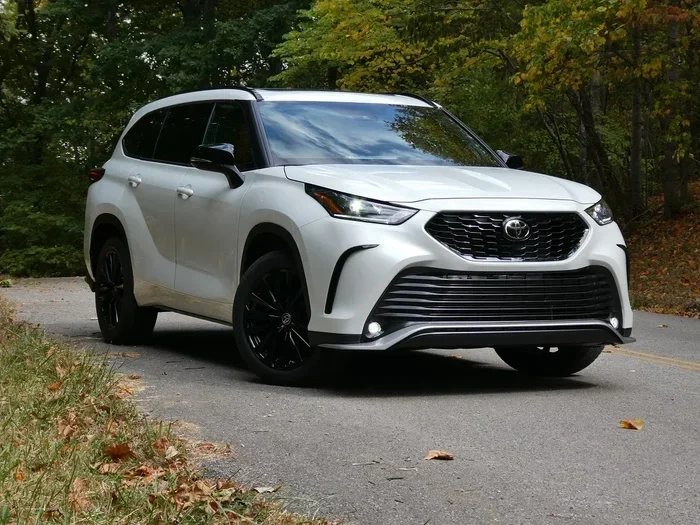
- Fourth Generation (2020-Present): The newest models are built to last, with advanced systems that help prevent wear and tear.
Many owners ask, is 200,000 miles a lot for a Toyota Highlander? The short answer is no. That number is actually a sign that the vehicle has been well maintained. If you compare this to how many miles is too much for a cruiser, the Highlander holds its own very well. It is built for the long haul.
What Affects the Lifespan of a Toyota Highlander?
Several factors play a role in determining how long your Highlander will last. Understanding these can help you take better care of your vehicle.
Driving Habits: Aggressive driving wears out parts faster. Hard braking, rapid acceleration, and speeding put extra stress on the engine, transmission, and brakes. Smooth, steady driving helps your Highlander live longer.
Climate and Conditions: Extreme heat, cold, and salty coastal air can accelerate corrosion and wear. If you live in a harsh climate, you need to be extra vigilant with maintenance.
Maintenance History: This is the biggest factor. A Highlander that has skipped oil changes or ignored warning signs will not last as long. On the other hand, a well-documented service history can push a Highlander well past 300,000 miles.
Usage and Load: Towing heavy loads or consistently carrying full passenger loads puts more strain on the engine and suspension. If you use your Highlander for heavy-duty tasks, it may wear out faster.
Toyota Highlander Maintenance Schedule
Keeping up with the maintenance schedule is the best way to ensure your Highlander lasts a long time. Toyota has a clear service plan laid out in the owner’s manual. Following it closely pays off big time.
Routine Maintenance Tasks
Here are the key maintenance tasks you should never skip:
- Oil Changes: Change your oil every 5,000 to 7,500 miles. Synthetic oil is recommended for newer models. Clean oil keeps the engine running smoothly and prevents premature wear.
- Tire Rotations: Rotate your tires every 5,000 to 7,500 miles. This ensures even wear and extends the life of your tires.
- Brake Inspections: Have your brakes checked every 15,000 miles. Worn brake pads can damage rotors if ignored.
- Transmission Fluid: Change the transmission fluid every 60,000 miles. This keeps the transmission shifting smoothly.
- Coolant Flush: Flush the coolant system every 30,000 miles. This prevents overheating and engine damage.
Why Maintenance Matters So Much
Think of your Highlander like a human body. Regular checkups catch small problems before they become big ones. A simple oil change costs a fraction of what an engine rebuild would cost. Skipping maintenance might save a little money now, but it will cost you dearly later.
Many people wonder how long a full car diagnostic takes. The answer is usually 30 minutes to an hour. Getting regular diagnostics done can catch issues early and save you from expensive repairs down the road.
Common Toyota Highlander Problems That Affect Longevity
No vehicle is perfect. The Toyota Highlander is no exception. But knowing the common issues helps you stay ahead of them. Most of these problems are manageable if you catch them early.
Transmission Issues
Some Highlander owners report transmission hesitation or rough shifting. This is more common in older models. Regular fluid changes can prevent most transmission problems. If you notice any unusual behavior, get it checked right away.
Engine Oil Consumption
Some Highlander models burn a little more oil than expected. This is not unusual for many Toyota engines. Checking your oil level regularly and topping it off can prevent engine damage. If the consumption seems excessive, visit a mechanic to rule out leaks or worn seals.
Suspension Wear
The Highlander is a heavy SUV. Over time, the suspension components wear out. Shocks, struts, and control arms may need replacement after 100,000 miles or more. Replacing these parts on time keeps the ride smooth and safe.
Electrical Gremlins
Older Highlanders sometimes develop electrical issues. These can range from flickering lights to faulty sensors. Most electrical problems are minor and inexpensive to fix. But ignoring them can lead to bigger issues over time.
How to Extend the Life of Your Toyota Highlander
Want your Highlander to last as long as possible? Follow these proven tips from experienced owners and mechanics.
Drive Smoothly
Avoid sudden stops and hard accelerations. Smooth driving reduces stress on every component of your vehicle. It also improves fuel economy. Over time, gentle driving adds thousands of miles to your Highlander’s life.
Keep It Clean
Wash your Highlander regularly, especially in winter. Road salt and grime cause rust and corrosion. Clean the undercarriage if you live near the coast or use salted roads. A clean vehicle lasts longer.
Address Issues Immediately
Do not ignore warning lights or unusual sounds. A small problem today can become a major repair tomorrow. If something feels off, have a mechanic take a look. Early intervention saves money and prevents further damage.
Use Quality Parts and Fluids
Always use manufacturer-recommended parts and fluids. Cheap replacements might save a few dollars now but can cause problems later. OEM parts are designed specifically for your Highlander and fit perfectly.
Store It Properly
If you are not driving your Highlander for an extended period, store it properly. Keep it in a dry, covered area. Start the engine and let it run for a few minutes every week to keep the battery charged and fluids circulating. This is similar to how you would care for a vehicle that has been sitting for a while, much like how long a hybrid can sit without being driven without causing damage.
Toyota Highlander Hybrid vs. Gas Models: Which Lasts Longer?
The Toyota Highlander Hybrid has gained a lot of popularity in recent years. Many buyers wonder if the hybrid version lasts longer than the gas-only models. The answer is generally yes, for several reasons.
The hybrid system reduces strain on the gas engine. The electric motor handles much of the low-speed driving, which means the gas engine works less. This leads to less wear and tear over time. Hybrid Highlanders also tend to have better fuel economy, which means fewer trips to the gas station and less fuel system wear.
On the other hand, the hybrid system adds complexity. There are more components that could potentially fail. The hybrid battery, in particular, is a concern for some buyers. However, Toyota has improved hybrid battery reliability significantly over the years. Most hybrid batteries last the life of the vehicle with proper care.
When you compare the Toyota Highlander lifespan between hybrid and gas models, the difference is small. Both versions can easily reach 200,000 miles or more. The hybrid may even have a slight edge in longevity due to reduced engine wear.
If you are curious about the value of SUVs in general, you might also want to check how much is an SUV worth over time. Highlanders hold their value remarkably well, regardless of the powertrain.
Toyota Highlander Resale Value Over Time
One of the biggest advantages of owning a Toyota Highlander is its strong resale value. Even after 10 years, a well-maintained Highlander can fetch a good price on the used market. This is a testament to Toyota’s reputation for building long-lasting vehicles.
Several factors influence resale value:
- Mileage: Lower mileage always commands a higher price. But even high-mileage Highlanders sell well due to their reputation.
- Condition: Interior and exterior condition matter a lot. Regular cleaning and prompt repairs help maintain value.
- Service History: A complete service record builds buyer confidence. It shows that the vehicle has been well cared for.
- Model Year and Trim: Newer models and higher trims tend to hold value better.
If you plan to sell or trade in your Highlander eventually, keeping it in excellent shape is the best strategy. You can also use online tools to determine the actual cash value of a car at any point. This helps you understand what your Highlander is worth in the current market.
When you compare the Highlander’s longevity to other vehicles, it holds up very well. For instance, some people ask how many miles is too much for a used minivan or compare it to trucks like the Toyota Tacoma. The Highlander competes favorably in the used SUV market thanks to its durability and reliability.
When Should You Replace Your Toyota Highlander?
Even the best-maintained Highlander will eventually need replacement. Knowing the signs helps you make a smart decision before a breakdown leaves you stranded.
Frequent and Expensive Repairs: If repair costs start exceeding the vehicle’s value, it is time to consider a replacement. A single major repair like a transmission replacement can cost several thousand dollars.
Safety Concerns: Older vehicles may lack modern safety features. If your Highlander does not have features like automatic emergency braking or adaptive cruise control, you might want to upgrade for safety reasons.
Poor Fuel Economy: As Highlanders age, fuel efficiency can decline. If your gas costs are climbing, a newer model might save you money in the long run.
Comfort and Convenience: After 10 to 15 years, you might simply want a newer driving experience. Modern Highlanders offer much more in terms of technology and comfort.
That said, many owners keep their Highlanders for 15 years or more. The key is to stay on top of maintenance and address issues promptly. If you take good care of your Highlander, it will take good care of you.
For those wondering about the timeline from factory to driveway, it is worth noting that how long it takes to get a car after the build date can vary. But once your Highlander arrives, the real journey of keeping it running well begins.
Final Thoughts
The Toyota Highlander is one of the most dependable SUVs you can buy. With a potential lifespan of 200,000 to 300,000 miles, it offers excellent value for the money. The key to unlocking that longevity is simple: regular maintenance, smart driving habits, and prompt attention to any issues that arise.
Whether you drive the gas or hybrid version, the Highlander is built to last. It has earned its reputation through decades of proven reliability. By following the tips in this guide, you can ensure your Highlander keeps running strong for many years to come.
Take pride in your vehicle. Invest in its care. And enjoy every mile of the journey. Your Toyota Highlander is ready to go the distance with you.
Frequently Asked Questions
How many miles can a Toyota Highlander last?
A well-maintained Toyota Highlander can last between 200,000 and 300,000 miles. Some owners have pushed their Highlanders past 300,000 miles with no major issues. Regular maintenance is the key to reaching these high mileage numbers.
Is a high-mileage Toyota Highlander worth buying?
Yes, a high-mileage Highlander can be a great buy if it has been well maintained. Always get a pre-purchase inspection and review the service history. A Highlander with 150,000+ miles that has regular oil changes and timely repairs can serve you well for many more years.
What is the most common problem with the Toyota Highlander?
The most common issues include transmission hesitation, engine oil consumption, and suspension wear. These problems are manageable and often preventable with regular maintenance. Addressing small issues early can prevent them from becoming major repairs.
How often should I service my Toyota Highlander?
You should service your Highlander every 5,000 to 7,500 miles for an oil change. Other services like tire rotations, brake inspections, and fluid changes follow different intervals. Always refer to your owner’s manual for the specific schedule.
Does the Toyota Highlander Hybrid last longer than the gas version?
The hybrid version often lasts slightly longer due to reduced engine wear. The electric motor handles much of the low-speed driving, which takes stress off the gas engine. Both versions are very durable and can easily exceed 200,000 miles.
How can I improve my Toyota Highlander’s longevity?
Drive smoothly, keep up with maintenance, use quality parts, and address issues promptly. Regular washing and proper storage also help. Following these simple steps can add years to your Highlander’s life and keep it running like new.
=== CONCLUSION ===
The Toyota Highlander is a vehicle built to stand the test of time. With proper care and attention, it can easily serve you for 15 to 20 years or more. The Toyota Highlander lifespan is impressive, and it all comes down to how well you maintain it.
Stick to the maintenance schedule, drive responsibly, and never ignore warning signs. These simple habits make a huge difference. Your Highlander will reward you with years of reliable, comfortable service.
Whether you are a first-time Highlander owner or have been driving one for years, the information in this guide should help you get the most from your vehicle. Take care of your Highlander, and it will take care of you for miles to come.