Everything You Need to Know About Hidden Car Dash Cam
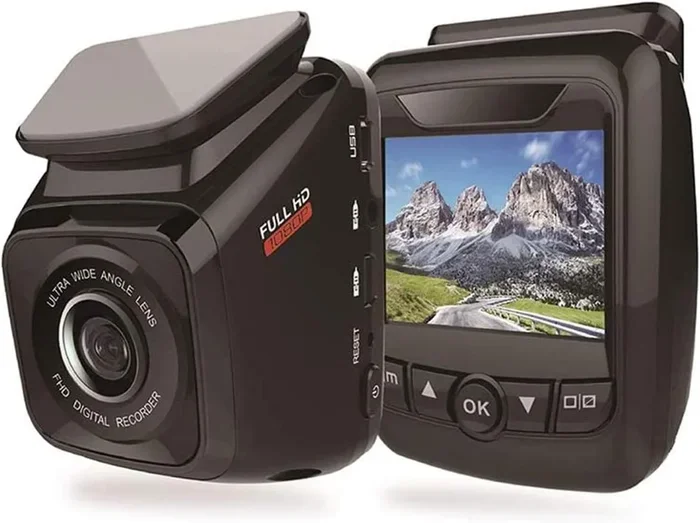
A hidden car dash cam is a discreet surveillance device that records your drives without being noticed. These compact cameras help protect you from fraud, capture accidents, and provide peace of mind while parked. Whether you choose a rearview mirror style or a mini hidden dash cam, the right device can make a huge difference in your vehicle security setup.
You have probably seen a dash cam mounted on a windshield. But what if the camera could stay completely invisible? That is exactly what a hidden car dash cam does. It records everything happening around and inside your vehicle without drawing any attention. These tiny devices are changing the way people think about road safety and vehicle protection.
More drivers are turning to covert cameras every year. Why? Because accidents happen, insurance scams are real, and parking lot dents are frustrating. A discreet dash cam gives you proof when you need it most. It acts like a silent guardian watching over your car 24 hours a day. Whether you are a daily commuter or a road trip enthusiast, a hidden dash cam can save you time, money, and stress.
The best part is that modern hidden dash cams are smaller and smarter than ever before. They come with features like GPS tracking, motion detection, and wide-angle lenses. Some even connect to your phone through an app. This means you can check your footage from anywhere. In this guide, we will cover everything you need to know about choosing, installing, and using a hidden car dash cam effectively.
Key Takeaways
- Hidden dash cams keep your footage secret: They blend into your car’s interior so thieves or scammers never know they are recording.
- Multiple types exist for every need: From mini hidden dash cams to rearview mirror styles, there is a perfect fit for any vehicle.
- Key features matter: Look for loop recording, motion detection, GPS tracking, and wide-angle lenses for the best results.
- Placement is critical: Proper installation ensures clear footage and avoids blind spots while driving.
- Know the legal rules: Privacy laws vary by location, so always check local regulations before using a covert camera in your car.
- They serve as insurance evidence: Hidden car dash cam footage can support your insurance claim after an accident or hit-and-run.
- Avoid common mistakes: Poor placement, ignoring storage limits, and forgetting to format memory cards can ruin your recording experience.
📑 Table of Contents
- What Is a Hidden Car Dash Cam and Why Do You Need One?
- How Does a Hidden Car Dash Cam Work?
- Best Types of Hidden Dash Cams for Your Vehicle
- Key Features to Look For in a Hidden Car Dash Cam
- Installation Tips and Placement Ideas
- Legal Considerations and Privacy Concerns
- Common Mistakes to Avoid
- Expert Tips for Getting the Best Footage
- How a Hidden Dash Cam Protects You on the Road
- Conclusion
What Is a Hidden Car Dash Cam and Why Do You Need One?
A hidden car dash cam is a small recording device that you hide inside your vehicle. Unlike traditional dash cams that sit on the windshield, these cameras are designed to be invisible. They blend into your car’s dashboard, rearview mirror, or even your air vents. The goal is simple — record your drives without anyone noticing.
You might wonder why you need a covert camera when your phone can record too. The answer is straightforward. A dedicated driving recorder works automatically. It starts recording when you turn the key. It never misses a moment. And it stores footage securely on a memory card or cloud service.
Here are the main reasons drivers choose a hidden dash cam:
- Insurance fraud protection: Some drivers fake accidents to get money. A covert camera catches the truth.
- Hit-and-run coverage: If someone damages your car and drives away, you have video evidence.
- Parking surveillance: Motion detection features let the camera record even when your car is parked.
- Driving behavior tracking: You can review your own driving habits and improve over time.
- Peace of mind: Knowing your vehicle is monitored makes every trip feel safer.
These devices are not just for paranoid drivers. They are for anyone who values proof and protection. A hidden car dash cam works like an insurance policy for your vehicle — you hope you never need it, but you will be glad it is there.
How Does a Hidden Car Dash Cam Work?
Understanding how a hidden dash cam works helps you choose the right one. The technology behind these devices is surprisingly simple. Most use a small lens, a sensor, and a processor to capture and store video. Let us break it down.
Recording and Storage
When you turn on your car, the hidden dash cam powers on automatically. It begins recording high-definition video to a built-in or removable memory card. Most devices support microSD cards ranging from 16GB to 128GB. A higher capacity means more hours of footage stored.
Many hidden cameras use loop recording. This means the device continuously overwrites the oldest footage when the card is full. You never have to manually delete old videos unless you want to save something important. This feature is essential for a dash cam recorder that runs all day long.
Motion Detection and Parking Mode
One of the most useful features in a covert camera is motion detection. When your car is parked and turned off, the camera goes into a standby mode. It uses a built-in sensor to detect movement or impacts. When it senses something, it wakes up and starts recording.
This parking surveillance mode is perfect for catching hit-and-run incidents or vandalism. Some advanced models even send alerts to your phone when motion is detected. This means you can monitor your vehicle from across the room or across the city.
GPS and Connectivity
Many hidden car dash cam models include GPS tracking. This records your location and speed alongside the video footage. If an accident occurs, you have exact data about where it happened and how fast you were going. Some models also offer Wi-Fi or Bluetooth connectivity, letting you transfer footage to your phone easily.
Best Types of Hidden Dash Cams for Your Vehicle
Not all covert cameras are the same. Different types serve different needs. Let us explore the most popular options for a hidden car dash cam setup.
Rearview Mirror Dash Cam
This is one of the most popular styles. The camera replaces your existing rearview mirror or sits right behind it. From the outside, it looks like a normal mirror. But inside, it houses a high-quality camera lens. These models often come with large screens for easy playback. They also tend to have better battery life and more features than smaller options.
Mini Hidden Dash Cam
A mini hidden dash cam is tiny. Some are smaller than a golf ball. You can place them in a sun visor, inside a plush toy, or behind a dashboard trim piece. Their small size makes them incredibly hard to spot. However, they may have smaller lenses and fewer extra features. They are ideal for drivers who want pure discretion.
Air Vent Mount Dash Cam
This type clips onto your car’s air vent. It stays hidden in plain sight because most people do not look at air vents when they think about cameras. These models are easy to install and remove. They work well in smaller vehicles where dashboard space is limited.
USB Charger Dash Cam
Some hidden cameras disguise themselves as phone chargers or USB adapters. You plug them into your car’s cigarette lighter or USB port. They look like any other charging device. This is one of the most clever ways to keep a covert camera in your car without raising suspicion.
| Type | Best For | Visibility Level | Extra Features |
|---|---|---|---|
| Rearview Mirror | Full-featured recording | Low (looks like normal mirror) | Large screen, GPS, Wi-Fi |
| Mini Hidden Cam | Maximum discretion | Very low (tiny size) | Basic recording, motion detection |
| Air Vent Mount | Small vehicles | Low (blends with vents) | Easy install, compact design |
| USB Charger Cam | Seamless disguise | Very low (looks like charger) | Charging function, portability |
Key Features to Look For in a Hidden Car Dash Cam
Not every hidden dash cam offers the same quality. Before you buy, check for these essential features that make a real difference.
Video Quality
The whole point of a dash cam recorder is to capture clear footage. Look for at least 1080p Full HD resolution. Some premium models offer 4K video. Higher resolution means better detail when you need to read license plates or identify faces. Night vision capability is also crucial since many incidents happen after dark.
Field of View
A wide-angle lens captures more of the road. Most hidden dash cams offer a field of view between 120 and 170 degrees. A wider angle shows more of the scene, but too wide can cause distortion. Aim for around 130 to 150 degrees for the best balance of coverage and clarity.
Loop Recording
This feature automatically overwrites old footage when the memory card is full. It ensures your vehicle security camera never stops recording. Without loop recording, you would need to manually manage your files constantly. It is a must-have for any hidden car dash cam.
G-Sensor and Impact Detection
A G-sensor detects sudden movement or collisions. When it senses an impact, it locks the current video file so it cannot be overwritten. This is incredibly helpful after an accident. You do not want your only piece of evidence to be erased by loop recording.
Memory Card and Storage
Most hidden dash cams use microSD cards. Choose a card with at least 32GB of storage for reliable coverage. High-endurance cards designed for surveillance cameras work best because they handle constant write cycles better than regular SD cards. Format your card regularly to keep the device running smoothly.
App Connectivity
Modern covert camera models often connect to a smartphone app. Through Wi-Fi or Bluetooth, you can view live footage, download recordings, and adjust settings. This feature adds tremendous convenience. You can quickly share footage with your insurance company right from your phone.
Installation Tips and Placement Ideas
Proper installation makes all the difference with a hidden car dash cam. A well-placed camera captures clear footage and stays completely out of sight. Here are practical tips to get the best results.
Choose the Right Spot
The best placement depends on your camera type and vehicle. For a rearview mirror style, mount it behind the existing mirror where it has a clear view of the windshield. For a mini cam, consider placing it on the dashboard behind a small object like a decorative figurine or a folded cloth.
Avoid placing the camera where direct sunlight hits the lens. This causes glare and washes out your footage. Also, make sure the camera does not block your view of the road. Safety always comes first with any driving recorder setup.
Angle the Lens Correctly
Your camera should point through the windshield to capture the road ahead. Tilt it slightly downward to include the front bumper in the frame. This gives you a complete view of what is happening directly in front of your car. For interior coverage, angle the lens toward the rear seats or the passenger side window.
Hide the Wires
Wires are the easiest giveaway of a hidden camera. Route them along the headliner trim or behind the dashboard panel. Use cable clips to keep them secure and out of sight. Many modern hidden dash cam models are wireless or have very short cables, making this step much easier.
Test Before Driving
After installation, record a test video and play it back. Check for clarity, framing, and audio quality. Make sure the lens is not obstructed by any objects. A quick test ensures your hidden car dash cam is ready to protect you from day one.
Legal Considerations and Privacy Concerns
Using a hidden car dash cam comes with legal responsibilities. The rules vary depending on where you live, and ignoring them can lead to serious consequences. Let us go over what you need to know.
Recording in Public vs. Private Spaces
In most places, recording in public spaces like roads and parking lots is legal. However, recording inside your car when passengers are present raises privacy questions. Some states and countries require consent from all passengers before recording audio. Always check your local laws before using the audio recording feature of your dash cam recorder.
Using Footage as Evidence
Hidden dash cam footage can be powerful evidence for insurance claims and legal proceedings. However, courts may question the legality of how the footage was obtained. If the recording was made in violation of privacy laws, it might not be admissible. Keep your usage within legal boundaries to ensure your footage holds up when you need it most.
Posting Footage Online
Many people share dash cam footage on social media. If your video captures other people’s faces or license plates, be cautious. Blurring identifiable information protects you and others. Respecting privacy shows responsible use of your vehicle security camera.
Common Mistakes to Avoid
Even the best hidden car dash cam can fail if you make avoidable mistakes. Here are the most common errors drivers make and how to prevent them.
- Choosing the wrong placement: Hiding the camera in a spot with a blocked view means you capture nothing useful. Always test the angle before finalizing the position.
- Ignoring storage management: A full memory card stops recording. Check your storage regularly and transfer important files to your phone or computer.
- Forgetting to format the SD card: A cluttered card slows down the device and causes errors. Format the card in the camera every few weeks for best performance.
- Using a cheap memory card: Low-quality cards fail under constant recording. Invest in a high-endurance microSD card rated for surveillance use.
- Neglecting firmware updates: Manufacturers release updates that improve performance and fix bugs. Check for updates through the companion app regularly.
- Recording audio without consent: In many regions, recording conversations without permission is illegal. Turn off audio recording if your local laws require it.
Expert Tips for Getting the Best Footage
Want to squeeze every bit of performance from your hidden dash cam? These expert tips help you get the clearest and most useful recordings possible.
First, clean your camera lens weekly. Dust and fingerprints blur your footage more than you would expect. A quick wipe with a microfiber cloth makes a huge difference. Second, set your resolution to the highest setting your card can handle. 1080p or 4K footage gives you detail you will thank yourself for later. Third, enable motion detection and parking surveillance mode. This ensures your camera stays active even when you are not around.
Fourth, position the camera away from air conditioning vents. Condensation can fog the lens and ruin your recordings. Fifth, label your saved footage files with dates. When you need to submit a file to your insurance company, finding it quickly saves valuable time. Finally, consider a hidden car dash cam with cloud backup. This adds an extra layer of protection so your evidence is never lost, even if the camera is stolen.
How a Hidden Dash Cam Protects You on the Road
A hidden car dash cam does more than just record video. It actively protects you in several real-world situations. From scam attempts to natural disasters, the footage it captures can be invaluable.
Imagine you are parked in a grocery store lot. Someone backs into your car and drives away without leaving a note. Without a covert camera, you would have no proof. With one, you have clear video showing the license plate, the driver, and the time of the incident. Your insurance claim moves forward smoothly because you have solid evidence.
Another common scenario involves chain-reaction accidents. If another driver rear-ends you and then blames you for sudden braking, your dash cam recorder provides the truth. Insurance adjusters rely on video evidence to settle disputes quickly. A hidden camera ensures the other driver cannot deny what happened.
Even on long road trips, a hidden dash cam proves useful. It captures scenic drives, documents your journey, and provides an extra set of eyes on the road. Some drivers use their footage to review driving techniques and become safer behind the wheel.
The bottom line is simple. A hidden car dash cam is one of the smartest investments you can make for your vehicle. It costs a fraction of what a single insurance deductible might cost, yet it provides protection that lasts for years.
Conclusion
A hidden car dash cam is one of the most practical tools any driver can own. It protects you from fraud, captures accidents, and provides peace of mind every time you hit the road. From choosing the right type to installing it properly and understanding the legal rules, this guide has covered everything you need to know.
Remember to look for features like high video quality, wide-angle lenses, loop recording, and GPS tracking. Avoid common mistakes like poor placement and cheap memory cards. And always stay aware of your local privacy laws. With the right hidden dash cam setup, you drive with confidence knowing your vehicle is always being watched over.
Take action today. Research the best models, pick the one that fits your vehicle and budget, and start recording your journeys with a reliable hidden car dash cam. Your future self will thank you when you have the proof you need most.
Frequently Asked Questions
Is a hidden car dash cam legal to use?
In most regions, using a hidden dash cam in your own vehicle is legal. However, laws about recording audio and filming passengers vary by location. Always check your local privacy and surveillance regulations before using the audio recording feature or sharing footage publicly.
How long can a hidden dash cam record continuously?
Recording time depends on your memory card size and video quality. A 32GB card with 1080p recording typically captures 4 to 8 hours of footage. With loop recording enabled, the device continuously overwrites old footage, so it can run indefinitely while you drive.
Can a hidden dash cam record while my car is parked?
Yes, many models include a parking surveillance mode with motion detection. When your car is off, the camera stays in standby and starts recording when it detects movement or impact. Some models need a hardwired power connection to function in parking mode.
What is the best placement for a hidden dash cam?
The best spot depends on your camera type. Rearview mirror styles go behind the existing mirror. Mini cameras work well on the dashboard behind a small object. Always ensure the lens has a clear, unobstructed view of the road and does not block your driving visibility.
Do hidden dash cams work at night?
Most quality hidden dash cams include night vision or enhanced low-light sensors. Look for a model with a large sensor and wide aperture for the best nighttime performance. Night footage quality varies by model, so check reviews before purchasing.
Can I use a hidden dash cam footage for an insurance claim?
Yes, dash cam footage is widely accepted as evidence by insurance companies. Clear, timestamped video showing the incident helps adjusters process your claim faster. Make sure to save and back up the footage promptly after any incident for the best results.