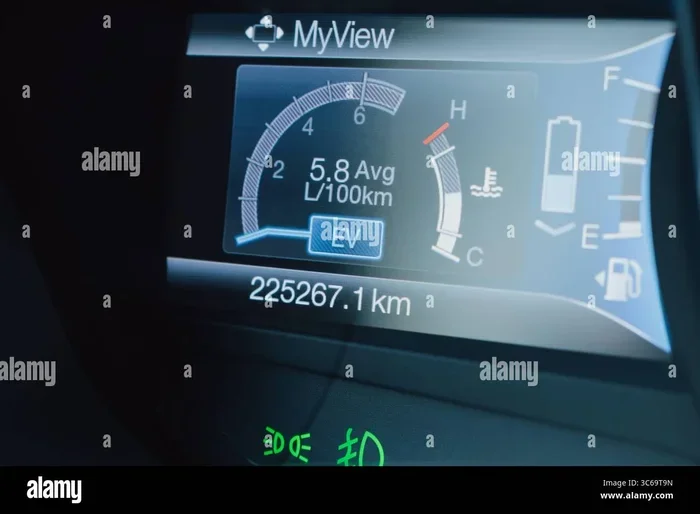
Does Charge Mode Use More Gas Than You Might Think
Charge mode on hybrid vehicles does use more gas than standard hybrid driving, because the gas engine works harder to keep the battery charged. Understanding when and how to use charge mode can help you avoid wasting fuel and get the best of both electric and gas power.
You have a hybrid car. You see a button or setting called charge mode. You press it. But then a question hits you. Does charge mode use more gas? The short answer is yes. But the full story is more interesting than that.
Many hybrid owners wonder about this every day. They want to save gas. They want to go green. But they also want the power and range a gas engine gives them. Charge mode sits right in the middle of that debate. And understanding how it works can change the way you drive forever.
In this article, we will break down everything you need to know. We will look at how charge mode works under the hood. We will compare it to normal hybrid driving. And we will give you real tips to keep your fuel costs low. By the end, you will know exactly when to use charge mode and when to leave it off.
Key Takeaways
- Charge mode uses extra gas because the engine burns fuel to recharge the battery.
- Normal hybrid mode is more fuel-efficient since it relies on regenerative braking and electric assist.
- Charge mode is useful for short trips where you want full electric power available.
- Driving habits matter a lot when it comes to how much gas charge mode actually uses.
- Plug-in hybrids offer more flexibility because you can charge from an outlet instead of burning gas.
- Expert tip: Use charge mode only when you need it, and switch back to normal mode for daily driving.
- Monitoring your fuel economy helps you see the real impact of charge mode on your gas mileage.
📑 Table of Contents
- What Is Charge Mode on a Hybrid Car?
- How Does Charge Mode Affect Fuel Consumption?
- Charge Mode vs Normal Hybrid Mode: What Is the Difference?
- When Should You Use Charge Mode?
- Common Myths About Charge Mode and Gas Usage
- Expert Tips to Optimize Fuel Economy with Charge Mode
- Key Takeaways
- Frequently Asked Questions
- Conclusion
What Is Charge Mode on a Hybrid Car?
Charge mode is a setting found on many hybrid vehicles. When you turn it on, the car uses the gas engine to charge the hybrid battery. This is different from normal hybrid mode. In normal mode, the car uses regenerative braking and electric assist to keep the battery topped off. Charge mode forces the engine to work harder. It burns more fuel to put energy back into the battery pack.
Think of it like this. Your hybrid car has two hearts. One runs on electricity. One runs on gasoline. Normally, they work together smoothly. The electric motor handles low-speed driving. The gas engine kicks in when you need more power. Regenerative braking captures energy when you slow down. It sends that energy back to the battery. This is how most hybrid drivers get great fuel economy.
Charge mode changes that balance. It tells the car to prioritize keeping the battery at a high charge level. The gas engine runs more often. It uses more fuel to do this. Some drivers call this charge sustain mode. Others simply call it charge mode. Either way, the result is the same. More gas gets used.
How Does Charge Mode Work Under the Hood?
When you switch to charge mode, the car’s computer changes its priorities. Instead of trying to maximize electric driving, it focuses on keeping the battery full. The gas engine runs more frequently. It sends power to the wheels. It also sends power to the generator. The generator converts that mechanical energy into electricity. That electricity flows into the battery.
This process is called engine load charging. The engine works harder than it would in normal mode. It burns more fuel per mile. The extra fuel energy gets stored in the battery as electricity. You can then use that stored electricity to power the electric motor later.
Not all hybrids work the same way. Some plug-in hybrids let you charge from a wall outlet. These cars do not need charge mode as much. You can plug them in at home. They start each morning with a full battery. But traditional hybrids that cannot plug in rely on charge mode to keep the battery ready for electric-only driving.
How Does Charge Mode Affect Fuel Consumption?
This is the big question. And the answer depends on how you drive. Charge mode does use more gas than normal hybrid mode. But how much more? That varies based on several factors.
First, let us look at the numbers. In standard hybrid mode, a typical hybrid car gets around 45 to 55 miles per gallon. That is a great number. It shows how efficient these vehicles can be. When you switch to charge mode, that number drops. Many drivers see a drop of 10 to 20 mpg. Some see even bigger drops depending on their driving style.
The reason is simple. The gas engine runs more often in charge mode. It burns fuel that would otherwise be saved. In normal mode, the electric motor handles a lot of the work at low speeds. In charge mode, the gas engine takes over more often. It works harder to keep the battery charged.
Factors That Change How Much Gas Charge Mode Uses
Several things affect how much extra gas charge mode burns. Here are the main factors:
- Driving speed: Highway driving uses more gas in charge mode than city driving.
- Battery size: Larger batteries need more energy to charge. That means more gas burned.
- Driving habits: Aggressive driving with rapid acceleration burns gas faster in any mode.
- Terrain: Hilly roads make the engine work harder. Charge mode uses even more gas on mountains.
- Temperature: Cold weather reduces battery efficiency. The engine compensates by burning more fuel.
- Electric motor assist usage: If you use a lot of electric power, the battery drains faster. The engine then burns more gas to recharge it.
Each of these factors plays a role. But the biggest one is your driving habits. If you drive smoothly and steadily, charge mode will not hurt your fuel economy as much. If you drive aggressively, the gas penalty is much higher.
Charge Mode vs Normal Hybrid Mode: What Is the Difference?
Let us compare these two modes side by side. This makes it easy to see the real differences.
| Feature | Normal Hybrid Mode | Charge Mode |
|---|---|---|
| Battery Charging Method | Regenerative braking and engine surplus | Engine burns gas to charge battery |
| Fuel Economy | Higher mpg, typically 45-55 | Lower mpg, often 30-45 |
| Electric-Only Driving | Limited by battery charge from braking | More electric power available since battery stays full |
| Engine Load | Light and efficient | Heavier, engine works harder |
| Best For | Daily commuting and long trips | Short trips where electric power is needed |
| Gas Engine Usage | Minimal at low speeds | Frequent, even at low speeds |
| Battery Depletion | Battery stays at moderate charge | Battery stays near full charge |
The table shows the clear trade-off. Normal hybrid mode saves gas. Charge mode gives you more electric power when you need it. The question is whether that extra electric power is worth the extra gas cost.
For most daily drivers, normal hybrid mode is the better choice. You get excellent fuel economy. You still get electric motor assist when you need it. The battery stays healthy. And you save money at the pump.
Charge mode makes more sense in specific situations. We will talk about those situations next.
When Should You Use Charge Mode?
Charge mode is not always a bad thing. In fact, it can be very useful in the right situation. The key is knowing when to use it and when to leave it off.
Situations Where Charge Mode Makes Sense
Here are some times when turning on charge mode is a smart choice:
- Short trips in electric-heavy areas: If you drive through a neighborhood with speed limits under 30 mph, charge mode keeps the battery full. That means more electric-only driving. Less gas engine noise. A smoother ride.
- Coming up to a toll road or bridge: Some toll roads have electric-only zones. Charge mode ensures your battery is full when you enter those zones.
- Cold mornings: In winter, the gas engine warms up faster when the battery is already full. This can reduce engine wear in some vehicles.
- Driving up a long hill: Some drivers use charge mode before a steep climb. The full battery gives the electric motor extra power. It helps the car climb without straining the gas engine as much.
- Getting home and needing electric power: If you have a short final stretch of your commute in an area where electric driving is preferred, charge mode ensures you have enough battery.
Situations Where You Should Avoid Charge Mode
On the other hand, there are times when charge mode will just waste gas. Avoid it in these situations:
- Long highway trips: On the highway, the gas engine is already doing most of the work. Charge mode just adds more load. Your fuel economy drops significantly.
- Daily commuting in normal traffic: Normal hybrid mode handles this perfectly well. You get regenerative braking charging the battery naturally.
- When you are low on gas: Using charge mode when your fuel tank is nearly empty is a bad idea. You will burn through your remaining gas faster.
- When fuel prices are high: If gas costs a lot, every extra gallon matters. Turn off charge mode to save money.
The best approach is to think ahead. Before you start driving, ask yourself what kind of trip this is. Do I need full electric power? Or do I need maximum fuel economy? Your answer tells you whether to use charge mode.
Common Myths About Charge Mode and Gas Usage
There are many myths floating around about charge mode. Let us clear up the most common ones.
Myth 1: Charge Mode Ruins Your Hybrid Battery
This is not true. Charge mode does not damage your hybrid battery. Modern hybrid batteries are designed to handle thousands of charge cycles. Keeping the battery at a higher charge level through charge mode is perfectly safe. In fact, some experts say keeping the battery from draining too low can actually extend its lifespan.
Myth 2: Charge Mode Always Uses More Gas Than Standard Mode
This is mostly true, but the difference depends on how you drive. If you use charge mode on a short trip where you drive mostly on electric power, the gas penalty is small. The engine runs to keep the battery full, but you use that stored electricity instead of gas. The net fuel use can be reasonable.
However, if you use charge mode on a long highway trip, the gas penalty is large. The engine burns fuel to charge the battery. Then the electric motor uses that stored energy. You end up using more gas overall than you would in normal mode.
Myth 3: Plug-In Hybrids Do Not Need Charge Mode
Plug-in hybrids can charge from an outlet. This is true. But charge mode still serves a purpose for plug-in hybrids. If you forget to plug in overnight, charge mode lets you use the gas engine to keep the battery ready for electric driving. It is a backup plan that keeps your hybrid flexible.
Myth 4: Charge Mode Is the Same as ECO Mode
These are very different. ECO mode reduces engine power to save fuel. It limits acceleration. It makes the car drive more gently. Charge mode does the opposite. It tells the engine to work harder. It prioritizes battery charge over fuel savings. They serve completely different purposes.
Expert Tips to Optimize Fuel Economy with Charge Mode
You do not have to choose between charge mode and fuel savings. You can use both wisely. Here are expert tips to help you get the best of both worlds.
1. Monitor Your Fuel Economy in Real Time
Most hybrid cars have a display that shows your current fuel economy. Watch it. When charge mode is on, you will see the numbers drop. When you switch back to normal mode, the numbers climb back up. This real-time feedback helps you understand the cost of charge mode in real time.
2. Use Charge Mode Strategically
Do not leave charge mode on all the time. Turn it on only when you need full electric power. Turn it off for the rest of your drive. This simple habit can save you a surprising amount of gas over time.
3. Combine Charge Mode with Smooth Driving
Smooth driving reduces engine load. When you use charge mode with gentle acceleration and steady speeds, the gas penalty is smaller. Aggressive driving in charge mode is the worst combination. It burns gas fast.
4. Keep Your Tires Properly Inflated
This sounds simple, but it makes a big difference. Properly inflated tires reduce rolling resistance. The engine does not have to work as hard. This helps offset the extra fuel use from charge mode.
5. Plan Your Trips Around Charge Opportunities
If you drive a plug-in hybrid, plan your charging routine. Charge at home overnight. Then use charge mode sparingly during the day. This way, you start with a full battery from the outlet. You rarely need the gas engine to charge the battery.
6. Keep Your Hybrid Battery Healthy
A healthy battery charges and discharges more efficiently. Follow your manufacturer’s maintenance schedule. Avoid letting the battery drain completely. A well-maintained battery helps your car use less gas in all modes.
Key Takeaways
- Charge mode uses extra gas because the engine burns fuel to recharge the battery.
- Normal hybrid mode is more fuel-efficient since it relies on regenerative braking and electric assist.
- Charge mode is useful for short trips where you want full electric power available.
- Driving habits matter a lot when it comes to how much gas charge mode actually uses.
- Plug-in hybrids offer more flexibility because you can charge from an outlet instead of burning gas.
- Expert tip: Use charge mode only when you need it, and switch back to normal mode for daily driving.
- Monitoring your fuel economy helps you see the real impact of charge mode on your gas mileage.
Frequently Asked Questions
Does charge mode use more gas than normal hybrid mode?
Yes, charge mode uses more gas than normal hybrid mode. The gas engine runs more often to keep the battery charged. This increases fuel consumption by about 10 to 20 percent in most cases. However, the exact difference depends on your driving style and road conditions.
Can I leave charge mode on all the time?
You can, but you should not. Leaving charge mode on all the time will reduce your fuel economy significantly. It is best to use charge mode only when you need full electric power for a short stretch of your drive. Switch back to normal mode for the rest.
Does charge mode damage the hybrid battery?
No, charge mode does not damage the hybrid battery. Modern hybrid batteries are built to handle frequent charging cycles. In fact, keeping the battery from draining too low may help extend its overall lifespan. Your battery will last for many years with normal use.
Is charge mode the same as regenerative braking?
No, they are very different. Regenerative braking captures energy when you slow down. It uses that energy to recharge the battery without burning gas. Charge mode uses the gas engine to generate electricity. It burns fuel to keep the battery charged.
Should I use charge mode for highway driving?
Generally, no. Highway driving already relies heavily on the gas engine. Using charge mode on the highway adds extra engine load. This reduces your fuel economy even more. Normal hybrid mode is much better for highway driving.
How can I save gas while still using charge mode?
Use charge mode only for short bursts. Turn it on before you enter a zone where electric driving helps. Turn it off once you are past that zone. Combine charge mode with smooth, steady driving. Keep your tires properly inflated. These habits reduce the fuel penalty of charge mode.
Conclusion
So does charge mode use more gas? The answer is clear. Yes, it does. Charge mode makes the gas engine work harder. It burns more fuel to keep the hybrid battery at a high charge level. For drivers who want maximum fuel economy, normal hybrid mode is the better choice every day.
But charge mode is not without its uses. It gives you full electric power when you need it. It can make your driving smoother in certain situations. The key is using it wisely. Use charge mode strategically. Turn it off when you do not need it. And always pay attention to your fuel economy numbers.
Your hybrid car is a smart machine. It gives you options. Charge mode is one of those options. Now you know exactly what it does and what it costs. Use that knowledge to drive smarter. Save gas where you can. Enjoy the electric power when it matters most.
The road ahead is yours. Drive it well. And remember, every choice you make behind the wheel affects your fuel costs. Charge mode is a tool. Use it right, and it serves you well. Use it carelessly, and it drains your wallet. The power is in your hands.