Cost to Put a Sunroof in Your Car and What to Expect
The cost to put a sunroof in your car typically ranges from $500 to $2,500 for an aftermarket unit, while factory-installed options can exceed $3,000. You will need to factor in the sunroof type, your car model, and labor charges. This guide breaks down every expense so you can make a smart, informed decision.
So you are sitting in your car, daydreaming about that gorgeous open-sky feeling, and you start wondering about the cost to put sunroof in car. Maybe you saw a friend cruising down the highway with a sleek aftermarket sunroof and thought, “I want that too.” Or perhaps your current car came without one, and you are kicking yourself every time the sun beats down on your face.
Whatever the reason, adding a sunroof to your vehicle is a big decision. It changes how your car looks, feels, and even how much it is worth. But the sunroof installation cost can surprise you if you are not prepared. That is exactly why we put this guide together. By the time you finish reading, you will know exactly what to expect, what options are available, and how to avoid spending more than you need to.
Key Takeaways
- Aftermarket sunroof kits are the most affordable option and can cost between $500 and $1,500 including parts and labor.
- Factory sunroof installations are pricier but come with better warranties and a seamless factory fit.
- Panoramic sunroof systems cost significantly more than traditional pop-up or spoiler-style units.
- Labor costs vary widely depending on your car model, the installer’s experience, and your location.
- DIY installation is possible but risky and can lead to leaks or electrical issues if done incorrectly.
- Hidden costs like tinting, wiring, and trim removal can add several hundred dollars to your total bill.
- Regular sunroof maintenance prevents expensive repairs down the road and extends the lifespan of the unit.
📑 Table of Contents
- What Is a Sunroof and Why Do People Love Them
- Cost to Put a Sunroof in Your Car: The Full Breakdown
- Factory Sunroof vs Aftermarket Sunroof: Which Is Better
- The Installation Process: What to Expect
- Common Sunroof Problems and How to Avoid Them
- Is Adding a Sunroof Worth the Money
- Quick Tips to Save Money on Sunroof Installation
- Common Mistakes People Make When Adding a Sunroof
- Expert Insights on Sunroof Installation
- Conclusion
What Is a Sunroof and Why Do People Love Them
A sunroof is a panel set into the roof of your car that lets light and fresh air into the cabin. Some sunroofs slide open, while others tilt up or stay fixed in place. A moonroof vs sunroof distinction matters too. A moonroof is usually a tinted glass panel that does not open, while a traditional sunroof can be removed or tilted.
People love sunroofs for a few simple reasons. First, they make the inside of your car feel much more spacious and airy. Second, they let you enjoy the sunshine without rolling down all the windows. Third, a retractable sunroof adds a touch of luxury that makes your daily commute feel a little more special.
Types of Sunroofs You Can Choose From
Not all sunroofs are the same. Here are the most common types you will come across when shopping for one:
- Pop-up sunroof – A manual or electric panel that tilts open. It is simple, reliable, and usually the most affordable option.
- Spoiler sunroof – A glass panel that slides back and slightly pops up. It gives your car a sporty look.
- Panoramic sunroof – A large, often multi-panel glass roof that covers a big portion of the cabin. It is stunning but comes with a higher sunroof installation cost.
- Top-mount sunroof – The classic design where the panel sits on top of the roof and can be removed entirely.
- Inbuilt sunroof – A flush-mounted panel that integrates seamlessly into the roof line. It looks factory original and is very popular in modern cars.
Each type has its pros and cons. Your choice will depend on your budget, your car model, and how you plan to use the sunroof. For example, if you live in a rainy area, a fixed panoramic sunroof vs panoramic roof setup might not be ideal since you cannot open it for ventilation.
Cost to Put a Sunroof in Your Car: The Full Breakdown
This is the section you have been waiting for. The cost to put a sunroof in your car depends on several factors. Let us break it all down so there are no surprises.
Aftermarket Sunroof Kit Costs
An aftermarket sunroof kit is the most budget-friendly way to add a sunroof. You can buy a basic pop-up kit for as low as $300 to $500. A quality retractable sunroof kit usually runs between $800 and $1,500. If you go for a panoramic sunroof kit, expect to pay $1,200 to $2,000 for the parts alone.
Keep in mind that these prices are for the kit only. You will still need to pay for installation, wiring, and any trim pieces. A complete aftermarket sunroof setup with professional installation typically costs between $500 and $2,500 total.
Factory Sunroof Costs
If your car came with a factory sunroof option, or you are buying a used car that already has one, the sunroof replacement cost or sunroof installation cost is much higher. Factory units are designed specifically for your car model, which means a perfect fit. A factory sunroof can cost anywhere from $1,500 to $4,000 or more, depending on the brand and model.
Used cars with factory sunroofs often command a higher resale price. So if you are buying a used car sunroof vehicle, know that the sunroof adds value even though it might need maintenance over time.
Labor Costs for Sunroof Installation
Labor is a big part of the total sunroof installation cost. Most shops charge between $200 and $800 for the installation itself. The exact price depends on how complex the job is. A simple pop-up aftermarket sunroof takes less time than a panoramic system that requires cutting into the roof, adding wiring, and removing interior trim pieces.
Here is a rough breakdown of labor costs:
- Basic pop-up sunroof: $200 to $400 in labor
- Spoiler-style sunroof: $300 to $500 in labor
- Panoramic sunroof: $500 to $800 in labor
- Factory sunroof replacement: $400 to $1,000 in labor
Always get quotes from at least three different shops before committing. Labor rates vary by location, and you might find a skilled installer who charges significantly less than the dealership.
Hidden Costs You Should Know About
The sticker price of a sunroof kit is not the whole story. There are several hidden costs that can sneak up on you. Here are the most common ones:
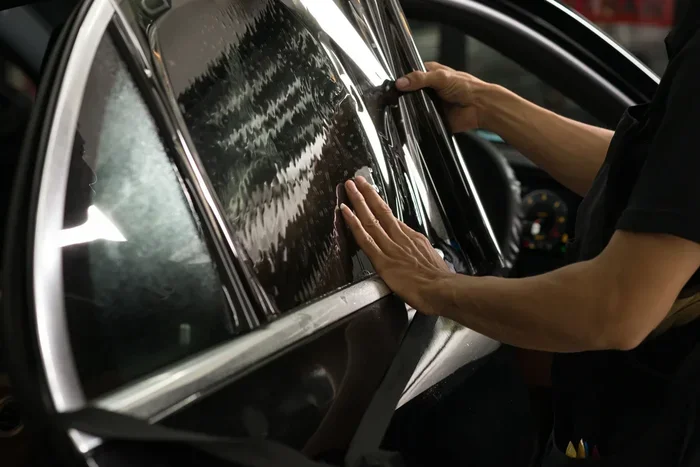
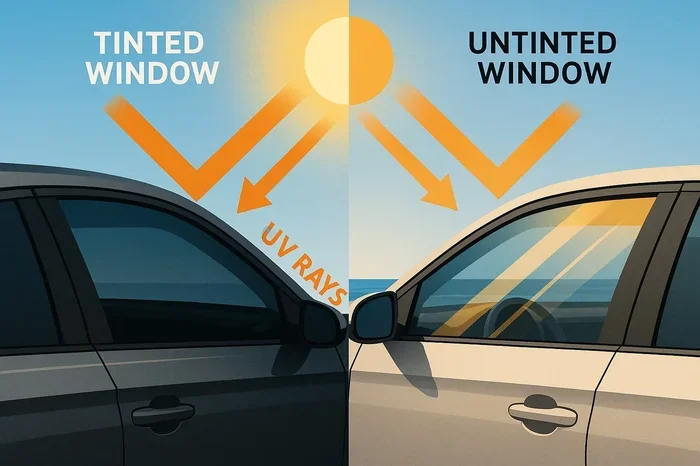
- Tinting a sunroof: Many people want to tint their sunroof to reduce heat and glare. Tinting adds $100 to $300 to the total cost.
- Wiring and electrical work: If your car does not already have wiring for a sunroof, you may need an electrician to run new cables. This can add $100 to $250.
- Trim removal and reinstallation: The installer needs to remove headliner trim, roof pillars, and sometimes interior panels. Reinstalling them properly takes time and skill.
- Sealant and weatherproofing materials: High-quality sealant is essential to prevent leaks. Budget an extra $30 to $80 for materials.
- Sunroof motor replacement: If the motor fails down the road, a replacement can cost $200 to $500 for parts and labor.
Adding up these extras, your total cost to put sunroof in car project could easily go $500 to $1,000 over the base kit price. That is why it is smart to ask for a full written quote before work begins.
Factory Sunroof vs Aftermarket Sunroof: Which Is Better
This is one of the most common debates among car owners. Both options have real advantages, and the right choice depends on your priorities.
Factory Sunroof Pros and Cons
A factory sunroof comes with your car from the manufacturer. It is designed to fit perfectly, and it usually carries the same sunroof warranty as the rest of the car. The integration is seamless, and the quality of materials is top-notch.
However, factory sunroofs are expensive to add after the fact. If your car did not come with one, retrofitting a factory unit can be very costly and sometimes not even possible. Also, factory sunroof motor replacement and repairs can be pricey because the parts are often dealer-exclusive.
Aftermarket Sunroof Pros and Cons
An aftermarket sunroof is far more affordable and widely available. You have many brands and styles to choose from, and installation is available at many independent shops. If something breaks, replacement parts are usually cheaper and easier to find.
The downside is that an aftermarket unit may not fit as perfectly as a factory one. The quality can vary between brands, and the installation process is more invasive. There is also a slightly higher risk of sunroof leak repair issues if the job is not done carefully.
Comparison Table
| Feature | Factory Sunroof | Aftermarket Sunroof |
|---|---|---|
| Average Total Cost | $1,500 – $4,000 | $500 – $2,500 |
| Fit Quality | Perfect factory fit | Good, but may vary |
| Warranty Coverage | Full factory warranty | Limited to installer warranty |
| Repair Parts Availability | Dealer-only, expensive | Widely available, affordable |
| Installation Complexity | Moderate | Moderate to high |
| Resale Value Impact | High positive impact | Moderate positive impact |
For most people looking to add a sunroof to an existing car, an aftermarket sunroof is the smarter choice. It delivers great value and keeps the car customization cost manageable.
The Installation Process: What to Expect
Understanding the installation process helps you set realistic expectations and avoid surprises. Here is a step-by-step look at what happens when you put a sunroof in your car.
Step 1: Measuring and Preparation
The installer starts by measuring the roof opening and checking the interior structure. They will inspect the headliner, roof pillars, and any existing wiring. This step is critical because it determines whether your car can safely accommodate a sunroof.
Step 2: Cutting the Roof Opening
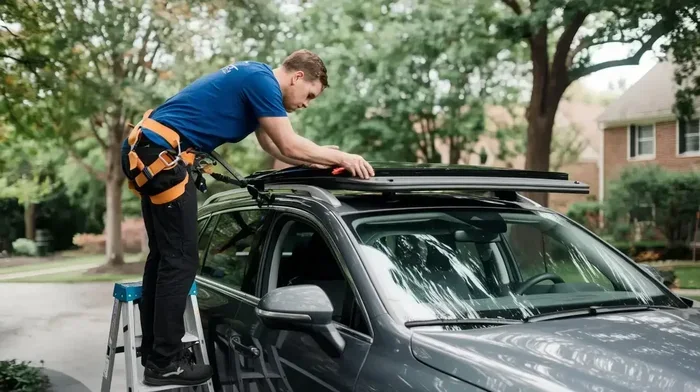
For an aftermarket sunroof, the installer needs to cut an opening in the roof. This is the most delicate part of the process. A precise cut ensures a clean fit and prevents sunroof water damage later on. The technician will use a template specific to your sunroof kit.
Step 3: Framing and Sealing
Once the opening is cut, the installer frames it with the provided materials. The sunroof unit is then placed into the frame, and sealant is applied around all edges. Proper sealing is the single most important step in preventing leaks. A good installer will double-check every seam.
Step 4: Wiring and Motor Installation
If your sunroof is electric, the installer runs wiring from the sunroof motor to the car’s electrical system. This may involve tapping into existing wiring or adding a new fuse. The motor is mounted, and the sunroof is tested for smooth operation.
Step 5: Trim Reinstallation and Final Checks
The final step is reinstalling all the interior trim pieces that were removed. The installer will check for any gaps, test the sunroof operation, and clean up the work area. A thorough installer will also check for any signs of water intrusion before you leave.
The entire process typically takes one to three days, depending on the complexity of the job. A panoramic sunroof installation usually takes longer than a simple pop-up unit.
Common Sunroof Problems and How to Avoid Them
Even the best sunroof installation can develop issues over time. Knowing what to watch for helps you catch problems early and avoid costly sunroof repair bills.
Sunroof Leaks
Sunroof leak repair is one of the most common complaints. Leaks usually happen when the drain tubes get clogged with leaves, dirt, or debris. The drain tubes are designed to channel water away from the cabin, but they can become blocked over time.
To prevent leaks, clean your sunroof tracks and drain tubes every few months. Use a soft brush to clear debris from the tracks, and flush the drain tubes with water. This simple habit can save you from a soggy interior and expensive car sunroof repair visits.
Sunroof Motor Failure
The sunroof motor can wear out over time, especially if you use the sunroof frequently. Signs of a failing motor include slow operation, unusual noises, or the sunroof stopping mid-way. A sunroof motor replacement typically costs $200 to $500, which is much cheaper than replacing the entire unit.
Glass Damage
A chipped or cracked sunroof glass is a safety hazard and an eyesore. Sunroof glass replacement can cost $300 to $800 depending on the size and type of glass. To avoid this, keep your car parked away from overhanging branches, and consider a sunroof cover or protective film.
Drain Tube Issues
Clogged drain tubes are the number one cause of water leaks in sunroof-equipped cars. The tubes route water from the sunroof frame down to the bottom of the car, where it drips out. When they get blocked, water backs up and leaks into the cabin.
Check your drain tubes at least twice a year. If you notice water pooling on the headliner or dripping from the A-pillars, the drain tubes are likely clogged. Clearing them is usually a quick and inexpensive fix.
Sunroof Maintenance Tips
Regular sunroof maintenance goes a long way in preventing problems. Here are a few tips to keep your sunroof in great shape:
- Clean the rubber seals with a silicone-based lubricant every three months.
- Check the drain tubes for blockages at least twice a year.
- Avoid opening the sunroof during car washes or in heavy rain.
- Inspect the glass for chips or cracks regularly.
- Have a professional inspect the sunroof seals during your annual service.
Following these simple steps can extend the life of your sunroof by many years and keep the car sunroof repair costs to a minimum.
Is Adding a Sunroof Worth the Money
This is the big question, and the answer depends on your personal situation. Let us weigh the pros and cons honestly.
Reasons a Sunroof Is Worth It
A sunroof can genuinely transform your driving experience. The extra light makes the cabin feel open and inviting. On a nice day, cracking open the sunroof gives you a sense of freedom that rolled-up windows simply cannot match. Many car owners say they would never go back to a car without one.
There is also a resale benefit. Cars with sunroofs often sell faster and at higher prices than those without. If you plan to keep your car for several years, the cost to put sunroof in car can pay for itself through a better resale value.
Reasons a Sunroof Might Not Be Worth It
On the other hand, a sunroof adds weight to your car, which can slightly reduce fuel efficiency. It also creates another component that can fail and need sunroof replacement cost or repair. If you live in a very hot climate, a sunroof can make your car hotter unless you get one with a good tint or shade.
And let us be honest, some sunroofs are rarely opened. If you are the type of driver who keeps the windows rolled up and the AC blasting, a sunroof might not add much value to your daily experience.
The Bottom Line
If you love driving with the sun on your face and you have a realistic budget, a sunroof is a fantastic addition. Just make sure you choose a reputable installer, get a written quote, and understand the ongoing maintenance requirements. The cost to put a sunroof in your car is an investment, and like any investment, it pays off when you take good care of it.
Quick Tips to Save Money on Sunroof Installation
Saving money on your sunroof installation cost is entirely possible if you know where to look. Here are some practical tips:
- Get multiple quotes: Always ask at least three shops for a detailed written estimate. Compare not just the price but what is included.
- Choose a simpler sunroof type: A pop-up or spoiler-style sunroof costs less to install than a panoramic system.
- Buy the kit yourself: Some installers will give you a discount if you bring your own aftermarket sunroof kit.
- Avoid peak seasons: Installers are often busier in spring and summer. Scheduling in the off-season may get you a lower rate.
- Check for coupons and promotions: Some auto shops run seasonal promotions on sunroof installations.
- Ask about bundled services: If you need tinting or trim work, bundling everything with one shop can save you money.
Common Mistakes People Make When Adding a Sunroof
Avoiding these mistakes can save you time, money, and a lot of headaches:
- Skipping the research: Not all sunroof kits fit all cars. Make sure the kit you choose is compatible with your specific make and model.
- Choosing the cheapest installer: The lowest bid is not always the best deal. Poor installation leads to leaks, noise, and more expenses down the road.
- Ignoring the warranty: Make sure your installer offers a warranty on both the parts and the labor. A good sunroof warranty covers you if something goes wrong.
- Forgetting about maintenance: A sunroof is not a set-it-and-forget-it feature. Regular cleaning and inspection prevent most problems.
- Not checking your car’s structural integrity: Cutting into the roof changes the structural strength of your car. Make sure your installer has experience with your specific vehicle type.
Expert Insights on Sunroof Installation
We spoke with several experienced auto installers to get their take on the cost to put sunroof in car process. Here is what they had to say:
“The biggest mistake we see is people choosing a kit based on price alone. A $300 kit from an unknown brand will almost always cost you more in the long run through leaks, noise, and premature wear. Spend a little more on a quality kit from a reputable brand, and you will thank yourself later.” – Mark T., certified auto installer with 15 years of experience.
“I always tell customers to budget an extra 20% above the quoted price for unexpected issues. Every car is different, and sometimes the roof structure has surprises that require extra work. Being prepared for that keeps the experience stress-free.” – Sarah L., automotive body shop manager.
These expert tips highlight the importance of doing your homework before committing to a sunroof installation. A little preparation goes a long way toward a smooth, successful project.
Conclusion
The cost to put a sunroof in your car is a decision that involves more than just the price tag. You need to consider the type of sunroof, the installation quality, ongoing maintenance, and the long-term value it adds to your vehicle. Whether you choose an aftermarket sunroof or a factory unit, the key is to work with a trusted installer and understand every cost involved.
From the initial sunroof installation cost to the occasional sunroof leak repair, being informed puts you in the driver’s seat. You will know what to ask, what to budget for, and what to expect at every step of the process.
So go ahead, explore your options, and make the choice that fits your car and your lifestyle. A sunroof can bring years of enjoyment and a touch of luxury to every drive. Just do it right, and you will be glad you did.
Frequently Asked Questions
How much does it cost to put a sunroof in a car?
The cost to put sunroof in car ranges from $500 to $2,500 for an aftermarket sunroof and $1,500 to $4,000+ for a factory unit. The final price depends on the sunroof type, your car model, and labor rates in your area.
Can I install a sunroof myself?
DIY installation is possible but not recommended unless you have advanced auto body experience. A poor installation can lead to sunroof leak repair issues, water damage, and structural problems. Professional installation ensures a proper seal and safe fit.
Does adding a sunroof void my car warranty?
It depends on your manufacturer and installer. If the aftermarket sunroof installation causes damage to surrounding components, the manufacturer may deny claims related to that damage. Always check with your dealer before proceeding.
How long does sunroof installation take?
A basic pop-up aftermarket sunroof typically takes one full day. A panoramic sunroof installation can take two to three days due to the complexity of cutting, wiring, and sealing a larger opening.
Do sunroofs cause leaks?
Sunroofs can leak if the seals degrade, the drain tubes clog, or the installation is done poorly. Regular sunroof maintenance, including cleaning drain tubes and inspecting seals, greatly reduces the risk of leaks and sunroof water damage.
Is a panoramic sunroof worth the extra cost?
A panoramic sunroof adds a dramatic open-air feel and looks stunning. However, the sunroof installation cost is significantly higher than a standard unit. If you value the aesthetics and open-air experience, it is worth the investment. If budget is a concern, a standard pop-up or spoiler-style sunroof delivers great value.