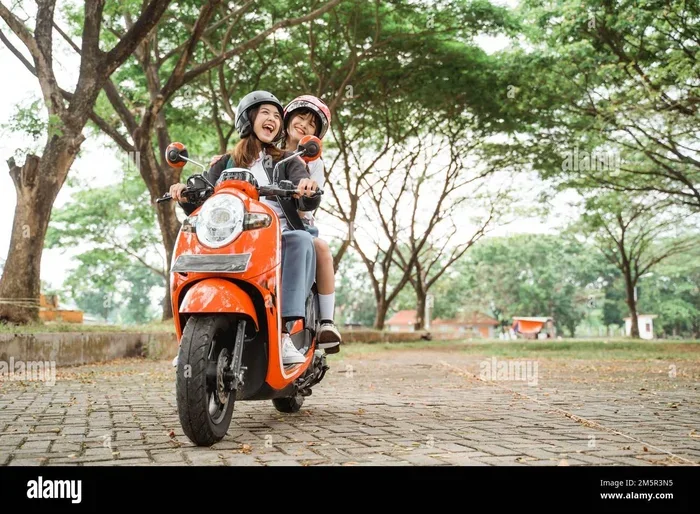
Akhtar Kiran and Rahul Were Riding in a Motor Car Fun
The beloved verse about Akhtar Kiran and Rahul riding in a motor car has captured hearts for generations. This classic children’s poem teaches us about joy, friendship, and the simple pleasures of a car ride. We explore the origins, cultural impact, and fun lessons hidden inside this timeless motor car adventure.
There is a famous little verse that almost every Indian school kid remembers. It goes something like this: “Akhtar, Kiran and Rahul were riding in a motor car.” That simple line has sparked curiosity, joy, and even classroom discussions for decades. But what makes this short poem so special? Why do so many people still recall it years after leaving school?
In this article, we are going to explore the story behind Akhtar Kiran and Rahul and their motor car ride. We will look at the origins of the verse, what it teaches us about cars and travel, and why it holds a special place in hearts across generations. Whether you are a parent, a teacher, or simply someone who loves a good road trip, there is something here for you.
The beauty of this poem lies in its simplicity. Three friends. One vehicle. A journey. That is all it takes to paint a vivid picture of fun and adventure. Let us dive in and see what makes this little verse so unforgettable.
Key Takeaways
- Timeless Verse: The poem about Akhtar Kiran and Rahul remains a cherished part of Indian school education and car culture.
- Road Trip Joy: The story captures the pure excitement of a car ride with friends, reminding us how simple travel can be magical.
- Educational Value: Teachers use this verse to introduce kids to English poetry, vehicle concepts, and road safety awareness.
- Nostalgic Appeal: Many adults remember this poem fondly, connecting it to childhood memories of family drives and scenic trips.
- Cultural Impact: The verse reflects how automobile culture shaped storytelling in Indian classrooms and everyday life.
- Modern Relevance: The themes of friendship and adventure in a motor car still resonate with families today.
📑 Table of Contents
The Story Behind Akhtar Kiran and Rahul
Origins of the Famous Verse
The poem about Akhtar Kiran and Rahul comes from the world of English education in India. It is part of the curriculum that many students encounter in primary school. The verse is short, rhythmic, and easy to memorize, which is exactly why it sticks with children.
Teachers love poems like this because they are simple enough for young learners. The words are familiar. The scenario is relatable. Almost every child has been in a car with friends or family. So when they read about three kids riding in a motor car, they feel an instant connection.
The verse does not try to be complicated. It does not use difficult vocabulary. Instead, it focuses on a plain, everyday scene: friends enjoying a ride together. This is what gives the poem its lasting charm. It shows that great stories do not need fancy language. They just need a real moment that people can feel.
Why This Poem Stays in Our Memory
Memory works in interesting ways. We tend to remember things that are tied to emotion. The poem about Akhtar, Kiran, and Rahul triggers feelings of childhood, playfulness, and excitement. When you read the line “riding in a motor car,” your brain probably pulls up a memory of your own car rides.
This is called associative memory. A single phrase can unlock a whole flood of feelings and images. For many people, this poem is the gateway to a love of reading. It is the first time they encountered a children’s poem that felt fun rather than boring.
Also, the names in the poem are common Indian names. This makes the characters feel real. Kids do not see distant, unfamiliar figures. They see friends who could be their classmates or neighbors. That familiarity is a powerful tool in education and storytelling.
Understanding the Motor Car Experience
What Makes a Car Ride Fun?
Think back to your last car ride. What made it enjoyable? Was it the music? The company? The feeling of the open road? A motor car ride can be one of the simplest pleasures in life, and this poem captures that perfectly.
When Akhtar, Kiran, and Rahul climb into their car, something magical happens. The journey becomes more than just getting from point A to point B. It becomes an adventure. Every hill, every turn, every song on the radio adds to the experience.
Here are some reasons why car rides feel so fun:
- Friendship: Sharing a ride with close friends makes any trip better. Conversations flow, jokes fly, and laughter fills the car.
- Freedom: Being in a moving vehicle gives a sense of freedom. You are going somewhere, and the world is passing by.
- Scenery: A motor car lets you see landscapes up close. Fields, towns, rivers, and mountains all become part of the journey.
- Music: The right playlist can turn any ride into a party. Singing together is one of the best parts of a car trip.
- Snacks: Let us be honest. Snacks in a car make everything better. Chips, juice boxes, and road trip treats are essential.
The Joy of Passengers and Driver
Every car ride has a driver and passengers. The poem about Akhtar Kiran and Rahul does not specify who is driving. But that is part of its charm. All three friends are equal participants in the fun. No one is left out.
In real life, the driver has an important job. They need to stay focused on the road. But even the driver can enjoy the ride. Good music, interesting conversation, and a positive mood make driving feel less like a chore and more like a pleasure.
Passengers, on the other hand, get to relax and take in the view. They can chat, play games, or simply enjoy the feeling of movement. A good car ride balances the needs of everyone inside the vehicle.
Quick Tips for a Fun Car Ride
- Create a shared playlist before you start driving.
- Pack healthy snacks and plenty of water.
- Play simple road trip games like “I Spy” or “20 Questions.”
- Take breaks every two hours to stretch your legs.
- Keep a camera or phone ready for scenic stops.
Car Culture and Road Trip Adventures
The Rise of the Automobile in India
India has seen a massive growth in automobile culture over the past few decades. From the early days of Ambassador cars to today’s modern SUVs, the motor car has become a symbol of progress, freedom, and status. Poems and stories about car rides reflect this cultural shift.
When Akhtar, Kiran, and Rahul ride in their motor car, they represent a generation of Indians who grew up with the car as a central part of daily life. The family road trip became a tradition. Weekend drives to nearby towns turned into cherished memories.
Today, India has one of the largest car markets in the world. Millions of families own at least one vehicle. The automobile is no longer a luxury. It is a necessity. And yet, the simple joy of a fun ride in a car remains unchanged.
Planning the Perfect Road Trip
If you want to recreate the magic of the Akhtar Kiran and Rahul adventure, planning is key. A great road trip does not just happen. It takes a little effort, but the rewards are huge.
Start by choosing your route. A scenic drive through the countryside is always a hit. Pick roads that offer beautiful views, interesting stops, and a mix of highway and local roads. The goal is to enjoy the journey, not just reach the destination.
Next, prepare your vehicle. Check the fuel level, tire pressure, and oil before you set out. A well-maintained automobile runs smoothly and keeps everyone safe. Nobody wants a breakdown in the middle of a road trip.
Finally, set the mood. Bring along music, snacks, and good company. Keep the atmosphere light and relaxed. The best road trips are the ones where everyone feels comfortable and happy.
Classic Poems About Cars and Travel
Comparing Famous Car Poems and Verses
The poem about Akhtar Kiran and Rahul is not the only verse that celebrates car rides. Around the world, poets and writers have found inspiration in the automobile. Here is a quick comparison of how different works approach the theme of travel by car:
| Poem / Verse | Theme | Tone | Audience |
|---|---|---|---|
| Akhtar Kiran and Rahul | Friendship and adventure | Joyful and light | Children |
| Road Trip Classics (Western) | Freedom and discovery | Adventurous | Young adults |
| Indian Folk Songs About Travel | Journey and longing | Melancholic and hopeful | All ages |
| Modern Car Commercial Narratives | Lifestyle and status | Aspirational | Adults |
What sets the Akhtar Kiran and Rahul verse apart is its simplicity and warmth. It does not try to sell a product or paint a grand picture. It just shares a moment. And that is what makes it so powerful.
The Role of Poetry in Teaching About Vehicles
Poems are more than just words on a page. They are tools for learning. In schools across India, teachers use verses like this one to introduce children to the world of English literature. But they also use them to spark conversations about vehicles, travel, and road safety.
When a child reads about three friends in a motor car, they start to think about their own experiences. They remember riding in the backseat. They remember holding onto the door handle during a sharp turn. These personal connections make learning meaningful.
Poetry also builds vocabulary. Even though the verse is simple, it introduces words like “riding,” “motor,” and “car” in a context that children can understand. Over time, these words become part of a child’s active vocabulary.
Teaching Kids About Cars Through Poetry
Making Learning Fun
If you are a parent or teacher, you can use the poem about Akhtar Kiran and Rahul as a starting point for fun learning activities. The automobile is a fascinating subject for kids. It combines mechanics, geography, and creativity.
Try reading the poem aloud and asking children what they think the three friends are feeling. Are they excited? Nervous? Happy? This builds emotional intelligence and reading comprehension skills at the same time.
You can also extend the activity. Ask kids to draw their own motor car. Have them write a short verse about their own car ride. Encourage them to name their passengers and describe the scenery. These exercises make learning interactive and memorable.
Road Safety Lessons for Young Learners
Car rides are fun, but they also come with responsibility. This poem can be a gentle entry point for teaching road safety to young children. Talk about why the driver needs to pay attention. Explain what seatbelts do. Discuss the importance of waiting for the car to stop before getting out.
These conversations do not need to be heavy or scary. Keep them light and age-appropriate. The goal is to build awareness, not fear. When kids understand the basics of vehicle safety, they become more confident passengers and eventually more responsible drivers.
Expert Insight
Educators agree that using familiar poems and stories is one of the most effective ways to teach young children about real-world concepts. The motor car ride poem works because it taps into children’s existing experiences. They already know what it feels like to ride in a car. The poem simply gives that experience a structured, poetic form that aids memory and understanding.
Why This Verse Still Matters Today
Nostalgia and Modern Driving
We live in a world of smartphones, navigation apps, and electric vehicles. The motor car has changed dramatically since the days when Akhtar, Kiran, and Rahul went for their ride. And yet, the core experience remains the same. A car still takes you places. A car still brings people together.
There is something deeply nostalgic about the idea of a simple car ride. In a world that moves faster every year, slowing down to enjoy a drive with friends or family feels almost radical. This poem reminds us that not all fun requires technology or expense. Sometimes, the best ride is the one right outside your door.
The motor car has also become a symbol of independence. For many young people, getting a driver’s license is a rite of passage. The first solo drive is a moment of pure freedom. Poems like this capture that feeling in its purest form.
Common Mistakes People Make When Discussing This Poem
When people talk about the verse of Akhtar Kiran and Rahul, they sometimes make a few common errors. Here are some mistakes to avoid:
- Overcomplicating the meaning: The poem is not a deep philosophical text. It is a simple, joyful snapshot of a car ride. Do not read too much into it.
- Ignoring the cultural context: This verse is part of Indian English education. Understanding that background adds richness to your appreciation of the poem.
- Dismissing it as childish: Just because a poem is simple does not mean it lacks value. Children’s literature often carries profound truths in small packages.
- Forgetting the fun: The main purpose of this verse is to be enjoyable. Do not turn it into a lesson when it is meant to be a delight.
Bringing the Adventure to Life
Create Your Own Motor Car Story
One of the best ways to honor the spirit of this poem is to create your own version. Gather your family or friends. Go for a drive. And then write a short verse about your experience. Use the same simple structure: names, a vehicle, and a journey.
Here is an example to get you started: “Priya, Sameer, and Ananya were riding in a motor car. The sun was bright and the road was long and far.” See how easy that is? You do not need to be a professional poet. You just need to capture a moment that matters to you.
This kind of creative exercise builds writing skills, boosts confidence, and strengthens bonds between people. It also keeps the tradition of this beloved verse alive in a new generation.
The Lasting Legacy of a Simple Ride
Every great piece of literature starts with a simple idea. For the poem about Akhtar Kiran and Rahul, that idea is a motor car ride with friends. It is a universal experience that transcends borders, generations, and cultures.
When we read this verse today, we connect with the past. We remember our own childhood rides. We appreciate the beauty of simplicity in storytelling. And we are reminded that sometimes the best adventures are the ones closest to home.
The motor car has shaped modern life in ways that the poem’s authors could never have imagined. Cars are faster, safer, and more efficient than ever. But the joy of a ride with good company remains exactly the same. That is the true legacy of this timeless verse.
So the next time you climb into a car, take a moment to appreciate the journey. Whether you are driving alone or with friends, you are part of a tradition that stretches back decades. And somewhere out there, a child is reading about Akhtar, Kiran, and Rahul for the very first time, dreaming of their own adventure on the open road.
Frequently Asked Questions
Who are Akhtar, Kiran, and Rahul in the poem?
Akhtar, Kiran, and Rahul are three fictional friends featured in a popular children’s poem from the Indian English education system. They represent the joy and simplicity of riding in a motor car with close companions.
Where does the poem “Akhtar Kiran and Rahul were riding in a motor car” come from?
The verse is part of the English textbook curriculum in many Indian primary schools. It is a classic children’s poem that has been taught to generations of students across the country.
Why is this poem so popular among children?
The poem is popular because it uses simple language, relatable characters, and a familiar scenario. Most children have experienced a car ride, so they can easily connect with the story of three friends enjoying a motor car journey together.
Can this poem be used to teach road safety?
Yes, absolutely. Teachers often use this verse as a gentle starting point for discussions about road safety, the role of the driver, and the importance of being a responsible passenger. It makes the lesson feel natural and non-threatening.
What can adults learn from this simple verse?
Adults can rediscover the joy of simplicity through this poem. It reminds us that fun does not need to be expensive or complicated. A simple car ride with good people can create some of the best memories.
How can parents use this poem at home?
Parents can read the poem aloud, discuss the feelings of the characters, and then plan a family car ride inspired by the verse. Kids can also write their own short poems about their own adventures in a motor car.
=== CONCLUSION ===
The story of Akhtar Kiran and Rahul riding in a motor car is more than just a simple verse. It is a window into childhood, friendship, and the timeless joy of the open road. This poem has traveled through classrooms and memories, connecting generations of readers through its warmth and simplicity.
Whether you remember it from school or are discovering it for the first time, the message is clear: the best adventures do not need to be grand. Sometimes they are just three friends, a motor car, and a road that leads somewhere wonderful. So go ahead. Plan that ride. Create your own story. And keep the spirit of this beloved poem alive.