Accident Cars for Sale by Owner Discover Top Bargains
Accident cars for sale by owner offer buyers a chance to save big money on vehicles that insurance companies have totaled or damaged. These privately sold cars can be incredible bargains if you know what to look for and how to avoid common pitfalls. This guide walks you through everything you need to know about finding, inspecting, and buying accident cars for sale by owner safely.
Have you ever driven past a used car lot and thought, “I could get a much better deal if I just knew where to look?” Well, accident cars for sale by owner might be the hidden treasure you have been searching for. These vehicles come with a story, and if you know how to read that story, you can unlock some of the best deals in the used car market.
When an insurance company totals a vehicle or a car sustains significant damage, the owner often tries to sell it privately rather than letting it sit in a salvage yard. This means you have a real opportunity to buy a car at a fraction of its original price. But there is a catch. Not every damaged car is a good deal. Some are hidden disasters waiting to drain your wallet.
This guide will show you exactly how to navigate the world of accident cars for sale by owner. You will learn where to find them, what to check before buying, and how to avoid expensive mistakes. Whether you are a first-time buyer or a seasoned car shopper, this article will give you the confidence and knowledge to make a smart purchase.
Key Takeaways
- Save Money: Buying accident cars for sale by owner can save you 30 to 60 percent compared to retail prices.
- Check the Title Status: Always verify whether the vehicle has a salvage title, rebuilt title, or clean title before purchasing.
- Get a Vehicle History Report: Use tools like Carfax or AutoCheck to uncover hidden damage and accident history.
- Inspect Thoroughly: A pre-purchase inspection by a trusted mechanic is essential before buying any damaged vehicle.
- Know the Risks: Some accident cars may have structural damage that is unsafe or too expensive to repair.
- Negotiate Smart: Use the damage history and repair estimates to negotiate a fair price with the owner.
- Insurance Matters: Confirm that your insurance company will cover a vehicle with a salvage or rebuilt title.
📑 Table of Contents
- What Are Accident Cars for Sale by Owner?
- Why Buy Accident Cars Directly from Owners?
- How to Find Accident Cars for Sale by Owner
- What to Check Before Buying an Accident Car
- Common Mistakes to Avoid When Buying Damaged Cars
- Are Accident Cars for Sale by Owner Worth the Investment?
- How to Negotiate the Price of an Accident Car
- Conclusion
What Are Accident Cars for Sale by Owner?
Accident cars for sale by owner are vehicles that have been involved in a collision or sustained damage and are now being sold directly by the person who owns them. Unlike dealership listings, these sales happen between individuals. The owner handles the entire transaction without a middleman.
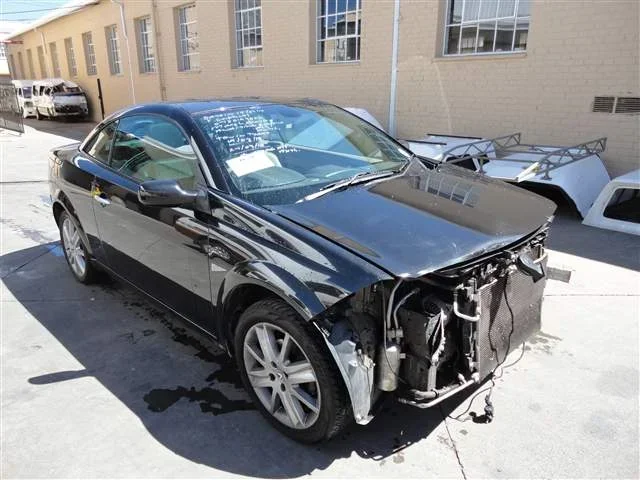
These cars come in many forms. Some were in minor fender benders with just cosmetic damage. Others were major collisions that caused structural harm to the frame or engine. The key difference is that these vehicles have all been declared damaged in some way, and the owner is trying to recover some of their investment by selling them.
Types of Damaged Vehicles You Will Encounter
Not all accident cars are the same. Understanding the different categories helps you know what you are getting into. Here are the most common types you will find when searching for accident cars for sale by owner.
- Salvage Vehicles: These cars have been declared a total loss by an insurance company. The repair costs exceeded the vehicle’s actual cash value. They usually carry a salvage title and cannot be driven on public roads without being rebuilt and re-titled.
- Rebuilt Title Vehicles: After a salvage vehicle is repaired and passes a state inspection, it receives a rebuilt title. These cars are road-legal but still carry a stigma in the resale market.
- Minor Damage Cars: These vehicles had relatively small accidents. Maybe a broken bumper, a dented door, or a cracked windshield. They often run and drive fine but need cosmetic repairs.
- Insurance Totaled Cars: Similar to salvage vehicles, but the owner may have bought the car back from the insurance company before it was auctioned off.
Why Buy Accident Cars Directly from Owners?
There is something special about buying accident cars for sale by owner instead of from a dealer or auction house. The direct connection gives you advantages that are hard to find anywhere else.
Lower Prices and More Negotiation Room
When you buy from an owner, there is no dealership markup. No sales commission. No “dealer fees.” The price is often much closer to what the owner originally paid or what the insurance company valued the car at. This creates room for serious negotiation, especially if the car needs repairs.
Imagine finding a car that was worth $15,000 before the accident but now has a market value of $8,000 because of damage. If the owner is asking $5,000, you are already getting a great deal. And if the repairs cost $2,000, you still come out ahead financially.
More Transparency and Honesty
Private sellers often have a story to tell about what happened to their car. They were the ones driving it when the accident occurred. They know the details of the damage. This level of transparency is something you rarely get from a dealer who is flipping cars for profit.
Many owners selling accident cars for sale by owner are upfront about the damage because they want to sell quickly. They are not trying to hide anything. They just want the car gone so they can move on.
Avoiding Auction Risks
Buying from salvage auctions can be risky. You often cannot inspect the car before bidding. You are essentially gambling on what you see in photos. When you buy directly from an owner, you can ask questions, request additional photos, and even arrange a pre-purchase inspection.
| Buying Method | Price Range | Inspection Access | Risk Level |
|---|---|---|---|
| Owner Sale (Private) | 30-60% below retail | Full access, ask questions | Low to Medium |
| Salvage Auction | 50-80% below retail | Limited or no access | High |
| Dealership (Damaged Lot) | 20-40% below retail | Limited access | Medium |
| Online Marketplaces | 25-55% below retail | Varies by seller | Medium |
How to Find Accident Cars for Sale by Owner
Finding accident cars for sale by owner is easier than most people think. The internet has opened up many channels where private sellers list their damaged vehicles. You just need to know where to look.
Online Marketplaces and Classifieds
Websites like Craigslist, Facebook Marketplace, and OfferUp are goldmines for finding privately sold accident cars. Sellers often list these vehicles with detailed descriptions of the damage. Search terms like “needs repair,” “salvage,” or “as-is” will help you filter through listings more effectively.
Pro tip: Set up alerts on these platforms with keywords related to damaged vehicles. You will get notified the moment someone posts a new listing. The best deals go fast, so being early gives you an advantage.
Local Salvage Yards and Tow Yards
Many salvage yards sell vehicles directly to the public. Some even have online inventories you can browse from home. When a car is brought to a tow yard after an accident, the yard may give the owner a window to reclaim it before auctioning it off.
Visiting local yards in person can uncover hidden gems. You can walk around the vehicles, check for damage, and sometimes negotiate directly with the yard owner who purchased the vehicle from an insurance company.
Social Media and Community Groups
Facebook groups dedicated to car sales in your local area are incredibly useful. Search for groups like “Cars for Sale [Your City]” or “Salvage and Damaged Vehicles [Your State].” Post that you are looking for accident cars for sale by owner and you will be surprised how many people respond.
Nextdoor and local community forums work the same way. People in your neighborhood may be selling damaged cars and prefer to deal locally to save on shipping costs.
Insurance Company Listings
Some insurance companies sell totaled vehicles directly to the public. You can contact local insurance adjusters or visit company websites to find out if they offer this service. These vehicles often come with a clean history and the insurance company can provide detailed damage reports.
What to Check Before Buying an Accident Car
Buying a damaged car requires more homework than buying a regular used car. You need to look beyond the surface and understand what really happened to the vehicle. Here is your checklist for evaluating accident cars for sale by owner.
Get a Vehicle History Report
Before you even look at the car, pull a vehicle history report using the vehicle identification number. Services like Carfax and AutoCheck will show you accident history, title status, service records, and previous ownership details.
A clean history report does not guarantee a problem-free car, but it gives you a solid starting point. If the report shows multiple accidents or a salvage title, you need to dig deeper before making any decisions.
Verify the Title Status
This is non-negotiable. Check the vehicle title and confirm its status. A salvage title means the car was declared a total loss. A rebuilt title means it was repaired and passed inspection. A clean title means the car was never declared a total loss.
Be cautious of owners who cannot produce a clear title or who try to explain away a branded title. The title tells you a lot about the car’s past and its future resale value.
Get a Pre-Purchase Inspection
This is the single most important step when buying accident cars for sale by owner. Take the vehicle to a trusted mechanic and ask for a thorough inspection. A good mechanic will check the frame alignment, engine condition, suspension, and look for signs of hidden damage.
Expect to pay between $100 and $200 for a pre-purchase inspection. That small investment can save you thousands of dollars in unexpected repair bills. Never skip this step, no matter how good the deal looks.
Assess the Repair Costs
Before you make an offer, get repair estimates for the known damage. Contact body shops and ask for written estimates. Compare these costs to the asking price to determine if the deal is actually a bargain.
If the car needs $3,000 in repairs and the owner is asking $2,000, that is a solid deal. But if the repairs cost $5,000 and the asking price is $4,500, you are not really saving anything.
Check for Structural Damage
Structural damage is the biggest red flag in any damaged vehicle. Look for signs like uneven gaps between body panels, misaligned doors, or a frame that appears bent or warped. These issues can compromise the safety of the vehicle and are often very expensive to fix.
Structural damage can also affect how the car handles on the road. Even if the car drives fine now, hidden frame damage can cause problems months down the road.
Quick Tips for Inspecting Accident Cars
- Bring a flashlight and look under the car for rust, leaks, and fresh welding.
- Check all electrical systems including lights, windows, and air conditioning.
- Test drive the car on both highways and city streets to listen for unusual sounds.
- Take the car to a trusted mechanic even if the owner says it has been repaired.
- Look for paint mismatches that may indicate recent body work over old damage.
Common Mistakes to Avoid When Buying Damaged Cars
The world of accident cars for sale by owner is full of opportunities, but it is also full of traps. Here are the most common mistakes buyers make and how to avoid them.
Skipping the Vehicle History Report
Some buyers get so excited about a low price that they skip the history report entirely. This is a huge mistake. The history report can reveal information that the seller might not mention, including previous accidents, flood damage, or odometer rollbacks.
Ignoring Title Branding
A branded title is not always a dealbreaker, but you need to understand what it means. A salvage title vehicle cannot be registered or insured in some states until it is rebuilt and inspected. Make sure you understand your state’s laws before purchasing a car with a branded title.
Overlooking Hidden Damage
Not all damage is visible from the outside. A car can look perfectly fine on the surface but have significant internal damage to the engine, transmission, or electrical system. This is exactly why a pre-purchase inspection is so important.
Paying Retail Price for a Damaged Car
Just because a car has damage does not mean you should pay full retail price. The whole point of buying an accident car is to save money. Use the damage as leverage in your negotiations. Get repair estimates and factor them into your offer.
Forgetting About Insurance Costs
Here is something many buyers overlook. Insuring a car with a salvage or rebuilt title can cost more than insuring a clean-title vehicle. Some insurance companies will not even cover salvage title cars. Call your insurance provider before you buy to confirm coverage and premiums.
Expert Insight
According to automotive experts, the best accident car deals come from vehicles with minor to moderate damage that is purely cosmetic or mechanical. Cars with structural frame damage or airbag deployment tend to have higher repair costs and lower resale value. Focus your search on vehicles where the damage is repairable and the price reflects the repairs needed.
Are Accident Cars for Sale by Owner Worth the Investment?
The short answer is yes, but with important caveats. Accident cars for sale by owner can be incredible investments if you approach the purchase with knowledge and caution. The savings can be substantial, and many of these vehicles run and drive perfectly well after repairs are made.
However, you need to be realistic about what you are buying. A damaged car is not the same as a regular used car. It requires more research, more inspection, and often more money for repairs. If you go into the purchase with your eyes wide open, you can come out ahead.
The best candidates for purchase are vehicles with minor damage, clean or rebuilt titles, and a clear repair plan. If the car needs a new bumper and some paint work, that is a manageable project. If the car has a bent frame and a destroyed engine, that is a different story entirely.
Think of buying an accident car like flipping a house. You need to know the market, understand the costs, and have a clear plan before you commit. Do your research, get professional inspections, and negotiate hard. The rewards can be well worth the extra effort.
When an Accident Car Is NOT a Good Deal
- The repair costs exceed 50 percent of the vehicle’s market value.
- The car has structural or frame damage that cannot be safely repaired.
- The vehicle has been in multiple accidents with increasing severity.
- The owner cannot provide a clear title or history documentation.
- Your insurance company will not cover a vehicle with that title status.
How to Negotiate the Price of an Accident Car
Negotiation is where you really unlock the value of buying accident cars for sale by owner. Unlike a dealership where prices are somewhat fixed, private sellers are often much more flexible. Here is how to negotiate effectively.
Start by doing your research. Know the fair market value of the vehicle in its undamaged condition. Then factor in the cost of repairs. This gives you a solid baseline for your offer. If the owner is asking $6,000 and the car needs $2,500 in repairs, you know the true value is closer to $3,500 to $4,000.
Be respectful but firm during negotiations. Share your repair estimates with the owner. Explain why you are offering the price you are offering. Most private sellers appreciate honesty and transparency, and it makes them more willing to work with you.
Also consider the urgency of the sale. If the owner needs to sell quickly because they have already purchased another vehicle or need the money for something else, you have more leverage. Ask questions about their timeline and use that information to your advantage.
Closing the Deal Safely
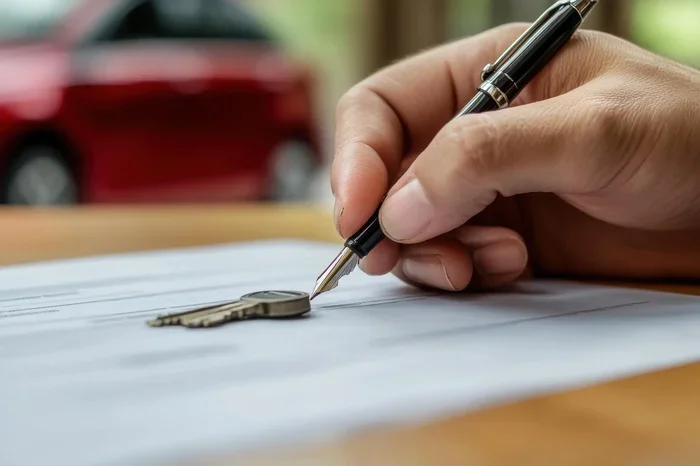
Once you have agreed on a price, make sure you handle the transaction properly. Get a written bill of sale that includes the vehicle details, sale price, and both parties’ information. Transfer the title correctly and file the necessary paperwork with your state’s DMV.
Never pay cash in hand without getting something in writing. Use a cashier’s check or bank transfer that you can trace. This protects both you and the seller and ensures a smooth transaction.
Conclusion
Accident cars for sale by owner represent one of the best opportunities in the used car market for buyers who are willing to do their homework. The potential savings are significant, and with the right approach, you can find a reliable vehicle that fits your budget and needs.
Remember to always check the title status, get a vehicle history report, and invest in a professional pre-purchase inspection. Avoid common mistakes like skipping inspections or paying full price for a damaged car. And most importantly, be patient. The best deals come to those who wait and research thoroughly.
The world of damaged vehicle sales is not for everyone, but for those who understand the risks and rewards, it can be incredibly rewarding. Use the tips and strategies in this guide to navigate the market with confidence. Happy hunting, and may you find the perfect accident car for sale by owner at a price that makes you smile.
Frequently Asked Questions
Can I finance an accident car purchased from a private owner?
Financing an accident car can be challenging but not impossible. Some banks and credit unions offer loans on salvage and rebuilt title vehicles, though interest rates may be higher. Your best bet is to check with your bank first and compare rates from multiple lenders before committing to a purchase.
How do I know if the damage to an accident car is too severe?
A professional pre-purchase inspection is the best way to determine if damage is too severe. Mechanics can identify structural issues, frame damage, and internal problems that are not visible from the outside. If repair costs exceed 50 percent of the vehicle’s market value, it is usually not worth the investment.
Will insurance cover a car with a salvage or rebuilt title?
Some insurance companies will cover rebuilt title vehicles, but coverage may be limited. Comprehensive and collision coverage might not be available, and payouts in the event of another claim could be lower. Contact your insurance provider before purchasing to understand exactly what is covered.
What is the difference between a salvage title and a rebuilt title?
A salvage title means the insurance company declared the vehicle a total loss and it has not yet been repaired. A rebuilt title means the vehicle was repaired, passed a state inspection, and is now road-legal. Both titles indicate the car was previously damaged, but a rebuilt title shows it has been restored.
How much should I offer for an accident car from a private owner?
Start by researching the vehicle’s market value in undamaged condition. Then subtract the estimated repair costs from that value. Your offer should be somewhere between the damaged market value and the repair-adjusted value. Use repair estimates as leverage during negotiations to justify your offer.
Are accident cars from private owners safer than those from auctions?
Generally yes. When you buy from a private owner, you can ask detailed questions about the accident, request additional photos, and arrange a thorough inspection. Auction purchases often limit your ability to inspect the vehicle before buying, which increases the risk of hidden problems.