Are Maseratis Bad Cars Or Are They Really Worth The Money
Are Maseratis bad cars? The answer is more nuanced than you might think. Maseratis are stunning Italian luxury vehicles that deliver an unmatched driving experience, but they come with high maintenance costs, frequent reliability issues, and steep depreciation. This guide breaks down everything you need to know about Maserati ownership so you can make an informed decision.
So, are Maseratis bad cars? That is a question car enthusiasts and potential buyers ask all the time. The truth is, Maseratis sit in a fascinating spot in the automotive world. They are beautiful, powerful, and full of Italian charm. But they also come with real ownership challenges that can catch people off guard.
If you are thinking about buying a Maserati or just curious about the brand, you have come to the right place. In this article, we will break down everything you need to know. We will look at reliability, maintenance costs, common problems, depreciation, and whether a Maserati is truly worth your hard-earned money.
Let us be clear from the start. Maseratis are not bad cars. They are luxury Italian sports cars built to deliver an incredible driving experience. But they are not for everyone. Understanding what you are getting into is the key to making a smart decision.
Key Takeaways
- Maseratis are not inherently bad cars: They offer exceptional performance, luxury, and Italian craftsmanship that few brands can match.
- Maintenance and repair costs are significantly higher: Compared to mainstream brands, Maserati upkeep can be expensive and require specialized mechanics.
- Reliability is a known weakness: Maserati reliability ratings lag behind competitors like BMW and Mercedes-Benz.
- Depreciation hits hard: Maseratis lose value faster than many luxury and exotic car brands.
- Parts are costly and hard to find: Maserati parts availability and pricing can create headaches for owners.
- They are worth it for the right buyer: If you prioritize driving experience and style over practicality, a Maserati can be a rewarding choice.
📑 Table of Contents
What Makes Maseratis So Expensive To Own?
The sticker price of a Maserati is just the beginning. Owning one of these Italian luxury machines involves costs that go far beyond the initial purchase. Let us explore why Maserati ownership can be so pricey.
Premium Parts And Specialized Labor
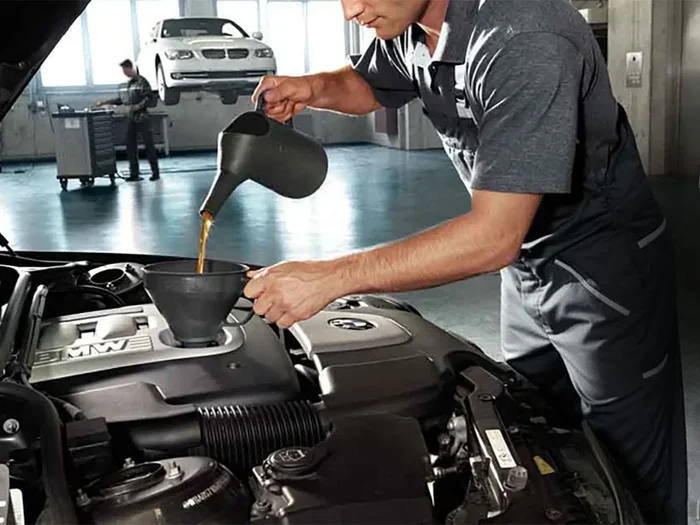
Maserati parts are not like parts for a Honda or Toyota. They are designed for high-performance vehicles that demand precision engineering. When something breaks, the replacement parts carry a premium price tag. And not every mechanic can work on a Maserati. You often need a specialist, which means labor rates are higher than what you would pay at a standard repair shop.
For example, a simple brake job on a Maserati Ghibli can cost two to three times more than the same job on a BMW 3 Series. The parts themselves are more expensive, and the technician needs specific training and tools.
Low Production Numbers
Maserati does not build cars in the same volume as mass-market brands. This low production scale means fewer parts are manufactured and less competition among suppliers. The result is higher part costs. It also means that finding a mechanic familiar with Maserati models can be a challenge, especially outside major cities.
Insurance Costs
Insurance for a Maserati will always be higher than for a standard sedan. Insurers consider these vehicles high-risk due to their value, performance capabilities, and the cost of repairs. If you are financing a Maserati, full coverage is typically required, adding to your monthly expenses.
Common Maserati Reliability Issues
When we ask, “are Maseratis bad cars?” reliability is often the biggest concern. Maseratis have a reputation for being less dependable than some of their luxury competitors. Let us look at the most common problems owners face.
Electrical Gremlins
One of the most frequently reported issues with Maseratis involves the electrical system. Owners have experienced flickering dashboards, malfunctioning infotainment screens, and sensor failures. These problems can be frustrating and expensive to diagnose. Electrical issues in luxury cars are never cheap to fix, and Maseratis are no exception.
Engine And Transmission Concerns
Maserati engines are impressive when they work correctly. The brand uses powerful engines from Ferrari in many of its models. However, these engines can develop problems over time. Common issues include oil leaks, turbo failures, and excessive oil consumption. The dual-clutch transmissions used in newer Maseratis have also drawn criticism for occasional jerky behavior and software glitches.
Suspension And Suspension Components
Maseratis are built for a smooth, sporty ride. But the air suspension systems and hydraulic components wear out over time. Replacing these parts can be a significant expense. Some owners report needing suspension work after just 30,000 to 50,000 miles, which is earlier than you would expect from a luxury vehicle.
Fluid Leaks
Fluid leaks are a common complaint among Maserati owners. Power steering fluid, transmission fluid, and engine oil leaks seem to appear more frequently than on comparable vehicles from BMW or Mercedes. These leaks not only create messes but can also lead to more serious engine damage if left unaddressed.
Maserati Maintenance And Repair Costs
Let us talk numbers. How much does it really cost to maintain a Maserati? This is where many potential buyers get cold feet.
Annual Maintenance Costs Compared
Here is a realistic look at how Maserati maintenance costs stack up against other luxury brands:
- Maserati: Annual maintenance costs typically range from $1,200 to $3,000 or more, depending on the model and age.
- BMW: Similar models from BMW cost around $800 to $1,500 per year for routine maintenance.
- Mercedes-Benz: Mercedes maintenance runs roughly $900 to $1,800 annually for comparable vehicles.
- Lexus: If you want a luxury car with lower costs, Lexus averages $600 to $1,200 per year.
As you can see, Maseratis sit at the higher end of the cost spectrum. But these numbers can spike quickly if your vehicle needs major repairs.
Major Repair Cost Examples
Here are some real-world examples of what major repairs can cost on a Maserati:
- Clutch replacement: $3,000 to $5,000
- Turbocharger replacement: $4,000 to $7,000
- Air suspension compressor: $1,500 to $2,500 per unit
- Engine control module replacement: $2,000 to $4,000
- Full brake service: $1,500 to $2,500
These costs add up fast. Before buying a Maserati, make sure you have a financial cushion for unexpected repairs.
DIY Or Professional?
Can you save money by doing your own Maserati maintenance? Honestly, probably not. These vehicles require specialized diagnostic equipment and expertise. Even experienced DIY mechanics will struggle with Maserati-specific systems. Your best bet is to find a certified Maserati technician or a reputable independent shop that specializes in Italian luxury cars.
Maserati Depreciation: What To Expect
One of the harshest realities of Maserati ownership is depreciation. These vehicles lose value faster than many other luxury cars.
Why Do Maseratis Depreciate So Quickly?
Several factors drive rapid Maserati depreciation:
- High maintenance costs: Buyers know that owning a Maserati is expensive, which reduces demand on the used market.
- Low brand prestige: Compared to Ferrari or Porsche, Maserati does not carry the same cachet, which affects resale value.
- Reliability concerns: The reputation for reliability issues makes buyers hesitant to purchase used models.
- High production volume relative to demand: Maserati produces more cars than some buyers want, which floods the used market.
Real Depreciation Numbers
A brand-new Maserati Ghibli might lose 40% to 50% of its value within the first three years. A Maserati Quattroporte can depreciate even faster. Compare this to a Porsche 911, which holds its value much better, and you see a clear difference.
If you are buying a Maserati as an investment, think again. These cars are meant to be driven and enjoyed, not stored for profit. However, if you buy a used Maserati at a significant discount, the depreciation hit has already happened, and you can enjoy the car at a lower cost.
Are Maseratis Worth The Money?
This is the million-dollar question. And the answer depends entirely on what you value in a car.
The Case For Maserati
Maseratis offer something that few other brands can match. The driving experience is raw, emotional, and thrilling. The interior is luxurious with high-quality materials. The design turns heads everywhere you go. When you step on the accelerator, the surge of power is intoxicating. For car enthusiasts who prioritize passion over practicality, a Maserati delivers in spades.
Maserati also offers a more affordable entry point into the luxury sports car world compared to brands like Ferrari or Lamborghini. If you want Italian style and performance without the six-figure price tag, a Maserati makes sense.
The Case Against Maserati
On the other hand, Maseratis come with significant drawbacks. The reliability issues can turn a joyful ownership experience into a constant headache. The maintenance costs eat into your budget. Depreciation means you lose money every year. And the resale market is crowded with used Maseratis that are hard to sell.
If you need a reliable daily driver or a car that holds its value, a Maserati is probably not the right choice. But if you love cars, enjoy the process of ownership, and have the financial means to handle repairs, a Maserati can be a rewarding experience.
Who Should Buy A Maserati?
Not everyone should buy a Maserati. And that is perfectly okay. Here is a breakdown of who should and should not consider this brand.
You Should Buy A Maserati If:
- You are a car enthusiast who values driving experience above all else.
- You have a solid budget for maintenance and unexpected repairs.
- You love Italian design and want a car that stands out.
- You plan to keep the car for a long time and do not worry about resale value.
- You have access to a trusted Maserati specialist or dealership nearby.
You Should Avoid A Maserati If:
- You need a reliable daily driver with minimal downtime.
- You are on a tight budget and cannot afford expensive repairs.
- You plan to sell the car within a few years and want to minimize losses.
- You prefer a hassle-free ownership experience with readily available parts and service.
Alternatives To Consider
If a Maserati does not seem like the right fit, consider these alternatives:
- BMW 5 Series: Offers luxury and performance with better reliability and lower maintenance costs.
- Mercedes-Benz E-Class: A refined luxury sedan with strong resale value and comfortable ride quality.
- Lexus GS: Combines luxury with exceptional reliability and lower ownership costs.
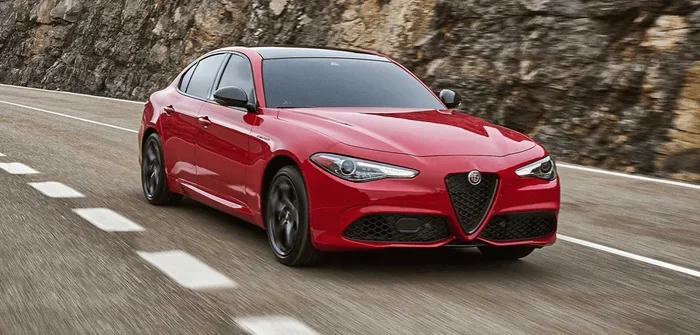
- Alfa Romeo Giulia: An Italian alternative with similar styling but better reliability ratings and lower costs.
- Porsche Panamera: A high-performance luxury sedan that holds its value much better than a Maserati.
Final Verdict: Are Maseratis Bad Cars?
So, are Maseratis bad cars? The answer is a clear no. Maseratis are fantastic cars that deliver an unforgettable driving experience. They are stylish, powerful, and full of character. However, they are not without their flaws. The high maintenance costs, reliability issues, and rapid depreciation are real challenges that every potential owner should understand.
If you go into Maserati ownership with your eyes wide open and a solid financial plan, you can have a wonderful experience. But if you expect the same ownership experience as a Lexus or a mainstream brand, you will likely be disappointed.
At the end of the day, cars are about joy. If a Maserati brings you happiness every time you turn the key, then it is worth every penny. Just make sure you are prepared for what comes with that joy.
The best advice is simple. Test drive a Maserati. Feel the engine. Sit in the cabin. Experience the craftsmanship. Then honestly evaluate whether the ownership costs fit your lifestyle. That is the best way to decide if a Maserati is right for you.
Maseratis are not bad cars. They are passionate cars for passionate people. Just make sure you are one of them.
Frequently Asked Questions
Are Maseratis reliable cars to daily drive?
Maseratis are not known for being the most reliable luxury cars on the market. They require more frequent repairs and maintenance than brands like Lexus or Mercedes-Benz. However, many owners find that the driving experience outweighs the reliability drawbacks. If you are willing to invest time and money into upkeep, a Maserati can be a daily driver, but expect more trips to the shop than you would with a mainstream luxury brand.
How much does it cost to maintain a Maserati per year?
Annual maintenance costs for a Maserati typically range from $1,200 to $3,000 or more. This is significantly higher than the cost of maintaining a BMW or Mercedes-Benz of similar size. Major repairs can push costs even higher. The exact amount depends on the model, age, mileage, and how well the car has been maintained.
Do Maseratis hold their value well?
Unfortunately, Maseratis depreciate faster than most luxury and sports car brands. A new Maserati can lose 40% to 50% of its value within the first three years. This rapid depreciation is driven by high maintenance costs, reliability concerns, and lower brand prestige compared to competitors like Porsche or Ferrari. If resale value matters to you, a Maserati is not the best choice.
Is it expensive to insure a Maserati?
Yes, Maserati insurance costs are higher than average. Insurers consider these vehicles high-value and high-performance, which translates to higher premiums. Full coverage is typically required if you are financing the vehicle. The exact cost depends on your location, driving history, and the specific Maserati model, but expect to pay more than you would for a BMW or Mercedes-Benz.
What is the most reliable Maserati model?
The Maserati Ghibli and Quattroporte have received mixed reviews, but some model years are more reliable than others. The Maserati Levante SUV has also shown some improvement in reliability compared to earlier sedans. Generally, newer models with updated software and improved engineering tend to have fewer issues. Researching specific model years and reading owner reviews is always a smart step before purchasing.
Are Maserati parts easy to find?
Maserati parts are available but can be harder to find and more expensive than parts for mainstream luxury brands. Because Maserati produces fewer vehicles, parts are manufactured in smaller quantities. This drives up costs and can lead to longer wait times for replacements. Working with a certified Maserati dealer or a specialist shop is the best way to ensure you get the right parts quickly.
=== CONCLUSION ===
Are Maseratis bad cars? Not at all. They are beautiful, thrilling, and full of Italian passion. But they are not for the faint of heart or the thin of wallet. The high maintenance costs, reliability challenges, and steep depreciation are real factors that every buyer must consider.
If you have the means and the passion, a Maserati can be one of the most rewarding cars you will ever own. Just go in with your eyes open, budget for the unexpected, and find a trusted specialist. The road ahead with a Maserati is exciting, but it requires commitment. And for the right driver, that commitment is more than worth it.