How Long Does a Toyota Engine Last and What Affects Its Life
A Toyota engine can last 200,000 to 300,000 miles or more with proper care. Regular oil changes, smart driving habits, and timely maintenance play a huge role in Toyota engine longevity. Understanding what affects your engine’s life helps you get the most out of your vehicle.
A Toyota engine is one of the most reliable powerplants on the road today. People buy Toyotas knowing their engines will keep running for years. But just how long does a Toyota engine last? The answer depends on several factors that every owner should understand.
Toyota engine life varies based on maintenance, driving style, and the specific model you drive. Some Toyotas clock over 300,000 miles with no major issues. Others struggle to reach 100,000 miles due to neglect. This guide breaks down everything you need to know about Toyota engine longevity and what you can do to extend yours.
Key Takeaways
- Toyota engines are built to last: With proper care, most Toyota engines easily surpass 200,000 miles.
- Regular oil changes are critical: Changing oil on schedule keeps internal parts lubricated and clean.
- Driving habits matter: Gentle driving and proper warm-ups reduce engine wear significantly.
- Cooling system maintenance prevents overheating: A well-maintained cooling system protects engine life.
- Hybrid Toyota engines can last even longer: Less strain on the gas engine means extended life.
- Watch for warning signs early: Catching problems early saves money and prevents major engine failure.
📑 Table of Contents
- How Long Does a Toyota Engine Last on Average?
- What Factors Affect Toyota Engine Life?
- How to Extend Your Toyota Engine Life
- Toyota Hybrid Engine Life
- Signs Your Toyota Engine May Need Attention
- How Does Engine Mileage Compare Across Toyota Models?
- Common Mistakes That Shorten Toyota Engine Life
- Expert Insight on Toyota Engine Longevity
- Conclusion
How Long Does a Toyota Engine Last on Average?
Most Toyota engines are designed to last between 200,000 and 300,000 miles. With regular maintenance and careful driving, many owners report their engines going well beyond 300,000 miles. Toyota builds their engines with high-quality materials and proven engineering that stands the test of time.
The average driver puts about 13,000 to 15,000 miles on their car each year. At that rate, a well-maintained Toyota engine can last 15 to 20 years or more. Some Toyota models have even been known to hit 400,000 miles before needing a major engine rebuild.
What Makes Toyota Engines So Durable?
Toyota has spent decades perfecting their engine designs. They use forged steel crankshafts, aluminum alloy blocks, and precision machining that reduces friction and wear. These engineering choices give Toyota engines a strong foundation for long life.
Toyota also tests their engines under extreme conditions before putting them in production vehicles. This rigorous testing process catches potential problems early. The result is an engine that can handle daily driving for many years without breaking down.
What Factors Affect Toyota Engine Life?
Several factors determine how long your Toyota engine will last. Some you can control, and others are simply part of owning a car. Understanding these factors helps you make smarter decisions about your vehicle.
Maintenance and Oil Changes
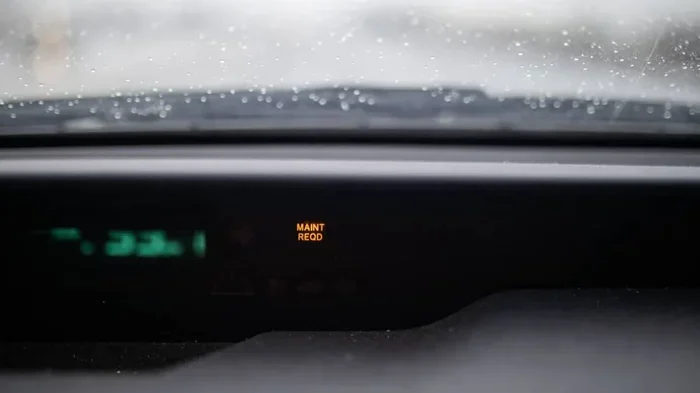
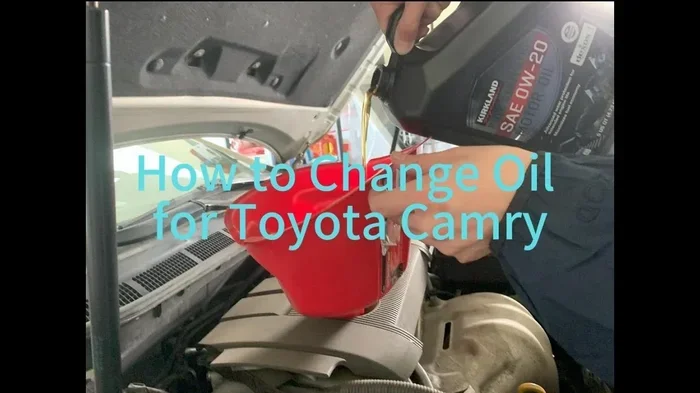
Regular maintenance is the single most important factor in Toyota engine longevity. Oil changes keep the engine lubricated and prevent metal parts from grinding against each other. Dirty or old oil causes increased friction, heat, and wear on internal components.
Toyota recommends changing your oil every 5,000 to 10,000 miles depending on the model and oil type. Using the right engine oil weight for your specific Toyota model matters too. For example, the GR86 has specific oil requirements that differ from other Toyota models. Always check your owner’s manual for the correct oil capacity and type for your car.
Other maintenance tasks also play a role. Replacing the engine air filter on schedule keeps dirt and debris from entering the combustion chamber. Changing the coolant prevents corrosion inside the engine block. And replacing the timing belt at the recommended interval prevents catastrophic engine failure.
Driving Habits and Style
How you drive directly impacts your engine’s lifespan. Aggressive driving, such as rapid acceleration and hard braking, puts extra stress on engine components. Over time, this stress leads to faster wear and tear.
Gentle driving habits help your Toyota engine last longer. Here are some tips:
- Warm up the engine slowly before driving hard.
- Avoid redlining the RPM gauge.
- Accelerate smoothly and gradually.
- Let the engine cool down after long drives before turning it off.
These simple changes reduce engine stress and can add years to your Toyota’s life. They also improve fuel economy and make your driving experience more enjoyable.
Climate and Driving Conditions
Where you live and drive affects your engine too. Extreme heat causes engines to overheat faster. Extreme cold makes oil thicker and harder to circulate. Both conditions put extra strain on engine components.
Stop-and-go city driving is harder on engines than steady highway driving. Frequent short trips don’t allow the engine to reach full operating temperature, which leads to moisture buildup and sludge formation. If you drive mostly in the city, consider extending your oil change intervals slightly to compensate.
Fuel Quality
The fuel you put in your Toyota matters more than many people realize. Low-quality fuel can cause carbon buildup inside the engine. Over time, this buildup reduces engine efficiency and can lead to knocking or pinging sounds.
Using the recommended fuel grade for your Toyota model is important. Most Toyotas run well on regular unleaded gasoline. However, high-performance models like the GR86 may benefit from premium fuel. Check your owner’s manual to confirm the right fuel type for your specific vehicle.
How to Extend Your Toyota Engine Life
Taking proactive steps to care for your Toyota engine pays off in the long run. Here are practical strategies that every Toyota owner should follow.
Follow the Maintenance Schedule
Toyota provides a detailed maintenance schedule in the owner’s manual. Following this schedule ensures that all critical components get serviced on time. Skipping recommended services may save money short-term but can cost much more in the long run.
Key maintenance items that directly affect engine life include:
- Oil and filter changes
- Coolant flushes
- Spark plug replacements
- Drive belt inspections
- Thermostat checks
Monitor Your Engine Temperature
Keep an eye on your temperature gauge while driving. If the needle starts climbing into the hot zone, pull over safely and let the engine cool down. Continued driving with an overheating engine can cause warped heads, blown head gaskets, and cracked blocks.
Running the heater can actually help cool the engine in an emergency. The heater core acts as a secondary radiator, pulling heat away from the engine. This trick gives you time to pull over safely without causing further damage.
Address Problems Early
Small engine problems become big problems fast if ignored. A strange noise, a check engine light, or a slight drop in performance should never be ignored. These warning signs often point to issues that are easy and cheap to fix when caught early.
Getting a full car diagnostic when you notice something off can save you from expensive repairs later. Many auto parts stores offer free diagnostic scans that read error codes from your engine computer. These scans give you a head start on identifying problems.
Keep the Engine Clean
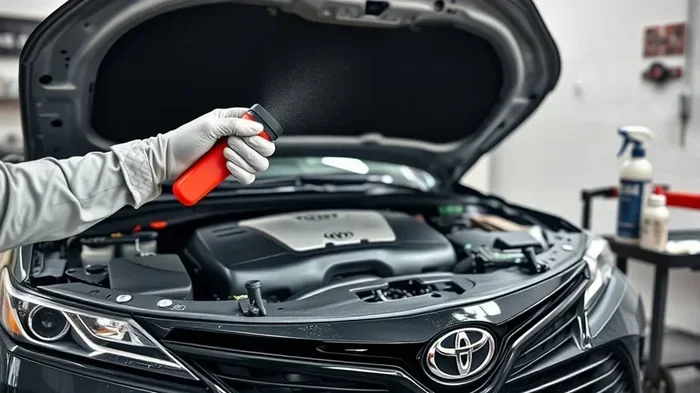
A clean engine runs cooler and lasts longer. Dirt and grime trapped around the engine bay can hold heat and cause components to degrade faster. Regularly washing the engine bay and checking for fluid leaks keeps everything in good shape.
Toyota Hybrid Engine Life
Toyota hybrid engines have a unique advantage when it comes to longevity. The electric motor assists the gas engine, reducing the overall workload. This means the gas engine experiences less wear and tear over time.
Toyota hybrid systems are designed to be extremely reliable. The hybrid battery and electric motor work together to share the load. As a result, many Toyota hybrid engines last well beyond 250,000 miles with minimal issues.
Can a Toyota Hybrid Sit Without Being Driven?
One common concern among hybrid owners is what happens when the car sits unused for extended periods. A Toyota hybrid can sit without being driven for a couple of weeks without major issues. However, leaving it parked for months can drain the hybrid battery and cause other problems.
If you plan to leave your Toyota hybrid sitting for a while, consider these tips:
- Start the car and let it run for 15 to 20 minutes every week.
- Keep the battery charged above 40 percent.
- Store the car in a cool, dry place.
- Check tire pressure regularly.
Taking these precautions helps maintain both the hybrid and gas engine components. It also prevents issues like a dead battery or flat spots on the tires.
Signs Your Toyota Engine May Need Attention
Knowing the warning signs of engine trouble helps you act before a small problem becomes a major repair. Here are common signs that your Toyota engine needs attention:
Unusual Noises
Knocking, ticking, or grinding sounds coming from the engine bay are never good signs. These noises often indicate low oil pressure, worn bearings, or loose components. Address unusual sounds promptly to prevent further damage.
Decreased Fuel Economy
If your Toyota suddenly gets worse gas mileage, the engine may be struggling. Dirty fuel injectors, clogged air filters, or failing sensors can all reduce fuel efficiency. A drop in mileage is often one of the first signs of engine trouble.
Check Engine Light
The check engine light is your car’s way of telling you something needs attention. While it can mean many things, ignoring it is never a good idea. A quick diagnostic scan can reveal whether the issue is minor or serious.
Exhaust Smoke
Different colors of exhaust smoke signal different problems. Blue smoke means burning oil, white smoke suggests a coolant leak, and black smoke indicates a rich fuel mixture. Any of these conditions can shorten engine life if not addressed.
How Does Engine Mileage Compare Across Toyota Models?
Different Toyota models have different engine lifespans based on their design and intended use. Here is a quick comparison:
| Toyota Model | Engine Type | Expected Lifespan |
|---|---|---|
| Camry | 2.5L 4-Cylinder | 250,000+ miles |
| Corolla | 2.0L 4-Cylinder | 200,000 to 300,000 miles |
| GR86 | 2.4L Flat-4 | 200,000+ miles |
| RAV4 Hybrid | 2.5L Hybrid | 250,000 to 300,000 miles |
| Tundra | 5.7L V8 | 200,000 to 300,000 miles |
These numbers assume regular maintenance and normal driving conditions. Individual results will vary based on the factors discussed earlier in this guide.
Common Mistakes That Shorten Toyota Engine Life
Avoiding common mistakes can add tens of thousands of miles to your Toyota engine. Here are the biggest culprits that shorten engine life:
- Skipping oil changes: This is the #1 killer of engines. Old oil loses its lubricating properties and causes increased wear.
- Ignoring the check engine light: Small issues become expensive problems when ignored.
- Overrevving the engine: Pushing the RPM too high stresses internal components.
- Neglecting coolant flushes: Old coolant becomes acidic and corrodes engine internals.
- Driving on low fuel regularly: This causes the fuel pump to overheat and wear out faster.
Steering clear of these mistakes is simple but requires discipline. Making them part of your routine maintenance habits protects your Toyota engine for the long haul.
Expert Insight on Toyota Engine Longevity
Experienced Toyota mechanics agree that the key to a long-lasting engine is consistency. Staying on top of oil changes, fluid replacements, and scheduled services makes the biggest difference. They also recommend finding a trusted mechanic who knows Toyotas well.
Many experts suggest completing a full drive cycle regularly. This allows the engine computer to run through all its self-tests and reset readiness monitors. A proper drive cycle also helps burn off carbon deposits that build up over time.
One often overlooked tip is to let your Toyota warm up for 30 to 60 seconds before driving off. This gives the oil time to circulate and lubricate all moving parts. It is a small habit that pays big dividends over thousands of miles.
Conclusion
A Toyota engine can last 200,000 to 300,000 miles or more when properly cared for. Toyota engine life depends on maintenance, driving habits, fuel quality, and climate conditions. By following the tips in this guide, you give your Toyota engine the best chance at a long and healthy life.
Remember that consistency is key. Regular oil changes, timely maintenance, and gentle driving habits add years to your engine. Pay attention to warning signs and address problems early. Your Toyota is built to last, and with the right care, it will reward you with reliable service for decades to come.
Frequently Asked Questions
How many miles can a Toyota engine last?
Most Toyota engines last between 200,000 and 300,000 miles with proper maintenance. Some well-cared-for Toyota engines exceed 400,000 miles. The key is staying consistent with oil changes and scheduled services.
What is the most common reason Toyota engines fail?
The most common reason is neglected oil changes. Old oil causes increased friction and wear on internal engine parts. Other common causes include ignoring the check engine light and driving with low coolant levels.
Do Toyota hybrid engines last longer than gas engines?
Yes, Toyota hybrid engines tend to last longer because the electric motor shares the workload. This reduces strain on the gas engine and extends its overall lifespan. Many hybrid Toyotas reach 250,000 miles or more with minimal engine issues.
How often should I change my Toyota engine oil?
Toyota recommends oil changes every 5,000 to 10,000 miles for most models. The exact interval depends on your driving conditions and the type of oil used. Always check your owner’s manual for the specific recommendation for your model.
Can I extend my Toyota engine life beyond 300,000 miles?
Yes, many Toyota owners exceed 300,000 miles by following a strict maintenance schedule and driving gently. Using quality fuel, changing oil on time, and addressing small issues early are the best ways to push your engine past the 300,000-mile mark.
Is it worth rebuilding a Toyota engine at high mileage?
In most cases, yes. A Toyota engine rebuild is often more cost-effective than buying a new vehicle. Toyota engines are designed with rebuildability in mind, and parts are widely available. A rebuilt Toyota engine can easily last another 100,000 miles or more.