How Long Do Toyota Engines Usually Last on the Road
Toyota engines are built to last, with many models easily surpassing 200,000 miles or more with proper care. The average Toyota engine lifespan ranges from 15 to 25 years depending on driving habits, maintenance routines, and the specific model. Understanding what affects Toyota engine longevity helps you make smarter decisions about upkeep and replacement.
Key Takeaways
- Toyota engines routinely last 200,000+ miles when maintained properly, making them among the most durable in the industry.
- Regular oil changes and fluid checks are the single most impactful thing you can do to extend your Toyota engine’s life.
- Driving habits matter significantly — stop-and-go city driving wears engines faster than steady highway cruising.
- Model choice matters — certain Toyota models like the Camry and Land Cruiser are famous for their long-lasting engines.
- Watch for early warning signs like unusual noises, reduced power, or increased oil consumption to catch problems before they become costly.
- Timing belt and coolant replacement at recommended intervals prevents catastrophic engine failure.
- Getting a full car diagnostic regularly helps identify hidden issues that could shorten your Toyota engine’s lifespan.
📑 Table of Contents
- How Long Do Toyota Engines Usually Last on the Road?
- Toyota Engine Lifespan: What the Numbers Say
- Factors That Affect Toyota Engine Longevity
- Signs Your Toyota Engine Needs Attention
- Maintenance Tips to Extend Your Toyota Engine Life
- Toyota Engine Replacement: When and Why
- Toyota Models With the Longest-Lasting Engines
- Common Mistakes That Shorten Toyota Engine Life
- Expert Insights on Toyota Engine Longevity
- Conclusion
How Long Do Toyota Engines Usually Last on the Road?
Toyota engines have a reputation that precedes them. When people talk about cars that just keep running, Toyota almost always comes up in the conversation. And for good reason. Toyota engines are among the most reliable powerplants ever mass-produced. Many owners report crossing the 200,000-mile mark without a major overhaul. Some even push past 300,000 miles with basic care and attention.
But how long does a Toyota engine really last? The answer depends on several factors. Your driving style, maintenance habits, climate, and even the specific model all play a role. This guide breaks down everything you need to know about Toyota engine longevity. We’ll cover what to expect, what helps engines last longer, and when it might be time to consider a rebuild or replacement.
Whether you own a Toyota Camry, a rugged Tacoma, or a sleek RAV4, understanding your engine’s lifespan helps you plan ahead. You’ll know what maintenance to prioritize, what warning signs to watch for, and how to get the most miles out of your investment. Let’s dive in.
Toyota Engine Lifespan: What the Numbers Say
When we talk about Toyota engine lifespan, we need to look at real-world data and manufacturer guidelines. Toyota designs their engines with longevity in mind. This isn’t a coincidence. It’s the result of decades of engineering focused on durability.
The Average Toyota Engine Mileage Expectancy
Most Toyota engines are rated to last between 150,000 and 250,000 miles under normal driving conditions. But “normal” is a broad term. Some Toyota owners easily hit 300,000 miles. Others struggle to reach 100,000. The difference usually comes down to maintenance and driving conditions.
Here’s a quick breakdown of what you can typically expect from popular Toyota engine models:
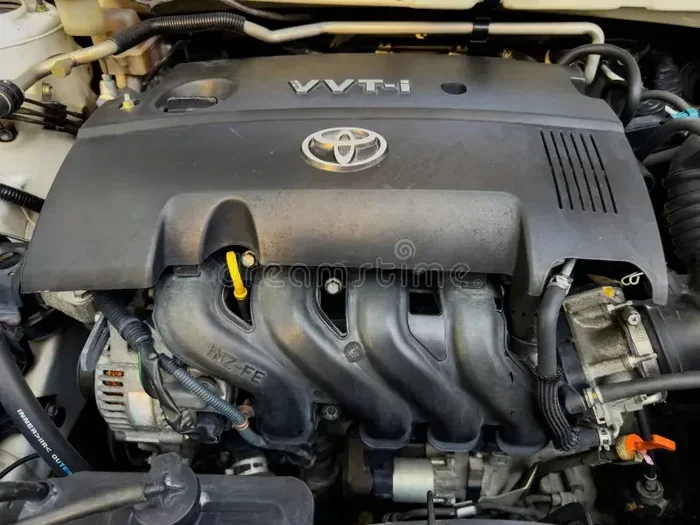
- Toyota 2.5L 4-Cylinder (Camry, RAV4): 200,000 to 300,000 miles with regular maintenance.
- Toyota 4.0L V6 (Tacoma, 4Runner): 200,000 to 250,000 miles before major work is needed.
- Toyota 1.8L Hybrid (Prius, Camry Hybrid): 250,000+ miles due to reduced engine wear from hybrid operation.
- Toyota 5.7L V8 (Tundra, Sequoia): 200,000 to 250,000 miles with proper care.
For comparison, how long is 200,000 miles on a car? It represents roughly 13 to 15 years of average driving at 13,000 to 15,000 miles per year. That’s a long time for any vehicle component. But Toyota engines are specifically designed to handle this kind of mileage.
Why Toyota Engines Outlast the Competition
Toyota’s engineering philosophy prioritizes simplicity and reliability. They use fewer complex components where possible. The engines are designed with tighter tolerances and higher-quality materials. This means less friction, less heat, and less wear over time.
Toyota also tests their engines under extreme conditions. They run them for extended periods at high temperatures and loads. This real-world testing catches potential failures before the engine ever reaches a customer’s driveway. The result is an engine that’s proven to handle decades of daily driving.
Factors That Affect Toyota Engine Longevity
No two Toyota engines age the same way. Several factors determine how long your specific engine will last. Understanding these can help you take control of your engine’s future.
Driving Habits and Conditions
How you drive matters more than you might think. Toyota engine longevity is heavily influenced by your daily driving patterns.
Stop-and-go city driving puts more stress on an engine than steady highway cruising. Frequent short trips where the engine doesn’t fully warm up can cause moisture buildup in the oil. This leads to faster wear over time. On the other hand, highway driving at steady speeds keeps the engine running at optimal temperature and reduces strain.
Here are key driving factors that impact engine life:
- Cold starts: Frequent short trips prevent the engine from reaching full operating temperature.
- Heavy towing: Extra load increases engine heat and wear significantly.
- Aggressive acceleration: Hard starts and rapid acceleration stress internal components.
- Idling: Prolonged idling causes fuel dilution in the oil and increased carbon buildup.
Maintenance Habits
This is where you have the most control. Regular maintenance is the single biggest factor in how long your Toyota engine lasts. Skipping oil changes or ignoring fluid levels can dramatically shorten engine life.
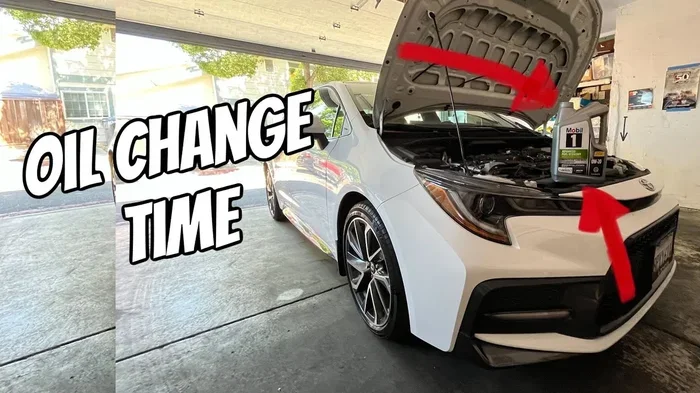
Toyota recommends oil changes every 5,000 to 10,000 miles depending on the model and driving conditions. Using the correct grade of synthetic oil makes a big difference too. Clean oil lubricates engine components, reduces friction, and carries heat away from critical parts.
Beyond oil changes, these maintenance tasks are essential for long engine life:
- Coolant flushes every 30,000 to 50,000 miles to prevent overheating and corrosion.
- Timing belt replacement at the manufacturer’s recommended interval (usually 60,000 to 100,000 miles).
- Air filter changes every 15,000 to 30,000 miles to ensure proper airflow.
- Spark plug replacement as specified in your owner’s manual.
- Transmission fluid changes to reduce strain on the engine through smooth shifting.
Climate and Environment
Where you live affects your engine more than you might expect. Extreme heat accelerates oil breakdown and increases engine wear. Cold climates cause condensation inside the engine, which can lead to corrosion. Dusty or sandy environments clog air filters faster, allowing particles into the combustion chamber.
If you live in an area with harsh weather, you may need to adjust your maintenance schedule. More frequent oil changes and fluid checks can help counteract environmental stress on your Toyota engine.
Signs Your Toyota Engine Needs Attention
Catching engine problems early can save you thousands of dollars. Many Toyota engine trouble signs appear long before a major failure. Knowing what to look for gives you the power to address issues before they become expensive repairs.
Warning Sounds and Noises
Your engine talks to you. Unusual sounds are often the first clue that something is wrong. Here are noises you should never ignore:
- Knocking sounds: Often indicates worn rod bearings or low oil pressure.
- Ticking noises: Can signal low oil, worn valve lifters, or exhaust leaks.
- Grinding: Usually points to bearing failure or metal-on-metal contact.
- Whining: May indicate problems with the water pump, alternator, or power steering system.
Performance Changes to Watch For
Changes in how your engine feels or performs are red flags. A Toyota engine that’s losing its punch needs attention. Pay attention to these symptoms:
- Reduced power or acceleration: Could indicate compression loss or fuel delivery problems.
- Increased oil consumption: Burning oil between changes suggests worn piston rings or valve seals.
- Rough idling or stalling: Often related to spark plugs, fuel injectors, or sensor issues.
- Check engine light: Never ignore this. It’s your car’s way of telling you something needs attention.
When to Get a Diagnostic Check
If you notice any of these symptoms, getting a full car diagnostic is a smart move. Modern Toyotas have onboard computers that store error codes when something goes wrong. A diagnostic scan reveals these codes and points you toward the right fix. It’s a small investment that can prevent a major engine failure down the road.
The cost of a diagnostic check is minimal compared to the cost of a rebuilt or replaced engine. Most dealerships and independent shops can perform a diagnostic in under an hour. If you’re curious about how long a full car diagnostic takes, it typically ranges from 30 minutes to 90 minutes depending on the complexity of the issue.
Maintenance Tips to Extend Your Toyota Engine Life
Prevention is always cheaper than repair. Following a solid maintenance routine keeps your Toyota engine running smoothly for hundreds of thousands of miles. Here are proven tips that actually make a difference.
Stick to the Maintenance Schedule
Your Toyota owner’s manual contains a detailed maintenance schedule. Follow it. Every service interval exists for a reason. Toyota engineers design these schedules based on thousands of hours of testing. They know exactly when each component needs attention.
If you’re unsure about what maintenance your engine needs, consider how much mechanics charge per hour. Regular maintenance is far cheaper than major engine repairs. Staying on top of scheduled services is the best way to avoid expensive surprises.
Use Quality Parts and Fluids
Not all oil, filters, and fluids are created equal. Using genuine Toyota parts or high-quality aftermarket alternatives ensures your engine gets what it needs. Cheap oil might save a few dollars now but can lead to premature engine wear that costs much more later.
Here’s what to prioritize with quality parts:
- Synthetic or semi-synthetic oil for better protection and longer intervals between changes.
- OEM or high-quality air filters to keep contaminants out of the combustion chamber.
- Toyota-spec coolant to prevent corrosion and maintain proper operating temperature.
- Quality spark plugs that match your engine’s specifications for optimal combustion.
Keep Your Engine Warm in Cold Weather
Cold weather is tough on engines. If you live in a northern climate, consider using an engine block heater during winter months. This keeps the oil warm and flowing smoothly, reducing wear during those critical first minutes after a cold start.
Also, give your engine time to warm up before driving hard. Even 30 seconds of idle time allows the oil to circulate and coat all moving parts. This simple habit adds up over years of driving.
Monitor Your Fluid Levels Regularly
Make it a habit to check your fluids weekly. Engine oil, coolant, and transmission fluid all play critical roles in engine health. Low oil levels starve the engine of lubrication. Low coolant causes overheating. Both can lead to catastrophic engine failure if left unchecked.
Quick tips for fluid monitoring:
- Check oil with the engine cold and on a level surface.
- Inspect coolant levels only when the engine is cool to avoid burns.
- Top off any fluids that are low and investigate why they’re dropping.
Toyota Engine Replacement: When and Why
Even the best Toyota engines eventually need attention beyond routine maintenance. Knowing when replacement or a rebuild makes sense saves you from both unnecessary expenses and unexpected breakdowns.
When Replacement Makes Sense
There are clear signs that your Toyota engine may need replacing rather than repairing. Major engine damage like a cracked block, thrown rod, or severe internal wear often makes replacement the most practical option. In these cases, a rebuilt or remanufactured engine can give your vehicle a second life.
Consider replacement when:
- Repair costs exceed the vehicle’s value. If the fix costs more than the car is worth, replacement makes financial sense.
- The engine has catastrophic failure. A seized engine or major internal damage often can’t be repaired economically.
- You’ve hit 250,000+ miles. At this point, a new engine can extend the vehicle’s useful life significantly.
Rebuild vs. Replace
A rebuild involves disassembling the engine, replacing worn parts, and reassembling it. This is often cheaper than a full replacement but requires skilled labor. A replacement engine is a complete unit — either new, remanufactured, or used — that swaps into your vehicle.
Your choice depends on your budget, the vehicle’s overall condition, and how long you plan to keep the car. If you’re wondering how much you should put down on a car versus investing in engine work, consider the total cost of ownership. Sometimes a new vehicle makes more sense than pouring money into an aging engine.
Toyota Models With the Longest-Lasting Engines
Not all Toyota engines are created equal when it comes to longevity. Some models have earned legendary reputations for durability. These are the vehicles that owners keep for 20 years or more and still drive reliably.
The Toyota Camry
The Camry is the poster child for Toyota engine reliability. Its 2.5L 4-cylinder engine regularly lasts beyond 250,000 miles. Owners who keep up with oil changes and basic maintenance often report few major issues even at high mileage. The Camry’s engine is designed for smooth, efficient daily driving, which actually helps it last longer.
The Toyota Land Cruiser
The Land Cruiser is built for extreme durability. Its 4.6L or 5.7L V8 engines are designed to handle heavy loads and tough conditions. Many Land Cruiser owners report 300,000 miles or more with the original engine still intact. This is one of the most long-lasting Toyota engines ever produced.
The Toyota Tacoma
The Tacoma’s 2.7L 4-cylinder or 4.0L V6 engines are tough and proven. The 4.0L V6 in particular has a strong track record of lasting 250,000+ miles. Tacoma owners who maintain their trucks properly often pass them down to family members after 15 or 20 years of service.
The Toyota Prius
The Prius hybrid system reduces engine wear significantly. The gasoline engine runs less frequently and at more consistent loads. Many Prius owners report engine life well beyond 250,000 miles. The hybrid battery and electric motor share the workload, which reduces stress on the combustion engine.
Common Mistakes That Shorten Toyota Engine Life
Avoiding common mistakes is just as important as following good practices. Many Toyota owners unknowingly shorten their engine’s lifespan through simple oversights.
- Ignoring the check engine light: Small problems become big problems fast when left unchecked.
- Skipping oil changes: Old, dirty oil loses its lubricating properties and accelerates wear.
- Using the wrong oil: Not all oil is the same. Using the wrong grade can reduce engine protection.
- Overlooking coolant leaks: Even small leaks can lead to overheating and serious engine damage.
- Neglecting tire rotation: Uneven tire wear puts extra strain on the drivetrain and engine.
- Driving on low fuel frequently: This can overheat the fuel pump and strain the engine’s fuel delivery system.
Most of these mistakes are easily avoidable with a little awareness and discipline. A few minutes of attention each week can add years to your Toyota engine’s life.
Expert Insights on Toyota Engine Longevity
Automotive experts consistently rank Toyota among the top brands for engine durability. According to industry data, Toyota engines have some of the lowest failure rates across all manufacturers. This reliability is why Toyota consistently ranks at the top of consumer trust surveys.
Mechanics who specialize in Toyota vehicles often share the same advice: maintain it simply and maintain it regularly. Toyota engines are designed to be forgiving. They don’t require exotic maintenance routines or expensive additives. Basic care done consistently is all it takes.
One mechanic put it simply: “Toyota engines are like reliable workhorses. Give them clean oil, fresh coolant, and don’t abuse them, and they’ll keep running for a very long time.” This straightforward philosophy is exactly what makes Toyota engines so enduring.
If you’re considering a Toyota for its engine longevity, you’re making a smart choice. The brand’s commitment to quality engineering means your engine will be ready to serve you for decades. Just remember that even the best engine needs care and attention to reach its full potential.
Conclusion
Toyota engines are built to last. With proper maintenance and reasonable driving habits, most Toyota engines will easily reach 200,000 miles or more. Some models push past 300,000 miles without a major rebuild. This incredible durability is a key reason Toyota remains one of the most trusted brands on the road today.
The key to unlocking your Toyota engine’s full lifespan comes down to three things: regular maintenance, quality parts, and attentive driving. Check your fluids, change your oil on schedule, and address warning signs promptly. These simple habits compound over time, adding years of reliable service to your engine.
Whether you’re buying a used Toyota or maintaining one you’ve owned for years, understanding engine longevity helps you make informed decisions. Your Toyota engine is a long-term investment. Treat it well, and it will reward you with years of dependable, worry-free driving.
Take a moment to review your Toyota’s maintenance schedule today. A few proactive steps now can save you from costly repairs later and keep your engine running strong for many miles to come.
Frequently Asked Questions
How many miles can a Toyota engine last with proper maintenance?
Most Toyota engines can last between 200,000 and 300,000 miles when properly maintained. Some models and driving conditions can push this even higher. Regular oil changes, fluid checks, and timely repairs are the biggest factors in reaching these high mileage milestones.
What is the most reliable Toyota engine model?
The Toyota 2.5L 4-cylinder engine found in the Camry and RAV4 is widely considered one of the most reliable. The Land Cruiser’s V8 engine also has an outstanding track record for longevity. Both engines are known for durability and low maintenance costs over their lifespan.
How can I tell if my Toyota engine is wearing out?
Common signs include increased oil consumption, unusual knocking or ticking noises, reduced power, and frequent check engine lights. If you notice any of these symptoms, getting a full car diagnostic can help identify the problem early before it becomes a major repair.
Is it worth replacing a Toyota engine at high mileage?
It depends on the vehicle’s overall condition and the replacement cost. If the car is in good shape otherwise, a rebuilt or remanufactured engine can extend its life significantly. However, if repair costs approach the vehicle’s value, it might be smarter to upgrade. Understanding the fair market value of your car helps you make this decision.
How often should I change the oil in my Toyota engine?
Toyota recommends oil changes every 5,000 to 10,000 miles for most models. Synthetic oil can extend this interval in some cases. Always refer to your owner’s manual for the specific recommendation for your engine type and driving conditions.
Does driving style really affect Toyota engine longevity?
Absolutely. Aggressive driving, frequent short trips, and heavy towing all increase engine wear. Steady highway driving and gentle acceleration reduce stress on engine components. How you drive has a significant impact on how long your Toyota engine lasts on the road.