How Far Can a Toyota Corolla Go on Empty Before Stalling
Most Toyota Corolla models can travel between 30 and 50 miles after the fuel light comes on, but this varies by model year, driving conditions, and habits. Running on fumes risks fuel pump damage and leaving you stranded. Understanding your Corolla fuel range helps you stay safe and avoid costly repairs.
You are cruising down the road, and suddenly the fuel gauge drops to the bottom. The low fuel warning light blares on your dashboard. Your heart sinks a little. How far can you really push your Toyota Corolla before it stalls? This is a question every Corolla owner has faced at least once. The answer is not as simple as a single number. It depends on your model year, driving style, road conditions, and even the weather. In this guide, we will break down everything you need to know about how far a Toyota Corolla can go on empty before stalling. We will cover fuel tank sizes, real-world ranges, warning signs, and practical tips to keep you from getting stranded.
Knowing your Corolla fuel range is more than just curiosity. It is a practical skill that saves time, money, and stress. Whether you are commuting through city traffic or taking a long highway trip, understanding what happens when your fuel gets low can make all the difference. Let us dive in.
Key Takeaways
- Average Range on Empty: Most Toyota Corolla models can go 30 to 50 miles after the fuel light turns on, depending on the year and trim.
- Fuel Tank Size Matters: The Corolla gas tank typically holds between 13 and 15.3 gallons, which directly affects your empty tank distance.
- City vs Highway: Highway mileage gives you more distance on empty than city driving due to steady speeds and better fuel efficiency.
- Fuel Pump Damage Risk: Running your Corolla on fumes repeatedly can cause fuel pump damage and costly Corolla maintenance.
- Distance to Empty Feature: Modern Corollas include a trip computer that estimates remaining range, but it is not always 100% accurate.
- Best Practice: Refuel when your tank hits a quarter full to avoid risks and keep your Corolla fuel economy in top shape.
📑 Table of Contents
Understanding Your Toyota Corolla Fuel Tank
Before we talk about distance, you need to understand the basics of your Corolla fuel tank. The gas tank size varies by model year and trim level. This is the foundation of everything we will discuss next.
Fuel Tank Size by Model Year
Different Toyota Corolla generations come with different fuel tank sizes. Here is a quick comparison to give you a clear picture:
| Model Year Range | Fuel Tank Capacity | Approximate Range on Full Tank |
|---|---|---|
| 2014-2019 (E170) | 13.2 gallons | 400-500 miles |
| 2020-2023 (E210) | 13.2 gallons | 420-520 miles |
| 2003-2013 (E120/E130) | 15.3 gallons | 450-550 miles |
| 2024+ (E210 Refresh) | 13.2 gallons | 430-530 miles |
As you can see, the fuel tank capacity plays a big role in your overall range. But what about when you are running on empty? That is where things get interesting. Most owners do not realize that the fuel gauge is not perfectly precise. The fuel gauge accuracy can vary, especially as the tank empties. What the gauge shows as empty might still have a small reserve left.
When it comes to how many gallons to fill up a car, the Corolla is on the smaller side compared to trucks and SUVs. This means you fill up more often, but it also means the margin for error when you are low on fuel is smaller. Keep that in mind the next time you are tempted to keep driving on fumes.
How the Fuel Gauge Works
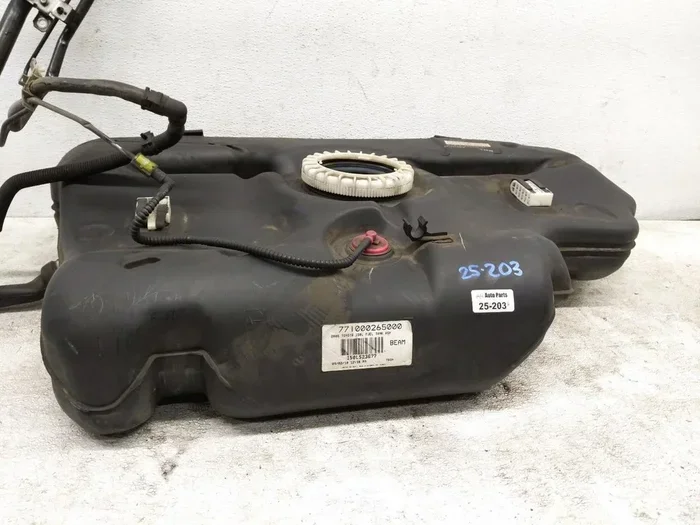
The fuel gauge in your Corolla uses a float sensor inside the tank. As fuel levels drop, the float lowers and sends a signal to the dashboard. However, this system is not perfect. Temperature changes, fuel sloshing, and sensor wear can all affect how accurately the gauge reads your remaining fuel. This is why the distance to empty feature in newer models is helpful but should not be treated as gospel.
How Far Can a Toyota Corolla Go on Empty
Now for the big question. How far can a Toyota Corolla go on empty before stalling? Most owners report being able to drive between 30 and 50 miles after the fuel light comes on. Some have even pushed it to 60 miles under ideal conditions. But these numbers are not guaranteed. Your real-world Corolla mileage on empty will depend on several factors we will cover shortly.
It is important to understand that when the fuel light comes on, your car still has a small reserve. Toyota designs the low fuel warning to give you enough notice to find a gas station safely. It is not meant to tell you that you have zero fuel left. Think of it as a gentle reminder, not an emergency alarm.
City Driving vs Highway Driving
Your driving environment has a huge impact on how far you can go on empty. Here is how the two compare:
- City Driving: Stop-and-go traffic uses more fuel. Your city mileage drops significantly when the fuel level is very low. Expect closer to 30 miles of range on empty in urban conditions.
- Highway Driving: Steady speeds and less braking mean better fuel efficiency. On the highway, you might squeeze out 45 to 50 miles even after the light comes on. Your highway mileage stays more consistent even at low fuel levels.
If you are wondering how this compares to other situations where your car is under stress, consider this: how far can you drive an overheating car is a similar question with a similarly uncertain answer. Both scenarios involve pushing your vehicle beyond its comfort zone, and both carry risks.
The Distance to Empty Feature
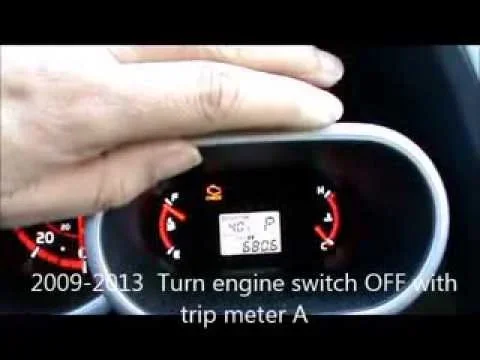
Many newer Toyota Corolla models come equipped with a trip computer that shows your distance to empty. This feature estimates how many miles you can still drive based on your recent fuel consumption. It is a handy tool, but it is not foolproof. The estimate can change quickly if your driving style shifts. Aggressive acceleration, heavy braking, and carrying extra weight all throw off the calculation.
One thing to keep in mind is that the complete drive cycle your car needs to recalibrate its fuel economy estimates can take anywhere from 15 to 30 minutes of mixed driving. So if you fill up and immediately start highway driving, the estimate might not be accurate right away.
Factors That Affect Your Range on Empty
The distance your Corolla can travel on empty is not a fixed number. Several variables come into play. Understanding these factors helps you make better decisions when your fuel is running low.
Driving Habits
How you drive matters a lot. Smooth, steady driving at moderate speeds will get you further on the last few gallons. Aggressive acceleration and speeding burn fuel faster. If you are the type to floor the gas pedal, your range on empty will be shorter. Conversely, if you drive gently and anticipate stops, you can stretch those final miles further.
Road Conditions and Terrain
Flat highways are your best friend when running on low fuel. Hilly terrain, mountain roads, and routes with frequent stops all drain your tank faster. If you live in a hilly area or frequently drive on winding roads, your Corolla fuel economy will suffer more at low fuel levels.
Weather and Temperature
Extreme weather affects your fuel range. Cold temperatures make your engine work harder to maintain operating temperature. Hot weather can cause fuel to evaporate slightly faster. Neither extreme is good when you are trying to squeeze out every last mile. Winter conditions are generally the worst for running on fumes because the engine needs more fuel to warm up.
Vehicle Load and Accessories
Carrying heavy cargo or towing a trailer increases fuel consumption. Even roof racks and cargo boxes create aerodynamic drag that reduces your range. If you are running low on fuel, try to minimize extra weight and remove any accessories that create drag. Every little bit helps when you are on fumes.
Warning Signs Before Your Corolla Stalls
Your Corolla gives you several warning signs before it completely runs out of fuel. Paying attention to these signals can help you avoid a stressful situation. If you notice any of these signs, find a gas station immediately.
The Fuel Light and Its Meaning
The fuel warning light is the most obvious signal. In most Toyota Corolla models, this light illuminates when the fuel level drops to roughly 2 to 3 gallons remaining. That might sound like a lot, but at highway speeds, you are burning through fuel quickly. The light is your first cue to refuel soon.
Some owners wonder if it is safe to keep driving with the check engine light on. While the check engine light can mean many things, a flashing check engine light combined with a low fuel situation is a red flag. It could indicate engine misfires caused by fuel starvation. Do not ignore it.
Engine Behavior When Fuel Is Critical
As your fuel level drops to the very bottom, you may notice changes in how your engine runs. Here are common signs that your Corolla is about to stall:
- Engine sputtering: The engine misfires or stutters, especially at higher speeds. This happens when the fuel pump cannot draw fuel consistently.
- Loss of power: Your Corolla feels sluggish when you press the accelerator. The engine struggles to maintain speed.
- Stalling at idle: The engine dies when you come to a complete stop. This is a clear sign that fuel is nearly gone.
- Dashboard flickering: Electrical components may behave erratically as the alternator struggles with low fuel system pressure.
If you experience any of these symptoms, pull over safely as soon as possible. Continuing to drive risks complete engine shutdown in an unsafe location.
What Happens When You Run Out of Gas
Running out of fuel completely is more than just an inconvenience. It can cause real damage to your vehicle and create safety hazards. Let us look at what happens when your Corolla stalls from an empty tank.
Damage to the Fuel Pump
This is the biggest concern. Your Corolla’s fuel pump relies on fuel to cool itself during operation. When the tank runs dry, the pump can overheat and fail. Fuel pump replacement is an expensive repair. Depending on your model year, you could be looking at a bill of $400 to $1,000 or more. Repeatedly running on empty shortens the life of your fuel pump significantly.
Think of it this way: the fuel acts as a lubricant and coolant for the pump. Without it, metal-on-metal contact causes wear and eventual failure. This is one of the most common fuel pump damage causes, and it is entirely preventable.
Safety Risks on the Road
Beyond mechanical damage, running out of gas creates safety risks. If your Corolla stalls in traffic, on a highway, or in a remote area, you are exposed to danger. Other drivers may not see you stopped. You could be stuck waiting for a tow truck in an unsafe location. In cold weather, being stranded without fuel means no heat. In hot weather, it means no air conditioning. These are real risks that are easy to avoid by simply refueling sooner.
To put this in perspective, how far can you drive an overheating car is a similar question about pushing vehicle limits. Just like with overheating, running on empty is something you should never test on purpose. The consequences can be serious and costly.
Tips to Avoid Getting Stranded
The best way to deal with low fuel is to prevent the situation entirely. Here are practical tips that every Corolla owner should follow.
Best Practices for Fuel Management
- Refuel at a quarter tank: Do not wait for the fuel light. Make it a habit to fill up when your tank reaches one-quarter full. This gives you a comfortable buffer and protects your fuel pump.
- Monitor your distance to empty display: Use the trip computer to track your remaining range. Reset it after every fill-up for the most accurate reading.
- Plan your routes: When taking a long trip, identify gas stations along your route before you leave. Do not rely on finding fuel in unfamiliar areas.
- Keep your tank at least half full in winter: Cold weather can cause condensation in the tank, which can lead to fuel line issues. A fuller tank reduces this risk.
- Use the right fuel grade: Always use the fuel grade recommended in your Corolla owner’s manual. Using the wrong fuel can reduce efficiency and potentially cause engine problems.
When to Refuel
The simple rule is: refuel early and often. The cost of an extra trip to the gas station is nothing compared to the cost of a fuel pump replacement or a tow truck. If you are on a long road trip, plan to stop for fuel every 300 miles or so, even if your tank is not close to empty. This keeps your fuel level stable and your engine happy.
For those who wonder about Corolla maintenance in general, fuel system care is one of the easiest and most cost-effective things you can do. Keeping your tank at least a quarter full, using quality fuel, and replacing your fuel filter on schedule are all simple steps that extend the life of your vehicle.
Conclusion
So, how far can a Toyota Corolla go on empty before stalling? The short answer is 30 to 50 miles on average, but this number varies widely based on your model year, driving conditions, and habits. The real takeaway is that running on empty is a gamble. You might make it to the next station, or you might not. And even if you do, you risk damaging your fuel pump and reducing the overall lifespan of your vehicle.
The best approach is simple: pay attention to your fuel gauge, refuel before you hit empty, and treat the low fuel warning as a prompt to find a gas station, not a challenge. Your Toyota Corolla is a reliable and efficient car, but it still needs fuel to run. Treat it well, and it will reward you with years of dependable service and excellent Corolla fuel economy.
Stay proactive about your fuel levels, and you will never have to worry about getting stranded or facing expensive repairs. A little planning goes a long way. Keep your tank topped up, drive safely, and enjoy the ride.
Frequently Asked Questions
Can I drive my Toyota Corolla with the fuel light on?
Yes, you can drive a short distance with the fuel light on. Most Toyota Corolla models have a reserve of about 2 to 3 gallons remaining when the light comes on. This typically gives you 30 to 50 miles of driving, but you should refuel as soon as possible to avoid risks.
What is the fuel tank size for a Toyota Corolla?
The fuel tank size varies by model year. Most modern Toyota Corolla models from 2014 onward have a 13.2-gallon tank. Older models from 2003 to 2013 may have a 15.3-gallon tank. Check your owner’s manual for the exact capacity of your specific model.
How many miles per gallon does a Toyota Corolla get?
Toyota Corolla fuel economy varies by trim and driving conditions. Most models achieve between 30 and 40 miles per gallon combined. City driving typically yields around 28 to 32 MPG, while highway driving can reach 35 to 42 MPG depending on the model year.
Will running on empty damage my Toyota Corolla?
Yes, repeatedly running on empty can damage your fuel pump. The pump relies on fuel for cooling and lubrication. When the tank runs dry, the pump can overheat and fail, leading to expensive repairs. It is best to keep your tank at least a quarter full at all times.
How accurate is the distance to empty feature in a Toyota Corolla?
The distance to empty feature provides a reasonable estimate based on your recent fuel consumption. However, it is not perfectly accurate. Driving habits, road conditions, and weather can all affect the estimate. Use it as a guide, not a guarantee.
What should I do if my Toyota Corolla stalls from running out of gas?
If your Corolla stalls from an empty tank, pull over safely and turn on your hazard lights. Call for roadside assistance or a tow truck if needed. Once your car is refueled, it should restart normally. However, if the engine does not restart, you may need professional assistance to check for fuel pump or fuel system issues.