How Does the Toyota Hybrid System Work and Why It Matters
The Toyota Hybrid System combines a gasoline engine, electric motor, and battery pack to deliver exceptional fuel efficiency and a cleaner driving experience. It uses regenerative braking and a power-split device to seamlessly switch between power sources, making it one of the most proven hybrid technologies on the road today. Understanding how this system works helps drivers get the most out of their Toyota hybrid vehicle.
The Toyota Hybrid System has been turning heads and saving fuel for over two decades. Whether you are considering your first hybrid or already own one, understanding how this technology works can completely change the way you drive. It is not magic, though the results can feel like it.
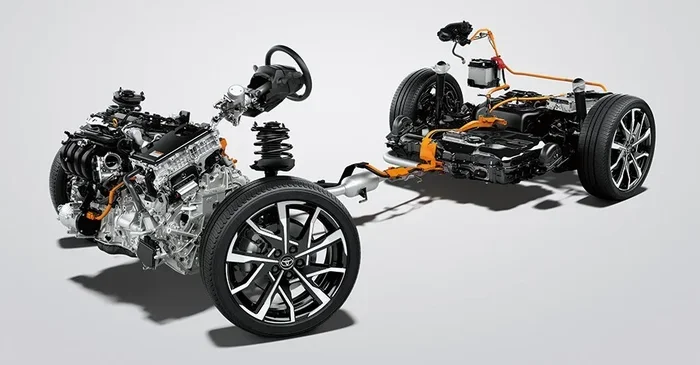
At its core, the Toyota Hybrid System cleverly combines a gasoline engine, an electric motor, and a battery pack. These components work together to deliver power when you need it while wasting as little energy as possible. The result is a vehicle that sips fuel and keeps the environment cleaner.
So how does the Toyota Hybrid System actually do all of this? And why should you care? Let us break it all down in simple terms. By the end of this guide, you will understand exactly what is happening under the hood every time you press the pedal.
Key Takeaways
- Seamless Power Switching: The Toyota Hybrid System automatically switches between the electric motor and gasoline engine for optimal efficiency.
- Regenerative Braking Is Key: This system recaptures energy during braking and stores it in the hybrid battery for later use.
- No Plug-In Required: Most Toyota hybrids are self-charging, meaning you never need to plug them in to recharge the battery.
- Impressive Fuel Economy: The hybrid powertrain delivers significantly better mileage than a conventional gasoline engine alone.
- Proven Technology: Toyota has refined this system for over 25 years, making it one of the most reliable hybrid drivetrains available.
- Eco Mode Boosts Efficiency: Using eco mode can further improve fuel savings during everyday driving.
📑 Table of Contents
- The Core Components of the Toyota Hybrid System
- How Power Flow Works in a Toyota Hybrid
- Regenerative Braking: The Secret Sauce
- The Power-Split Device: Engineering Brilliance
- Why the Toyota Hybrid System Matters
- Common Myths About the Toyota Hybrid System
- Tips for Getting the Most Out of Your Toyota Hybrid System
- Conclusion
The Core Components of the Toyota Hybrid System
Before we dive into the mechanics, let us look at the main players. Every Toyota hybrid relies on a few essential parts working in harmony. Here is what makes the hybrid powertrain so effective.
The Gasoline Engine
The gasoline engine in a Toyota hybrid works much like the one in a regular car. It burns fuel to create power. However, in a hybrid setup, this engine does double duty. It drives the wheels when needed and also acts as a generator to recharge the battery.
Toyota designs these engines specifically for hybrid use. They are lighter, more efficient, and optimized for stop-and-go driving. This is a big reason why the Toyota Hybrid System performs so well in city traffic.
The Electric Motor
The electric motor is the real star of the show. It provides instant torque, which means quick, smooth acceleration from a standstill. In many Toyota hybrids, the electric motor handles low-speed driving entirely, so the gasoline engine stays off when you are creeping through traffic.
When more power is needed, the electric motor and gasoline engine team up. This seamless collaboration is what makes driving a Toyota hybrid vehicle feel so natural. You barely notice when one power source hands off to the other.
The Hybrid Battery Pack
The battery pack stores electrical energy for the electric motor to use. Unlike the battery in a regular car, this one is designed to last the lifetime of the vehicle. Toyota uses either nickel-metal hydride or lithium-ion batteries depending on the model.
One common question many drivers ask is, can you drive a Prius without the hybrid battery? The short answer is no. The battery is essential to the system working properly. Without it, the electric motor cannot assist, and the overall hybrid powertrain loses its efficiency. If you want to learn more about this topic, check out our detailed guide on can you drive a Prius without the hybrid battery.
How Power Flow Works in a Toyota Hybrid
Now that we know the parts, let us see how they work together. The Toyota Hybrid System uses a clever mechanism called a power-split device. This device determines how power flows from the engine and motor to the wheels.
Electric-Only Driving Mode
At low speeds, such as when pulling out of a parking spot or driving through a neighborhood, the electric motor does all the work. The gasoline engine stays completely off. This is why hybrids are so quiet at low speeds.
Electric-only mode is perfect for city driving. It uses zero fuel and produces no emissions during these short trips. The range of electric-only driving varies by model, but it typically covers the first one to two miles at low speeds.
Combined Power Mode
When you step on the accelerator hard, both the electric motor and gasoline engine kick in together. This combined power mode gives you the extra boost you need for highway merging or passing.
The system decides how much power each source contributes based on demand. It is all handled automatically. You do not need to flip any switches or make any adjustments. The Toyota Hybrid System manages everything behind the scenes.
Cruising and Efficient Driving
During steady cruising, the gasoline engine takes over as the primary power source. At the same time, it sends some energy to recharge the battery. This clever setup means your hybrid vehicle is always preparing for the next burst of electric power.
For drivers who want to maximize fuel savings, using eco mode can make a real difference. To learn how much mileage eco mode saves, visit our guide on how much mileage does eco mode save. Simple adjustments like this can add up to significant savings over time.
Regenerative Braking: The Secret Sauce
If there is one feature that sets the Toyota Hybrid System apart, it is regenerative braking. This is the technology that makes a hybrid truly self-sustaining.
How Regenerative Braking Works
In a conventional car, braking simply converts kinetic energy into heat. That energy is lost forever. In a Toyota hybrid, regenerative braking captures that energy and turns it back into electricity.
When you lift off the accelerator or press the brake pedal gently, the electric motor reverses its role. Instead of using electricity to move the car, it now acts as a generator. It converts the car’s forward motion back into stored energy in the battery pack.
This process happens every single time you slow down. Over the course of a day of driving, regenerative braking can recover a surprising amount of energy. It is one of the main reasons Toyota hybrids achieve such impressive fuel economy.
Benefits Beyond Fuel Savings
Regenerative braking does more than save fuel. It also reduces wear on your traditional brake pads. Because the electric motor handles much of the deceleration, your mechanical brakes last longer. This means fewer trips to the mechanic and lower maintenance costs over time.
Additionally, this system helps keep the battery charged without ever needing a plug. That is why most Toyota hybrids are called self-charging hybrids. You drive, you charge, you save. It is a beautifully simple cycle.
The Power-Split Device: Engineering Brilliance
The power-split device is the brain of the Toyota Hybrid System. It is a planetary gear set that connects the engine, motor, and generator in one elegant unit. This component is what allows the seamless transitions between power sources that make hybrids feel so smooth.
How the Planetary Gear Set Works
A planetary gear set has three main components: a sun gear, a ring gear, and a planet carrier. Each one connects to a different part of the hybrid system. By controlling the speed and direction of these gears, the system can split power in any direction it needs.
For example, when starting from a stop, the power-split device routes energy from the electric motor to the wheels. When cruising, it directs power from the gasoline engine while also sending some to the generator. This constant, automatic adjustment is what makes the Toyota Hybrid System so efficient.
Why This Matters for Drivers
You never have to think about which power source is active. The power-split device handles all of the complex decisions for you. It ensures the engine runs only when it is most efficient, and it always keeps the battery at the right charge level.
This is a huge advantage over plug-in hybrids or fully electric vehicles that require more driver input. The Toyota system works automatically, every single time. You just drive, and the system optimizes everything for you.
Why the Toyota Hybrid System Matters
Understanding the technology is one thing, but why does it actually matter for you as a driver? The benefits go far beyond just saving money at the pump.
Exceptional Fuel Efficiency
The most obvious benefit is fuel savings. Toyota hybrids regularly achieve 40 to 50 miles per gallon in combined driving. Compare that to a similar-sized conventional sedan, and the difference is dramatic. Over years of ownership, those savings really add up.
For drivers who spend a lot of time in stop-and-go traffic, the advantage is even greater. The electric motor handles low-speed driving efficiently, while the gasoline engine stays off during idle. This means you burn less fuel during the exact conditions where most cars waste the most gas.
Lower Emissions and Environmental Impact
Every time you drive a Toyota hybrid, you are producing fewer harmful emissions. The electric-only mode eliminates tailpipe pollution during low-speed driving. And because the system uses less gasoline overall, your total carbon footprint is significantly smaller.
If you care about the environment but are not ready to go fully electric, a Toyota hybrid is a fantastic middle ground. It gives you the benefits of electric driving with the convenience and range of a gasoline engine.
Proven Reliability and Longevity
Toyota has been perfecting its hybrid system since the late 1990s. The original Toyota Prius launched in 1997, and the technology has only improved since then. Today, millions of Toyota hybrids are on the road worldwide, and they are known for their durability.
Many Toyota hybrid owners report crossing 200,000 miles with the original hybrid battery still performing well. The system is designed to be maintenance-friendly and long-lasting. This reliability is a huge reason why the Toyota brand dominates the hybrid market.
Smooth and Quiet Driving Experience
Let us not forget the driving experience. Toyota hybrids are remarkably quiet and smooth. The transition between electric and gasoline power is nearly imperceptible. You get a serene cabin experience that makes every drive more pleasant.
The instant torque from the electric motor also makes the car feel responsive and lively. Even though hybrids are often associated with being slow, modern Toyota hybrids offer surprisingly quick acceleration. It is a driving experience that keeps improving the longer you own the car.
Resale Value and Market Demand
Toyota hybrids hold their value exceptionally well. The strong reputation for reliability means used Toyota hybrids sell quickly and at premium prices. If you are considering the total cost of ownership, the resale value of a Toyota hybrid is a major advantage.
As more buyers prioritize fuel efficiency and eco-friendly driving, demand for Toyota hybrids continues to grow. This trend supports strong resale values and makes the initial investment even more worthwhile.
Common Myths About the Toyota Hybrid System
There are a lot of misconceptions about how Toyota hybrids work. Let us clear up some of the most common ones.
Myth 1: Hybrid Batteries Need Frequent Replacement
This is one of the biggest fears potential buyers have. The truth is that Toyota hybrid batteries are designed to last the life of the vehicle. Many owners never need a replacement. Toyota also offers extensive warranty coverage for hybrid components, giving you peace of mind.
Myth 2: You Need to Plug In a Toyota Hybrid
Most Toyota hybrids are self-charging. The regenerative braking system and gasoline engine handle all battery charging automatically. You never need to find a charging station or plug the car in at night. This is a huge convenience advantage over plug-in hybrids and fully electric vehicles.
Myth 3: Hybrids Are Slow and Boring
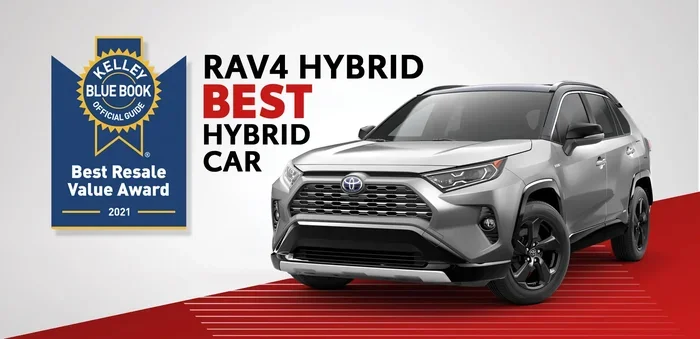
The instant torque from the electric motor makes Toyota hybrids surprisingly quick off the line. Models like the Toyota Camry Hybrid and Toyota RAV4 Hybrid offer spirited performance that rivals or exceeds their gasoline counterparts. Driving a hybrid is far from boring.
Myth 4: Hybrid Maintenance Is Expensive
Toyota hybrid maintenance is actually quite affordable. The regenerative braking system reduces wear on brake components. The gasoline engine runs less often, which means fewer oil changes and less overall wear. Many owners find that their hybrid costs less to maintain over time.
Tips for Getting the Most Out of Your Toyota Hybrid System
Want to maximize the benefits of your Toyota hybrid? Here are some practical tips to help you get the most out of the Toyota Hybrid System.
- Learn Your Driving Modes: Most Toyota hybrids offer multiple driving modes. Experiment with eco mode, normal mode, and power mode to find what works best for your daily routine.
- Use Regenerative Braking to Your Advantage: Anticipate stops and lift off the accelerator early. This lets the regenerative braking system capture more energy.
- Keep Your Battery Healthy: Avoid letting the battery drain completely. The system manages this automatically, but driving regularly helps maintain optimal battery health.
- Monitor Your Fuel Economy: Keep an eye on the onboard fuel economy display. It gives you real-time feedback on how efficiently you are driving.
- Plan Longer Trips: Toyota hybrids are excellent for road trips. The gasoline engine provides full range, and you can learn more about how long a hybrid can sit without being driven in our guide on how long can a hybrid sit without being driven.
For a deeper understanding of how all of these components interact, our step-by-step guide on how does a hybrid car work step by step is a great resource to explore.
Conclusion
The Toyota Hybrid System is a masterpiece of modern engineering. It seamlessly blends a gasoline engine, electric motor, and advanced battery technology to deliver a driving experience that is efficient, clean, and genuinely enjoyable. From regenerative braking to the power-split device, every component serves a purpose and works together flawlessly.
Whether you are new to hybrids or a long-time Toyota fan, understanding how this system works empowers you to drive smarter and get more from your vehicle. The benefits are clear: better fuel economy, lower emissions, reduced maintenance costs, and a smooth, quiet ride.
The Toyota Hybrid System is not just a technology trend. It is a proven, reliable, and intelligent approach to driving that has stood the test of time. And as Toyota continues to innovate, this system will only get better. So the next time you get behind the wheel of a Toyota hybrid, remember all the brilliant engineering working silently to make your drive better.
Frequently Asked Questions
How does the Toyota Hybrid System charge the battery?
The Toyota Hybrid System charges the battery through two main methods. First, regenerative braking captures energy normally lost during deceleration and stores it as electricity. Second, the gasoline engine acts as a generator, converting fuel energy into electrical energy to recharge the battery. You never need to plug the car in.
Can I drive a Toyota hybrid in cold weather?
Yes, Toyota hybrids perform well in cold weather. The gasoline engine provides reliable heat and power, while the electric motor assists during acceleration. Battery performance may be slightly reduced in extreme cold, but the hybrid system automatically adjusts to maintain efficiency. For more on how weather affects your car, check out our article on does running the heater help cool the engine.
How long does the Toyota hybrid battery last?
Toyota hybrid batteries are designed to last the lifetime of the vehicle. Many owners report 200,000 miles or more with the original battery still functioning well. Toyota also provides extensive warranty coverage for hybrid components, typically covering the battery for 8 to 10 years or up to 100,000 miles depending on your location.
Is the Toyota Hybrid System the same as a plug-in hybrid?
No, the standard Toyota Hybrid System is a self-charging hybrid that does not require plugging in. Plug-in hybrids, like the Toyota Prius Prime, have larger batteries that can be charged externally. However, the core hybrid technology and power-split mechanism remain similar across both systems.
Does the Toyota Hybrid System require special maintenance?
No, Toyota hybrids use the same basic maintenance schedule as conventional vehicles. Oil changes, tire rotations, and brake inspections are all still required. The regenerative braking system actually reduces brake wear, which can lower maintenance costs over time. Regular service at a Toyota dealership or qualified mechanic is all you need.
What happens if the hybrid battery fails?
If the hybrid battery fails, the gasoline engine can still operate, but the vehicle will lose its electric assist and fuel efficiency will drop significantly. Toyota hybrid batteries are built to last a very long time, and failures are rare. When replacement is needed, Toyota offers warranty coverage and competitive battery replacement options. For more information on battery-related concerns, visit our guide on how long can a hybrid sit without being driven.