How Far Can A Corolla Go On Empty Without Stalling
Most Toyota Corollas can travel between 40 to 60 miles after the low fuel light comes on, depending on the model year and driving conditions. Understanding your Corolla fuel range helps you avoid getting stranded and prevents costly damage to the fuel pump. This guide covers everything you need to know about driving on empty safely.
Key Takeaways
- Corolla Range on Empty: Most models can go 40-60 miles after the fuel light turns on
- Fuel Tank Capacity: The Corolla typically holds 13-16 gallons depending on the trim
- Damage Risk: Running on empty frequently can damage the fuel pump and engine
- MPG Matters: Your driving habits significantly affect how far you can go on reserve fuel
- Warning Signs: Know the symptoms that indicate you’re about to run out of gas
- Best Practice: Refuel when your tank hits a quarter full to protect your vehicle
How Far Can A Corolla Go On Empty Without Stalling?
You are cruising down the highway, and suddenly the low fuel light blinks on. Your heart sinks a little. You wonder, “How much further can I go?” This is a situation every Toyota Corolla driver has faced. The good news is that your car still has some reserve fuel left. But how much? And is it safe to keep driving?
The answer depends on several factors. Your Corolla fuel range on empty varies by model year, engine type, and driving conditions. Most drivers can squeeze out 40 to 60 miles after the warning light appears. But pushing it too far can lead to expensive repairs. Let us break down everything you need to know about driving on empty safely.
The Toyota Corolla is one of the most reliable sedans on the road. Millions of drivers trust it for daily commutes and long road trips alike. Yet even the best car needs fuel to run. Understanding your Corolla MPG and fuel capacity helps you plan better and avoid getting stranded.
Understanding Your Corolla’s Fuel System
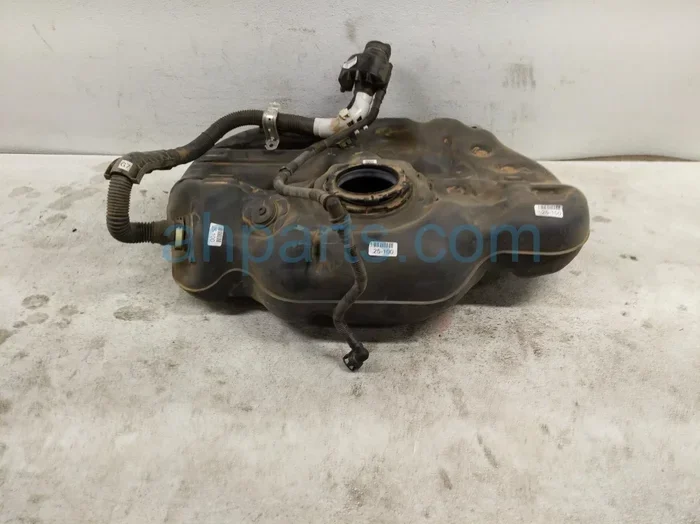
Before we dive into numbers, let us look at how your Corolla fuel system works. The fuel tank holds a specific amount of gasoline. A fuel gauge on your dashboard shows how much gas you have left. When the level drops low, a warning light comes on.
Most Toyota Corolla models have a fuel tank capacity between 13 and 16 gallons. The reserve fuel is the small amount left after the gauge hits empty. This reserve is not meant for regular driving. It is a safety buffer to get you to the nearest gas station.
The fuel pump sits inside the tank. It uses gasoline to cool itself while working. When the fuel level drops very low, the pump can overheat. This is one of the biggest risks of running on empty too often.
How Far Can a Corolla Really Go on Empty?
The range on empty for a Toyota Corolla depends on several key factors. Let us look at what those are and how they affect your mileage.
Fuel Tank Capacity: A standard Corolla holds about 13.2 gallons. Some newer models or trims may hold closer to 16 gallons. The more fuel your tank holds, the further you can go on reserve.
Fuel Efficiency: The Corolla MPG varies by engine type. The base 4-cylinder engine gets around 30-35 MPG on the highway. The hybrid version can reach 50+ MPG. Better fuel efficiency means more miles on the last bit of gas.
Driving Conditions: City driving uses more fuel than highway driving. Stop-and-go traffic drains your tank faster. Cold weather also reduces your gas mileage. So your Corolla fuel range on empty will differ based on where and how you drive.
Here is a quick breakdown of what to expect:
- City Driving: 30-40 miles on reserve
- Highway Driving: 45-60 miles on reserve
- Hybrid Models: 50-70 miles on reserve
- Aggressive Driving: 25-35 miles on reserve
Keep in mind these are estimates. Your actual range on empty may vary. The best approach is to refuel as soon as the light comes on.
What Happens When You Run on Empty?
Running your Toyota Corolla on empty might seem harmless for a short distance. But doing it regularly can cause serious problems. Let us look at what happens inside your car when the fuel level drops dangerously low.
Fuel Pump Damage: The fuel pump relies on gasoline to stay cool. When the tank is nearly empty, the pump can suck in air. This causes overheating and premature wear. Replacing a fuel pump can cost anywhere from $400 to $800.
Engine Stalling: When your car runs out of fuel completely, the engine stalls. This can happen suddenly and without warning. Stalling in traffic or on a highway is dangerous. It can also cause damage to the engine management system.
Debris in the Fuel System: Over time, sediment and debris settle at the bottom of the fuel tank. When you run on empty, the fuel pump can pull this debris into the system. This can clog fuel filters and injectors. Clogged injectors lead to poor performance and reduced fuel economy.
Corrosion: An empty tank means air fills the space. Moisture in the air can cause rust inside the tank. Rust particles can then enter the fuel system and cause damage throughout.
Stranding: The most immediate risk is getting stranded. You might be on a deserted road or in an unsafe area. Running out of fuel can turn a simple drive into a stressful situation.
Tips to Maximize Your Corolla’s Range
Want to squeeze every last mile out of your Corolla fuel range? Here are some practical tips to help you go further and protect your car at the same time.
Drive Smoothly: Avoid rapid acceleration and hard braking. Smooth driving improves your Corolla MPG significantly. Maintain a steady speed whenever possible.
Reduce Weight: Extra weight in your car uses more fuel. Remove unnecessary items from your trunk and back seat. Every extra pound counts when you are running low on gas.
Use Cruise Control: On highways, cruise control helps maintain a consistent speed. This reduces fuel consumption compared to varying your speed manually.
Keep Windows Closed at High Speeds: Open windows create drag. Drag reduces your fuel efficiency at highway speeds. Use the air conditioning instead when driving fast.
Check Tire Pressure: Underinflated tires create more rolling resistance. This makes your engine work harder and use more fuel. Check your tire pressure at least once a month.
Plan Your Routes: Combine errands into one trip. Cold starts use more fuel than warm engine driving. Planning your route helps you drive less overall.
Maintain Your Vehicle: Regular maintenance keeps your car running efficiently. Change your fuel filters on schedule. Use the recommended motor oil grade. Keep your engine tuned for best performance.
When Should You Refuel to Avoid Damage?
The best practice is to refuel before you hit empty. But how do you know when it is time to stop for gas? Here are the signs that your Corolla needs fuel soon.
The Low Fuel Light: This is your first warning. When it comes on, you still have reserve fuel. But do not wait too long. Plan your next stop within 30-40 miles.
Fuel Gauge Below Quarter: Many experts recommend refueling when your tank drops below one-quarter full. This keeps the fuel pump cool and prevents sediment from clogging the system.
Engine Hesitation: If your car hesitates or sputters, your fuel level might be critically low. This is a sign that the fuel pump is struggling to draw fuel.
Reduced Power: A noticeable drop in power when accelerating can indicate low fuel. Your engine needs a steady fuel supply to perform at its best.
Strange Noises: Whining or humming sounds from the rear of the car can signal a struggling fuel pump. This often happens when the tank is nearly empty.
Best Practice: Make it a habit to fill up when your tank reaches the quarter mark. This simple habit can save you from costly repairs and inconvenient breakdowns.
Common Myths About Driving on Empty
There are many myths surrounding driving on empty. Let us debunk some of the most common ones.
Myth 1: You Can Drive 100+ Miles on Empty. Some drivers claim they can go much further than the reserve range. While it is possible in rare cases, it is not reliable. Your Corolla fuel range on empty is limited. Relying on it is risky.
Myth 2: Running on Empty Cleans the Tank. This is completely false. Running on empty stirs up sediment and pushes it through your fuel system. This causes damage, not cleaning.
Myth 3: Modern Cars Can Handle Empty Driving. Even with advanced technology, all cars need fuel to run. The Toyota Corolla is reliable, but it is not designed to operate without fuel.
Myth 4: The Reserve Tank Gives You Plenty of Range. The reserve is not a second tank. It is just the remaining fuel in the main tank when the gauge reads empty. It is meant for short distances only.
Myth 5: You Can Save Money by Running on Empty. Driving on empty can cost you more in the long run. Fuel pump repairs are expensive. Getting stranded also has hidden costs like towing and missed appointments.
Corolla Models and Their Empty Tank Range
Different Toyota Corolla models have slightly different fuel capacities and ranges. Here is a quick comparison of popular models:
Corolla L (Base Model): 13.2-gallon tank, approximately 40-50 miles on reserve. The standard engine gets around 31 MPG combined.
Corolla SE: Same tank size as the L trim. The sport-tuned suspension does not significantly affect fuel range. Expect similar mileage on empty.
Corolla Hybrid: The hybrid version has a smaller gas tank but better fuel economy. With 11.3 gallons and 50+ MPG, the hybrid can go 50-70 miles on reserve fuel. This makes it the best choice if you ever find yourself low on gas.
Corolla Cross: This compact SUV version holds 13.2 gallons. Its slightly larger size and higher ride height may reduce fuel efficiency slightly. Expect 35-45 miles on reserve.
Corolla Hatchback: With 13.2 gallons and a sportier driving feel, the hatchback offers similar range to other trims. Your driving style will determine the exact range on empty.
Remember, these numbers are estimates. Your actual range depends on how you drive and the conditions you face. Always prioritize refueling over testing your limits.
How to Find the Nearest Gas Station When You Are Low
When your low fuel light comes on, finding the nearest gas station becomes a priority. Here are some practical ways to locate fuel quickly.
Use Navigation Apps: Google Maps and Apple Maps show nearby gas stations. Simply search for “gas station” or “fuel” and follow the directions.
Check Fuel Apps: Apps like GasBuddy show gas prices and station locations along your route. These apps help you find the best deal while staying safe.
Follow Major Roads: If you are on a highway, exit at the next opportunity. Gas stations are usually located near highway exits and rest stops.
Ask Locals: If you are in an unfamiliar area, ask someone at a nearby shop or restaurant. They usually know the closest fuel options.
Keep a Emergency Fuel Can: For long trips through remote areas, consider carrying a small emergency fuel can. Just 1-2 gallons can get you to the next station safely.
The Cost of Ignoring Your Fuel Gauge
Ignoring your fuel gauge repeatedly can lead to significant expenses. Let us look at the potential costs of running your Corolla on empty too often.
Fuel Pump Replacement: $400-$800 depending on your model year and labor rates.
Fuel Filter Replacement: $50-$150 if debris clogs the system.
Engine Repair: If stalling causes damage, repairs can range from $200 to $2,000+.
Towing Costs: Getting stranded can cost $75-$200 for a tow to the nearest station.
Lost Time and Productivity: Being stranded costs you time and stress that no price tag can measure.
Compare these costs to the price of a regular fill-up. A full tank costs $40-$70 depending on gas prices. Keeping your tank at least a quarter full saves you from all these expenses.
Expert Tips for Better Fuel Management
Track Your Fuel Economy: Use your trip meter to calculate your Corolla MPG manually. Divide miles driven by gallons used. This helps you spot any drops in efficiency early.
Fill Up in the Morning: Gas is denser in cooler temperatures. Filling up early in the day gives you slightly more fuel for your money.
Avoid Topping Off: Overfilling your tank can cause fuel to enter the EVAP system. This can trigger warning lights and require expensive repairs.
Use the Right Fuel Grade: Most Toyota Corolla models run fine on regular unleaded. Check your owner manual to confirm. Using premium fuel does not improve fuel efficiency in standard Corolla models.
Keep Your Tank Clean: Choose reputable gas stations with high fuel turnover. Fresh fuel contains fewer contaminants that can harm your fuel system over time.
Monitor Fuel Level Digitally: Many newer Corolla models have digital fuel displays. Use these to track your remaining range more accurately than the traditional gauge.
Final Thoughts on Driving Your Corolla on Empty
Your Toyota Corolla is a reliable and efficient vehicle. But even the best car needs fuel to keep running. Understanding your Corolla fuel range on empty helps you make better decisions at the pump.
The short answer to “how far can a Corolla go on empty” is 40 to 60 miles for most models. But this should not be treated as a challenge to see how far you can push it. Treat the reserve range as a safety net, not a regular driving strategy.
Keep your tank at least a quarter full. Refuel as soon as the warning light appears. Practice good driving habits to maximize your fuel efficiency. These simple steps protect your car and keep you safe on the road.
If you are ever unsure about your Corolla MPG or fuel system health, consult a trusted mechanic. Regular maintenance keeps your Toyota Corolla running strong for years to come. A little attention to your fuel habits goes a long way toward avoiding breakdowns and costly repairs.
Remember, the best time to refuel is before you need to. Your car will thank you for it with reliable performance and a longer lifespan.
Frequently Asked Questions
Can I Drive My Corolla on Empty for 50 Miles?
Most Toyota Corolla models can travel between 40 and 60 miles after the low fuel light comes on. However, this is an estimate and depends on your driving style, road conditions, and model year. It is best to refuel as soon as the warning light appears rather than testing your limits.
What Is the Fuel Tank Capacity of a Toyota Corolla?
The standard Corolla fuel tank holds approximately 13.2 gallons. Some newer models and trims may have slightly different capacities, ranging from 11.3 gallons for the hybrid version to 16 gallons for certain trims. Check your owner manual for the exact specification of your model.
How Many Miles Per Gallon Does a Corolla Get?
The Corolla MPG varies by engine type and trim. The base 4-cylinder engine gets around 30-35 MPG combined. The hybrid version can achieve 50+ MPG. Your actual fuel economy depends on driving habits, road conditions, and vehicle maintenance.
What Happens If I Run My Corolla Out of Gas?
Running out of gas can cause your engine to stall suddenly. It can also damage the fuel pump by allowing it to overheat and draw in debris from the bottom of the tank. Repeatedly running on empty leads to costly repairs and potential safety hazards.
Is It Bad to Drive with the Low Fuel Light On?
Driving with the low fuel light on for a short distance is generally okay. Most cars have reserve fuel for this situation. However, making a habit of driving on low fuel can damage the fuel pump and reduce its lifespan over time.
How Can I Tell How Far I Can Still Go When the Fuel Light Comes On?
Your Corolla’s digital display or trip computer may show an estimated remaining range. If your model does not have this feature, you can estimate based on your average fuel economy. For most Corollas, assume about 40-60 miles of reserve fuel after the warning light activates.
=== CONCLUSION ===
How far can a Corolla go on empty without stalling? The answer is typically 40 to 60 miles, but this should not be taken as a guarantee. Your Corolla fuel range depends on your specific model, driving habits, and conditions. The best approach is to refuel early and often. Keeping your tank at least a quarter full protects your fuel pump, improves fuel efficiency, and prevents inconvenient breakdowns.
Your Toyota Corolla is built to last, but it needs proper care to perform at its best. Pay attention to your fuel gauge, practice good driving habits, and maintain your vehicle regularly. These simple actions save you money and keep you safe on every journey.
Do not wait for the low fuel light to become a problem. Make fueling up a routine part of your driving habits. Your Corolla will reward you with reliable performance and peace of mind for miles to come.