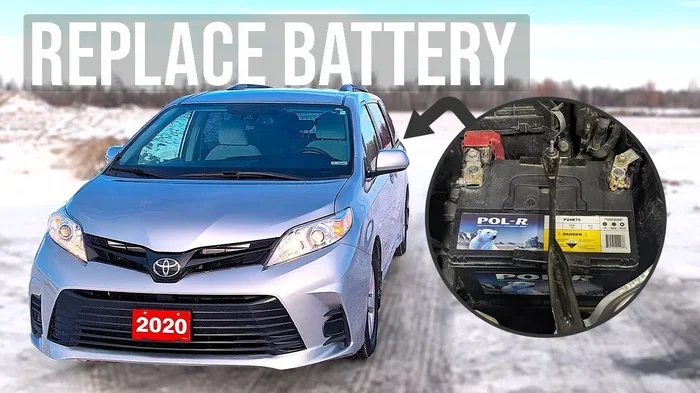
How Do I Know If My Toyota Sienna Battery Is Going Bad
Your Toyota Sienna battery may be going bad if you notice slow cranking, dim headlights, or frequent jump-starts. A weak battery causes frustrating starting problems and electrical issues in your Sienna. This guide covers every warning sign, simple home tests, and when to replace your battery for reliable performance.
Your Toyota Sienna is a dependable family hauler. But when the battery starts to fail, everything gets complicated. You might face Sienna starting problems on a busy morning. Or your lights flicker when you turn the AC on. These issues are more than annoying. They signal that your Toyota Sienna battery needs attention.
Knowing the warning signs early saves you from getting stranded. It also helps you avoid costly repairs down the road. This guide walks you through every sign of a bad battery in plain language. You will learn simple tests you can do at home. You will also find out when it is time for a battery replacement and how to keep your battery healthy for longer.
Whether you own a 2011 Toyota Sienna or a 2023 model, this article covers it all. Let us dive into the details and get you back on the road with confidence.
Key Takeaways
- Slow engine cranking is the #1 sign of a failing Toyota Sienna battery.
- Dashboard warning lights and electrical glitches often point to battery trouble.
- Testing battery voltage with a multimeter gives you a clear answer at home.
- Corroded battery terminals can mimic bad battery symptoms and are easy to fix.
- Most Toyota Sienna batteries last 3 to 5 years before needing replacement.
- Cold weather worsens battery problems because heat weakens the battery over time.
- Regular maintenance like cleaning terminals extends battery life significantly.
📑 Table of Contents
Common Signs Your Toyota Sienna Battery Is Going Bad
Slow Engine Cranking
This is the most obvious battery warning sign. When you turn the key, the engine should start quickly. If it turns over slowly or sounds sluggish, your battery is struggling. A healthy battery sends power fast and strong. A weak battery drags and labors. You might hear a clicking sound instead of a full start. This means the battery cannot deliver enough power to turn the engine over.
Do not ignore slow cranking. It gets worse over time. What starts as a slow morning start can turn into a Sienna won’t start situation completely. Address it early.
Dashboard Warning Lights
Your Toyota Sienna has sensors that monitor battery health. If you see the battery light on your dashboard, take notice. This dashboard warning light often looks like a small rectangle with plus and minus symbols. It means the charging system or the battery itself has a problem.
Other lights may also appear. The check engine light can come on when the battery voltage drops. If you see multiple lights at once, your electrical issues are likely battery-related. Have a mechanic run a diagnostic check to confirm.
Dim or Flickering Lights
Your headlights, interior lights, and dashboard display all depend on a strong battery. When the battery weakens, these lights dim. You might notice the dashboard glow is lower than usual. Or your headlights seem faint at night. This is a clear sign of a weak battery.
Flickering lights are even more concerning. They mean the battery power is inconsistent. Your Toyota Sienna battery is struggling to maintain a steady charge. This often happens when the battery is old or damaged.
Electrical Accessories Acting Up
Modern Siennas have lots of electronics. Power windows, the infotainment system, rear-seat screens, and USB ports all draw from the battery. When the battery goes bad, these accessories behave strangely.
You might notice the power windows move slower than usual. The radio might reset or lose saved stations. The backup camera might flicker. These small electrical issues add up. They tell you the battery cannot keep up with the electrical demands of your minivan.
Frequent Jump-Starts
Needing a jump-start once in a while happens to everyone. But if you are jumping your Sienna more than once a month, something is wrong. Frequent jump-starts mean the battery cannot hold a charge. The alternator might also be failing, but the battery is often the culprit.
Each jump-start puts stress on the battery. It shortens the remaining life even more. If you find yourself calling for help regularly, get the battery tested right away.
Battery Age and Physical Damage
Every battery has a lifespan. Most Toyota Sienna batteries last between 3 and 5 years. If your battery is older than 3 years, keep an eye on it. Check the date code on the battery case. It tells you when the battery was manufactured.
Also look at the battery itself. Cracks, bulging, or leaking are serious problems. A swollen battery case means the battery is overheating internally. This is dangerous and requires immediate replacement. Do not drive with a damaged battery.
Understanding Your Toyota Sienna Battery Basics
How Your Sienna Battery Works
The battery in your Toyota Sienna does one main job. It provides the electrical power to start the engine. Once the engine is running, the alternator takes over. The alternator charges the battery and powers all the electronics.
But if the alternator fails or the battery is old, the battery takes the hit. You end up with a dead battery and a Sienna won’t start. Understanding this simple cycle helps you troubleshoot problems faster.
Battery Voltage Explained
Battery voltage tells you how much charge the battery has. A fully charged Toyota Sienna battery should read about 12.6 volts. When the engine is running, the voltage should be between 13.7 and 14.7 volts. This means the alternator is charging properly.
If your battery reads below 12.4 volts when the car is off, it is partially discharged. Below 11.9 volts means the battery is deeply discharged. These readings help you understand the health of your Toyota Sienna battery without any special tools.
Types of Batteries Used in Toyota Sienna
Most Toyota Sienna models use a standard 12-volt lead-acid battery. Some newer models, especially hybrid versions, use a separate Toyota hybrid battery. The hybrid battery powers the electric motor. It works alongside the standard 12-volt battery. Both batteries need attention, but they serve different purposes.
Know which type your Sienna uses. Check your owner’s manual. This helps you choose the right replacement and understand the symptoms you are experiencing.
Simple Tests You Can Do at Home
Visual Inspection
Start with a simple visual check. Open the hood and locate the battery. Look for any signs of corroded battery terminals. White or blue-green powdery buildup around the terminals is corrosion. This can block the electrical connection and cause starting problems.
Also check for cracks in the battery case. Any leaking fluid is a red flag. A healthy battery case should be smooth and intact. If you see damage, the battery likely needs replacing.
Testing Voltage with a Multimeter
A multimeter is an inexpensive tool that gives you precise readings. Set it to DC voltage. Touch the red probe to the positive terminal and the black probe to the negative terminal.
Here is what the readings mean:
- 12.6 volts or higher: Battery is fully charged and healthy.
- 12.4 to 12.6 volts: Battery is about 75% charged. Monitor it closely.
- 12.0 to 12.4 volts: Battery is partially discharged. It may need charging.
- Below 12.0 volts: Battery is deeply discharged. It likely needs replacement.
Testing your battery voltage takes about 30 seconds. Do this once a month during hot or cold months. It catches problems early.
The Headlight Test
This is a quick and easy test. Turn on the headlights and let them run for 10 minutes. Then try to start the engine. If the headlights dim significantly when you turn the key, the battery is weak. Strong headlights that stay bright mean the battery is holding up well.
Ask for a Battery Load Test
For a more thorough check, visit an auto parts store. Most places like AutoZone or O’Reilly offer free battery load tests. They attach a special machine that simulates the load of starting your engine. It gives you a clear pass or fail result.
This test is more accurate than a simple voltage check. It tells you how much power the battery can actually deliver under stress. A battery load test takes just a few minutes and could save you from a surprise breakdown.
When to Replace Your Toyota Sienna Battery
Signs That Replacement Is Needed
Not every battery problem can be fixed. Here are clear signs that a battery replacement is the right move:
- The battery is more than 4 years old and showing weak signs.
- You need jump-starts more than once a month.
- The voltage reads below 12.0 volts consistently.
- The battery case is cracked, bulging, or leaking.
- The dashboard battery light stays on after starting.
- The engine cranks slowly every time, especially in cold weather.
How Much Does a Toyota Sienna Battery Cost?
The cost of a new Toyota Sienna battery varies. Standard batteries range from $100 to $200. Hybrid models may need a different type and cost more. Installation at a dealership or shop adds about $50 to $100 for labor.
If you are handy, you can install the battery yourself. Many YouTube tutorials walk you through the process. Just make sure you disconnect the negative terminal first. This prevents electrical shorts and keeps you safe.
Can You Get Battery Service at a Toyota Dealership?
Yes, you can take your Toyota to any dealership for service. Toyota dealerships have trained technicians and the right diagnostic tools. They can test your battery, check the alternator, and install a new battery if needed. Can I take my Toyota to any dealership for service? Absolutely. Toyota dealerships honor warranty and service needs regardless of where you purchased the vehicle.
Keep in mind that dealership service may cost a bit more than an independent shop. But the expertise and OEM parts can be worth the extra cost, especially for newer Sienna model years.
Preventing Battery Problems in Your Toyota Sienna
Drive Your Sienna Regularly
One of the biggest causes of battery drain is infrequent driving. If you only take short trips, the battery never fully charges. The alternator needs time to replenish the charge. Try to drive your Sienna for at least 20 to 30 minutes at a time. This gives the battery a full charge cycle.
If you park the van for long periods, use a battery maintainer. This trickle charger keeps the battery topped off without overcharging it. It is a simple investment that extends battery life.
Protect Against Cold Weather
Cold weather is tough on batteries. Low temperatures slow down the chemical reactions inside the battery. A battery that works fine in summer might struggle in winter. This is why many people experience cold weather battery problems in the morning.
Keep your Sienna parked in a garage if possible. A garage keeps the temperature more stable and protects the battery. If you live in a very cold climate, consider a battery blanket or heater. These devices keep the battery warm and ready to go.
Turn Off Accessories Before Shutting Off the Engine
Leaving lights, the radio, or USB chargers on when you turn off the engine drains the battery. Make it a habit to shut everything down before you park. This small habit prevents unnecessary battery drain over time.
Some newer Toyotas have settings that remember your accessories. But older models do not. Get in the routine of checking before you walk away.
Toyota Sienna Battery Maintenance Tips
Clean the Battery Terminals Regularly
Corroded battery terminals are one of the most common causes of electrical problems. The buildup blocks the connection between the battery and the cables. Cleaning the terminals takes just a few minutes and costs almost nothing.
Use a wire brush or a battery terminal cleaner. Mix baking soda with water and apply it to the terminals. The fizzing reaction breaks down the corrosion. Wipe it clean and apply a thin layer of petroleum jelly to prevent future buildup.
Check the Alternator Too
Sometimes the problem is not the battery at all. A failing alternator can mimic bad battery symptoms. The alternator charges the battery while you drive. If it fails, the battery drains quickly and you end up with a dead battery.
If you replace the battery and still have starting problems, ask the mechanic to check the alternator. An alternator test is quick and inexpensive. It rules out this common issue and gives you peace of mind.
Keep a Roadside Emergency Kit
Even with the best maintenance, batteries can fail unexpectedly. Keep a basic roadside kit in your Sienna. Include jumper cables, a portable jump starter, and a flashlight. These items can save you in a pinch.
A portable jump starter is especially useful. It lets you start your Sienna without another vehicle. You can find compact models that fit in the glove box easily.
Expert Insight: Why Batteries Fail Earlier Than Expected
Many Sienna owners assume their battery should last 5 years or more. But real-world conditions often shorten that timeline. Short trips, extreme temperatures, and leaving accessories on all contribute to premature failure. Even the vibration from driving on rough roads can damage the internal plates of the battery over time.
The key takeaway is this: do not wait for the battery to die completely. Test it regularly, especially after the 3-year mark. Catching a Toyota Sienna battery problem early gives you time to plan and budget for a replacement. It keeps you from being stuck in a parking lot with a Sienna won’t start situation.
Key Takeaways
- Slow engine cranking is the #1 sign of a failing Toyota Sienna battery.
- Dashboard warning lights and electrical glitches often point to battery trouble.
- Testing battery voltage with a multimeter gives you a clear answer at home.
- Corroded battery terminals can mimic bad battery symptoms and are easy to fix.
- Most Toyota Sienna batteries last 3 to 5 years before needing replacement.
- Cold weather worsens battery problems because heat weakens the battery over time.
- Regular maintenance like cleaning terminals extends battery life significantly.
Taking care of your Toyota Sienna battery is one of the easiest ways to keep your minivan reliable. A little attention goes a long way. You will avoid frustrating mornings and unexpected breakdowns. Your Sienna will keep running strong for miles to come.
Remember that a bad battery does not mean you need a new car. It just means a simple battery swap. With the right knowledge and a little preparation, you can handle any battery issue that comes your way. Stay proactive, test regularly, and your Toyota Sienna will always be ready to go when you are.
Frequently Asked Questions
How do I know if my Toyota Sienna battery is bad?
The most common signs are slow cranking when you start the engine, dim headlights, flickering dashboard lights, and frequent need for jump-starts. If your Sienna won’t start or you see the battery warning light on the dashboard, the battery is likely failing. Testing the voltage with a multimeter can confirm the problem quickly.
How long does a Toyota Sienna battery last?
Most Toyota Sienna batteries last between 3 and 5 years. The lifespan depends on driving habits, climate, and how well you maintain the battery. Short trips and extreme temperatures tend to shorten battery life. If your battery is over 4 years old, have it tested regularly to catch problems early.
Can a corroded battery terminal cause starting problems?
Yes, absolutely. Corrosion on the battery terminals blocks the electrical connection between the battery and the cables. This can cause slow cranking, electrical issues, and even a Sienna that won’t start. Cleaning the terminals with a baking soda solution usually fixes the problem and restores proper connection.
Is it safe to drive my Toyota Sienna with a weak battery?
It is not recommended. A weak battery can leave you stranded at any moment. It also puts extra strain on the alternator, which can lead to bigger and more expensive repairs. If you suspect your battery is weak, get it tested and replaced if needed as soon as possible.
What causes a Toyota Sienna battery to drain quickly?
Several things cause rapid battery drain. Leaving lights or accessories on is the most common cause. But a failing alternator, old battery, or parasitic draw from faulty electronics can also drain the battery quickly. If your battery keeps dying even after a full charge, have a mechanic check for parasitic draws.
How do I test my Toyota Sienna battery at home?
You can test your battery with a simple multimeter. Set it to DC voltage and touch the probes to the battery terminals. A reading of 12.6 volts or higher means the battery is healthy. Below 12.0 volts means the battery is deeply discharged and likely needs replacement. You can also visit an auto parts store for a free load test.