How Do I Know If My Toyota Camry Catalytic Converter Is Bad
Your Toyota Camry catalytic converter is a critical part of your exhaust system that reduces harmful emissions. When it starts to fail, you may notice a check engine light, reduced fuel economy, a rotten egg smell, or unusual rattling sounds. This guide walks you through every sign, diagnostic step, and fix so you can act fast and avoid costly repairs.
Your Toyota Camry is a reliable car. It gets you where you need to go day after day. But what happens when something goes wrong under the hood? One problem that catches many Toyota owners off guard is a bad catalytic converter. This small but mighty part plays a huge role in keeping your car running clean and efficient. When it fails, it can cause a long list of frustrating symptoms.
So how do you know if your Toyota Camry catalytic converter is bad? The answer is simpler than you might think. There are clear warning signs your car gives you. Some are easy to spot. Others need a quick diagnostic check. In this guide, we break down every sign, every code, and every option you have. Whether you are a DIY mechanic or a curious car owner, you will find practical advice here.
We will cover everything from the rotten egg smell to the dreaded check engine light. You will learn what causes catalytic converter failure and what you can do about it. Let us get into it.
Key Takeaways
- Watch for warning signs: A failing catalytic converter often shows clear symptoms like a glowing check engine light, sulfur smell, and loss of power.
- Error codes matter: Codes like P0420 are strong indicators of catalytic converter issues in Toyota Camry models.
- Don’t ignore it: Driving with a bad catalytic converter can damage other parts of your Toyota Camry exhaust system over time.
- Replacement costs vary: Expect to pay between $1,000 and $2,500 depending on whether you go OEM or aftermarket.
- Prevention works: Regular oil changes and addressing engine misfires early can extend your catalytic converter life significantly.
- Professional diagnosis helps: A mechanic can confirm the problem with an OBD2 scanner and visual inspection.
📑 Table of Contents
- What Does a Catalytic Converter Do?
- Common Signs Your Toyota Camry Catalytic Converter Is Failing
- Understanding the Check Engine Light and Error Codes
- Can You Still Drive With a Bad Catalytic Converter?
- Catalytic Converter Replacement: What to Expect
- How to Prevent Catalytic Converter Problems
- Expert Insights on Toyota Camry Catalytic Converter Longevity
- Key Takeaways
What Does a Catalytic Converter Do?
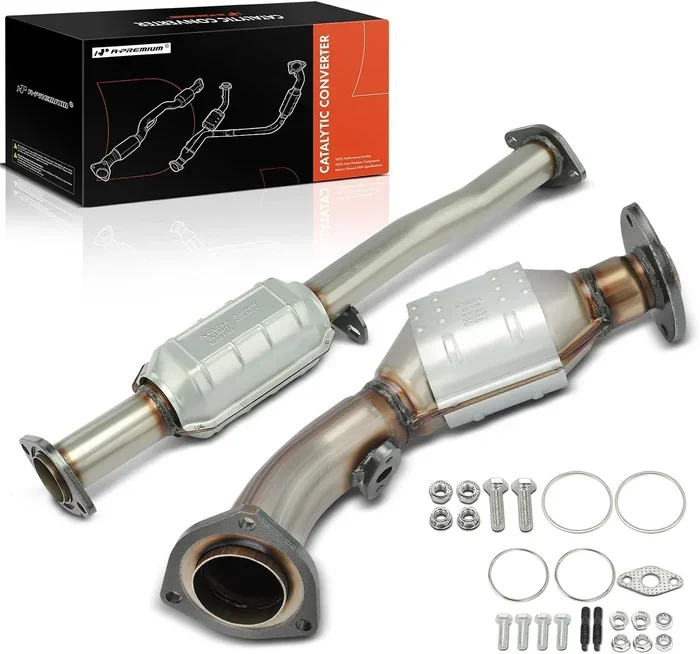
Before we dive into the signs of failure, let us understand what this part actually does. The catalytic converter sits in your Toyota Camry exhaust system. Its job is to convert harmful gases into less harmful ones before they exit the tailpipe.
Here is a quick look at what it handles:
- Carbon monoxide — a poisonous gas that comes from burning fuel
- Nitrogen oxides — a contributor to smog and air pollution
- Unburned hydrocarbons — leftover fuel that did not fully combust
The catalytic converter uses a honeycomb-like structure coated with precious metals like platinum, palladium, and rhodium. These metals trigger chemical reactions that clean up the exhaust gases. When the converter works well, you barely notice it is there. When it fails, your car tells you in big ways.
Common Signs Your Toyota Camry Catalytic Converter Is Failing
Your car does not stay quiet when something is wrong. It talks to you through sounds, smells, and performance changes. Here are the most common signs that your catalytic converter is going bad.
1. Check Engine Light Turns On
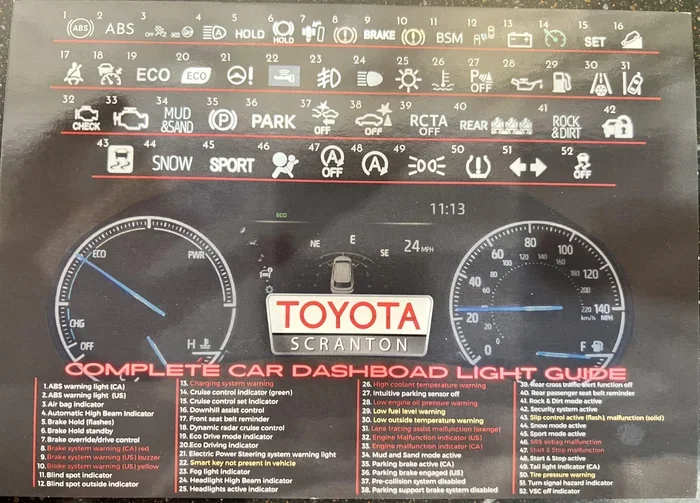
This is the number one sign that something is off. The check engine light on your Toyota Camry dashboard can mean many things. But when it comes on alongside other symptoms, the catalytic converter is often the culprit. The car’s computer monitors the efficiency of the converter through sensors. If the readings fall outside the normal range, the light comes on.
If you notice the check engine light and are wondering whether it is safe to keep driving, check out our article on Can I Drive My Toyota Camry With The Check Engine Light On for more guidance.
2. Rotten Egg or Sulfur Smell
A healthy catalytic converter converts sulfur in fuel into odorless sulfur dioxide. When the converter goes bad, that sulfur passes through unchanged. The result? A strong rotten egg smell from your exhaust. This is one of the most noticeable signs. If you smell this while driving or sitting in your parked Camry, do not ignore it.
3. Loss of Power and Acceleration
A clogged catalytic converter restricts exhaust flow. This means your engine has to work harder to push gases out. You may notice your Toyota Camry feels sluggish. Acceleration becomes slow. The car struggles to pick up speed on highways or inclines. This is especially noticeable when you step on the gas pedal hard.
4. Reduced Fuel Economy
When your catalytic converter is clogged or damaged, your engine does not run efficiently. You may find yourself filling up the tank more often. A drop in fuel economy of 10% or more can point to exhaust system problems. Keep track of your miles per gallon. If you notice a sudden change, it is worth investigating.
5. Rattling Noise from the Exhaust
A bad catalytic converter can break apart internally. The honeycomb structure can crack or collapse. When this happens, you may hear a rattling sound, especially when you start the car or idle. This noise often gets louder when you accelerate. If you hear something unusual under your car, have it checked right away.
6. Failed Emissions Test
If your state requires emissions testing, a failing catalytic converter will likely cause you to fail. The converter is designed to reduce harmful emissions. When it is not working, those pollutants spike. This is a clear and measurable sign that something is wrong with your exhaust system.
Understanding the Check Engine Light and Error Codes
Modern Toyota Camry models use an OBD2 system to monitor engine and exhaust performance. When the catalytic converter is not working correctly, the system stores a specific error code. Understanding these codes can help you pinpoint the problem faster.
Common OBD2 Codes Related to Catalytic Converters
Here are the codes you might see when your Toyota Camry catalytic converter is failing:
- P0420 — Catalyst System Efficiency Below Threshold (Bank 1). This is the most common code for a bad converter.
- P0430 — Catalyst System Efficiency Below Threshold (Bank 2). Similar to P0420 but for the second bank of cylinders.
- P0421 — Warm Up Catalyst Efficiency Below Threshold. This indicates the converter is not heating up properly.
- P0496 — EVAP Flow During Purge. Sometimes related to exhaust system issues.
If you have an OBD2 scanner at home, you can check these codes yourself. Plug the scanner into the diagnostic port under your dashboard. Read the codes and compare them to the list above. If you are not sure what the codes mean, a quick visit to your local mechanic will clear things up.
Wondering how to clear these codes once you have fixed the issue? Our guide on How Do I Manually Clear My Car Codes walks you through the process step by step.
Can You Still Drive With a Bad Catalytic Converter?
The short answer is yes, but you should not. A partially clogged converter may let you keep driving for a while. But ignoring the problem can lead to bigger issues down the road. Here is what can happen if you keep driving with a bad converter:
- Engine damage: Restricted exhaust flow can cause your engine to overheat or run poorly
- Complete blockage: A fully clogged converter can stall your car or prevent it from starting
- Damage to other exhaust parts: The extra back pressure can harm your muffler and exhaust pipes
- Increased pollution: A failed converter releases more harmful gases into the air
If your catalytic converter has completely failed and your car will not run, you might wonder about driving without one altogether. For Toyota Tacoma owners, we have covered Can I Drive My Toyota Tacoma Without A Catalytic Converter in detail, and the same principles apply to the Camry.
The bottom line is this: get it fixed as soon as you can. Driving with a bad converter is a short-term fix that can create long-term headaches.
Catalytic Converter Replacement: What to Expect
If your mechanic confirms that your Toyota Camry catalytic converter is bad, the next step is replacement. Here is what you need to know before you commit to the repair.
How Much Does It Cost?
The cost of replacing a catalytic converter varies based on several factors. Here is a general breakdown:
| Factor | Low Cost | High Cost |
|---|---|---|
| OEM Converter | $1,200 | $2,500 |
| Aftermarket Converter | $800 | $1,500 |
| Labor Costs | $100 | $300 |
| Total Estimated Cost | $1,000 | $2,800 |
OEM converters are more expensive but tend to last longer and fit perfectly. Aftermarket options are cheaper but vary in quality. Always choose a reputable brand if you go the aftermarket route.
How Long Does the Repair Take?
Most catalytic converter replacements take between one and three hours at a repair shop. The exact time depends on your Toyota Camry model year and how accessible the converter is. Some models have converters that are easy to reach. Others require more disassembly of the undercarriage.
Can You Replace It Yourself?
If you have experience with exhaust system repairs, you can DIY this job. You will need basic tools like a ratchet, socket set, and penetrating oil. The converter is typically held on by a few bolts at the exhaust manifold or flex pipe. However, if you are not comfortable working under your car, it is best to leave this to a professional.
How to Prevent Catalytic Converter Problems
The good news is that you can take steps to keep your Toyota Camry catalytic converter healthy for years. Prevention is always easier and cheaper than replacement.
1. Keep Up With Regular Maintenance
Change your oil on schedule. Use the recommended oil grade for your Camry. Fresh oil keeps your engine running clean, which reduces the amount of unburned fuel that reaches the catalytic converter.
2. Fix Engine Misfires Quickly
An engine misfire sends raw fuel into the exhaust system. This raw fuel can overheat and damage the catalytic converter. If your Camry is misfiring, get it fixed right away. Do not put it off.
3. Use the Right Fuel
Always use the fuel grade recommended by Toyota for your Camry model. Low-quality fuel can contain contaminants that damage the converter over time. If you are unsure about fuel options, check out our article on Can I Use 87 Octane Gas In My Toyota for more details.
4. Avoid Short Trips When Possible
Short trips do not allow the catalytic converter to reach its optimal operating temperature. Over time, this can cause moisture and fuel buildup inside the converter. If you can, combine short errands into longer trips.
5. Address Exhaust Leaks Early
Even a small exhaust leak can cause problems upstream and downstream of the catalytic converter. If you hear a hissing or tapping sound from the exhaust area, get it inspected. Catching small issues early saves you from bigger repairs later.
Expert Insights on Toyota Camry Catalytic Converter Longevity
Toyota engineers design the Camry catalytic converter to last the lifetime of the vehicle. In many cases, that means 100,000 miles or more. But several factors can shorten that lifespan significantly.
Engine oil burning is one of the biggest culprits. If your Camry burns oil due to worn valve seals or piston rings, the excess oil reaches the catalytic converter and coats the honeycomb structure. This coating blocks the airflow and reduces efficiency.
Coolant leaks are another common cause. If coolant enters the combustion chamber and burns in the exhaust, it creates a residue that clogs the converter. Watch for white exhaust smoke or a sweet smell under the hood. These are signs of a coolant leak that needs immediate attention.
According to Toyota service experts, the best way to maximize your catalytic converter life is to keep your engine running properly. A well-tuned engine produces fewer harmful byproducts. This means less stress on the converter. Regular oil changes, timely spark plug replacements, and prompt attention to any warning lights go a long way.
Key Takeaways
- Know the signs: Check engine light, sulfur smell, loss of power, rattling, and failed emissions tests are all red flags for a bad catalytic converter.
- Check error codes: P0420 and P0430 are the most common OBD2 codes pointing to catalytic converter failure in Toyota Camry models.
- Do not ignore it: Driving with a bad converter can cause engine damage, exhaust blockages, and increased emissions.
- Replacement costs range from $1,000 to $2,800 depending on OEM vs aftermarket parts and labor rates in your area.
- Prevention is key: Regular maintenance, quality fuel, and prompt engine repairs can extend your catalytic converter life well beyond 100,000 miles.
- Get a professional diagnosis: If you suspect your Toyota Camry catalytic converter is bad, a mechanic can confirm it quickly with an OBD2 scan and visual inspection.
Your Toyota Camry catalytic converter works hard every time you drive. It cleans up the exhaust gases that would otherwise harm the environment and your engine. When it starts to fail, your car gives you plenty of warning signs. The key is to pay attention and act quickly.
Do not wait until a small problem becomes a major repair. If you notice any of the symptoms we covered, get your car checked. A simple diagnostic scan can save you hundreds of dollars and a lot of frustration. Your Camry will thank you for it, and your wallet will too.
Stay proactive with your Toyota maintenance. Keep track of how your car feels, sounds, and smells during every drive. These small observations add up to big savings over time. A well-maintained catalytic converter means a cleaner-running engine, better fuel economy, and fewer trips to the mechanic.
Frequently Asked Questions
How much does it cost to replace a Toyota Camry catalytic converter?
Replacement costs typically range from $1,000 to $2,800. OEM converters cost more but tend to last longer. Aftermarket options are cheaper but vary in quality. Labor costs add another $100 to $300 depending on your location and the model year of your Camry.
Can I drive my Toyota Camry with a bad catalytic converter?
You can drive short distances with a partially clogged converter, but it is not recommended. A bad converter can cause engine damage, reduced power, and increased emissions. Continuing to drive with a failed converter can lead to more expensive repairs down the road.
What causes a Toyota Camry catalytic converter to fail?
The most common causes are engine misfires, oil burning, coolant leaks, and using low-quality fuel. These issues send contaminants into the exhaust system that coat and clog the converter. Regular engine maintenance helps prevent most of these problems.
How long does a Toyota Camry catalytic converter last?
With proper maintenance, a Toyota Camry catalytic converter can last 100,000 miles or more. However, factors like driving habits, fuel quality, and engine health can significantly shorten or extend that lifespan. Keeping your engine well-tuned is the best way to maximize converter life.
Will a bad catalytic converter trigger the check engine light?
Yes, a failing catalytic converter almost always triggers the check engine light. The car’s OBD2 system monitors converter efficiency through oxygen sensors. When the readings fall outside the normal range, the system stores a diagnostic code and illuminates the light on your dashboard.
Can I clear the check engine light myself after replacing the catalytic converter?
Yes, you can use an OBD2 scanner to clear the codes after the repair is complete. However, if the underlying issue that caused the failure is not fixed, the light will come back on. Always address the root cause before clearing any codes.