How Do I Know If My Prius Battery Needs Replacing Soon
Your Prius battery is the heart of your hybrid system, and knowing when it needs replacing can save you money and stress. Watch for warning signs like reduced fuel economy, dashboard warnings, and slow engine starts. This guide walks you through every symptom, test, and solution to help you decide if your Prius battery needs replacing soon.
Your Toyota Prius is a remarkable machine. It runs on a hybrid system that combines a gas engine with an electric motor. At the center of this system sits the Prius battery. When it starts to fail, your entire driving experience changes. So how do you know if your Prius battery needs replacing soon?
Many Prius owners ignore early warning signs. They hope the problem fixes itself. But a failing battery only gets worse over time. The sooner you catch the issue, the better your options and the lower your costs. This guide covers every sign, test, and solution you need to know.
Whether you drive a first-generation Prius or a brand-new 2024 model, this article helps you understand your battery health. We will walk through the symptoms of a dying battery, the testing methods available, and what to expect when it is time for a replacement. Let us get started.
Key Takeaways
- Warning Signs: Reduced fuel economy, dashboard alerts, and sluggish performance are top indicators your Prius battery needs attention.
- Battery Types Matter: The high-voltage hybrid battery and the 12V auxiliary battery serve different roles and show different failure signs.
- Testing Options: You can test battery health at home, at AutoZone, or through a Toyota dealership for accurate results.
- Cost Awareness: Hybrid battery replacement costs vary widely, but understanding warranty coverage can save you thousands.
- Driving Habits: How you drive and charge your Prius directly impacts battery lifespan and degradation rate.
- Professional Help: When in doubt, visit a certified Toyota service center for a proper diagnosis and honest advice.
📑 Table of Contents
- Understanding Your Prius Battery System
- Warning Signs Your Prius Battery Needs Replacing Soon
- How to Test Your Prius Battery Health
- How Much Does Prius Battery Replacement Cost?
- Can You Still Drive a Prius With a Failing Battery?
- Tips to Extend Your Prius Battery Life
- When Should You Replace Your Prius Battery?
- Common Mistakes Prius Owners Make With Battery Issues
- Final Thoughts
Understanding Your Prius Battery System
Before you can spot problems, you need to understand what makes your Prius tick. Most people do not realize there is more than one battery in your vehicle. Each one plays a unique role in keeping you on the road.
The High-Voltage Hybrid Battery
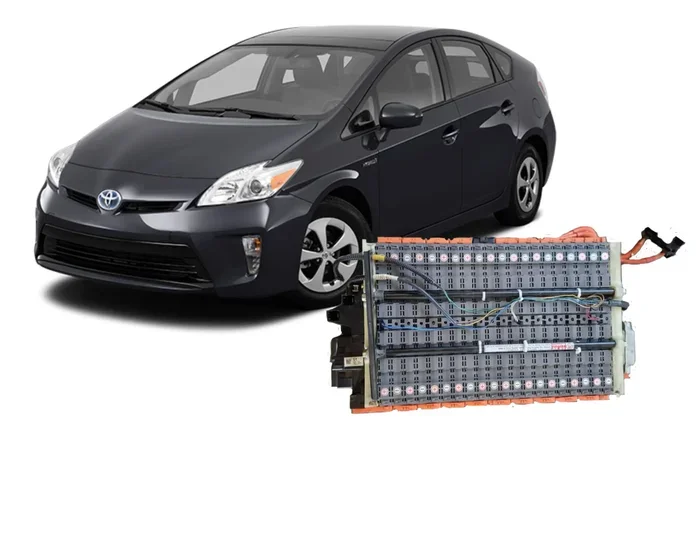
The main battery in your Prius is the high-voltage hybrid battery. This is the big one. It powers the electric motor and works alongside the gas engine. Most Prius models use a nickel-metal hydride (NiMH) or lithium-ion battery pack. These packs typically last between 100,000 and 150,000 miles under normal conditions.
This battery also handles regenerative braking. When you slow down, the system captures energy and stores it back in the battery. This is what makes the Prius so fuel-efficient. If your hybrid battery degrades, you lose that advantage. Your fuel economy drops, and your driving feels different.
The 12V Auxiliary Battery
Your Prius also has a standard 12V auxiliary battery. This smaller battery powers the lights, infotainment system, and other electronics. It is not the same as the hybrid battery, but it can cause problems too. A weak 12V battery may prevent your car from starting or cause error messages to appear on the dashboard.
People often confuse issues with the 12V battery and the hybrid battery. If your Prius will not start, check both batteries before assuming the worst. This simple step can save you hundreds of dollars in unnecessary repairs.
Warning Signs Your Prius Battery Needs Replacing Soon
Your Prius gives you plenty of clues when the battery is failing. The key is knowing what to look for. Here are the most common warning signs that your Prius battery needs replacing.
Reduced Fuel Economy
This is often the first sign. Your Prius is famous for its fuel efficiency. If you notice your gas mileage dropping significantly, the hybrid battery may be to blame. A healthy battery supports the electric motor and reduces gas usage. A degraded battery forces the gas engine to work harder.
Keep track of your fuel economy over time. Use a fuel tracking app or simply write down your mileage each time you fill up. If you see a consistent decline, it is time to investigate further. Sometimes a simple battery health check reveals the problem early.
Dashboard Warning Lights
Your Prius dashboard is smart. It will try to tell you when something is wrong. The most common warning is the check engine light. But you may also see a triangle-shaped warning with an exclamation mark. Some Prius models display a specific hybrid system warning.
If you see any of these lights, do not ignore them. They are designed to alert you to potential problems. You can manually clear your car codes to get more information about what triggered the warning. However, clearing the codes does not fix the underlying issue. The light will likely return if the battery problem persists.
Sluggish Performance and Reduced Power
A healthy Prius delivers smooth, responsive power. When the battery weakens, you may notice hesitation during acceleration. The car might feel slow or unresponsive, especially when merging onto highways or climbing hills. This happens because the electric motor cannot assist the gas engine as it should.
Some owners describe this feeling as the car being “tired.” If your normally peppy Prius starts feeling sluggish, pay attention. This is one of the clearest signs that your hybrid battery health is declining.
Battery State of Charge Drops Rapidly
On your dashboard, you can usually see the battery state of charge. In a healthy Prius, this indicator stays within a normal range during driving. If you notice the charge dropping unusually fast or staying very low, your battery may not be holding a proper charge anymore.
A fully charged battery should maintain its charge during normal driving. If it constantly dips to very low levels, the battery cells are likely degraded. This is a strong indicator that replacement may be needed soon.
Strange Noises from the Battery Area
This is less common but worth mentioning. Some owners report hearing unusual sounds coming from the battery location. These can include clicking, buzzing, or even a faint humming noise that is louder than usual. Any new or unusual noise deserves attention from a professional.
The Battery Is Old
Age matters. Even if your Prius seems to run fine, a battery that is over 10 to 12 years old is approaching the end of its typical lifespan. If you bought a used Prius, you may not know the battery age. In that case, it is wise to have the battery tested proactively rather than waiting for symptoms to appear.
How to Test Your Prius Battery Health
Once you notice warning signs, the next step is testing. You have several options, ranging from DIY methods to professional diagnostics. Let us explore each one.
Visual Inspection
Start with a simple visual check. Open the hood and locate the hybrid battery service plug. You will find it near the battery pack, usually on the left side of the engine bay. Before you touch anything, make sure the car is turned off and cooled down.
Look for any visible damage. Check for corrosion on the terminals, cracked casing, or leaking fluid. While the high-voltage battery is sealed and rarely leaks, the 12V auxiliary battery can show obvious signs of wear like bulging or leaking. If you see any of these, you likely need a replacement.
Using a Diagnostic Scanner
A diagnostic scanner gives you a more detailed look at your battery health. You can purchase an OBD-II scanner for under $50 or use one at your local auto parts store. Plug it into the diagnostic port under your dashboard and read the error codes.
Common codes related to Prius battery issues include P0A80 (Replace Hybrid Battery Pack) and P0A7F (Battery Cell Voltage Difference). These codes confirm that the hybrid battery needs attention. If you are not comfortable reading codes yourself, many stores like AutoZone offer free diagnostic testing. They can test your Prius battery and give you a clear picture of its health.
Visiting a Toyota Dealership
The most thorough option is visiting a Toyota dealership. They have specialized diagnostic equipment designed specifically for Prius hybrid systems. The technicians can perform a comprehensive battery health test and give you an honest assessment.
If you are concerned about cost, remember that many Toyota dealerships offer free or low-cost diagnostics. And if your car is still under warranty, the battery replacement may be fully covered. You can also take your Toyota to any dealership for service and they will be able to check your battery health as part of a routine inspection.
Home Testing with a Multimeter
For the handy owner, a multimeter can help you test the 12V auxiliary battery. Set your multimeter to DC voltage and touch the probes to the battery terminals. A healthy 12V battery should read around 12.6 volts when the car is off. If it reads below 12.0 volts, the battery may need replacing.
However, testing the high-voltage hybrid battery with a multimeter is not recommended unless you are a trained professional. The voltage levels are dangerous and require proper safety equipment and training. Stick to professional testing for the main hybrid battery pack.
How Much Does Prius Battery Replacement Cost?
Nobody wants to think about the cost of replacing a Prius battery. But understanding the numbers helps you plan and make informed decisions. The cost varies based on several factors.
Factors That Affect Replacement Cost
- Battery Type: New OEM batteries cost more than refurbished or rebuilt options.
- Model Year: Older Prius models may have harder-to-find batteries, increasing the price.
- Labor Costs: Dealerships charge more for labor than independent shops. The process typically takes 2 to 4 hours.
- Warranty Coverage: If your battery is still under warranty, the cost could be zero.
Average Price Ranges
| Option | Price Range |
|---|---|
| New OEM Battery (Dealership) | $2,500 – $4,500 |
| Refurbished/Reconditioned Battery | $1,200 – $2,500 |
| Used Battery (Salvage Yard) | $800 – $1,500 |
| DIY Replacement (Parts Only) | $1,000 – $3,000 |
As you can see, the price range is wide. New OEM batteries from a Toyota dealership offer the best reliability and come with a warranty. Refurbished options are more affordable and can last just as long if installed properly. Used batteries are the cheapest option but carry the most risk since you do not know their remaining lifespan.
Understanding Your Warranty
Toyota provides a generous warranty on hybrid batteries. Most Prius models come with an 8-year or 100,000-mile warranty on the hybrid battery, whichever comes first. Some states have even longer coverage due to emissions laws. If your battery fails within the warranty period, Toyota covers the replacement cost at no charge to you.
Even if your warranty has expired, you may still have options. Some dealers offer extended warranty programs or goodwill replacements. It never hurts to ask. If you are unsure about your warranty status, you can always visit a dealer and they will check for you.
Can You Still Drive a Prius With a Failing Battery?
This is one of the most common questions Prius owners ask. The short answer is yes, but with limitations. When the hybrid battery starts to fail, the car does not just stop running. The gas engine takes over more of the work. You can still drive to the shop or dealership for repairs.
However, driving on a failing battery is not ideal. The gas engine works harder, which means worse fuel economy and more emissions. You may also experience reduced power, which can be dangerous in certain driving situations like highway merging or hill climbing.
If your battery is completely dead, the situation changes. Some Prius owners report being stranded when the hybrid battery fails entirely. In that case, you will need a tow truck. If you are dealing with a dead battery situation, check our guide on whether you can drive a Prius with a dead hybrid battery for more details.
The bottom line is this: you can drive short distances with a failing battery, but you should not make a habit of it. Get the battery tested and replaced as soon as possible to avoid getting stranded and to protect your engine from extra strain.
Tips to Extend Your Prius Battery Life
Prevention is always better than cure. You can take steps to keep your Prius battery healthy for longer. Here are practical tips that every Prius owner should follow.
- Drive Gently: Avoid aggressive acceleration and hard braking. Smooth driving reduces strain on the battery and the hybrid system.
- Use Regenerative Braking: Coast to stops when possible. This charges the battery naturally and reduces wear on the brake pads too.
- Keep Software Updated: Toyota occasionally releases software updates that optimize battery management. Ask your dealer about available updates.
- Avoid Extreme Temperatures: Both extreme heat and extreme cold can degrade battery health faster. Park in a garage or shaded area when possible.
- Keep the 12V Battery Healthy: A weak 12V battery can cause the hybrid system to malfunction. Check it regularly and replace it when needed.
- Follow the Maintenance Schedule: Regular Toyota service keeps your entire hybrid system running smoothly. Stick to the recommended service intervals.
These simple habits add up over time. They can add years to your battery life and save you from an unexpected replacement. Think of them as small investments that pay off big.
When Should You Replace Your Prius Battery?
So when is the right time to pull the trigger on a battery replacement? The answer depends on your situation. Here are the key factors to consider.
If your battery is still under warranty, replace it immediately at no cost to you. Do not delay or you risk losing warranty coverage. If your battery is out of warranty but showing clear signs of failure, compare the replacement cost to the value of your car. A new battery makes sense if your Prius is still in good overall condition and worth keeping.
On the other hand, if your Prius has high mileage and other major issues, a battery replacement might not be worth it. In that case, you might want to explore options like selling your car. Check out our guide on how much you should put down on a car if you are considering purchasing a replacement vehicle.
Also consider the alternatives. Rebuilt batteries and refurbished options cost significantly less than new OEM batteries. Many independent shops specialize in Prius battery rebuilds. These can be a cost-effective solution that extends your car’s life by several more years.
Finally, trust your instincts. You know your car better than anyone. If something feels off and multiple warning signs are present, get the battery tested. Early detection is your best friend when it comes to managing battery replacement costs.
Common Mistakes Prius Owners Make With Battery Issues
Avoid these common pitfalls that can make battery problems worse or cost you more money than necessary.
- Ignoring Early Warning Signs: Many owners dismiss reduced fuel economy or a faint warning light. These are often the first signals of battery degradation. Catching them early gives you more options and lower costs.
- Confusing the 12V Battery with the Hybrid Battery: As mentioned earlier, these are two different batteries with different failure modes. Make sure you are diagnosing the right one before spending money on a replacement.
- Choosing the Cheapest Option Without Research: The lowest price is not always the best deal. A poorly refurbished battery may fail within months, costing you more in the long run.
- Skipping Regular Maintenance: Skipping oil changes and routine service puts extra stress on the entire vehicle, including the hybrid battery. Stay on top of maintenance to protect your investment.
- Not Checking Warranty Status: Many owners do not realize their battery is still under warranty. Always verify your warranty coverage before paying for any battery work.
By avoiding these mistakes, you set yourself up for a smoother experience and better outcomes. Knowledge is power, especially when it comes to your vehicle’s health.
Final Thoughts
Your Prius battery is a critical component that deserves your attention. By learning to recognize the warning signs, testing your battery regularly, and understanding your replacement options, you take control of your vehicle’s health. The key is to act early. Do not wait until your Prius leaves you stranded on the side of the road.
If you suspect your battery is failing, start with a simple diagnostic test. Visit AutoZone for a free check, use a scanner at home, or head to your local Toyota dealership. The information you gather will guide your next steps and help you make the best decision for your wallet and your car.
Remember, a failing battery does not mean the end of your Prius’s life. With the right approach, you can replace the battery and enjoy many more miles of excellent fuel economy and reliable performance. Stay proactive, stay informed, and your Prius will reward you for years to come.
Frequently Asked Questions
How do I know if my Prius battery needs replacing?
Look for signs like reduced fuel economy, dashboard warning lights, sluggish acceleration, and a rapidly dropping battery state of charge. If your Prius is over 10 years old or has more than 100,000 miles, the battery may be reaching the end of its lifespan and should be tested professionally.
Can I still drive my Prius with a failing battery?
Yes, you can drive short distances with a failing battery. The gas engine will take over more of the work. However, you will experience worse fuel economy and reduced power. If the battery fails completely, you may not be able to restart the car. Visit a Toyota dealership as soon as possible for proper diagnosis and repair.
How much does it cost to replace a Prius battery?
The cost ranges from $800 for a used battery to $4,500 for a new OEM battery at a dealership. Refurbished options typically fall in the $1,200 to $2,500 range. Your warranty may cover the full cost if your Prius is still within the 8-year or 100,000-mile battery warranty period.
How long does a Prius hybrid battery last?
Most Prius hybrid batteries last between 100,000 and 150,000 miles, or roughly 8 to 12 years. Driving habits, climate, and maintenance all affect battery lifespan. Regular gentle driving and proper maintenance can help extend your battery life well beyond the average.
Can AutoZone test my Prius battery?
Yes, AutoZone offers free battery testing for many vehicles, including Prius models. They can test your 12V auxiliary battery and provide diagnostic information. For the high-voltage hybrid battery, a Toyota dealership or specialized hybrid shop is recommended for the most accurate testing.
What is the difference between the hybrid battery and the 12V battery in a Prius?
The high-voltage hybrid battery powers the electric motor and works with the gas engine to deliver fuel efficiency. The 12V auxiliary battery powers the car’s electronics, lights, and infotainment system. Both batteries are essential, but they serve different purposes and show different failure symptoms. Always check both if you are experiencing electrical or performance issues.