Do Highlanders Hold Their Value Compared to Others
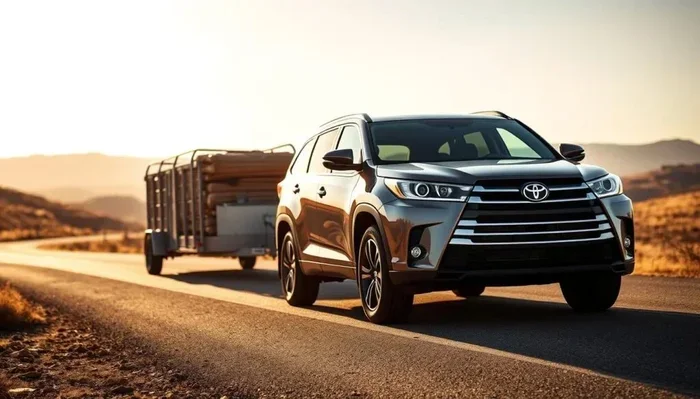
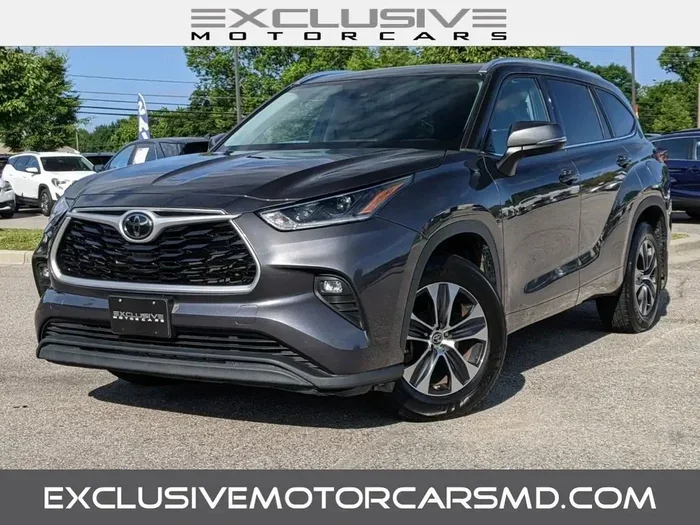
The Toyota Highlander consistently ranks among the top SUVs for holding its value. With strong brand reliability, high demand in the used market, and proven longevity, the Highlander outperforms many competitors in resale value. Whether you are buying new or used, understanding how Highlanders hold their value helps you make a smarter investment.
When you buy a Toyota Highlander, you are not just buying a vehicle. You are making a long-term investment. One of the biggest questions buyers ask is, do Highlanders hold their value? The short answer is yes. The Toyota Highlander has built a reputation as one of the strongest performers in the midsize SUV segment when it comes to resale value and depreciation resistance. But how does it actually compare to the competition? And what makes it hold value so well?
In this article, we will break down everything you need to know about Highlander value retention. We will look at depreciation rates, compare the Highlander to rival SUVs, and explore the factors that influence how much your vehicle is worth over time. Whether you are a first-time buyer or a longtime Toyota fan, this guide will help you understand why the Highlander remains a smart choice in the used SUV market.
Key Takeaways
- Strong Resale Value: The Toyota Highlander retains a higher percentage of its value compared to most midsize SUVs.
- Toyota Reliability Drives Value: Known for lasting well beyond 200,000 miles, Highlanders maintain desirability on the used market.
- Depreciation Is Slower: Highlanders depreciate at a lower rate than many rivals like the Ford Explorer and Honda Pilot.
- 3-Row Advantage: The availability of a third row boosts demand and helps the Highlander hold value better than 2-row competitors.
- Trim Choice Matters: Higher trims like the Limited and Platinum tend to retain value more effectively.
- Maintenance Plays a Role: Regular upkeep and proper care significantly slow depreciation and protect resale value.
📑 Table of Contents
Why the Toyota Highlander Stands Out
The Toyota Highlander has been a staple in the midsize SUV market for nearly two decades. Its popularity is not accidental. Toyota built the Highlander with a focus on reliability, comfort, and practicality. These qualities translate directly into strong value retention over time.
Built on a Reputation for Reliability
Toyota consistently ranks at the top of reliability ratings from organizations like J.D. Power and Consumer Reports. The Highlander benefits directly from this reputation. When buyers shop for a used SUV, they look for vehicles that are known to last. The Highlander delivers on that promise. Many Highlanders easily surpass 200,000 miles with proper care.
This long lifespan creates a ripple effect on value. A vehicle that is expected to last longer naturally holds its market value better. Buyers are willing to pay more for a Highlander because they trust the brand. This trust is one of the strongest assets Toyota has when it comes to car value over time.
The 3-Row Advantage
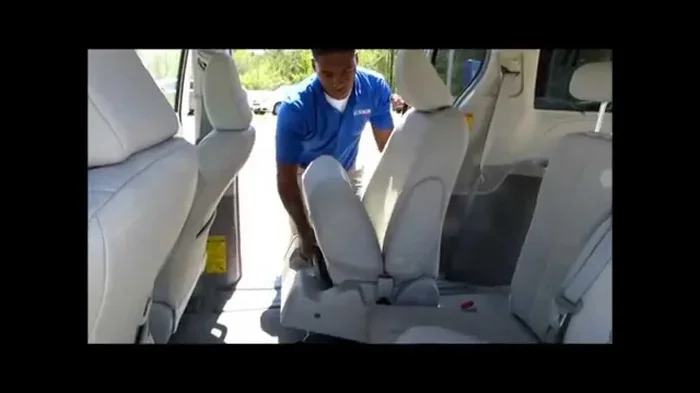
Not every SUV offers a third row. The Highlander does, and this feature alone gives it a significant edge. Families love the Highlander because it combines the space of a full-size SUV with the drivability of a midsize model. When you check are all Highlanders 3 rows, you will find that most trims come standard with seating for seven or eight passengers.
This seating capacity makes the Highlander more versatile than many competitors. More functionality means higher demand in the used market. And higher demand directly translates to better resale value. If you are considering a family SUV, the Highlander’s 3-row setup is a major factor in why it holds its value so well.
How Highlanders Compare in Resale Value
To truly understand whether Highlanders hold their value, you need to look at the numbers. How does the Highlander stack up against other popular SUVs? Let us take a closer look.
Highlander vs. Honda Pilot
The Honda Pilot is one of the Highlander’s closest competitors. Both are midsize SUVs with strong reliability ratings. However, studies show that the Highlander tends to hold its value slightly better over a five-year period. The Pilot depreciates at a somewhat faster rate, which gives the Highlander a small but meaningful advantage in the used SUV market.
Highlander vs. Ford Explorer
The Ford Explorer is another popular choice in this segment. While it offers powerful engine options and a sporty feel, it does not match the Highlander when it comes to long-term value retention. Ford vehicles, in general, tend to depreciate faster than their Toyota counterparts. This trend holds true for the Explorer as well.
Highlander vs. Chevrolet Traverse
The Chevrolet Traverse offers a lot of space and features at a competitive price. However, its resale value lags behind the Highlander. Traverse owners often report steeper depreciation curves. The Highlander’s stronger brand perception and proven track record give it a clear edge.
Comparison Table: 5-Year Resale Value
Here is a general comparison of how these popular midsize SUVs retain value over five years. Keep in mind that actual figures vary based on trim, mileage, and condition.
- Toyota Highlander: Retains approximately 50-55% of its original value after five years.
- Honda Pilot: Retains approximately 45-50% of its original value after five years.
- Ford Explorer: Retains approximately 40-45% of its original value after five years.
- Chevrolet Traverse: Retains approximately 35-40% of its original value after five years.
These numbers clearly show that the Highlander is a leader in vehicle value retention. While no vehicle escapes depreciation entirely, the Highlander loses value at a slower pace than most of its rivals.
Factors That Affect Highlander Value Retention
Several factors influence how well any vehicle holds its value. The Highlander benefits from some of these factors, but others depend on the individual owner. Understanding these elements can help you make smarter decisions about buying, owning, and selling your Highlander.
Brand Reputation and Demand
Toyota’s brand strength cannot be overstated. When you look at Toyota resale value across all models, the brand consistently outperforms competitors. This is because Toyota has spent decades building a reputation for building vehicles that last. The Highlander rides on this wave of consumer trust.
High demand in the used market also plays a role. The Highlander is one of the most searched SUVs on resale platforms. When many buyers want a vehicle, the market value stays strong. This demand is especially true in regions where families need 3-row SUVs but do not want to pay full-size SUV prices.
Trim Level and Options
Not all Highlanders are created equal when it comes to holding value. The trim level you choose matters. Higher trims like the Limited and Platinum tend to retain value better than base models. These trims come with premium features that buyers are willing to pay for on the used market.
Features like leather seating, advanced safety systems, and upgraded infotainment add perceived value. If you are shopping for a used Highlander, look for models with popular options. These vehicles typically command higher prices and depreciate more slowly.
Maintenance and Care
Here is the truth: even the best vehicle will lose value if it is not well maintained. Regular oil changes, tire rotations, and timely repairs all contribute to a Highlander’s long-term value. A well-documented service history gives buyers confidence and supports a higher asking price.
On the flip side, neglecting maintenance can accelerate depreciation significantly. A Highlander with missing service records or visible wear and tear will sell for much less. If you want your Highlander to hold its value, invest in regular care. For more information on maintenance costs, check out how much mechanics charge per hour to budget for routine services.
Mileage and Condition
Lower mileage always helps a vehicle hold its value. However, the Highlander is known for durability, so even higher-mileage examples can retain decent value if they are in good condition. Buyers look for Highlanders with clean interiors, functioning electronics, and no major accident history.
Exterior condition matters too. Paint chips, dents, and rust can all reduce a Highlander’s resale price. Keeping your vehicle garaged and protected from the elements is a simple way to preserve its fair market value. If you want to learn more about determining what your car is truly worth, read about how to find out fair market value of a car.
Highlander Depreciation Over Time
Depreciation is the silent cost of vehicle ownership. Every car loses value from the moment you drive it off the lot. But the rate of that loss varies significantly between models. The Toyota Highlander is known for a relatively slow depreciation curve.
Year-by-Year Depreciation Breakdown
Here is a general look at how the Highlander depreciates over time:
- Year 1: Expect a loss of about 15-20% of the original value. This is standard for most new vehicles.
- Year 2-3: Depreciation slows to about 10-15% per year. The Highlander starts to stabilize in value.
- Year 4-5: Value drops by roughly 8-12% per year. The Highlander continues to outperform many competitors.
- Year 6-10: Depreciation flattens out. A well-maintained Highlander can retain 25-35% of its original value after 10 years.
Compare this to the average vehicle, which loses about 50% of its value within five years. The Highlander’s slower depreciation rate makes it one of the best choices for buyers who care about long-term value.
Why Depreciation Matters for Buyers
If you buy a new Highlander today for $45,000, you might be able to sell it in five years for $22,000-$25,000. That is a loss of roughly $20,000-$23,000 over five years. While that sounds significant, compare it to a competitor that loses $28,000 or more in the same period. The Highlander’s slower depreciation saves you real money.
For buyers considering a used Highlander, the depreciation story is even better. A 3-year-old Highlander has already absorbed the steepest part of its depreciation curve. You get a vehicle that is still modern and reliable at a significantly reduced price. This is one of the smartest strategies for minimizing vehicle ownership costs.
Are Highlanders Worth the Investment?
The answer to this question depends on what you value in a vehicle. If you prioritize reliability, low depreciation, and long-term savings, the Highlander is an excellent choice. Here is why the Highlander is worth considering.
Lower Total Cost of Ownership
Because Highlanders hold their value so well, the total cost of ownership is lower than many competitors. You lose less money when you sell or trade in your vehicle. This savings compounds over multiple ownership cycles. A Highlander owner who buys and sells every five years will typically net more money than someone driving a faster-depreciating SUV.
Strong Trade-In Value
When it comes time to upgrade, the Highlander’s strong trade-in value shines. Dealerships recognize the demand for used Highlanders and offer competitive trade-in prices. If you are thinking about upgrading your vehicle, a Highlander gives you more equity to put toward your next purchase.
Insurance and Maintenance Costs
Toyota Highlanders are generally affordable to insure compared to luxury SUVs. While insurance rates vary by location and driver history, the Highlander typically falls in the mid-range for premiums. For more details, you can explore whether Toyota Highlanders are expensive to insure.
Maintenance costs are also reasonable. Toyota parts are widely available, and the Highlander’s mechanical simplicity means fewer expensive repairs. Regular oil changes and scheduled maintenance keep the vehicle running smoothly and protect its long-term value.
Tips to Maximize Your Highlander’s Value
Want to get the most out of your Highlander when it is time to sell? Follow these practical tips to protect your investment.
- Keep up with scheduled maintenance: Follow Toyota’s recommended service schedule and keep all records. A full service history is a selling point.
- Drive gently: Avoid harsh driving habits that cause extra wear on the engine, transmission, and suspension.
- Address issues promptly: Small problems become big expensive repairs if ignored. Fix minor issues early.
- Keep it clean: Regular interior and exterior cleaning preserves the vehicle’s appearance. First impressions matter to buyers.
- Avoid excessive modifications: Aftermarket mods can narrow your buyer pool and reduce resale value.
- Store it properly: Park in a garage or covered area when possible to protect the paint and interior from weather damage.
By following these simple steps, you can ensure your Highlander retains as much value as possible. The Toyota Highlander is built to last. Give it the care it deserves, and it will reward you with strong value retention for years to come.
Final Thoughts
So, do Highlanders hold their value? The evidence is clear. The Toyota Highlander is one of the strongest performers in the midsize SUV segment for resale value and depreciation resistance. Its combination of Toyota reliability, 3-row practicality, and strong brand demand gives it a clear advantage over many competitors.
Whether you are buying new or shopping for a used model, the Highlander delivers smart long-term value. Slower depreciation means more money in your pocket when it is time to sell or trade in. Add in affordable maintenance costs and strong reliability, and the financial case for the Highlander becomes even stronger.
If you are in the market for a dependable SUV that will hold its value, the Toyota Highlander should be at the top of your list. It is a vehicle that rewards you not just on the road but also at the checkout when you decide to move on to your next ride.
Frequently Asked Questions
Do Highlanders hold their value better than other Toyota SUVs?
Yes, the Highlander is one of the top performers in the Toyota lineup for value retention. Its combination of reliability, 3-row seating, and strong brand demand gives it an edge over many other Toyota SUVs when it comes to resale value.
How much does a Highlander depreciate in the first year?
A new Toyota Highlander typically depreciates by about 15-20% in the first year. This is in line with most midsize SUVs, but the Highlander’s depreciation slows significantly in subsequent years compared to many competitors.
Is it better to buy a new or used Highlander for value?
Buying a used Highlander is often the smarter financial move. A 3- to 5-year-old Highlander has already absorbed the steepest part of its depreciation curve. You get a vehicle that is still modern and reliable at a significantly lower price, maximizing your value retention.
Which Highlander trim holds value the best?
Higher trims like the Limited and Platinum tend to hold value better because they come with premium features that buyers want in the used market. However, even base model Highlanders retain value well thanks to the Toyota brand reputation.
Does the Highlander’s 3-row design help with resale value?
Absolutely. The availability of a third row makes the Highlander more versatile and appealing to families. This increased functionality boosts demand in the used market, which directly supports better resale value compared to 2-row competitors.
Can regular maintenance really impact a Highlander’s resale value?
Yes, regular maintenance has a significant impact on resale value. A well-documented service history, clean interior, and properly maintained mechanical components all contribute to a higher asking price when you sell your Highlander.
=== CONCLUSION ===
The Toyota Highlander proves time and again that it is one of the smartest choices in the midsize SUV segment. From its strong reliability ratings to its impressive depreciation resistance, the Highlander delivers value that goes far beyond the showroom floor. Whether you are a family looking for a practical 3-row SUV or a savvy buyer focused on long-term savings, the Highlander checks every box.
Its resale value outperforms many competitors, and its ownership costs remain reasonable throughout its lifespan. By choosing a Highlander, you are choosing a vehicle that not only serves you well on the road but also protects your investment. Take care of it, drive it wisely, and it will reward you with strong value for years to come.