Cons of the 2017 Toyota Corolla and Why They Matter
The 2017 Toyota Corolla has solid reliability, but it comes with real downsides. Buyers should know about the weak base engine, cheap interior materials, and outdated infotainment before committing. These cons can impact daily driving comfort and long-term ownership satisfaction.
The 2017 Toyota Corolla remains one of the best-selling sedans in the world. Millions of drivers trust the Corolla name for its reputation of dependability. But reputation alone does not tell the full story. Every car has trade-offs, and the 2017 Corolla is no different. If you are shopping for a used sedan or considering a new purchase, understanding the downsides matters just as much as knowing the strengths.
This guide breaks down the real-world cons of the 2017 Toyota Corolla in plain language. We will cover everything from engine performance to cabin noise. By the end, you will have a clear picture of what you are getting into. Let us dive in.
Key Takeaways
- Underwhelming Engine: The base 1.8-liter engine feels sluggish, especially when carrying passengers or cargo.
- Cheap Interior Materials: Hard plastics and basic finishes make the cabin feel below its price point.
- Outdated Infotainment: The touchscreen system lags behind competitors in usability and features.
- Poor Rear Visibility: Thick rear pillars create significant blind spots when reversing.
- Noisy Cabin: Road and wind noise become noticeable at highway speeds.
- Limited Trim Value: Higher trims add cost without enough meaningful upgrades.
- CVT Transmission Feel: The continuously variable transmission can feel unresponsive and rubbery.
📑 Table of Contents
- Engine Performance Falls Short
- Interior Quality Disappoints
- Infotainment System Feels Outdated
- Ride Comfort and Cabin Noise
- Safety and Visibility Concerns
- Transmission and Driving Experience
- Resale Value and Ownership Costs
- Who Should Avoid the 2017 Corolla
- Common Mistakes Buyers Make
- Expert Insights
- How the 2017 Corolla Compares to Rivals
- Conclusion
Engine Performance Falls Short
The 2017 Corolla comes standard with a 1.8-liter four-cylinder engine. It produces 132 horsepower and 128 pound-feet of torque. On paper, those numbers look acceptable. In real-world driving, they feel underwhelming.
Slow Acceleration
You will notice the lack of power the moment you press the gas pedal. Merging onto highways takes longer than you would expect. Overtaking slower vehicles requires patience. The car does not feel sluggish in city driving, but any moment that demands quick acceleration exposes the engine’s limitations.
Struggles With Load
When the Corolla carries four adults and luggage, the engine works hard. You will hear it strain on inclines. Fuel economy also drops under heavy load. If you regularly transport a full car, this becomes a daily frustration.
If you own a 2017 Corolla and want to keep the engine running smoothly, check out Can I Use 5W20 Instead Of 0W20 In A Corolla for oil guidance that can help maintain performance.
Interior Quality Disappoints
Toyota built the 2017 Corolla to be affordable. That goal shows up in the cabin materials. The interior tells a story of cost-cutting that becomes obvious within the first few minutes behind the wheel.
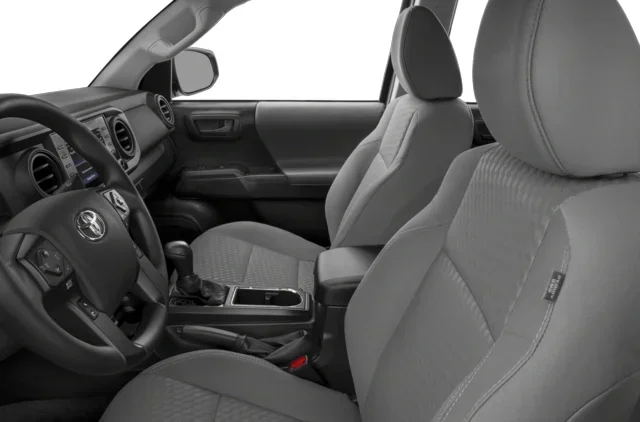
Hard Plastics Everywhere
The dashboard and door panels use hard, unpadded plastics. These surfaces look and feel cheap. They also dent and scratch easily. Even the higher trims do not hide this issue completely. Competitors like the Honda Civic and Mazda3 offer softer-touch materials at similar price points.
Basic Seat Design
The front seats provide adequate support for short trips. On longer drives, they lack the cushioning and side bolstering you would expect. Passengers in the back seat also get limited legroom compared to class rivals. The seats do not fold flat either, which limits cargo flexibility.
Infotainment System Feels Outdated
The 2017 Corolla’s infotainment system was already behind the times when the car launched. Today, it feels even more dated.
Slow and Unresponsive Touchscreen
The base model comes with a small non-touchscreen display. The higher trims add a touchscreen, but it responds slowly. Menus are not intuitive. You will find yourself pressing buttons multiple times before they register.
Missing Modern Features
Apple CarPlay and Android Auto did not arrive until later model years. In 2017, you get a basic Bluetooth connection and a backup camera. No wireless charging. No built-in navigation. These omissions make the driving experience feel disconnected from modern expectations.
Keeping your 2017 Corolla’s electrical systems healthy starts with proper maintenance. Visit Does The Maintenance Light Stay On to learn more about warning lights and what they mean for your vehicle.
Ride Comfort and Cabin Noise
The 2017 Corolla prioritizes fuel economy over ride refinement. This trade-off creates noticeable drawbacks in daily driving.
Harsh Suspension
The suspension setup is firm, especially on base trims. Potholes and speed bumps transmit sharp jolts into the cabin. On rough roads, the ride becomes uncomfortable quickly. The SE trim offers slightly better tuning, but it still falls short of competitors.
Excessive Road Noise
Wind and tire noise invade the cabin at highway speeds. You will hear a constant drone above 60 miles per hour. This makes long road trips tiring. The noise insulation simply does not match what you get from a Honda Civic or a Hyundai Elantra in the same price range.
Routine maintenance plays a big role in reducing noise and keeping your Corolla running well. Learning Can I Change My Corolla S Oil Myself is a great first step toward taking control of your car’s upkeep.
Safety and Visibility Concerns
Safety is a top priority for most car buyers. The 2017 Corolla has strengths here, but it also has clear weaknesses.
Limited Standard Safety Features
The base 2017 Corolla does not include forward collision warning or lane departure warning. These features only appear on higher trims or through optional packages. In 2024, many competitors offer these as standard even on base models. This makes the 2017 Corolla feel behind the times from a safety standpoint.
Poor Rear Visibility
The rear window is small, and the rear pillars are thick. Together, they create large blind spots when reversing. Parking in tight spaces requires extra caution. The backup camera helps, but it does not fully compensate for the limited field of view.
Want to understand what warning lights mean for your Corolla? Check out Can I Drive With A Maintenance Required Light On In A Toyota for important guidance on dashboard indicators.
Transmission and Driving Experience
The 2017 Corolla uses a continuously variable transmission, commonly known as a CVT. This type of transmission has specific characteristics that affect how the car feels on the road.
Rubber-Band Effect
The CVT creates a rubber-band effect during hard acceleration. The engine RPMs climb, but the acceleration does not follow immediately. This delay feels unnatural and takes getting used to. It also makes the car feel less responsive than traditional automatic transmissions.
No Sport Mode
The SE trim offers a sport mode, but it makes little difference. The CVT still feels sluggish. There is no manual shift mode that truly simulates gear changes. Drivers who enjoy a more engaging driving experience will find the Corolla boring.
Fuel Economy Trade-Offs
The CVT helps the Corolla achieve decent fuel economy in city driving. However, the real-world numbers often fall short of the EPA ratings. Aggressive driving kills the efficiency advantage. On the highway, the Corolla manages around 40 miles per gallon, which is competitive but not class-leading.
Using quality oil and filters keeps your Corolla’s engine and transmission healthy long-term. Are Toyota Oil Filters Good explores whether OEM filters are worth the investment for your 2017 model.
Resale Value and Ownership Costs
Every car owner thinks about long-term costs. The 2017 Corolla has some surprises in this area.
Depreciation
Toyota vehicles hold value well in general. The 2017 Corolla is no exception. However, the base model depreciates faster than higher trims. The lack of desirable features on the base model reduces its appeal in the used car market.
Maintenance Costs
Routine maintenance on the 2017 Corolla is affordable. Oil changes, brake pads, and tires cost less than the industry average. However, the CVT transmission can develop problems as the car ages. Repairs involving the CVT are expensive and can offset the savings from cheaper routine maintenance.
Parts Availability
Finding parts for the 2017 Corolla is easy. Toyota’s extensive dealer network ensures availability. Aftermarket parts are also widely available and affordable. This is one area where the Corolla clearly wins.
| Aspect | 2017 Corolla | Class Average |
|---|---|---|
| Base Engine Power | 132 hp | 140-160 hp |
| Fuel Economy (City) | 28 mpg | 27-30 mpg |
| Fuel Economy (Highway) | 36-40 mpg | 35-41 mpg |
| Rear Visibility | Poor | Average |
| Interior Material Quality | Below Average | Average |
| Infotainment Features | Basic | Average |
| Safety Features (Base) | Limited | Growing |
| Maintenance Cost | Low | Low-Medium |
| Resale Value | Good | Good |
Who Should Avoid the 2017 Corolla
Not everyone will be happy with this car. Understanding who should look elsewhere helps you make a smarter buying decision.
- Enthusiast Drivers: If you enjoy spirited driving, the Corolla will disappoint. The engine lacks power, and the CVT does not provide engaging shifts.
- Families Needing Space: The back seat and trunk are smaller than competing sedans. Families with young children may find it cramped.
- Tech-Savvy Buyers: The outdated infotainment system will frustrate anyone who relies on smartphone integration and modern connectivity.
- Long-Distance Commuters: Cabin noise and harsh suspension make long drives tiring. You will feel fatigued faster than in a more refined car.
Common Mistakes Buyers Make
Many people buy the 2017 Corolla without fully considering its limitations. Here are mistakes to avoid.
- Ignoring the Base Engine: Do not assume the Corolla feels peppy just because it is a Toyota. The base engine is genuinely weak.
- Overlooking Interior Quality: Photos online can hide the hard plastics and basic finishes. Always sit inside before buying.
- Skipping a Test Drive: The CVT and noisy cabin are things you must experience firsthand. A short test drive reveals more than any review.
- Underestimating Maintenance: The Corolla is affordable to maintain until the CVT needs attention. Budget for potential transmission repairs.
Expert Insights
Automotive experts consistently praise the 2017 Corolla for its reliability and fuel economy. But they also point out its weaknesses. Consumer Reports notes that the infotainment system ranks below average in usability. J.D. Power highlights that the interior quality trails segment competitors. Edmunds mentions that the CVT transmission is the most common complaint among owners.
The consensus among experts is clear. The 2017 Corolla is a safe, reliable choice. But it is not a thrilling or luxurious one. Buyers who prioritize dependability over excitement will be satisfied. Everyone else should test drive alternatives before committing.
How the 2017 Corolla Compares to Rivals
Understanding how the Corolla stacks up against competitors puts its cons in perspective. The Honda Civic, Mazda3, and Hyundai Elantra all offer stronger engines, better interiors, and more modern technology at similar price points. The Corolla’s main advantage remains its reputation for reliability and low long-term costs. If you value those above all else, the 2017 Corolla still makes sense. Just go in with your eyes open about its shortcomings.
Conclusion
The 2017 Toyota Corolla is a solid compact sedan with real-world reliability. But it has meaningful drawbacks that affect daily driving. The weak base engine, cheap interior, outdated infotainment, and noisy cabin all take a toll on ownership satisfaction. These cons matter because they directly impact how much you enjoy driving the car every day.
If you are buying used, make sure you test drive thoroughly and inspect the CVT transmission carefully. Budget for potential repairs and consider the higher trims if your budget allows. The 2017 Corolla is a good car, but knowing its weaknesses helps you make a smarter, more confident purchase decision. Do your homework, drive the car yourself, and decide if the trade-offs are worth it for your lifestyle.
Frequently Asked Questions
Is the 2017 Toyota Corolla reliable despite its cons?
Yes, the 2017 Corolla remains one of the most reliable compact sedans on the road. Its engine and transmission are proven designs with a long track record. Regular maintenance keeps it running well for many years.
Can the CVT transmission in the 2017 Corolla cause problems?
The CVT can develop issues as the car ages, especially around 100,000 miles. Common symptoms include jerking, shuddering, and unusual noises. Regular fluid changes help prevent premature wear.
Is the 2017 Corolla good for long road trips?
The Corolla handles long trips adequately but not comfortably. Cabin noise and firm suspension make extended driving tiring. If you frequently take road trips, consider a more refined alternative.
Does the 2017 Corolla have good fuel economy?
Yes, the 2017 Corolla delivers competitive fuel economy. The base engine achieves around 28 mpg in the city and 36 to 40 mpg on the highway. Real-world numbers may vary based on driving habits.
Are the safety ratings good for the 2017 Corolla?
The 2017 Corolla earned solid safety ratings from NHTSA. However, advanced safety features are limited on the base trim. Higher trims offer more driver-assistance technology.
Should I buy a used 2017 Toyota Corolla in 2024?
The 2017 Corolla is still a worthwhile used buy if you prioritize reliability and low ownership costs. Just be aware of the CVT condition and interior wear. A pre-purchase inspection is always recommended.