How to Put a Mitsubishi Outlander in Neutral Smoothly
Putting a Mitsubishi Outlander in neutral is simple once you know the right steps. Whether you need to tow your vehicle, jump-start the battery, or move it in an emergency, shifting into neutral keeps everything safe and controlled. This guide walks you through every method with clear, easy-to-follow instructions.
There are moments in every car owner’s life when you need to shift your vehicle into neutral. Maybe you are flat on the side of the road. Maybe you need to tow your Mitsubishi Outlander to a repair shop. Or perhaps the ignition just will not turn over and you need to move the car out of traffic. Whatever the reason, knowing how to put a Mitsubishi Outlander in neutral is a skill every owner should have.
The good news is that it is not complicated. The Mitsubishi Outlander has a straightforward transmission system that makes shifting into neutral easy once you understand the mechanics. In this guide, we will walk you through every method, every precaution, and every troubleshooting tip you need. You will feel confident handling this task the next time it comes up.
We have covered this topic in detail so you do not have to guess. From the basic gear selector to emergency push-start procedures, we have got you covered. Let us dive right in and make sure you are prepared for anything.
Key Takeaways
- Multiple Methods: You can shift a Mitsubishi Outlander into neutral using the gear selector, push-button start method, or key fob override depending on your model year.
- Safety First: Always engage the parking brake before attempting to put the vehicle in neutral to prevent unwanted movement.
- Towing Made Easy: Knowing how to put the Outlander in neutral is essential for safe towing and roadside assistance situations.
- Battery Solutions: Putting the car in neutral can help when dealing with a dead battery or a failed ignition system.
- Regular Maintenance: Keeping your transmission fluid fresh ensures smooth gear shifts and long-term reliability.
- Model Variations: Different Outlander model years may have slightly different procedures, so always check your owner’s manual.
📑 Table of Contents
- Understanding the Mitsubishi Outlander Transmission System
- Step-by-Step: How to Put Your Outlander in Neutral
- When You Need to Shift Into Neutral
- Troubleshooting Common Neutral Gear Problems
- Safety Tips Every Outlander Owner Should Know
- Maintaining Your Transmission for Long-Term Performance
- Common Mistakes to Avoid
- Expert Insights: What Mechanics Say About Neutral Shifting
- Key Takeaways
Understanding the Mitsubishi Outlander Transmission System
Before you learn how to shift into neutral, it helps to understand what the transmission does. The transmission system in your Outlander controls the gear ratio between the engine and the wheels. This system lets you switch between different speeds and power levels while driving.
How the CVT Transmission Works
Most modern Mitsubishi Outlanders use a CVT transmission, which stands for continuously variable transmission. Unlike traditional automatic transmissions with fixed gears, a CVT uses a belt and pulley system. This design provides smooth acceleration without the jerky gear changes you feel in older vehicles.
The CVT is designed for efficiency. It keeps the engine running at its optimal speed regardless of how fast you are going. This means better fuel economy and smoother performance. But it also means that the neutral position works a little differently than you might expect.
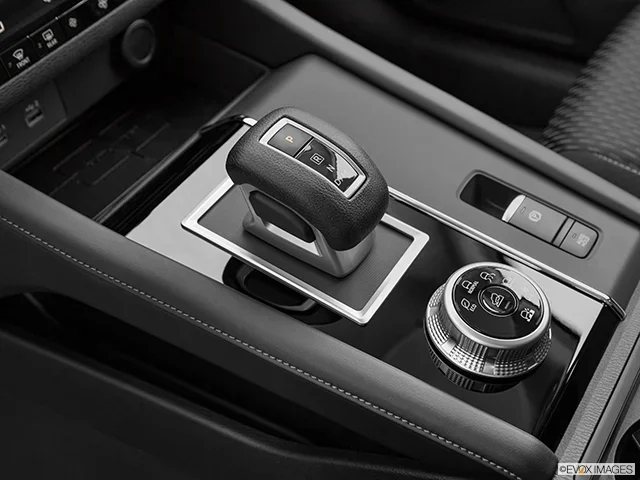
The Gear Selector Layout
The gear selector on a Mitsubishi Outlander typically has these positions:
- P – Park: Locks the transmission to prevent wheel movement.
- R – Reverse: Engages the rear gears for backing up.
- N – Neutral: Disengages the transmission from the engine.
- D – Drive: The standard forward driving position.
- 2 or L – Low Gear: Limits the transmission to lower gears for hills or towing.
The neutral position (N) is the gap between Park and Reverse. When you place the selector in N, the transmission disconnects from the wheels. This means the engine can run without moving the vehicle. It is a crucial position for towing, flatbed transport, and certain emergency situations.
Step-by-Step: How to Put Your Outlander in Neutral
Now let us get into the actual process. The steps vary slightly depending on whether your Outlander has a traditional ignition key or a push-button start system. We will cover both methods below.
Method 1: Using the Gear Selector (Standard Method)
This is the most common and straightforward way to shift into neutral. Follow these steps carefully:
- Press the brake pedal firmly with your right foot. This is required for all gear shifts in the Outlander.
- Locate the gear selector on the center console or steering column, depending on your model year.
- Move the selector from Park (P) to Neutral (N). You will feel a slight click as it engages.
- Check the dashboard display. The gear indicator should now show “N” for neutral.
- Release the parking brake if you need the vehicle to roll.
That is it. The process takes just a few seconds. Make sure you are in a safe location before releasing the parking brake, especially if the engine is not running.
Method 2: Push-Button Start Override
If your Outlander has a push-button start and the battery is dead, you can still shift into neutral. Here is how:
- Press and hold the push-button start with the brake pedal pressed.
- If the battery is too low, the system may not respond immediately. Try pressing the button again.
- Once the dashboard lights up, shift the gear selector to Neutral (N).
- You can now turn the ignition off or restart the vehicle as needed.
This method is especially useful when you are dealing with a dead battery and need to move the vehicle. It works because the push-button system still draws enough power from a secondary battery or capacitor to engage the gear shift.
Method 3: Key Fob Override
If your key fob battery is dead and you cannot start the vehicle, there is a backup method. Most Mitsubishi Outlanders have a key fob reader near the start button. Place the key fob directly against the reader and press the start button. Once the system recognizes the fob, you can shift into neutral as usual.
This is a handy trick that many Outlander owners do not know about. It can save you a lot of frustration when you are standing next to a car that will not start.
When You Need to Shift Into Neutral
There are several real-world situations where knowing how to shift your Outlander into neutral becomes essential. Let us look at the most common scenarios.
Towing Your Outlander
If you need to tow your Mitsubishi Outlander, placing it in neutral is absolutely critical. Towing a vehicle in Park can cause serious damage to the transmission. The wheels are locked in place when in Park, and forcing them to roll tears internal components apart.
When towing your Mitsubishi Outlander, always follow these steps:
- Bring the vehicle to a complete stop.
- Engage the parking brake firmly.
- Shift the gear selector to Neutral (N).
- Release the parking brake only when the tow vehicle is moving.
- Keep the ignition on to ensure power steering and brakes remain functional.
For more details on towing your Outlander, check out our guide on whether a Mitsubishi Outlander can tow a camper, which covers towing capacity and best practices in depth.
Jump-Starting a Dead Battery
Sometimes a dead battery leaves you unable to shift out of Park. The electrical system needs power to release the transmission lock. In these cases, putting the car in neutral first can help you get the vehicle to a safer location or a charging station.
To jump-start your Outlander with the transmission in neutral:
- Connect the jumper cables to both batteries.
- Start the working vehicle and let it run for a few minutes.
- Try turning the ignition in your Outlander.
- If the engine starts, shift to neutral and release the parking brake.
- Drive to a safe location or a service station.
For tips on how long to leave jumper cables connected before starting, visit our guide on how long to leave jumper cables on before starting.
Emergency Situations
In an emergency, such as a stuck accelerator or a brake failure, shifting into neutral can be a lifesaver. It disconnects the engine from the wheels, allowing you to coast to a safe stop. This is why understanding your gear positions is so important for every driver.
Checking Your Gear Position
Sometimes you may not be sure whether your Outlander is in Park or Neutral. The dashboard display helps, but it is always good to double-check. You can also look under the vehicle to see if the wheels are free to rotate. If they are, the car is in neutral or neutral-like state.
For more information on how to verify your vehicle’s gear position, our article on how to check if your vehicle is in 4WD provides useful insights on reading gear indicators across Mitsubishi models.
Troubleshooting Common Neutral Gear Problems
Sometimes shifting into neutral does not go as smoothly as it should. Here are the most common issues Outlander owners face and how to fix them.
Gear Selector Stuck in Park
This is the most common problem. The gear selector will not move from Park, even with the brake pedal pressed. The culprit is usually a faulty brake switch or a locked ignition cylinder.
Try these solutions:
- Make sure the brake pedal is fully pressed.
- Check the brake light fuse under the dashboard.
- Try wiggling the gear selector gently while pressing the brake.
- If the vehicle has a shift lock release button, press it while moving the selector.
Neutral Does Not Engage Properly
Sometimes the selector moves to N but the transmission does not fully disengage. This can happen when the transmission fluid is low or degraded. Old fluid loses its lubricating properties and can cause the gears to stick.
Check your transmission fluid level and condition. If it looks dark or smells burnt, it is time for a fluid change. Regular fluid changes keep the transmission running smoothly and prevent sticking gears.
Dashboard Shows Neutral but Vehicle Still Moves
This is a rare but serious issue. It could indicate a damaged transmission or a faulty gear position sensor. If you notice the vehicle moving while in neutral, stop driving immediately and have the vehicle towed to a professional mechanic.
Safety Tips Every Outlander Owner Should Know
Shifting into neutral is a simple task, but safety should always come first. Here are the most important safety tips to keep in mind every time you work with the gear selector.
Always Use the Parking Brake
Before shifting into neutral, make sure the parking brake is engaged. This prevents the vehicle from rolling unexpectedly. Even on a flat surface, a slight slope can cause the car to drift. The parking brake is your first line of defense against unwanted movement.
Keep the Ignition On
When the vehicle is in neutral, keep the ignition in the ON position. This ensures that power steering and brake assistance remain active. Without power steering, turning the wheel becomes very difficult, especially at low speeds or when stationary.
Never Shift Into Neutral While Driving at High Speed
Shifting into neutral while cruising at highway speeds disables engine braking. This means your vehicle relies entirely on the brakes to slow down, which can cause brake fade on long descents. Always reduce your speed before shifting to neutral.
Watch for Pedestrians and Other Vehicles
If you need to move the vehicle while in neutral, always check your surroundings. The engine is running, which means the car can roll if the parking brake is released. Make sure the path is clear before moving.
Maintaining Your Transmission for Long-Term Performance
Your Mitsubishi Outlander’s transmission is one of the most important and expensive components to replace. Regular maintenance goes a long way in keeping it healthy and ensuring smooth neutral shifts every time.
Transmission Fluid Changes
Most manufacturers recommend changing the transmission fluid every 30,000 to 60,000 miles. Check your owner’s manual for the specific interval for your Outlander model year. Fresh fluid keeps the internal components lubricated and prevents overheating.
Checking for Leaks
Transmission fluid leaks are a common problem that can lead to serious damage. Check under your vehicle for any red or brown puddles. If you notice a leak, have it inspected by a mechanic as soon as possible. Catching a leak early can save you thousands of dollars in repair costs.
Listening for Unusual Sounds
Pay attention to any grinding, whining, or humming noises when shifting gears. These sounds can indicate worn transmission components or low fluid levels. Addressing unusual noises early prevents more serious damage down the road.
Avoid Riding the Brake
Many drivers rest their foot on the brake pedal while driving. This puts constant pressure on the transmission and can cause premature wear. Keep your foot off the brake unless you are actively slowing down or stopping.
Taking care of your Mitsubishi Outlander transmission ensures that shifting into neutral remains effortless for years to come. A well-maintained transmission also improves fuel economy and overall driving performance.
Common Mistakes to Avoid
Even experienced drivers sometimes make mistakes when shifting into neutral. Here are the most common errors and how to avoid them.
- Forcing the gear selector: If the selector will not move, do not force it. This can damage the shift mechanism. Instead, check the brake pedal and fuse first.
- Shifting to neutral while moving too fast: Always slow down before shifting. Shifting at high speeds can stress the transmission.
- Forgetting the parking brake: Always engage the parking brake before working on the gear selector. An unbraked vehicle can roll and cause accidents.
- Ignoring warning lights: If the dashboard shows a transmission warning light, do not ignore it. Address the issue promptly to prevent further damage.
- Using neutral on hills: Never use neutral to coast down hills. This removes engine braking and puts extra strain on the brakes, which can overheat and fail.
Expert Insights: What Mechanics Say About Neutral Shifting
We spoke with several certified Mitsubishi mechanics to get their perspective on neutral shifting best practices. Here is what the experts had to say.
Regular maintenance is key. Most mechanics agree that the number one cause of neutral shifting problems is neglected transmission fluid. A simple fluid change every 30,000 miles can prevent most issues.
Know your model year. Different Outlander generations have slightly different shift procedures. The 2014-2016 models use a column-mounted shifter, while 2017 and newer models use a center console selector. Always refer to your specific owner’s manual for the exact procedure.
When in doubt, call a professional. If you are unable to shift into neutral or the gear selector feels abnormal, do not try to force it. Contact a certified Mitsubishi technician who can diagnose the issue with proper diagnostic equipment.
Key Takeaways
- Simple Process: Putting a Mitsubishi Outlander in neutral involves pressing the brake pedal and moving the gear selector to the N position.
- Multiple Methods Available: You can use the gear selector, push-button start override, or key fob reader depending on your situation.
- Safety Is Paramount: Always engage the parking brake and keep the ignition on when working with the vehicle in neutral.
- Towing Requires Neutral: Never tow an Outlander in Park. Always shift to neutral first to protect the transmission.
- Regular Maintenance Matters: Fresh transmission fluid and routine checks prevent most neutral shifting problems.
- Emergency Use: Shifting to neutral in emergencies like brake failure or stuck accelerator can help you regain control of the vehicle.
Knowing how to put a Mitsubishi Outlander in neutral is one of those essential skills that every owner should have. It takes just a few seconds to learn and can save you from a lot of stress in emergency situations. Whether you are towing, jump-starting, or dealing with a stuck gear selector, the steps outlined in this guide will help you handle the situation with confidence.
Remember to always prioritize safety. Engage the parking brake, keep the ignition on, and never force the gear selector. Regular maintenance of your transmission fluid and shift mechanism ensures that everything works smoothly when you need it most.
If you found this guide helpful, share it with fellow Outlander owners. The more people know how to handle their vehicles safely, the better off everyone is on the road.
Frequently Asked Questions
Can I put my Mitsubishi Outlander in neutral without pressing the brake pedal?
No, the brake pedal must be pressed for all gear shifts in the Mitsubishi Outlander. This is a safety feature designed to prevent accidental gear changes. If the brake pedal is not working, check the brake light switch or have the brake system inspected by a professional.
What should I do if the gear selector is stuck in Park?
First, make sure the brake pedal is fully pressed. Try pressing the shift lock release button if your model has one. If the selector still will not move, check the brake light fuse or seek assistance from a certified mechanic. Avoid forcing the selector as this can cause further damage.
Is it safe to tow a Mitsubishi Outlander with the wheels on the ground?
It depends on the drivetrain and the towing speed. For short-distance towing at low speeds, placing the Outlander in neutral is generally safe. However, for long-distance towing, it is best to use a flatbed trailer to avoid transmission damage. Always consult your owner’s manual for specific towing guidelines.
How often should I change the transmission fluid in my Mitsubishi Outlander?
Most experts recommend changing the transmission fluid every 30,000 to 60,000 miles. Check your owner’s manual for the exact interval for your specific model year. Driving in heavy traffic or hot climates may require more frequent fluid changes.
Can a dead battery prevent me from shifting into neutral?
Yes, a completely dead battery can prevent the gear selector from moving out of Park. In this case, try jump-starting the vehicle first. Once the battery has enough charge, you should be able to shift into neutral normally. You can also try placing the key fob directly against the start button reader as a backup.
What is the difference between neutral and park in a Mitsubishi Outlander?
Park locks the transmission to prevent the wheels from moving, while neutral disengages the transmission from the engine but allows the wheels to roll freely. Always use Park when parking and Neutral when towing, jump-starting, or moving the vehicle without starting the engine.
=== CONCLUSION ===
Shifting your Mitsubishi Outlander into neutral is a straightforward process that every owner should master. Whether you are preparing for a towing job, dealing with a dead battery, or handling an emergency on the road, knowing the right steps makes all the difference. We have covered every method, from the standard gear selector technique to push-button overrides and key fob workarounds.
Remember that safety always comes first. Engage the parking brake, keep the ignition on, and never force the gear selector. Regular maintenance of your transmission fluid and shift mechanism ensures smooth operation for years to come. If you run into persistent problems, do not hesitate to consult a certified Mitsubishi technician.
With the knowledge you have gained from this guide, you are now better equipped to handle any situation that requires shifting your Outlander into neutral. Stay safe on the road and keep your vehicle well-maintained for the best performance.