How Much Does a Honda Civic Weigh and Why It Matters
The Honda Civic weighs between 2,600 and 3,200 pounds depending on the trim, engine, and generation. Knowing your Honda Civic weight helps you understand fuel economy, towing limits, and overall performance. This guide breaks down everything you need to know about curb weight across all recent model years.
Have you ever wondered how much does a Honda Civic weigh? It sounds like a simple question, but the answer actually depends on a lot of factors. The trim level, the engine type, the model year, and even the options you chose all play a role in determining the final number.
Honda Civic weight matters more than most people think. It affects your gas mileage, how the car handles on the road, and even how much cargo or towing you can safely do. Whether you are buying a used Civic or just curious about your current ride, understanding the numbers gives you a real advantage.
In this guide, we will walk through everything you need to know. We will look at the weight across different generations, compare trim levels, and explain why the number on the scale is so important. By the end, you will have a clear picture of what your Honda Civic weighs and why it all matters.
Key Takeaways
- Base Honda Civic models weigh around 2,600 pounds: the lightest trims offer the best fuel economy and handling.
- Higher trims and turbo models push the scale to 3,000–3,200 pounds: more features and power add heft.
- Vehicle weight directly impacts MPG: heavier cars burn more gas, and fuel efficiency drops over time with added weight.
- Knowing your Honda Civic weight helps with towing and payload decisions: you need to stay within safe limits.
- Different generations carry different weights: newer models tend to be slightly heavier due to safety tech.
- Checking your owner’s manual is the fastest way to find exact weight specs: it lists curb weight for your specific trim.
📑 Table of Contents
- What Is the Weight of a Honda Civic?
- Honda Civic Weight by Generation
- How Trim Levels Affect Honda Civic Weight
- Why Vehicle Weight Matters
- How Honda Civic Weight Compares to Other Compact Cars
- Tips for Managing Your Honda Civic’s Weight
- Common Mistakes People Make About Car Weight
- Expert Insights on Honda Civic Weight
- Key Takeaways
- Conclusion
What Is the Weight of a Honda Civic?
When people ask about how much does a Honda Civic weigh, they are usually looking for the curb weight. Curb weight means the weight of the car with a full tank of gas and all standard equipment, but no passengers or cargo. Think of it as the baseline number.
The average Honda Civic curb weight sits somewhere between 2,600 and 3,200 pounds. That range is pretty wide, and it exists because Honda offers several different trims and engine options. A base LX sedan will land on the lower end, while a Touring trim with a turbocharged engine will climb toward the higher end.
Here are the key weight categories you should know:
- Curb weight: The weight of the car as it sits, ready to drive, with a full tank.
- Gross vehicle weight rating (GVWR): The maximum safe weight your car can carry, including passengers, cargo, and fuel.
- Payload capacity: How much extra weight you can safely add beyond the curb weight.
- Towing capacity: How much weight the car can pull behind it.
Understanding these terms makes it much easier to interpret the numbers you find. If you want to dig deeper into your car’s limits, check out our guide on how do I know how much weight my car can hold. It covers payload and towing in detail.
Honda Civic Weight by Generation
The Honda Civic has been around since 1972, and the weight has changed quite a bit over the decades. Newer models come with more safety features, stronger materials, and heavier technology. That adds pounds to the scale.
10th Generation (2016–2021)
The 10th generation Honda Civic brought a completely redesigned platform. The base sedan weighed around 2,770 pounds. The hatchback version came in slightly lighter at about 2,720 pounds. The Si trim, with its more powerful engine, pushed closer to 3,000 pounds.
One reason these models weigh what they do is the use of advanced high-strength steel. Honda invested heavily in safety, which means more reinforced structures. That is great for crash protection, but it does add weight.
11th Generation (2022–Present)
The latest Honda Civic is slightly heavier than its predecessor. The base 2022 Civic sedan starts around 2,800 pounds. The turbocharged trims can reach close to 3,100 pounds. The added weight comes from updated tech features, larger brakes, and additional sound-deadening materials.
Even with the extra pounds, Honda has done a remarkable job keeping the Civic feeling nimble. The engineering team worked hard to distribute weight evenly, which keeps the driving experience sharp.
Older Generations (Pre-2016)
If you are driving a 9th generation Civic or older, the numbers drop even further. A 2010–2015 Civic sedan typically weighed between 2,600 and 2,900 pounds. These older models are lighter, which is one reason they often feel so responsive on the road.
However, lighter does not always mean better. Older Civics may lack the structural reinforcements and safety technology found in newer models. So there is a trade-off to consider.
How Trim Levels Affect Honda Civic Weight
Not all Honda Civics are created equal when it comes to the scale. The trim level you choose has a direct impact on the final weight. Let us break this down by the most popular trims.
| Trim Level | Approximate Weight (lbs) | Engine Type |
|---|---|---|
| Base (LX) | 2,600 – 2,800 | 2.0L 4-Cylinder |
| Sport | 2,700 – 2,850 | 2.0L 4-Cylinder |
| EX / EX-L | 2,750 – 2,900 | 2.0L 4-Cylinder |
| Touring | 2,850 – 3,000 | 2.0L 4-Cylinder |
| Si | 3,000 – 3,100 | 1.5L Turbo 4-Cylinder |
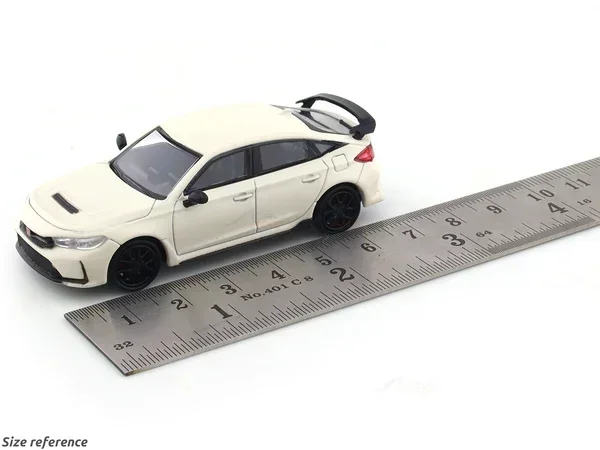
| Type R | 3,100 – 3,200 | 2.0L Turbo 4-Cylinder |
As you can see, moving up the trim ladder adds weight in small but meaningful increments. Each level adds features like upgraded speakers, leather seats, larger wheels, and more sound insulation. These extras may feel like small additions, but they stack up quickly on the scale.
The Type R, Honda’s performance-oriented Civic, carries the most weight. It has a larger turbocharged engine, upgraded suspension components, and wider wheels. All of that contributes to a heavier car, but it also delivers a much more powerful driving experience.
Why Vehicle Weight Matters
You might be thinking, “Does a few hundred pounds really make a difference?” The answer is absolutely yes. Vehicle weight touches nearly every aspect of how your car performs and feels.
Fuel Economy
Weight is one of the biggest factors in fuel economy. A lighter car needs less energy to move, which means better gas mileage. The base Honda Civic, being one of the lightest in its class, delivers excellent fuel economy. You can expect around 32 mpg in the city and 42 mpg on the highway for the lighter trims.
But here is something important to keep in mind: does MPG go down with age? Yes, it can. As a car gets older, components wear out, engines become less efficient, and added weight from accessories or modifications can drag your fuel economy down. Staying on top of maintenance helps keep your Civic running efficiently.
Handling and Driving Dynamics
Lighter cars tend to handle better. They accelerate faster, brake more efficiently, and feel more responsive in turns. This is why the base Honda Civic feels so peppy compared to heavier sedans in the same price range. The Honda Civic weight gives it a natural advantage in everyday driving.
That said, the difference between a 2,600-pound Civic and a 3,100-pound Civic is not dramatic enough to feel night and day. Honda has done an excellent job of keeping the driving experience balanced across all trims.
Safety and Crash Performance
Heavier cars often have an advantage in crashes. More mass means more energy absorption during a collision. This is one reason newer Civics, which are slightly heavier, tend to earn top safety ratings. The added weight from reinforced structures and safety systems is not just about comfort — it is about protecting you and your passengers.
Towing and Payload
If you plan to tow anything with your Civic, weight is critical. Most Honda Civics have a towing capacity of around 1,000 to 1,500 pounds, depending on the trim. Exceeding that limit can damage your engine, transmission, and brakes. Always check your owner’s manual for the exact numbers before towing.
Understanding how much weight your car can carry also helps with everyday driving. Overloading your trunk or carrying too many passengers puts extra strain on the suspension and tires. For more details on your car’s limits, visit our article on how do I know how much weight my car can hold.
How Honda Civic Weight Compares to Other Compact Cars
The Honda Civic sits in a crowded compact car segment. Let us see how it stacks up against some popular rivals.
- Toyota Corolla: Weighs between 2,800 and 3,050 pounds. Similar to the Civic, but slightly heavier in higher trims.
- Mazda3: Comes in at 2,800 to 3,100 pounds. Heavier than the base Civic but competitive with the Sport and Touring trims.
- Hyundai Elantra: Weighs around 2,750 to 3,000 pounds. Close to the Civic, with a similar weight range.
- Ford Focus: Discontinued, but the last generation weighed around 2,900 to 3,100 pounds.
Overall, the Honda Civic holds its own in the lightweight category. The base models are among the lightest in the segment, which contributes to their strong fuel economy and fun driving character.
Tips for Managing Your Honda Civic’s Weight
Want to keep your Civic as light and efficient as possible? Here are some practical tips that make a real difference.
1. Remove Unnecessary Items from Your Car
Every extra pound counts. If you carry golf clubs, heavy tools, or boxes of stuff in your trunk every day, you are adding weight needlessly. Clean out your car regularly and only keep what you actually need.
2. Avoid Aftermarket Upgrades That Add Bulk
Bigger wheels, upgraded sound systems, and heavy accessories all add weight. If you are trying to keep your Civic light, choose lightweight aftermarket parts when possible. For example, alloy wheels are often lighter than stock steel wheels with covers.
3. Keep Your Fuel Tank at a Reasonable Level
A full tank of gas weighs about 6 to 7 gallons, which is roughly 40 to 50 pounds. That is not huge, but if you are trying to optimize every pound, keeping your tank at a quarter or half full can help slightly. If you want to know exactly how much fuel your tank holds, check out our article on how many gallons to fill up a car.
4. Stay Current with Maintenance
A well-maintained car runs more efficiently, which means better fuel economy and less strain on the engine. Regular oil changes, tire rotations, and air filter replacements all help your Civic perform at its best, regardless of its weight.
5. Be Smart About Towing
If you tow with your Civic, stay within the recommended limits. Towing too much weight can cause overheating, transmission wear, and reduced braking performance. Always distribute cargo evenly and use the right hitch setup.
Common Mistakes People Make About Car Weight
There are a few misconceptions about vehicle weight that trip up many car owners. Let us clear them up.
Mistake 1: Assuming all Honda Civics weigh the same. As we covered, trim levels and engine types create a wide weight range. Always check the specs for your specific model and year.
Mistake 2: Ignoring the difference between curb weight and gross weight. Curb weight is just the car itself. Gross weight includes everything you add. Confusing these two numbers can lead to overloading your vehicle.
Mistake 3: Thinking lighter is always better. While lighter cars have advantages in fuel economy and handling, some added weight improves crash safety. The goal is balance, not just being as light as possible.
Mistake 4: Not checking weight before modifications. If you plan to add a roof rack, larger wheels, or a sound system, factor in the added weight. These changes affect how your car drives and how much fuel it uses.
Mistake 5: Overlooking the impact of weight on resale value. Cars that are well-maintained and not overloaded tend to hold their value better. Buyers look at overall condition, and excessive wear from carrying too much weight can hurt your resale price.
Expert Insights on Honda Civic Weight
Automotive engineers often say that managing vehicle weight is one of the most important aspects of car design. Honda has long been a leader in this area. The company uses high-strength steel, aluminum components, and smart design choices to keep the Civic light without sacrificing safety.
According to industry experts, the ideal weight for a compact sedan falls between 2,600 and 3,000 pounds. The Honda Civic fits comfortably in this range across most trims. This balance gives drivers the best of both worlds: good fuel economy and solid crash protection.
One thing to keep in mind is that weight distribution matters just as much as total weight. Honda engineers carefully position the engine, battery, and other heavy components to keep the car balanced. This is why the Civic feels so stable and confident on the highway, even with passengers and cargo.
Key Takeaways
- The Honda Civic weight ranges from 2,600 to 3,200 pounds depending on trim, engine, and model year.
- Base models are the lightest and most fuel-efficient: they are perfect for daily commuting and easy driving.
- Higher trims and turbo models add weight through features and performance upgrades: the trade-off is more power and comfort.
- Vehicle weight affects fuel economy, handling, safety, and towing capacity: all of these factors matter in everyday driving.
- Newer Civics are slightly heavier than older models: the added weight comes from improved safety and technology.
- Keeping your Civic light through smart maintenance and cargo choices helps it perform at its best for years to come.
Conclusion
So, how much does a Honda Civic weigh? The answer is somewhere between 2,600 and 3,200 pounds, but the real story is much more interesting than just a number. Honda Civic weight affects everything from your gas mileage to how safe you are on the road. Whether you drive a lightweight base model or a heavier turbocharged Type R, understanding your car’s weight helps you make smarter decisions about fuel, cargo, and maintenance.
Take a moment to check your owner’s manual for the exact curb weight of your specific trim. That one simple step can save you from overloading your car and help you get the most out of your Honda Civic. Keep your car well-maintained, stay within safe weight limits, and your Civic will reward you with years of reliable, efficient driving.
The next time someone asks you how much does a Honda Civic weigh, you will have a complete and confident answer. And you will understand exactly why that number matters more than most people realize.
Frequently Asked Questions
What is the curb weight of a 2023 Honda Civic?
The 2023 Honda Civic base sedan weighs approximately 2,800 pounds. The Touring trim and turbocharged models can reach closer to 3,100 pounds depending on the options and features installed.
Does the Honda Civic weight affect gas mileage?
Yes, vehicle weight has a direct impact on fuel economy. Lighter Honda Civic models deliver better gas mileage because the engine does not have to work as hard to move the car. This is why the base trims tend to get the best MPG numbers.
Can I tow with a Honda Civic?
Most Honda Civics can tow up to 1,000 to 1,500 pounds, depending on the trim and engine. Always check your owner’s manual for the exact towing capacity, and never exceed the recommended limit to avoid damage to your vehicle.
Why is my Honda Civic heavier than the spec sheet says?
Factory spec sheets list curb weight with a full tank of gas and standard equipment. If your car has aftermarket additions like larger wheels, a sound system, or extra cargo, those add weight beyond the listed number.
How does Honda Civic weight compare to the Toyota Corolla?
The Honda Civic and Toyota Corolla are very similar in weight. The base Civic is slightly lighter than the base Corolla, which gives it a small edge in fuel economy and handling. However, the difference is only a few hundred pounds.
Is it bad to carry heavy items in my Honda Civic?
Carrying occasional heavy items is fine, but consistently overloading your car can strain the suspension, brakes, and engine. It also reduces fuel efficiency. Try to keep your cargo within the payload capacity listed in your owner’s manual.