How Long Is a Dealership Warranty and What It Covers
A dealership warranty typically lasts between 3 and 5 years or 36,000 to 60,000 miles, but coverage varies widely depending on the type. Bumper-to-bumper warranty handles most parts and systems, while powertrain warranty focuses on the engine and drivetrain. Understanding what your warranty covers helps you avoid surprise repair bills and get the most value from your purchase.
When you buy a new car, one of the first things you want to know is how long your dealership warranty lasts. It is a big deal. A warranty protects you from unexpected repair costs, and knowing the details gives you real peace of mind. But the truth is, warranties are not one-size-fits-all. Different cars, different brands, and different plans all come with their own rules.
This guide breaks down everything you need to know about dealership warranty length and coverage. We will walk through the types of warranties, what they cover, what they do not cover, and how to get the most out of yours. Whether you just bought a car or are thinking about buying one, this article has you covered.
## What Exactly Is a Dealership Warranty?
A dealership warranty is a promise from the manufacturer or dealer that they will pay for certain repairs within a set timeframe. Think of it as a safety net. If something breaks due to a defect or malfunction, the warranty picks up the bill for parts and labor.
Most new cars come with a factory warranty that starts on the purchase date or the vehicle build date. This is different from an extended warranty, which you purchase separately. The factory warranty is built into the price of the car, and it is the first layer of protection you get.
### Why Warranty Length Matters
The length of your warranty matters a lot. A longer warranty means more protection. If your car develops a problem in year four but your warranty only covers three years, you are paying out of pocket. That is why many buyers look for warranty coverage that extends beyond the basic terms.
### How Warranty Coverage Works in Practice
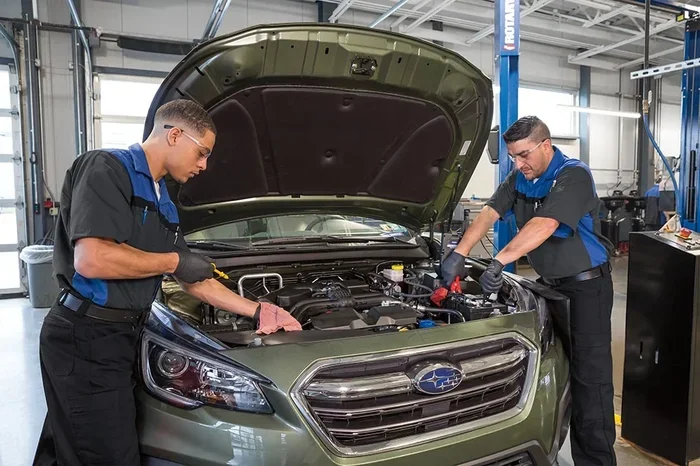
When you file a warranty claim, you bring your car to an authorized dealership. A technician inspects the vehicle and determines if the issue falls under your warranty. If it does, the dealership repairs or replaces the part at no cost to you. If it does not, you will need to pay for the repair yourself.
## How Long Does a Dealership Warranty Last?
The standard new car warranty lasts about three years or 36,000 miles. This is the most common bumper-to-bumper warranty term across many brands. But there are exceptions. Some manufacturers offer longer coverage, and different parts of your car may have different warranty timelines.
### Bumper-to-Bumper Warranty Duration
The bumper-to-bumper warranty is the most comprehensive plan. It covers almost everything except normal wear and tear. Most bumper-to-bumper plans last 3 years or 36,000 miles. Some brands go longer. For example, Hyundai offers a 5-year/60,000-mile bumper-to-bumper warranty on many models.
### Powertrain Warranty Duration
The powertrain warranty focuses on the parts that make your car move. This includes the engine, transmission, and drivetrain. Powertrain warranties typically last longer than bumper-to-bumper plans. A common term is 5 years or 60,000 miles. Some manufacturers push this even further.
### Corrosion and Roadside Assistance Coverage
Corrosion warranty coverage protects against rust and body damage. This usually lasts much longer, often 5 to 7 years. Roadside assistance is another perk that comes with many warranties. It covers things like towing, flat tire changes, and lockout services, usually for the first 3 to 5 years.
## What Does a Dealership Warranty Cover?
Understanding what is covered is just as important as knowing how long the warranty lasts. A vehicle warranty covers a wide range of parts and systems, but it has clear limits.
### Systems and Parts Typically Covered
A standard dealership warranty covers most major systems in your car. Here is a quick list of what is usually included:
- Engine components and internal parts
- Transmission and transaxle
- Electrical systems and sensors
- Air conditioning and heating systems
- Fuel system components
- Brakes and brake components
- Suspension and steering systems
- Infotainment and audio systems
- Seat belts and airbags
### What Is Usually Excluded
Not everything is covered. Warranty exclusions are important to understand. Most warranties do not cover:
- Normal wear and tear items like brake pads and tires
- Damage from accidents or misuse
- Cosmetic issues like scratches or dents
- Fluids and filters that need regular replacement
- Modifications or aftermarket parts
- Damage from neglect or lack of maintenance
### Wear-and-Tear Items Explained
Wear-and-tear items are parts that naturally degrade over time. Brake pads, wiper blades, and tires fall into this category. Even if your car is under warranty, these items are your responsibility. Replacing them is part of normal car ownership.
## Types of Dealership Warranties
Not all warranties are the same. There are several types, and each serves a different purpose. Knowing the differences helps you make smart decisions about your car warranty terms.
### Factory Warranty (Included with New Cars)
The factory warranty comes with every new car. It is provided by the manufacturer and honored at all authorized dealerships. This is your first line of defense against repair costs. Most factory warranties include bumper-to-bumper and powertrain coverage.
### Extended Warranty (Aftermarket or Manufacturer-Sponsored)
An extended warranty picks up where the factory warranty leaves off. You can purchase it from the manufacturer or a third-party provider. Extended warranties vary widely in price and coverage. Some are excellent value, while others are not worth the cost. Always read the contract carefully.
### Certified Pre-Owned (CPO) Warranty
If you buy a certified pre-owned vehicle, it often comes with its own warranty. CPO programs are offered by manufacturers and include inspections, refurbishments, and warranty coverage. These warranties are usually shorter than new car warranties but still provide solid protection.
### Maintenance Plans and Service Plans
Some dealerships offer maintenance plans or service plans separate from the warranty. These cover routine services like oil changes, tire rotations, and multi-point inspections. They do not cover repairs, but they can save you money on regular upkeep.
## How to Make the Most of Your Dealership Warranty
Having a warranty is great, but knowing how to use it is even better. A few smart strategies help you maximize the value of your warranty coverage.
### Keep Detailed Records
Always save every receipt and service record. If you ever need to file a warranty claim, having documentation makes the process smoother. Dealerships want to see proof of regular maintenance. If you cannot produce it, they may deny your claim.
### Follow the Maintenance Schedule
Every car comes with a recommended maintenance schedule. Follow it closely. Skipping oil changes or ignoring check engine lights can void your warranty. Stick to the schedule and keep your car in good shape.
### Know Your Coverage Limits
Read your warranty document thoroughly. Understand the mileage limits, time limits, and exclusions. If something feels unclear, ask your dealer before you drive off the lot.
### Visit Authorized Dealerships for Service
For warranty work, always visit an authorized dealership. Some manufacturers allow you to take your car to any repair shop, but others require dealership service. For example, Toyota owners can take their vehicles to any Toyota dealership for warranty work, which gives them flexibility. Check your specific brand’s policy.
### Transfer Your Warranty When You Sell
If you sell your car before the warranty expires, check if the warranty is transferable. A transferable warranty adds value to your car and makes it more attractive to buyers. Not all warranties transfer, so this is worth checking early.
## Common Warranty Mistakes to Avoid
Even the best warranty can become useless if you make mistakes. Here are some common errors that car owners make.
### Ignoring Warning Lights
If your check engine light comes on, do not ignore it. Delaying repairs can turn a small problem into a big one. Worse, it can void your warranty if the issue worsens due to neglect.
### Missing Scheduled Maintenance
Skipping oil changes or tire rotations is a quick way to lose your warranty. Dealerships track maintenance closely, and they will deny claims if your service history is incomplete.
### Modifying Your Vehicle
Aftermarket modifications can cause problems. If a modified part fails or damages other components, the warranty may not cover the resulting repairs. Keep your car as stock as possible while it is under warranty.
### Not Understanding Exclusions
Many owners assume their warranty covers everything. It does not. Read the fine print and understand what is excluded before you need to file a claim.
## Frequently Asked Questions
How long does a standard dealership warranty last?
A standard dealership warranty typically lasts 3 years or 36,000 miles, whichever comes first. However, powertrain warranties often extend to 5 years or 60,000 miles. Always check your specific vehicle’s warranty document for exact terms.
What is the difference between bumper-to-bumper and powertrain warranty?
A bumper-to-bumper warranty covers almost all parts and systems in your car, while a powertrain warranty only covers the engine, transmission, and drivetrain. Bumper-to-bumper is more comprehensive but usually shorter in duration.
Can I take my car to any dealership for warranty work?
This depends on your manufacturer. Some brands allow you to visit any authorized dealership, while others require you to go to the dealer where you purchased the vehicle. For instance, Toyota allows owners to take their cars to any Toyota dealership for warranty service, offering great convenience.
Does a dealership warranty cover accidents?
No, a dealership warranty does not cover damage from accidents. It only covers defects and malfunctions that occur under normal use. Accident damage is handled by car insurance, not warranty coverage.
Can I extend my dealership warranty after it expires?
Yes, you can purchase an extended warranty after your factory warranty expires. These are offered by manufacturers and third-party providers. Be sure to compare plans, read reviews, and understand the terms before committing.
Is a dealership warranty transferable to a new owner?
Some factory warranties are transferable to new owners if you sell the car before the warranty period ends. Transferable warranties can increase the resale value of your vehicle. Check your warranty documentation or ask your dealer about transfer policies.
## Final Thoughts
A dealership warranty is one of the best benefits of buying a new car. It protects you from unexpected repair costs and gives you confidence behind the wheel. But knowing the details makes all the difference.
Take the time to understand your warranty coverage, follow the maintenance schedule, and keep your records organized. These simple steps ensure you get the full value from your warranty. When your coverage period ends, consider whether an extended warranty makes sense for your situation.
Your car is a big investment. Treat your warranty as the safety net it is meant to be. With the right knowledge and a little planning, you will drive with confidence for years to come.
Key Takeaways
- Standard dealership warranties usually last 3 years or 36,000 miles, whichever comes first.
- Powertrain warranties often extend to 5 years or 60,000 miles, covering major mechanical components.
- Bumper-to-bumper coverage is the most comprehensive but excludes wear-and-tear items like brakes and tires.
- Extended warranties can add coverage beyond the factory period, but terms vary greatly.
- Certified pre-owned vehicles often come with their own warranty plans that differ from new car coverage.
- Read the fine print carefully to understand exclusions, claim procedures, and transfer policies.
- Regular maintenance at authorized dealerships helps keep your warranty valid and your car running smoothly.
Frequently Asked Questions
What is How Long Is Dealership Warranty?
How Long Is Dealership Warranty is an important topic with many practical applications.