Why Does My Car Not Have a Rear Wiper Fully Explained
Your car might be missing a rear wiper for several reasons, including vehicle design, manufacturer choices, and cost savings. Many sedans and hatchbacks skip the rear wiper because their rear window design naturally sheds water. Understanding why your car lacks a rear wiper helps you make informed decisions about visibility, safety, and potential upgrades.
Key Takeaways
- Vehicle design matters: Many cars don’t need a rear wiper because their rear window shape naturally directs water away.
- Manufacturer decisions drive the choice: Automakers often remove rear wipers to cut costs and simplify production.
- Not all cars skip the rear wiper: Hatchbacks and SUVs are more likely to have them than sedans.
- You can add a rear wiper: Aftermarket kits exist and installation is often straightforward.
- Legal requirements vary by state: Check local laws to see if a rear wiper is mandatory for your vehicle.
- Visibility affects safety: A rear wiper can improve your view in heavy rain or snow, reducing accident risk.
📑 Table of Contents
- Why Does My Car Not Have a Rear Wiper?
- The Role of a Rear Wiper
- Reasons Why Your Car Does Not Have a Rear Wiper
- Which Cars Typically Have a Rear Wiper?
- Can You Add a Rear Wiper to Your Car?
- Legal Requirements for Rear Wipers
- Common Problems with Rear Wipers
- How Rear Wipers Compare to Front Wipers
- Expert Tips for Rear Window Visibility
- Conclusion
Why Does My Car Not Have a Rear Wiper?
If you have ever looked at the back window of your car and noticed there is no rear wiper, you are not alone. This is a common question among car owners. Many vehicles roll off the assembly line without one, and it can leave drivers wondering why. The answer is not as simple as you might think.
Several factors determine whether a car gets a rear wiper. These include the vehicle’s body style, the shape of the rear window, and even the automaker’s budget decisions. Some cars genuinely need a rear wiper. Others simply do not benefit from having one. In this article, we will explore every reason why your car might be missing a rear wiper. We will also look at when you might want to add one yourself.
Whether you drive a sedan, a hatchback, or an SUV, understanding the rear wiper situation helps you stay safe on the road. Let us break it all down.
The Role of a Rear Wiper
Before we dive into why some cars skip the rear wiper, let us talk about what it does. A rear wiper clears rain, snow, dirt, and debris from the back window. This is especially important when you are driving in bad weather. A dirty rear window can block your view when you are reversing or merging lanes.
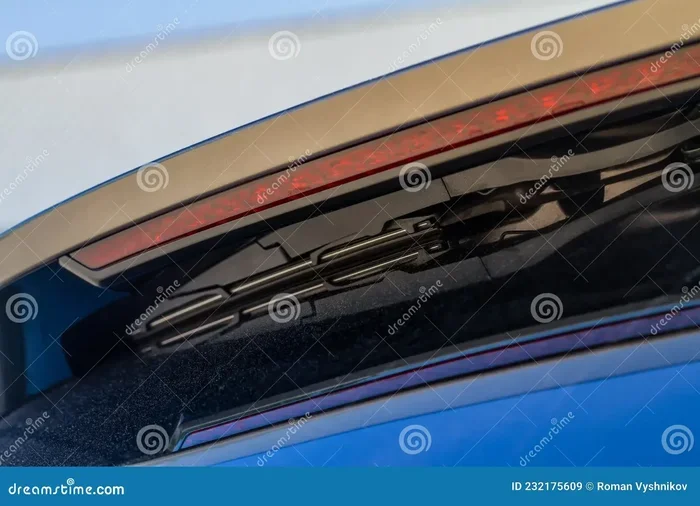
The rear wiper works just like the front wipers. It uses a motor to move a blade across the glass. The blade sweeps away water and other particles. This keeps the rear window clear and improves your visibility. In some vehicles, the rear wiper is a small, compact unit tucked under a hatch or door.
However, not every car needs this system. The shape of the rear window and the driving conditions play a big role. Some rear windows are designed to let water slide off naturally. In those cases, a rear wiper becomes less necessary. The automaker may decide that adding one does not provide enough benefit to justify the cost.
How a Rear Wiper Improves Visibility
When it is raining hard, the back window can fog up quickly. Without a rear wiper, you are left wiping the glass manually. This is not safe when you are driving at highway speeds. A rear wiper gives you instant clearing power at the push of a button. It is a small convenience that can make a big difference in safety.
Some drivers also deal with bugs, bird droppings, and road grime on their rear windows. A rear wiper helps keep these messes under control. It works alongside the rear defroster to keep the back window clear in all conditions.
Reasons Why Your Car Does Not Have a Rear Wiper
Now let us get to the heart of the matter. There are several reasons why your car might not have a rear wiper. Each reason is tied to design choices, cost considerations, and practical use cases.
1. Vehicle Body Style and Design
The body style of your car is one of the biggest factors. Sedans, for example, often have a sloping rear window. This angled design helps water flow off the glass naturally. Because of this, automakers may skip the rear wiper entirely. The window shape does the job on its own.
Hatchbacks and SUVs, on the other hand, tend to have more vertical rear windows. These flat or nearly flat surfaces trap water more easily. That is why you often see rear wipers on hatchbacks and SUVs. The design of the window matters more than you might think.
Some cars also have a fastback or coupe-style rear end. These designs create a smooth curve that sheds water quickly. In these cases, adding a rear wiper would be redundant. The automaker sees no need to add extra hardware.
2. Cost Savings and Manufacturing Decisions
Automakers are always looking for ways to cut costs. Every part they add to a vehicle increases the production price. A rear wiper includes a motor, a blade, a wiring harness, and a control switch. That is a lot of extra components for a feature not every driver uses.
When automakers remove the rear wiper, they save money on parts and assembly time. These savings can add up quickly across millions of vehicles. The automaker passes some of those savings on to the buyer. That is why you might find a car without a rear wiper priced lower than a similar model that has one.
Budget-focused car brands are especially likely to skip the rear wiper. They aim to keep the vehicle as affordable as possible. Every small cost reduction helps them compete in a crowded market.
3. Aerodynamics and Fuel Efficiency
Car designers care a lot about aerodynamics. A smooth, uninterrupted rear window creates less drag than one with a rear wiper assembly sticking out. Less drag means better fuel efficiency. Over time, this small improvement can save drivers money at the pump.
The rear wiper motor and arm create a small bump on the rear window. This disrupts the airflow over the car. For automakers focused on fuel economy and wind resistance, removing the rear wiper is an easy win. It is a simple change that adds up in performance benefits.
4. Low Demand from Consumers
Not every driver needs a rear wiper. Many people live in dry climates where rain is rare. Others drive so rarely that a dirty rear window is not a real concern. Automakers study consumer behavior and preferences before making design decisions.
When market research shows that most buyers do not prioritize a rear wiper, the automaker may leave it out. They focus their budget on features that customers actually want. This could mean better sound systems, more safety features, or improved infotainment. The rear wiper simply does not make the cut.
5. Alternative Solutions Exist
Some cars use a rear defroster instead of a rear wiper. The defroster uses heat to evaporate moisture from the rear window. It is not as effective as a wiper for heavy rain, but it works well for light condensation and fog. Many modern cars rely on this system alone.
Other vehicles use special glass treatments. These coatings help water bead up and roll off the rear window. Hydrophobic coatings are becoming more popular. They reduce the need for a rear wiper by keeping the glass clearer in light rain.
Some drivers also use aftermarket solutions. You can buy a spray-on water repellent for the rear window. This creates a similar effect to factory coatings. It is a cheap and easy way to improve rear visibility without installing a rear wiper.
Which Cars Typically Have a Rear Wiper?
Not all cars skip the rear wiper. Some vehicles come standard with one. Understanding which types of cars usually have a rear wiper can help you make a better buying decision.
- Hatchbacks: Most hatchbacks have a rear wiper because their rear windows are more vertical and trap water.
- SUVs and Crossovers: Many SUVs include a rear wiper as standard equipment. The large rear window benefits from the extra clearing power.
- Station Wagons: These vehicles often have a rear wiper due to their tall, upright rear windows.
- Minivans: Rear wipers are common on minivans. Families need clear rear visibility for safety.
- Some Sedans: A few sedan models do include a rear wiper, especially those with upright rear windows.
Sports cars and luxury sedans sometimes skip the rear wiper. Their sleek designs prioritize aerodynamics over practicality. The automaker assumes the driver will not need it often. This is a trade-off between style and function.
How to Check if Your Car Should Have a Rear Wiper
If you are unsure whether your car should have a rear wiper, there are a few ways to check. First, look at your owner’s manual. It will list all standard and optional features. The rear wiper should be mentioned if your car has one.
You can also inspect the rear window area. Look for a small motor housing near the top of the rear glass. If you see a rubber arm or a connector plug, your car might be designed for a rear wiper. In some cases, the automaker removes the wiper but leaves the wiring in place. This makes it easier to add one later.
Another option is to check with your dealership. They can look up your vehicle by VIN and confirm whether a rear wiper was included. This is especially helpful if you bought a used car and are unsure about its original features.
Can You Add a Rear Wiper to Your Car?
The good news is that you can add a rear wiper to most vehicles that do not have one. Aftermarket kits are widely available and relatively affordable. The process is simpler than you might expect, and many DIY enthusiasts handle the installation themselves.
What You Need for Installation
To add a rear wiper, you will need a few basic items. First, purchase an aftermarket rear wiper kit that fits your vehicle. These kits include the motor, arm, blade, and wiring. You will also need basic hand tools like screwdrivers and pliers. Some kits come with all the hardware you need, while others require a few additional parts.
Before you start, check your rear window for any existing wiring or mounting points. If your car was designed to accept a rear wiper, the installation will be much easier. You may just need to connect the wiring and mount the motor. If there is no existing setup, you will need to run new wiring and create a mounting point.
Step-by-Step Installation Tips
- Remove the rear window trim or panel to access the area where the motor will mount.
- Attach the motor bracket to the designated spot on the rear window frame.
- Connect the wiring harness to the motor and route it along the existing wiring paths.
- Mount the wiper arm and blade onto the motor shaft.
- Test the system by turning on the rear wiper switch.
- Replace the trim panel and ensure everything sits flush.
If you are not comfortable with electrical work, consider hiring a professional. A mechanic can install the rear wiper quickly and safely. The cost is usually reasonable, and you will have peace of mind knowing the installation is done correctly.
Things to Consider Before Adding a Rear Wiper
Before adding a rear wiper, think about your driving habits. If you rarely drive in rain, the extra feature may not be worth the effort. On the other hand, if you live in an area with heavy rain or snow, a rear wiper can be a game changer.
Also consider the aesthetic impact. A rear wiper adds a visible element to the rear window. Some people find it looks sporty and functional. Others prefer the clean, uncluttered look of a window without one. Choose what fits your style and needs.
Legal Requirements for Rear Wipers
Do you legally need a rear wiper on your car? The answer depends on where you live. Different states and countries have different rules. In the United States, there is no federal law requiring a rear wiper. However, individual states may have their own regulations.
Some states require that all vehicles have proper rear visibility equipment. This could include a rear wiper if the rear window is prone to accumulating moisture. Other states do not mention rear wipers at all in their vehicle codes. It is always a good idea to check your local laws before driving without one.
If you are unsure about the rules in your area, you can look up your state’s vehicle code online. You can also visit your local DMV for guidance. Staying informed about legal requirements helps you avoid tickets and keeps you safe on the road.
For a detailed breakdown of rear wiper laws, check out our guide on Do You Legally Have To Have A Rear Wiper. It covers the regulations in detail and helps you understand what is required in your state.
Common Problems with Rear Wipers
If your car does have a rear wiper, you know that these systems can develop issues over time. Understanding common problems helps you stay ahead of repairs and keeps your rear wiper working properly.
Rear Wiper Not Working
The most common issue is a rear wiper that stops working entirely. This can happen for several reasons. The motor may burn out after years of use. The wiring connection could corrode or break. The fuse related to the rear wiper circuit might have blown.
Start by checking the fuse box. Replace any blown fuses and see if the rear wiper comes back to life. If the fuse is fine, the problem is likely the motor or the wiring. At that point, you may need professional help to diagnose and fix the issue.
Rear Wiper Leaving Streaks
A rear wiper that leaves streaks is annoying but usually easy to fix. The blade may be worn out or coated with buildup. Clean the blade with a cloth soaked in vinegar or rubbing alcohol. If the streaks persist, replace the blade. New rear wiper blades are inexpensive and make a big difference in performance.
Rear Wiper Making Noise
If your rear wiper squeaks or grinds, do not ignore it. The noise usually means the blade is hitting something or the motor is struggling. Check for debris stuck in the blade arm. Lubricate the pivot points if needed. If the noise continues, the motor may be failing and need replacement.
How Rear Wipers Compare to Front Wipers
The rear wiper works on the same basic principle as the front wipers. Both use a motor to move a blade across the glass. However, there are some key differences worth noting.
- Size: Rear wiper blades are typically smaller than front blades. They cover a narrower area of the rear window.
- Motor power: The rear wiper motor is usually less powerful because it has less surface area to clear.
- Usage frequency: Most drivers use the front wipers more often than the rear wiper. This means the rear motor tends to wear out more slowly.
- Replacement cost: Rear wiper blades are often cheaper than front blades. The motor replacement cost is similar.
Overall, the rear wiper is a simpler system than the front wipers. It has fewer moving parts and less exposure to harsh conditions. This makes it relatively low maintenance compared to the front wiper system.
Expert Tips for Rear Window Visibility
Even without a rear wiper, you can maintain good rear window visibility. Here are some expert tips to keep your rear glass clear.
- Clean your rear window regularly: Use a glass cleaner designed for automotive use. Clean both sides of the glass for best results.
- Apply a water-repellent coating: Products like Rain-X create a hydrophobic barrier. Water beads up and rolls off the glass instead of sticking.
- Use the rear defroster wisely: Turn on the defroster when the rear window fogs up. It works best when combined with air conditioning.
- Keep your rear defroster wires intact: Damaged wires reduce the effectiveness of the defroster. Inspect them regularly and repair any breaks.
- Park in a garage when possible: This protects your rear window from rain, snow, and debris. It reduces the need for a rear wiper in the first place.
These simple habits go a long way toward keeping your rear window clear. They work whether your car has a rear wiper or not.
Conclusion
So why does your car not have a rear wiper? The answer comes down to design, cost, and practicality. Automakers make smart decisions about which features to include based on the vehicle’s purpose and target audience. Many cars simply do not need a rear wiper to function safely. The shape of the rear window and the driving conditions make the feature unnecessary in those cases.
On the other hand, if you drive in challenging weather or need better rear visibility, you can always add a rear wiper yourself. Aftermarket kits make the process accessible and affordable. Whether your car has a rear wiper or not, staying proactive about rear window visibility keeps you and your passengers safe.
Understanding why your car lacks a rear wiper empowers you as a driver. You can make informed choices about visibility, maintenance, and safety. The next time someone asks you why their car does not have a rear wiper, you will have all the answers.
Frequently Asked Questions
Is it illegal to drive without a rear wiper?
In most states, there is no specific law requiring a rear wiper. However, you must maintain proper visibility while driving. If your rear window is too dirty or obstructed, you could be pulled over for unsafe driving. Always check your local laws to be sure.
Can I drive my car safely without a rear wiper?
Yes, many drivers safely operate vehicles without a rear wiper. It depends on your driving conditions and climate. If you live in a dry area or rarely encounter heavy rain, you likely do not need one. Using the rear defroster and keeping the glass clean can compensate for the missing rear wiper.
How much does it cost to add a rear wiper to a car?
Aftermarket rear wiper kits typically cost between $30 and $100 for parts. If you hire a mechanic for installation, add another $50 to $150 for labor. The total cost is usually under $200. DIY installation can save you even more money.
Do all hatchbacks have a rear wiper?
Not all hatchbacks have a rear wiper, but most do. The design of a hatchback’s rear window makes a rear wiper more practical than on a sedan. However, some manufacturers still choose to leave them out to save costs. Check your specific model to confirm.
How often should I replace my rear wiper blade?
Replace your rear wiper blade every six to twelve months, just like your front wipers. If you notice streaks, squeaking, or poor clearing performance, it is time for a new blade. Regular replacement keeps your rear visibility sharp and safe.
What causes a rear wiper motor to fail?
Common causes of rear wiper motor failure include age, moisture damage, and electrical issues. Corroded connectors, blown fuses, and worn bushings can all lead to motor problems. Regular maintenance and keeping the area clean can help extend the motor’s lifespan.