What Do I Do If My Key Wont Come Out of the Ignition
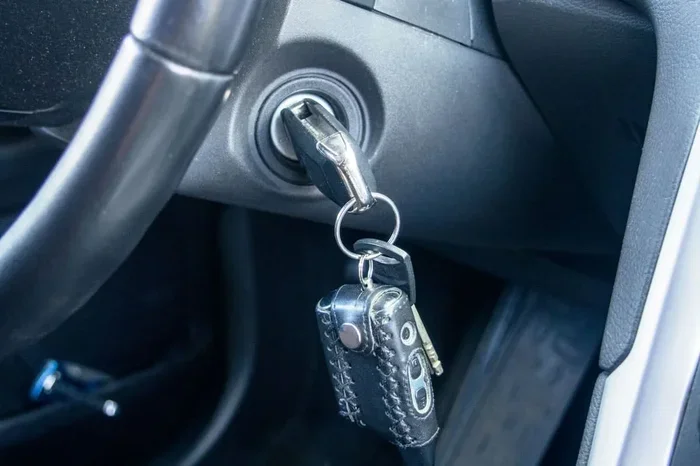
A key stuck in the ignition is usually caused by a steering wheel lock or a worn cylinder. You can often free it with simple wiggles, lubricant, or a gentle tap. Never force the key or use excessive pressure, as this can break it inside. If the ignition lock cylinder is damaged, a professional locksmith can extract the key safely. Taking a few preventive steps can keep your car key from jamming again.
You turn the key to turn off the engine, but it just sits there. You pull, you wiggle, and it still won’t budge. A key that won’t come out of the ignition can spike your stress level fast, especially when you’re in a hurry. The good news is that this problem is common and usually fixable with a few simple steps.
Whether your stuck ignition key is due to a steering wheel lock or a worn cylinder, you have options. This guide walks you through the causes, safe removal techniques, and when to call for help. You’ll also learn how to prevent the problem from happening again. Let’s get your key free and your mind at ease.
Key Takeaways
- Steering wheel lock is the most common cause: Jiggling the wheel while turning the key often releases it.
- Never force a stuck key: Forcing it can snap the key inside, making removal much harder.
- Penetrating lubricant can help: A few sprays into the ignition cylinder may free a stiff key.
- Worn or damaged keys cause jams: Replace a bent or worn key before it gets stuck.
- Call a locksmith if DIY fails: A pro can extract the key without damaging your ignition.
- Regular maintenance prevents issues: Keep the keyhole clean and use the correct key.
📑 Table of Contents
Why Does Your Key Get Stuck in the Ignition?
Understanding the cause helps you choose the right fix. Several things can trap a key in the ignition lock. Most are simple to address, but some point to a deeper issue.
The Steering Wheel Lock
This is the number one reason keys get stuck. When you turn off the engine and turn the steering wheel slightly, the lock mechanism engages. The wheel pushes against the key bar, locking it in place. You’ll feel resistance if you try to pull the key out.
To release it, gently wiggle the steering wheel left and right while pulling the key. You should feel the lock disengage. The key will then slide out easily. This trick works on most cars and requires no tools.
Worn or Damaged Ignition Cylinder
Over time, the ignition cylinder wears down. The internal pins and springs can weaken, causing the key to jam. A car key not turning in ignition often points to this problem. Dirt, dust, and tiny debris can also build up inside the lock.
If the cylinder is worn, the key may not fully return to the off position. It can feel loose or gritty. In severe cases, the key won’t move at all. A locksmith can inspect the cylinder and recommend a replacement if needed.
Bent or Damaged Key
A key that has been bent or chipped won’t align properly with the cylinder tumblers. You might notice the key feels rough or doesn’t slide in smoothly. A damaged key can also stick when you try to remove it.
Keys wear out naturally, especially if you’ve been using the same one for years. If your key looks worn, consider getting a spare cut. A fresh key often solves the problem instantly.
Step-by-Step: How to Remove a Stuck Key from the Ignition
Before you try anything, stay calm. Forcing the key can break it inside the lock. Follow these steps in order. Most people free their key within a few minutes.
Step 1: Wiggle the Steering Wheel
Place one hand on the steering wheel and gently rock it back and forth. With your other hand, pull the key toward you. Do not yank. Use steady, light pressure. The steering wheel lock should release with a slight click.
Step 2: Jiggle the Key Gently
While holding the wheel loose, jiggle the key up and down slightly. Don’t turn it. Just move it in and out a few millimeters. This can help the tumblers align. If the key feels stuck, try a very gentle twist back and forth.
Step 3: Spray a Small Amount of Lubricant
If the key still won’t move, use a penetrating lubricant like WD-40. Insert the straw nozzle into the keyhole and spray a short burst. Wait 30 seconds. Then try wiggling the key again. The lubricant can loosen grime and reduce friction.
Quick Tip: Never use oil-based lubricants like motor oil. They can attract dust and gum up the lock over time. A dry PTFE spray or graphite powder works best.
Step 4: Tap the Key Gently
Lightly tap the key with a small hammer or the handle of a screwdriver while pulling. The vibration can help dislodge debris or shift a stuck tumbler. Use a soft object like a rubber mallet to avoid damaging the key.
Step 5: Try a Different Key
If you have a spare key, try it. A spare key is often less worn and may slide out more easily. If the spare works, your original key is likely damaged and needs replacing.
Common Causes of a Stuck Ignition Key
Several factors can lead to a key stuck in ignition. Knowing them helps you spot the problem early. Here’s a quick comparison of the most common causes.
| Cause | Symptoms | Fix |
|---|---|---|
| Steering wheel lock | Key won’t pull out; wheel feels tight | Wiggle wheel while pulling key |
| Worn ignition cylinder | Key feels loose or gritty; won’t turn fully | Replace cylinder or key |
| Bent or damaged key | Key looks misshapen; rough insertion | Cut a new key |
| Debris in lock | Key feels gritty; won’t move smoothly | Spray lubricant and tap gently |
| Faulty ignition switch | Key turns but electrical systems don’t respond | Replace ignition switch |
Most of these issues are easy to fix. A steering wheel lock requires no tools. A worn cylinder or faulty switch needs a professional. If you’re unsure, it’s always safe to call a locksmith.
Can You Drive with a Stuck Key?
You might wonder if you can still drive when the key is stuck in the ignition. In most cases, the key is already in the off position, so you can turn it back to the accessory or on position and drive. However, you should not force the key while driving. A stuck ignition key that you can’t remove is a nuisance, but it usually doesn’t stop you from operating the vehicle.
That said, forcing the key can break it inside the cylinder. A broken key inside the lock can jam the ignition completely. You might then be stranded. If you notice the key is hard to remove, address it before it gets worse.
If you’re dealing with a key fob battery low situation, the physical key blade might still work. Some vehicles let you drive your car with a low key battery by using the mechanical key. But if the key won’t come out at all, the battery isn’t the issue. The problem lies in the ignition lock itself.
When to Call a Professional Locksmith
Not every stuck key needs a pro, but some situations call for expert help. You should call a locksmith if you can’t remove the key after trying the steps above. A locksmith has special tools to extract broken keys without damaging the ignition.
Signs You Need Expert Help
- The key is visibly broken inside the lock.
- The key won’t budge even after wiggling the steering wheel.
- You hear grinding or clicking when you turn the key.
- The ignition switch feels completely stuck or locked.
A locksmith can also check if your ignition lock cylinder needs replacement. They can cut a new key on the spot if your original is damaged. Many locksmiths offer mobile service, so they can come to you.
Cost Expectations
Key extraction usually costs between $50 and $150. Cylinder replacement can range from $150 to $400, depending on the vehicle. These are fair prices to avoid further damage. Trying to pull a broken key out yourself often leads to expensive repairs.
You might also wonder if a dealership will replace key batteries for free. While that’s a separate issue, it’s worth asking if your key fob battery is also weak. A dead fob battery can sometimes make the physical key feel stuck, even if the lock itself is fine.
Preventing Future Ignition Key Problems
Prevention is the best way to avoid a key stuck in ignition situation again. A few simple habits can keep your ignition lock working smoothly for years.
Keep the Keyhole Clean
Dust and debris can enter the ignition lock over time. Use a compressed air can to blow out any particles every few months. You can also spray a small amount of dry lubricant into the keyhole once a year. This keeps the internal pins moving freely.
Use the Correct Key
Always use the key that matches your vehicle. A duplicate key that isn’t cut precisely can wear the cylinder faster. If you need a spare, ask a locksmith to cut it from the original, not a worn copy.
Don’t Use Excessive Force
When turning the key, use gentle, steady pressure. Forcing it can bend the key or damage the tumblers. If the key feels stiff, don’t push harder. Spray a little lubricant and try again.
Turn the Wheel Fully Before Removing the Key
Many people turn the steering wheel slightly when parking. This engages the lock. Before removing the key, straighten the wheel fully. Then turn the key to the off position and pull it out smoothly. This simple habit prevents most steering-wheel-lock jams.
Replace Old Keys Promptly
If your key shows signs of wear, replace it early. A new key slides in and out effortlessly. It also reduces the risk of breaking inside the lock. Most locksmiths can cut a replacement key on the spot, even for older models.
Expert Insight: Why Ignition Locks Jam
According to automotive locksmiths, the most common reason for a stuck key is a combination of a worn key and a steering wheel lock. The wheel puts side pressure on the key bar, and a worn key can’t release from the tumblers. Keeping your key in good shape and always straightening the wheel before removal solves 90 percent of cases.
Another expert tip is to avoid hanging heavy keychains on your ignition key. The extra weight can put constant pressure on the lock cylinder. Use a separate keyring for your house keys and keep the car key lightweight.
Key Takeaways
- A steering wheel lock is the most common cause of a stuck key. Wiggle the wheel while pulling the key to release it.
- Never force the key. Forcing it can break it inside the ignition cylinder, which requires professional extraction.
- Penetrating lubricant and gentle tapping can free a sticky key without damage.
- A worn or bent key often causes jams. Replace it before it gets stuck.
- If the key breaks or won’t move, call a locksmith. They can extract the key and inspect the ignition.
- Simple habits like straightening the wheel and keeping the keyhole clean prevent most problems.
Conclusion
A key that won’t come out of the ignition is a frustrating but solvable problem. Start with the steering wheel wiggle and gentle key jiggling. Use lubricant if needed, and never force the key. If these steps don’t work, a locksmith can help safely. Taking a few preventive measures keeps your ignition lock in good shape and your key sliding out smoothly every time. Remember these tips the next time your key gets stuck, and you’ll be back on the road in no time.
Stay calm, follow the steps, and your car key unstuck story will be a quick one. Share this guide with a friend who might need it, and keep your ignition lock working like new.
Frequently Asked Questions
Why won’t my key come out of the ignition when the car is off?
The most common reason is the steering wheel lock engaging. When you turn the wheel slightly after turning off the engine, the lock pin pushes against the key bar. Gently wiggle the steering wheel left and right while pulling the key. The lock should release and the key will slide out.
Can a stuck key damage the ignition switch?
Yes, forcing a stuck key can damage the ignition switch or break the key inside. The internal tumblers and cylinder can wear out or crack if you apply too much pressure. Always use gentle wiggles and lubricant first. If the key won’t move, call a locksmith to avoid costly repairs.
What should I do if the key breaks off in the ignition?
Do not try to pull the broken piece out with tweezers or pliers. You risk pushing it deeper or damaging the cylinder. Instead, call a professional locksmith. They have special tools to extract broken keys safely and can replace the ignition cylinder if needed.
Is it safe to drive with a key stuck in the ignition?
In most cases, yes. If the key is in the off position, you can turn it back to the on or accessory position and drive. However, forcing the key while driving is dangerous. If the key is stuck and you can’t turn it back, you may lose power steering or braking assist. Pull over safely and call for help if needed.
Can a low key fob battery cause the key to get stuck?
A low key fob battery usually affects the push-button start or remote functions, not the physical key removal. However, if your vehicle uses a smart key, a dead fob battery might prevent the ignition from recognizing the key. In that case, you can still use the mechanical key blade to start the car. See if you can drive your car with a low key battery using the backup mechanical method.
How can I prevent my key from getting stuck again?
Straighten the steering wheel fully before removing the key. Keep the keyhole clean with compressed air and dry lubricant. Replace worn keys promptly and avoid hanging heavy keychains on the car key. These simple habits reduce wear on the ignition cylinder and keep the key sliding out smoothly.