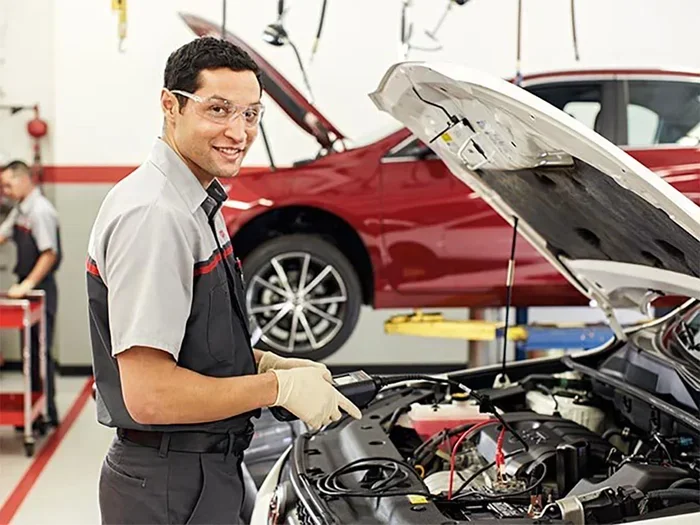
So What Do Dealerships Do When They Service Your Car
So what do dealerships do when they service your car? They run diagnostic checks, change your oil and filters, inspect brakes and tires, replace fluids, and make sure every system is working properly. Understanding this process helps you feel confident and avoid unnecessary upsells during your next visit.
This is a comprehensive guide about What Do Dealerships Do When They Service Your Car?.
Key Takeaways
- Full Diagnostic Scan: Dealerships connect your car to computers that read error codes and flag potential problems before they become big issues.
- Oil and Filter Changes: This is the most common service performed and keeps your engine running smoothly for years.
- Brake and Tire Inspection: Technicians check pad thickness, rotor condition, and tire wear to keep you safe on the road.
- Fluid Replacement: Transmission fluid, coolant, brake fluid, and power steering fluid get checked and replaced based on your maintenance schedule.
- Warranty-Friendly Service: Getting your car serviced at a dealership preserves your warranty and keeps your service records organized.
- Know Your Schedule: Following the recommended service intervals prevents costly repairs and extends the life of your vehicle.
[FEATURED_IMAGE_PLACEHOLDER]
So what do dealerships do when they service your car? It is a question many vehicle owners ask, especially if you have never been to a dealership for routine maintenance. Maybe you usually handle oil changes at a quick-lube shop or a local mechanic. But understanding what happens inside a dealership service center can give you peace of mind and save you money in the long run.
Dealership service centers follow a structured process designed to keep your vehicle in top shape. They use factory-trained technicians, genuine parts, and specialized diagnostic tools that independent shops may not have access to. Whether you are bringing your car in for its first service or a major maintenance milestone, knowing what to expect makes the whole experience less intimidating.
This guide breaks down every step of the dealership service process. You will learn about the inspections, the maintenance tasks, and the upsells you might encounter. By the end, you will feel empowered to make smart decisions about your car care.
The Dealership Service Process Explained
When you pull into a dealership service center, there is a clear process that every vehicle goes through. It is not random. Each step has a purpose, and understanding it helps you trust the work being done. Let us walk through the entire journey from check-in to checkout.
Step 1: Check-In and Service Advisor Consultation
Your first stop is the service desk. A service advisor will greet you and ask about any concerns you have with the vehicle. This is your chance to mention strange noises, warning lights, or anything that feels off. The advisor then creates a work order and assigns your car to a technician.
During this step, the advisor may also review your maintenance schedule. They look at your mileage and the time since your last service. If you are due for an oil change or a 1st service of car milestone, they will note it on the work order. This is also when they might suggest additional services based on your vehicle history.
Step 2: Multi-Point Vehicle Inspection
Once your car is in the service bay, a technician performs a multi-point inspection. This is a thorough check of all major systems. They look at the following:
- Engine and transmission for any unusual sounds or performance issues
- Brakes including pads, rotors, and brake lines
- Tires for tread depth, alignment, and wear patterns
- Suspension components like shocks and struts
- Lighting systems including headlights, brake lights, and turn signals
- Belts and hoses for cracks or wear
This inspection helps catch small problems before they turn into expensive repairs. For example, if a technician notices your car is low on oil, they will flag it immediately. Early detection is the key to avoiding breakdowns.
Step 3: Diagnostic Scanning
Modern vehicles are essentially computers on wheels. Dealerships use specialized diagnostic equipment that plugs into your car’s onboard computer. This scan reads error codes stored in the system. These codes can point to issues with the engine, transmission, ABS, airbags, and more.
If the scan reveals a problem, the technician will investigate further. Sometimes a code clears itself after a fix, but other times it requires deeper troubleshooting. This diagnostic step is one of the biggest advantages of going to a dealership. Their tools are specifically calibrated for your vehicle’s make and model.
Step 4: Performing the Service
After the inspection and diagnostics, the technician performs the actual service. This varies depending on what your vehicle needs. Common tasks include oil changes, filter replacements, tire rotations, and fluid top-offs. For scheduled maintenance, the dealership follows a detailed checklist from the manufacturer.
If any parts need replacing, the dealership uses genuine OEM (Original Equipment Manufacturer) parts. These parts are designed specifically for your vehicle. They fit perfectly and meet the same quality standards as the parts installed when your car was built.
Step 5: Quality Check and Test Drive
Once the service is complete, another technician or service manager performs a quality check. They verify that all work was done correctly. In many cases, a test drive is part of this process. The test drive confirms that the vehicle runs smoothly and that no new issues appeared during the service.
After the quality check passes, your car is ready for pickup. The service advisor will walk you through a detailed invoice. This invoice lists every task performed, every part replaced, and the labor costs. Do not be afraid to ask questions about anything you do not understand.
Common Services Performed at Dealerships
Dealerships offer a wide range of services. Some are routine and happen at every visit, while others are scheduled based on mileage or time. Here is a closer look at what you can expect.
Oil Changes and Filter Replacements
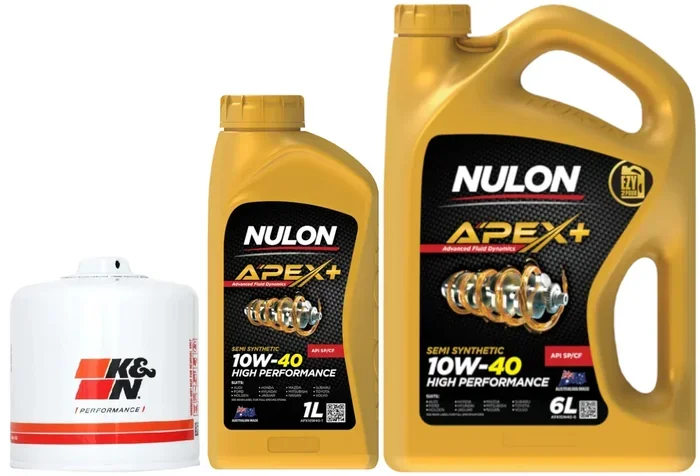
The most frequent service at any dealership is the oil change. Clean oil keeps your engine lubricated and cool. Over time, oil breaks down and loses its effectiveness. That is why manufacturers recommend changing it every 5,000 to 10,000 miles depending on your vehicle.
During an oil change, the technician also replaces the oil filter. The filter traps dirt and debris that can damage your engine. Skipping filter replacements can lead to clogged filters and reduced engine performance. It is a small cost that pays off big time.
Brake Inspections and Repairs
Your brakes are arguably the most important safety feature on your car. During a service visit, technicians measure brake pad thickness and check rotor condition. If the pads are worn down, they will recommend replacement. Brake fluid is also checked and flushed according to the maintenance schedule.
Ignoring brake issues is dangerous. Worn pads reduce stopping power, and damaged rotors can cause vibrations when you brake. Regular inspections at the dealership catch these problems early.
Tire Rotations and Alignment Checks
Tire rotations involve moving each tire to a different position on the vehicle. This promotes even wear and extends the life of your tires. Most dealerships recommend rotating tires every 5,000 to 7,500 miles, often coinciding with an oil change.
Alignment checks are also important. If your car pulls to one side or your steering wheel is off-center, the alignment may be off. Poor alignment causes uneven tire wear and reduces fuel efficiency. A quick alignment check during service can prevent these issues.
Fluid Flushes and Replacements
Your vehicle relies on several fluids to operate correctly. Dealerships check and replace these fluids at scheduled intervals:
- Coolant prevents the engine from overheating
- Transmission fluid keeps gears shifting smoothly
- Brake fluid ensures responsive braking
- Power steering fluid makes turning effortless
- Windshield washer fluid keeps your visibility clear
Each fluid has a different replacement schedule. Your service advisor will reference your owner’s manual and recommend the right services at the right time.
Air Filter and Cabin Filter Changes
The engine air filter prevents dust and debris from entering the combustion chamber. A clogged air filter reduces fuel efficiency and engine performance. The cabin filter keeps the air inside your car clean by trapping pollen, dust, and pollutants.
Both filters are inexpensive to replace but have a big impact. Most dealerships check them during every service visit and let you know when they need changing.
What Happens During a Major Service Visit
Major services happen at specific mileage milestones, such as 30,000, 60,000, or 100,000 miles. These visits are more extensive than routine oil changes. They involve a deeper level of inspection and more component replacements.
Transmission Service
At higher mileage intervals, the dealership may recommend a transmission fluid change or flush. Transmission fluid degrades over time, and old fluid can cause rough shifting or transmission failure. Replacing it on schedule is one of the best things you can do for your vehicle’s longevity.
Some vehicles also require transmission filter replacement during major services. The technician will inspect the transmission pan for metal shavings, which can indicate internal wear.
Spark Plug Replacement
Spark plugs ignite the fuel-air mixture in your engine’s cylinders. Over time, they wear out and cause misfires, reduced power, and poor fuel economy. During a major service, the dealership will inspect the spark plugs and replace them if needed.
Timing Belt or Chain Inspection
Some engines use a timing belt while others use a timing chain. The dealership checks the condition of these components during major services. A broken timing belt can cause catastrophic engine damage. Replacing it before it fails is far cheaper than repairing the damage.
Why Dealership Service Matters for Your Warranty
One of the biggest reasons to service your car at a dealership is warranty protection. When you buy a new vehicle, it comes with a manufacturer’s warranty. This warranty covers repairs for certain parts and systems for a set period or mileage.
To keep your warranty valid, you must follow the manufacturer’s maintenance schedule. Dealerships document every service they perform. This creates a clear service history that proves you have maintained the vehicle properly. If you ever need to file a warranty claim, this documentation is essential.
Some people wonder about taking their car to an independent shop instead. While independent mechanics can do many repairs, dealership service ensures that every task is recorded in the manufacturer’s system. This is especially important if you are still within the warranty period.
It is also worth noting that you can take your Toyota to any dealership for service across the country. If you are traveling or relocating, you do not need to go back to your original dealer. Any authorized dealership can service your vehicle and maintain your warranty.
What to Expect When You Pick Up Your Car
When you return to pick up your vehicle, the service advisor will present you with a detailed invoice. This document lists every service performed, every part used, and the associated costs. Here is what you should look for:
- Service checklist confirming each task was completed
- Part numbers for any components replaced
- Labor charges broken down by task
- Mileage recorded for your next service interval
- Any additional recommendations for future service
Take a moment to review this document carefully. If something looks confusing or unexpected, ask the service advisor to explain it. You are entitled to a clear explanation of every charge on your bill.
Before you drive off, make sure the technician returned all your personal items and that the service advisor confirmed your next appointment. Many dealerships also send you a reminder when your next service is due.
Common Upsells and How to Handle Them
Let us be honest. Dealership service centers are businesses, and they need to generate revenue. During your visit, you may encounter recommendations for services that feel optional. Here are some common upsells and how to evaluate them:
- Fuel system cleaning: This service removes carbon buildup from the engine. It can be beneficial for high-mileage vehicles but may not be necessary for newer cars with low mileage.
- Engine flush: Some dealerships recommend flushing the engine oil system before an oil change. This is usually unnecessary if you change your oil on schedule.
- Transmission additive: Dealerships sometimes sell additives that claim to improve transmission performance. Most modern transmissions do not need these products.
- Undercoating or rust proofing: If your vehicle did not come with factory undercoating, this aftermarket treatment may not be worth the cost.
The best approach is to ask questions. Ask the service advisor why the service is recommended and what problem it addresses. If they cannot give you a clear, specific answer, it may be an upsell you can skip.
That said, some upsells are legitimate. If the technician finds a real issue during inspection, addressing it promptly prevents bigger problems down the road. Trust your instincts and use the advice of trusted professionals.
How Often Should You Service Your Car at a Dealership?
The answer depends on your vehicle, your driving habits, and the manufacturer’s recommendations. Most new cars require service every 5,000 to 10,000 miles. The owner’s manual provides a detailed maintenance schedule that outlines every service interval.
Here are some general guidelines:
- Every 5,000 miles: Oil change and tire rotation
- Every 15,000 miles: Air filter and cabin filter replacement
- Every 30,000 miles: Major service including fluid checks and spark plug inspection
- Every 60,000 miles: Brake fluid flush, transmission service, and timing belt inspection
- Every 100,000 miles: Comprehensive major service with extensive component inspection
Keep in mind that severe driving conditions may require more frequent service. Stop-and-go traffic, extreme temperatures, towing, and dusty roads all put extra stress on your vehicle. If you drive in these conditions, consider shortening your service intervals.
Tips for a Smooth Dealership Service Experience
Getting your car serviced at a dealership does not have to be stressful. A little preparation goes a long way. Here are some tips to make the process smoother:
- Book your appointment in advance to avoid long wait times
- Bring your owner’s manual so the service advisor can reference the maintenance schedule
- Write down your concerns before you arrive so you do not forget to mention them
- Ask for a loaner car or shuttle service if your vehicle will be in the shop for several hours
- Request a copy of the diagnostic report so you can review the findings yourself
- Keep all service records in a folder or digital file for future reference
These small steps give you more control over the service experience. They also help you build a good relationship with your service advisor, which can lead to better personalized service over time.
The Role of Diagnostic Technology in Modern Dealership Service
Today’s vehicles are more complex than ever before. A modern car can have dozens of computers, sensors, and electronic systems all working together. Dealerships invest heavily in diagnostic technology to keep up with these advancements.
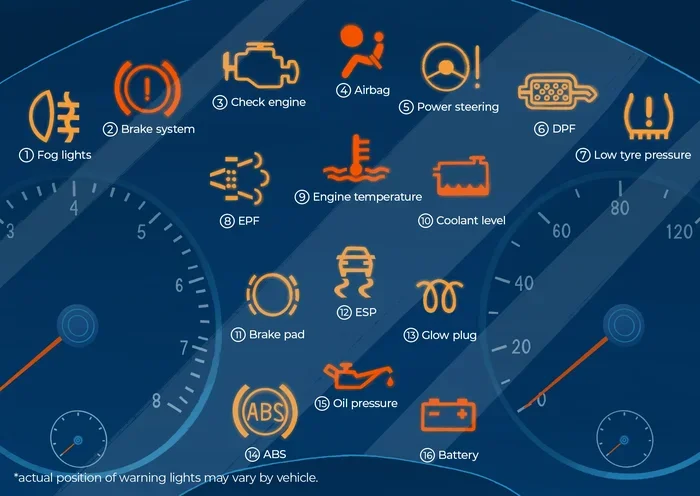
When a warning light appears on your dashboard, it is your car’s way of telling you something needs attention. Dealership technicians use scan tools that communicate directly with your vehicle’s computer system. These tools read the specific error codes and provide detailed information about the problem.
For example, if your check engine light comes on, the diagnostic tool might reveal a fault in the oxygen sensor. Without this technology, a technician would have to guess and test multiple components. With it, they can pinpoint the issue quickly and accurately.
This level of precision means faster repairs, fewer misdiagnoses, and ultimately lower costs for you. It is one of the strongest arguments for choosing dealership service over less equipped alternatives.
Dealership Service vs. Independent Repair Shops
Many car owners wonder whether they should go to a dealership or an independent shop. Both have their advantages. Here is a quick comparison:
| Factor | Dealership | Independent Shop |
|---|---|---|
| Factory-trained technicians | Yes | Varies |
| Genuine OEM parts | Yes | Aftermarket parts common |
| Warranty coverage | Preserved | May void warranty |
| Specialized diagnostic tools | Yes | Limited |
| Service records in manufacturer system | Yes | No |
| Cost | Higher | Generally lower |
| Convenience | Brand-specific | Works on all brands |
If your vehicle is still under warranty, dealership service is usually the safer choice. Once the warranty expires, an independent shop can be a cost-effective alternative for routine maintenance and repairs.
Final Thoughts on Dealership Service
Understanding what dealerships do when they service your car removes the mystery from the process. From the initial inspection to the final quality check, every step is designed to keep your vehicle running safely and efficiently. Regular dealership service preserves your warranty, extends your car’s lifespan, and gives you confidence on the road.
The next time you schedule a service appointment, you will know exactly what to expect. You will understand the value of each task on the invoice and feel empowered to make informed decisions about your car care. Trust the process, ask questions, and stay on top of your maintenance schedule.
Your car works hard for you every day. Returning the favor with regular, professional service is one of the best investments you can make. Whether it is a simple oil change or a major service milestone, the dealership service center has the expertise and tools to get the job done right.
Frequently Asked Questions
What does a dealership do during a basic car service?
During a basic service, the dealership performs an oil change, replaces the oil filter, checks all fluid levels, inspects brakes and tires, and runs a diagnostic scan. They also record your mileage and note any upcoming service needs for your next visit.
Is it worth servicing your car at a dealership?
Yes, especially if your vehicle is still under warranty. Dealerships use genuine parts, factory-trained technicians, and manufacturer-approved procedures. They also keep your service records in the manufacturer’s system, which is essential for warranty claims.
How long does a dealership car service take?
A basic oil change service typically takes 30 to 60 minutes. Major services or repairs can take several hours or even a full day. It is a good idea to call ahead and ask for a time estimate before you drop off your vehicle.
Do dealerships charge more than independent mechanics?
Dealership labor rates are generally higher than independent shops. However, the cost is often offset by the use of genuine parts, specialized equipment, and warranty protection. For vehicles under warranty, dealership service is usually the better value.
Can you negotiate the price of a dealership service?
Many dealerships are willing to negotiate service costs, especially for routine maintenance. It never hurts to ask for a discount or check for service specials. Some dealerships also offer loyalty programs that reduce the cost of repeated visits.
What should you do after picking up your car from the dealership?
Review the service invoice carefully and make sure you understand every charge. Take note of the next service interval and schedule your follow-up appointment. Keep the invoice and any receipts in a safe place for your records.