What Determines the Price of an Oil Change for Your Car
The price of an oil change depends on several key factors, including the type of oil your car needs, whether you visit a dealership or independent shop, and your vehicle’s make and model. Understanding these variables helps you make informed decisions and avoid overpaying. On average, a standard oil change costs between $35 and $75, while a synthetic oil change can range from $65 to $125 or more.
Every car owner faces the same question eventually: how much does an oil change really cost? You might walk into one shop and see a price of $40, then visit another and get a quote of $90. What gives? The truth is, what determines the price of an oil change is a mix of factors that go way beyond just pouring oil into your engine. From the type of oil your car needs to where you take it, every detail plays a role in the final bill.
Understanding these factors empowers you as a consumer. You stop guessing and start making smart choices. This guide breaks down every element that influences oil change cost, so you know exactly what you’re paying for and why. Whether you drive a daily commuter or a luxury SUV, this information helps you get the best value without cutting corners on your vehicle maintenance cost.
Key Takeaways
- Oil type matters most: Synthetic oil costs significantly more than conventional oil, directly impacting the final price.
- Where you go matters: Dealerships typically charge more than independent mechanics or quick lube services.
- Vehicle type affects cost: Luxury, European, and larger vehicles require more oil and specialized filters.
- Labor costs vary by region: Geographic location plays a big role in what you pay for an oil change.
- DIY oil changes save money: Doing it yourself can cut costs by 50% or more if you have basic tools.
- Coupons and promotions help: Many shops offer discounts that can significantly reduce your oil change cost.
- Regular changes save you long-term: Skipping oil changes leads to expensive engine repairs down the road.
📑 Table of Contents
- The Type of Oil You Choose
- Where You Get Your Oil Changed
- Your Vehicle’s Make and Model
- Labor Costs and Geographic Location
- Additional Services and Upsells
- How Often Should You Change Your Oil?
- Ways to Save Money on Oil Changes
- Common Mistakes That Increase Oil Change Costs
- Expert Insights on Oil Change Pricing
- Key Takeaways
- Conclusion
The Type of Oil You Choose
Oil is the single biggest factor that determines the price of an oil change for your car. Not all oils are created equal, and the differences in price can be dramatic. Let’s look at the main options available.
Conventional Oil
Conventional oil is the most basic and affordable option. It’s refined from crude oil and works well for older vehicles or cars with lower mileage. A conventional oil change typically costs between $35 and $55. This is the go-to choice for budget-conscious drivers who have older models that don’t need fancy formulations.
If your car is a simple daily driver with under 75,000 miles, conventional oil might be all you need. It lubricates the engine effectively and keeps things running smoothly. Just make sure to follow your car maintenance schedule and change it every 3,000 to 5,000 miles for best results.
Synthetic Blend Oil
Synthetic blend oil mixes conventional and full synthetic oils. It offers better protection than conventional oil at a lower price than full synthetic. You can expect to pay between $50 and $80 for a synthetic blend oil change. This option works well for drivers who want a step up in protection without breaking the bank.
Many modern vehicles come recommended for synthetic blend oil from the factory. It handles temperature extremes better than conventional oil and lasts longer between changes. If you live in an area with hot summers or cold winters, this is a solid middle-ground choice.
Full Synthetic Oil
Full synthetic oil provides the best engine protection available. It’s engineered in a lab to have consistent molecular structures, which means it performs better under extreme conditions. A full synthetic oil change typically runs between $65 and $125, sometimes even more for high-end vehicles.
Do I really need to change synthetic oil every 6 months? Not always. Many modern synthetic oils can last 7,500 to 10,000 miles between changes. But the upfront cost is higher. The good news is that longer intervals mean fewer oil changes over the life of your car, which can balance out the price difference.
High-Mileage Oil
If your car has over 75,000 miles, high-mileage oil might be worth considering. It contains special additives that help seal leaks and reduce wear in older engines. The price falls between conventional and full synthetic, usually around $50 to $80. This is a smart choice for keeping an older vehicle running strong without spending a fortune.
Where You Get Your Oil Changed
Location matters more than most people realize. The place you choose for your oil change service has a huge impact on the final price. Let’s compare the main options.
Dealerships
Dealerships are often the most expensive option for an oil change. You might pay $80 to $150 or more, depending on your vehicle. But there are reasons for the higher cost. Dealerships use factory-approved parts and employ technicians trained specifically for your car’s make and model.
If you have a newer car still under warranty, getting your oil changed at the dealership can be worthwhile. It keeps your service records official and protects your warranty coverage. Some people also wonder, can I get my Lexus oil change at Toyota? The answer is generally no, since Lexus and Toyota are separate brands with different service departments.
Independent Mechanics
Independent mechanics offer a great balance of quality and affordability. You can expect to pay $40 to $70 for a standard oil change. These shops often have experienced technicians who work on many different car brands, and they typically charge less for labor than dealerships.
Building a relationship with a trusted independent mechanic pays off over time. They get to know your car and can spot potential problems early. Many also offer oil change coupon deals for returning customers, which can save you even more money.
Quick Lube Shops
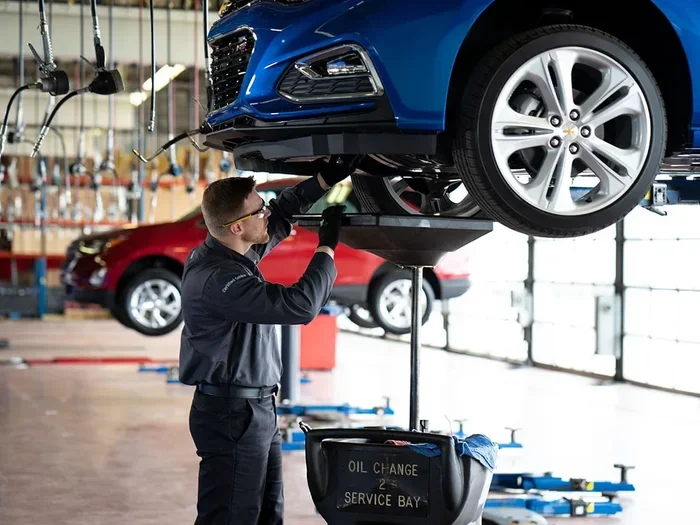
Quick lube shops like Jiffy Lube or Valvoline focus on speed and convenience. Prices usually range from $35 to $65. They’re great for a fast, no-fuss oil change when you’re short on time. But be aware that some quick lube shops upsell additional services you might not need.
The key is to know what your car actually needs and stick to that. If the attendant starts recommending a $150 engine flush or transmission treatment, you can politely decline. A basic oil change doesn’t require all those extras.
DIY Oil Changes
Doing it yourself is the cheapest option by far. A do-it-yourself oil change costs you just the price of oil and a filter, typically $20 to $40 total. You need a basic socket set, an oil filter wrench, and a drain pan. Can a beginner change a timing belt? That’s a different story, but an oil change is one of the easiest maintenance tasks you can do at home.
Many car owners are surprised at how simple it really is. You drain the old oil, swap the filter, refill with fresh oil, and dispose of the used oil properly at a recycling center. The savings add up significantly over time, especially if you change your oil frequently.
Your Vehicle’s Make and Model
The car you drive has a big say in how much your oil change costs. Different vehicles require different amounts of oil, different filters, and sometimes special tools or expertise.
Standard Sedans and Compact Cars
Most standard sedans and compact cars use 4 to 5 quarts of oil. These are the most affordable vehicles to maintain when it comes to oil changes. A Toyota Corolla or Honda Civic will generally cost $35 to $60 for a basic oil change. The parts are widely available and any mechanic can handle them with ease.
If you’re wondering whether you can change your Corolla S oil yourself, the answer is absolutely yes. These cars are designed with DIY-friendliness in mind. The oil filter is easy to access and the drain plug is straightforward to remove.
SUVs and Trucks
Larger vehicles like SUVs and trucks need more oil, which means a higher price tag. A Toyota RAV4 might require 5 to 6 quarts, pushing the cost to $50 to $80. Trucks with larger engines can need 7 to 8 quarts, pushing the price even higher. The average weight of your vehicle directly affects how much oil and filter you need.
Also, many SUVs and trucks now use synthetic oil from the factory, which adds to the cost. Always check your owner’s manual to see what the manufacturer recommends for your specific model.
Luxury and European Vehicles
Luxury cars and European brands like BMW, Mercedes-Benz, and Audi often require specialty oils and filters. These vehicles can cost $100 to $200 or more for a single oil change. The oils they use are formulated for high-performance engines and meet strict manufacturer specifications.
The oil viscosity matters a lot here too. Using the wrong grade of oil can void warranties or cause engine damage. Always stick to what the manufacturer recommends, even if it costs more upfront. The protection is worth the investment.
Labor Costs and Geographic Location
Labor is another significant factor that determines the price of an oil change. But labor costs aren’t the same everywhere. They vary based on where you live and the shop you visit.
In major metropolitan areas, labor rates tend to be higher. A mechanic in New York City or San Francisco will charge more per hour than one in a rural town. This is simply the cost of doing business in those areas. On average, labor for an oil change runs $20 to $45, but it can go higher in expensive cities.
Some shops charge a flat rate for oil changes, which makes pricing more transparent. Others bill by the hour, which means the final cost depends on how long the job takes. For a standard oil change, the labor should be quick, usually 15 to 30 minutes. If it takes longer, something else might be going on.
Additional Services and Upsells
One reason oil change prices vary so much is the extra services shops offer. These can add $20 to $100 or more to your bill. Here are the most common upsells you might encounter.
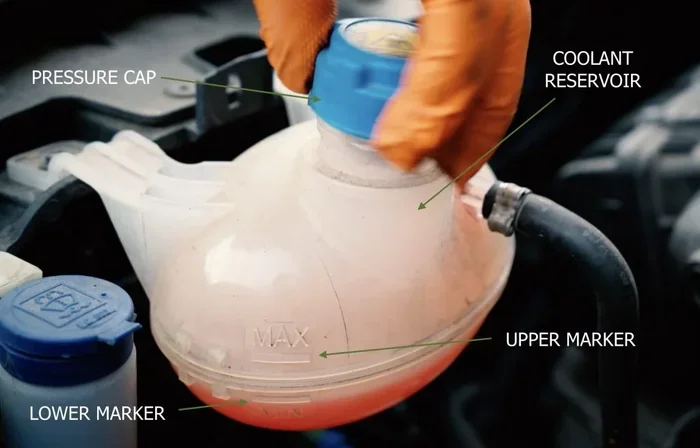
Fluid top-offs: Many shops check and top off your coolant, brake fluid, and power steering fluid. This is usually a free service, but some charge for it.
Tire rotation: Rotating your tires costs an additional $20 to $30 at most shops. It’s a good maintenance practice, but you don’t need it every oil change.
Air filter replacement: A dirty air filter reduces engine performance. Replacing it during an oil change is convenient but not always necessary every time.
Transmission fluid check: Do mechanics check transmission fluid during an oil change? Sometimes yes, sometimes no. It depends on the shop and your vehicle. It’s worth asking upfront so you know what you’re paying for.
Multi-point inspection: Many shops perform a visual inspection of your belts, hoses, brakes, and suspension. This is valuable but shouldn’t cost more than $10 to $20 as part of the service.
The key takeaway is to know what you need and communicate that clearly. If you don’t want extra services, say so. A reputable shop will respect your wishes.
How Often Should You Change Your Oil?
The frequency of your oil changes also affects your long-term costs. Changing oil too often wastes money. Changing it too infrequently risks engine damage.
Older vehicles with conventional oil typically need changes every 3,000 to 5,000 miles. Modern cars with synthetic oil can go 7,500 to 10,000 miles between changes. Many newer vehicles have an oil life monitor that tracks driving conditions and tells you exactly when it’s time for a change.
Your driving habits matter too. If you frequently drive in stop-and-go traffic, tow heavy loads, or drive in extreme temperatures, you should change your oil more often. These conditions cause oil to break down faster, reducing its effectiveness.
The best approach is to consult your owner’s manual and follow the manufacturer’s recommendations. They design the maintenance schedule specifically for your engine. Sticking to it keeps your warranty valid and your engine running strong.
Ways to Save Money on Oil Changes
Saving money on oil changes doesn’t mean sacrificing quality. Here are proven strategies that actually work.
- Look for coupons: Most shops, including dealerships, offer weekly or monthly coupons. Check their websites or apps before booking.
- Buy in bulk: Some shops discount oil changes when you buy a package of three or five. This is a great option if you stick to a regular maintenance schedule.
- Do it yourself: If you’re comfortable working on your car, a DIY oil change saves the most money. You control the quality of every product you use.
- Stick to the recommended interval: Don’t let shops pressure you into changing oil more often than necessary. Follow your manual’s guidelines.
- Compare prices online: Use apps and websites to compare oil change prices at shops near you. You might find the same service for $15 less just a few miles away.
- Ask about loyalty programs: Many independent shops offer discounts for repeat customers. Signing up is usually free and pays for itself quickly.
Common Mistakes That Increase Oil Change Costs
Avoiding these mistakes keeps your oil change costs down and your car running better.
- Skipping oil changes entirely: This is the most expensive mistake you can make. Old oil loses its lubricating properties, leading to engine wear and potentially catastrophic failure.
- Using the wrong oil type: Putting conventional oil in a car that requires synthetic can cause poor performance and void your warranty.
- Ignoring the oil filter: A clogged oil filter restricts oil flow and reduces engine protection. Always replace the filter with every oil change.
- Not checking for leaks afterward: After an oil change, always check under your car for drips. A small leak left unchecked can become a big problem.
- Choosing the cheapest option without research: The lowest price isn’t always the best deal. Very cheap oil changes sometimes use low-quality oil or skip important steps.
Expert Insights on Oil Change Pricing
Industry experts agree that transparency is the most important factor when choosing where to get your oil changed. Shops that clearly list their prices and the services included build more trust with customers. According to automotive maintenance professionals, the average driver should budget $50 to $80 per oil change for a standard sedan using conventional or synthetic blend oil.
Experts also emphasize that the cheapest option isn’t always the best value. A shop that uses quality oil, proper filters, and follows manufacturer procedures provides better long-term protection for your engine. Think of it as an investment, not just an expense. Regular oil changes are one of the cheapest ways to protect your car’s engine and extend its lifespan.
One thing many experts recommend is keeping a maintenance log. Track every oil change, including the date, mileage, oil type used, and the shop you visited. This record helps you stay on top of your maintenance schedule and provides proof of care if you ever sell the vehicle.
Key Takeaways
- Oil type is the biggest cost factor: Conventional oil is cheapest, full synthetic is most expensive, and each offers different levels of protection.
- Location and shop type affect pricing: Dealerships charge the most, while independent mechanics and DIY options offer significant savings.
- Your vehicle matters: Larger, luxury, and European vehicles cost more to service due to specialized parts and higher oil capacity.
- Geographic location influences labor costs: Urban areas generally have higher service prices than rural locations.
- Upsells add up quickly: Know what your car needs and politely decline services you don’t require.
- Regular maintenance saves money long-term: Staying current with oil changes prevents costly engine repairs down the road.
- Smart shopping pays off: Coupons, loyalty programs, and price comparisons can reduce your oil change costs by 20% or more.
Conclusion
What determines the price of an oil change comes down to a combination of oil type, vehicle model, service location, and any additional services you choose. There’s no single answer because every car and every driver has different needs. But now that you understand the factors involved, you can make confident decisions about where to go and what to pay.
The most important thing to remember is that oil changes are non-negotiable. Skipping them or stretching the intervals too far risks serious engine damage that costs thousands to repair. A routine oil change is one of the cheapest forms of car insurance you can buy. Protect your investment, keep your engine healthy, and enjoy a smoother ride for years to come.
Next time you’re due for an oil change, you’ll know exactly what to look for and what questions to ask. You’ll avoid overpaying and make sure your car gets exactly what it needs. That’s the power of knowledge when it comes to oil change cost and vehicle maintenance cost. Stay informed, stay proactive, and your car will thank you.
Frequently Asked Questions
How much does a basic oil change cost?
A basic oil change with conventional oil typically costs between $35 and $55. If you opt for synthetic oil, expect to pay $65 to $125. The final price depends on your vehicle type, the shop you visit, and your geographic location.
Can you negotiate the price of an oil change?
Yes, you can negotiate the price of an oil change at many independent shops and quick lube locations. Dealerships are less flexible, but they often have coupons and promotions available. Always ask if there’s a discount or special offer before paying full price.
How often should you change your oil?
Most manufacturers recommend changing oil every 5,000 to 7,500 miles for synthetic oil and every 3,000 to 5,000 miles for conventional oil. Check your owner’s manual for the specific interval recommended for your vehicle. Driving habits and conditions can also affect how often you need a change.
Is it cheaper to change your own oil?
Yes, changing your own oil is significantly cheaper. A DIY oil change costs around $20 to $40 for oil and a filter, compared to $40 to $100 or more at a shop. You’ll need basic tools and a way to properly dispose of the used oil at a recycling center.
Does the oil filter need to be changed every time?
Absolutely. The oil filter traps contaminants and debris, and it becomes less effective over time. A clogged filter restricts oil flow and can cause engine damage. Always replace the oil filter with every oil change, regardless of the type of oil you use.
What happens if you skip an oil change?
Skipping oil changes causes the oil to break down and lose its lubricating properties. Old oil leads to increased friction, overheating, and accelerated engine wear. Over time, this can result in costly engine repairs or even complete engine failure, which can cost thousands of dollars to fix.