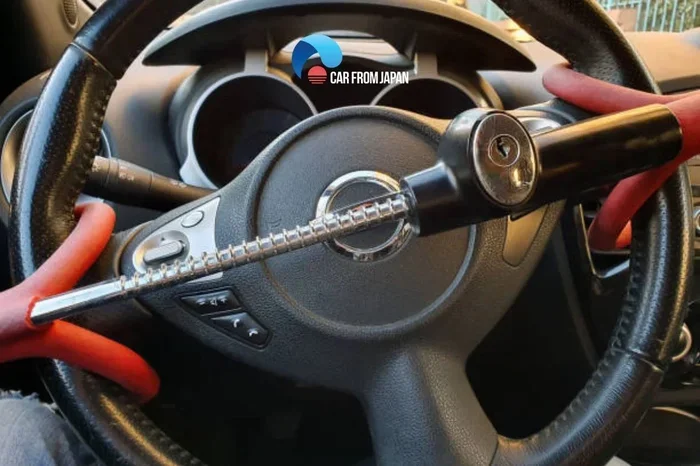
Why Did My Steering Wheel Lock And How To Fix It Now
A locked steering wheel is a common car problem that catches almost every driver off guard. The main reason is a safety feature called the steering lock mechanism, but other issues like ignition problems or a stuck key can also cause it. This guide walks you through exactly why your steering wheel locks up and gives you simple, step-by-step fixes you can do right now. You will learn how to unlock the wheel, prevent future lockups, and spot signs of a deeper problem.
You walk out to your car, slide the key into the ignition, and turn it. Nothing happens. Then you notice the steering wheel is completely locked in place. It is a frustrating moment that almost every driver has experienced at least once. The good news is that a locked steering wheel is usually easy to fix and rarely signals a serious problem.
In this article, we will explore the reasons why your steering wheel locks up in the first place. We will also walk you through simple fixes you can try at home. You will learn about the steering lock mechanism, common ignition problems, and how to prevent this issue from happening again. Whether you are dealing with a stuck key, a jammed wheel, or just want to understand your car better, this guide has you covered.
Key Takeaways
- The steering lock is a built-in anti-theft feature that engages when you turn off the car and move the wheel.
- Most lockups are easy to fix by gently wiggling the wheel while turning the key.
- A worn ignition cylinder or damaged key can cause repeated locking problems.
- Cold weather and old power steering fluid can make steering feel stuck even when the lock is not engaged.
- Regular maintenance keeps your steering column and ignition system working smoothly.
- Knowing the right fix saves money and prevents unnecessary trips to the mechanic.
- Never force the wheel or key when it is stuck, as this can cause costly damage.
📑 Table of Contents
Understanding Why Your Steering Wheel Locks
The steering lock is one of the most important car security features ever invented. It is designed to prevent thieves from driving away with your vehicle. When you turn off the engine and turn the steering wheel slightly, a pin drops into the steering column. This pin locks the wheel in place. It is a simple mechanical system, but it works very well.
How the Steering Lock Mechanism Works
Inside the steering column, there is a small locking pin that slides into place when the ignition is off. When you try to turn the key, the pin must align with a groove on the ignition cylinder. If the wheel is turned even a little bit after shutdown, the pin gets trapped. This is what causes the steering wheel jam that so many drivers encounter.
The system is entirely mechanical. There are no electronics involved in most older vehicles. This means it is reliable and hard to bypass. However, it also means that if something goes wrong inside the steering column, fixing it can be tricky. Understanding how this system works helps you troubleshoot problems faster and avoid panic when the wheel locks up.
Why the Steering Lock Engages
Several everyday actions can trigger the steering lock. Turning the wheel after shutting off the engine is the most common cause. Even a slight turn of the wheel is enough to engage the pin. Other triggers include:
- Turning the wheel while removing the key from the ignition.
- Bumping the steering wheel after parking the car.
- Driving over a pothole or curb that shifts the front wheels slightly.
- Leaving the front wheels turned to one side when parking on a hill.
None of these actions mean anything is broken. The steering lock is doing exactly what it was designed to do. The challenge is knowing how to release it when you need to drive.
Common Reasons Your Steering Wheel Locks Up
While the steering lock mechanism is the most frequent cause, other issues can also make your steering wheel stuck or hard to turn. Let us look at the most common reasons drivers experience this problem.
1. Anti-Theft Steering Lock Activation
This is the number one reason a steering wheel locks. The anti-theft system engages automatically when the ignition is off and the wheel is turned. It is a passive security feature found in nearly every modern car. When this happens, you will notice that the key will not turn in the ignition and the wheel will not move. This is normal and expected behavior.
2. Ignition Cylinder Problems
The ignition cylinder is the part where you insert the key. Over time, this component can wear out. Dirt, dust, and tiny debris can build up inside the cylinder. When this happens, the key may not turn fully, which can make it feel like the steering wheel is locked even when it is not. A worn ignition cylinder is one of the most common car ignition problems that mechanics see.
3. A Damaged or Worn Key
Your car key has precise cuts that match the ignition cylinder. If the key is bent, worn, or damaged, it may not align properly inside the cylinder. This can prevent the lock from releasing. Keys that have been copied multiple times are especially prone to this issue. If your key looks worn or the teeth feel smooth, it may be time for a replacement.
4. Power Steering Fluid Issues
In some cases, a power steering failure can feel very similar to a locked steering wheel. If the power steering fluid is low or old, the wheel may become extremely stiff to turn. This is not a true lock but can be just as alarming. Cold weather can make this problem worse because the fluid thickens in low temperatures.
5. Steering Column Damage
Rarely, damage to the steering column itself can cause a lockup. This can happen after a collision or if the column has been worked on previously. A damaged steering column may have bent rods or broken gears that prevent the wheel from moving freely. This type of issue usually requires professional steering lock repair.
6. Electrical or Sensor Faults
Modern cars have electronic steering lock systems in addition to the mechanical one. A faulty sensor or a dead battery in the key fob can sometimes trigger an electronic lock. This is more common in vehicles with push-button start systems. If the car displays a warning light on the dashboard, the issue may be electrical rather than mechanical.
How To Unlock a Locked Steering Wheel
The good news is that unlocking a locked steering wheel is usually simple. Most drivers can fix the problem in under a minute. Here is exactly what to do.
Step-by-Step Fix for a Locked Steering Wheel
Follow these steps carefully. Do not force anything, as that can make the problem worse.
- Do not panic. The lock is a safety feature, not a breakdown.
- Grip the steering wheel with both hands.
- Wiggle the wheel left and right gently while applying light pressure.
- Insert the key into the ignition.
- Turn the key to the “On” position while continuing to wiggle the wheel.
- The wheel should release as the lock pin aligns with the groove in the ignition cylinder.
- Start the engine and check that the steering wheel moves freely.
This method works for the vast majority of lockup situations. The key is to wiggle the wheel and turn the key at the same time. One hand holds the wheel, the other turns the key. It may take a few tries, but the lock will release.
What To Do If the Key Will Not Turn
If the key is stuck and will not turn, try these additional steps. First, check that you are using the correct key. Some cars have a separate key fob and a physical key, and mixing them up can cause confusion. Second, try gently wiggling the key while turning it. Do not apply too much force. Third, check the ignition cylinder for visible debris. A small amount of graphite lubricant sprayed into the keyhole can help if the cylinder is dirty.
If none of these steps work, the problem may be a worn ignition cylinder or a damaged key. In that case, it is best to call a professional locksmith or mechanic. Forcing the key can break it inside the cylinder, which creates a much bigger problem.
Quick Tips for Unlocking the Steering Wheel
- Always use the original key that came with the car.
- Apply gentle, steady pressure. Never use brute force.
- If the car has a push-button start, try the key fob directly against the start button.
- Warm up the key by holding it in your hand for a minute if the weather is cold.
- Keep graphite lubricant in your glove box for emergencies.
When a Locked Steering Wheel Signals a Bigger Problem
Most of the time, a locked steering wheel is nothing to worry about. But sometimes, it is a warning sign of a deeper issue. Knowing when to investigate further can save you from expensive repairs down the road.
Signs That Point to a Serious Issue
Pay attention to these warning signs. If you notice any of them, your car may need professional attention:
- The steering wheel locks up repeatedly, even when you follow the correct unlocking steps.
- The key turns but the engine does not start.
- You hear grinding or clicking sounds when turning the key.
- The steering wheel feels stiff even after unlocking it.
- The dashboard displays a steering or ignition warning light.
- The car vibrates when you try to turn the steering wheel.
- The key breaks off inside the ignition cylinder.
These symptoms can point to problems with the ignition cylinder, the steering column, or the electrical system. A qualified mechanic can diagnose the root cause and recommend the right fix. Ignoring these signs can lead to a situation where the car will not start at all.
Steering Lock Repair vs. Replacement
If the locking mechanism itself is damaged, you have two options. Repair involves fixing or replacing the specific component that is broken. Replacement means swapping out the entire steering lock assembly. The right choice depends on the extent of the damage and the age of your vehicle. A newer car with a minor issue may only need a repair. An older car with a corroded column might benefit from a full replacement.
Cost is another factor. A simple repair might cost between $100 and $300. A full replacement can range from $300 to $800 depending on the vehicle make and model. Always get a quote from a trusted mechanic before committing to any work.
Preventing Steering Wheel Lock Issues
The best way to deal with a locked steering wheel is to prevent the problem from happening in the first place. A few simple habits can keep your steering system working smoothly for years.
Simple Habits That Help
- Always straighten the front wheels before turning off the engine.
- Do not turn the steering wheel after shutting off the car.
- Use the correct key for your vehicle and avoid copy keys when possible.
- Have the ignition cylinder inspected during regular maintenance visits.
- Keep the steering column clean and free of debris.
- Check the power steering fluid level every few months.
- Replace worn keys before they cause problems.
Maintenance Schedule for Your Steering System
Regular maintenance goes a long way in preventing lockup issues. Here is a simple schedule to follow:
- Every oil change: Ask the mechanic to check the power steering fluid level.
- Every 30,000 miles: Inspect the ignition cylinder for wear and tear.
- Every 60,000 miles: Have the steering column lubricated by a professional.
- Every year: Replace the key if it shows signs of wear.
Following this schedule keeps all the moving parts in good shape. It also helps you catch small problems before they turn into big ones. Prevention is always cheaper and easier than repair.
Expert Insights on Steering Wheel Locks
We spoke with several experienced auto mechanics to get their perspective on steering wheel lock issues. Here is what the experts had to say.
What Mechanics Wish Every Driver Knew
Mechanic #1, with 20 years of experience: “The number one mistake drivers make is forcing the key when it is stuck. They think if they just push harder, it will work. That almost always makes things worse. The key either bends or breaks inside the cylinder, and then you are looking at a much bigger repair bill.”
Mechanic #2, a specialist in steering systems: “Cold weather is the enemy of the ignition system. When temperatures drop, the metal in the key and cylinder contracts. This can cause the key to stick. I always tell customers to keep their key fob warm in a pocket close to their body during winter months.”
Mechanic #3, a master technician: “Many drivers do not realize that the steering lock is a feature, not a malfunction. When it engages, the car is working exactly as designed. Understanding this simple fact can save a lot of stress and unnecessary trips to the shop.”
Common Myths About Locked Steering Wheels
There are several myths floating around about locked steering wheels. Let us clear a few of them up.
- Myth: A locked steering wheel means your car has been tampered with. Fact: The lock engages automatically and is a normal safety feature.
- Myth: You need a special tool to unlock a steering wheel. Fact: You only need your key and a few seconds of gentle wiggling.
- Myth: Power steering fluid can cause a true steering lock. Fact: Low fluid makes the wheel hard to turn, but it does not engage the mechanical lock.
- Myth: You should hit the steering wheel to free it. Fact: Hitting the wheel can damage the column and make the problem worse.
Key Takeaways
- The steering lock is a built-in anti-theft feature that engages when you turn off the car and move the wheel.
- Most lockups are easy to fix by gently wiggling the wheel while turning the key.
- A worn ignition cylinder or damaged key can cause repeated locking problems.
- Cold weather and old power steering fluid can make steering feel stuck even when the lock is not engaged.
- Regular maintenance keeps your steering column and ignition system working smoothly.
- Knowing the right fix saves money and prevents unnecessary trips to the mechanic.
- Never force the wheel or key when it is stuck, as this can cause costly damage.
Conclusion
A locked steering wheel is one of those car problems that seems scary in the moment but is almost always simple to fix. The steering lock is a safety feature designed to protect your vehicle, and understanding how it works puts you ahead of the problem. By following the steps outlined in this guide, you can unlock your steering wheel quickly and get back on the road with confidence.
Remember to practice good prevention habits. Straighten your wheels before turning off the engine, use the correct key, and keep up with regular maintenance. These small actions add up and keep your steering system in top shape. If you ever notice signs of a deeper problem, do not hesitate to consult a professional mechanic. Your steering system is one of the most important safety features in your car, and taking care of it is always worth the effort.
Now that you know why did my steering wheel lock and how to fix it, you are better prepared the next time it happens. Stay calm, follow the steps, and trust that this is a problem you can handle on your own.
Frequently Asked Questions
Can a locked steering wheel damage my car?
In most cases, a locked steering wheel does not cause any damage. The lock is a normal safety feature that engages automatically. However, forcing the wheel or key when it is stuck can damage the ignition cylinder or break the key inside. Always use gentle pressure and follow the proper unlocking steps to avoid causing harm to your vehicle.
How do I know if my steering wheel is truly locked or if there is another problem?
A truly locked steering wheel will not move at all, and the key will not turn in the ignition. If the wheel moves slightly but feels stiff, the issue may be low power steering fluid rather than a true lock. Try the standard unlocking steps first. If the wheel still does not release and the key will not turn, it is likely a genuine lockup caused by the anti-theft mechanism.
Is it safe to drive with a steering wheel that has locked before?
Yes, it is generally safe once the wheel has been unlocked and moves freely. However, if the steering wheel has locked repeatedly or feels stiff after unlocking, it could indicate an underlying problem. Have your steering column and ignition system inspected by a mechanic if you notice any recurring stiffness or unusual behavior while driving.
Can cold weather cause the steering wheel to lock?
Cold weather does not directly cause the steering lock mechanism to engage, but it can make the problem worse. Low temperatures cause metal parts to contract, which can make the key stick in the ignition cylinder. It can also thicken power steering fluid, making the wheel harder to turn. Keeping your car in a garage during cold months can help prevent these issues.
How much does it cost to fix a steering wheel lock problem?
The cost depends on the cause of the problem. A simple lockup that you fix yourself costs nothing. If the ignition cylinder needs replacement, the cost typically ranges from $100 to $300 for parts and labor. A full steering column replacement can cost between $300 and $800. Getting a diagnosis from a trusted mechanic is the best way to know the exact cost for your specific situation.
What should I do if my key breaks off in the ignition?
If your key breaks off inside the ignition, do not try to remove it yourself with tools. You risk pushing the broken piece deeper into the cylinder. Instead, leave the key in place and take your car to a locksmith or mechanic. They have specialized tools to extract the broken key and replace the ignition cylinder if needed. This is a common situation that professionals handle regularly.