How to Fix a Low Tire Pressure Sensor Without Tools
Fixing a low tire pressure sensor without tools is easier than most drivers think. You can reset your TPMS, replace sensor batteries, and clear warning lights using simple methods anyone can do at home. This guide walks you through every step so you save money and avoid a trip to the mechanic.
Your dashboard just lit up with that dreaded yellow horseshoe icon, and the words low tire pressure stare back at you. Panic sets in. You wonder if your car is about to break down or if you need to rush to the shop. But here is the good news. In most cases, you can fix this problem yourself without any special tools or expensive visits to the mechanic.
A tire pressure sensor is a small device inside each wheel that monitors the air level in your tires. When the pressure drops below the recommended level, the sensor sends a signal to your car’s computer, which triggers the warning light on your dashboard. This system, known as TPMS (Tire Pressure Monitoring System), exists to keep you safe and help you maintain fuel efficiency.
The good news is that a low tire pressure sensor warning does not always mean something is broken. Sometimes it is a simple fix. Maybe the temperature dropped overnight, or perhaps you just need to add a little air. Other times, the sensor battery needs replacing. Whatever the cause, this guide will show you exactly how to handle it without any fancy equipment.
Key Takeaways
- Resetting the TPMS: A simple reset button or driving trick often fixes the low tire pressure sensor warning without any tools.
- Sensor batteries last 5-10 years: When the battery dies, the sensor fails, but you can replace it without specialized equipment.
- Check tire pressure first: Always verify actual tire pressure before assuming the sensor is the problem.
- Temperature changes cause false warnings: Cold weather commonly triggers low tire pressure lights even when tires are fine.
- Clear codes manually: You can manually clear car codes at home to turn off stubborn warning lights.
- Bike pumps work in a pinch: A bike pump can inflate tires enough to reach a gas station or proper compressor.
📑 Table of Contents
- Understanding Your Tire Pressure Sensor
- How to Fix a Low Tire Pressure Sensor Without Tools
- Common Causes of Low Tire Pressure Warnings
- Preventing Future Low Tire Pressure Warnings
- When to See a Professional
- Quick Tips for Fixing a Low Tire Pressure Sensor
- Expert Insights on Tire Pressure Sensor Maintenance
- Key Takeaways
Understanding Your Tire Pressure Sensor
Before you dive into fixes, it helps to understand what you are dealing with. The TPMS is a safety feature required in all cars sold in the United States since 2007. It uses either direct sensors inside the wheel or indirect sensors that work through your car’s anti-lock braking system.
How Tire Pressure Sensors Work
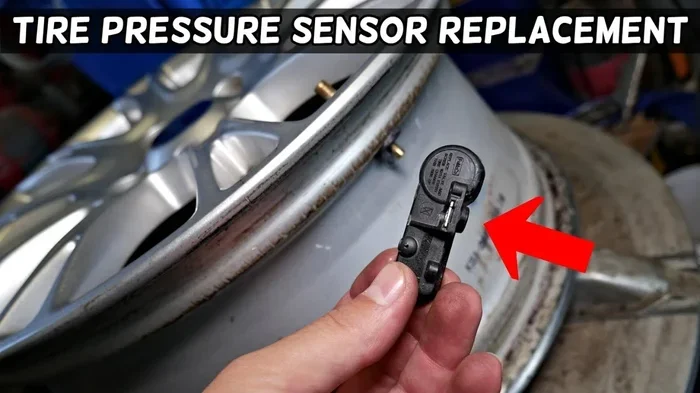
Direct TPMS sensors sit inside the tire, mounted on the rim or attached to the valve stem. They measure the actual air pressure and send a wireless signal to your car’s computer. When pressure drops by about 25% below the recommended level, the system triggers the warning light.
Indirect TPMS does not use physical pressure sensors inside the wheel. Instead, it uses wheel speed sensors from the anti-lock braking system. When a tire has low pressure, it rolls at a different speed than the other tires. The system detects this difference and lights up the warning.
Why Sensors Fail
Tire pressure sensors are built to last, but they are not indestructible. Here are the most common reasons a sensor fails:
- Dead battery: The sensor battery typically lasts between 5 and 10 years. Once it dies, the sensor cannot send signals anymore.
- Battery drain from temperature changes: Cold weather reduces tire pressure temporarily, which can trigger the light even when tires are fine.
- Sensor damage: Hitting a pothole or curb can damage the sensor or dislodge it from the rim.
- Corroded valve stem: Over time, the valve stem can corrode, causing slow air leaks that trigger the sensor.
- System reset needed: Sometimes the system just needs a reset after you add air to your tires.
How to Fix a Low Tire Pressure Sensor Without Tools
Now that you understand the basics, let us get into the actual fixes. You do not need a mechanic’s toolkit for any of these steps. Most of what you need is already in your car or garage.
Step 1: Check Your Actual Tire Pressure
This is the most important first step. Before you assume the sensor is broken, check if your tire pressure is actually low. Grab a tire pressure gauge from your glove box or buy one at any auto parts store for a few dollars. Remove the valve cap, press the gauge onto the valve stem, and read the number.
Compare that number to the recommended pressure listed on the sticker inside your driver’s door frame. If the pressure is low, add air. You can use a gas station air pump, a portable compressor, or even pump a car tire with a bike pump in an emergency. A bike pump takes more effort but it absolutely works when you are in a pinch.
Once you have added air, drive the car for a few minutes. In many cases, the warning light will turn off on its own. If it does not, move to the next step.
Step 2: Reset the TPMS System
Resetting the tire pressure monitoring system is often all you need to do after you have corrected the pressure. The reset process varies by car, but here are the most common methods:
- Reset button method: Look for a small button below the steering wheel on the left side of the dashboard. Press and hold it until the TPMS light blinks three times. Release the button and start the engine. The light should turn off after a few minutes of driving.
- Menu method: Some cars let you reset the TPMS through the infotainment system. Go to Settings, then Vehicle, then Tire Pressure, and select Reset. Follow the on-screen prompts.
- Driving method: For certain vehicles, simply driving at or above 50 mph for 10 to 20 minutes resets the system automatically.
If you are unsure which method works for your car, check the owner’s manual. It will have specific instructions for your make and model.
Step 3: Replace the Sensor Battery
If resetting the system does not work, the sensor battery may be dead. This is very common in cars that are 5 years old or older. The good news is that you can replace the battery without any special tools if you have a little patience.
Here is what you need to do:
- Remove the tire from the vehicle so you can access the sensor.
- Carefully take the sensor off the rim using your hands or a soft cloth.
- Open the sensor housing (this usually requires a small Phillips head screwdriver).
- Replace the coin-cell battery with a new one of the same type.
- Reassemble the sensor and remount the tire.
- Reset the TPMS system following the steps above.
Note that some sensors are one-time use and cannot be opened. In those cases, you will need to replace the entire sensor unit. You can often find replacement sensors online for under $20 each, and installation is straightforward.
Many drivers successfully handle this repair at home. If you want to learn more about fixing your own tire pressure sensor, check out our guide on Can I Fix My Own Tire Pressure Sensor for additional tips and troubleshooting advice.
Step 4: Clear Fault Codes Manually
Sometimes even after you fix the pressure and reset the system, the warning light stays on. This happens because the car’s computer has stored a fault code. You can clear these codes manually without any diagnostic equipment.
Simply disconnect the negative terminal of your car battery for about 15 minutes. This resets the entire computer system and clears stored codes. Reconnect the battery, start the car, and the light should be gone.
For a more detailed walkthrough on this process, see our guide on How Do I Manually Clear My Car Codes. It covers the battery disconnect method and other simple approaches that work across different vehicle brands.
Common Causes of Low Tire Pressure Warnings
Not every low tire pressure warning means something is wrong with your tires or sensors. Here are the most common causes that trigger the light even when your tires are in good shape.
Temperature Changes
Air pressure inside tires drops when the temperature decreases. A 10-degree drop in outside temperature can reduce tire pressure by about 1 PSI. During fall and winter, many drivers see their TPMS light come on even though their tires are properly inflated. This is completely normal and usually resolves once the tires warm up from driving.
Slow Leaks
A slow leak from a nail, screw, or worn valve stem can cause the pressure to drop gradually over days or weeks. You might not notice the tire feels soft, but the sensor will catch it. If you find yourself needing to add air frequently, inspect the tire for punctures and check the valve stems for cracks or leaks.
Sensor Calibration Issues
After rotating tires, replacing a tire, or changing rims, the TPMS may need recalibration. The system does not always recognize the new sensor positions automatically. A simple reset usually fixes this, but if it does not, you may need to relearn the sensor IDs through your car’s diagnostic menu.
Old or Damaged Sensors
Sensors have a limited lifespan. After 5 to 10 years, the internal battery weakens and signal strength decreases. A weak sensor may not communicate properly with the car’s computer, triggering false warnings. If your car is older and you have not replaced the sensors, this could be the culprit.
Preventing Future Low Tire Pressure Warnings
The best way to deal with a low tire pressure sensor is to prevent the problem from happening in the first place. Here are some simple habits that keep your TPMS happy and your tires in great shape.
Check Tire Pressure Monthly
Get into the habit of checking your tire pressure once a month. Use a quality gauge and check the pressure when the tires are cold (before driving). This gives you the most accurate reading and helps you catch slow leaks early before the sensor light comes on.
Keep a Portable Compressor in Your Trunk
A small portable air compressor costs under $30 and fits easily in your trunk. It plugs into your car’s 12V outlet and lets you add air anywhere. This is a game-changer for road trips and emergency situations.
Replace Sensor Batteries Proactively
If your car is 7 years old or older, consider replacing the sensor batteries before they die. A dead battery means the sensor stops working entirely, and you will lose pressure monitoring on that wheel. Replacing the battery proactively saves you from an unexpected warning light.
Maintain Proper Tire Pressure Year-Round
Keep your tires inflated to the manufacturer’s recommended pressure year-round. You can find this number on the sticker inside the driver’s door or in your owner’s manual. Proper pressure improves fuel economy, extends tire life, and keeps the TPMS from triggering false warnings.
When to See a Professional
While most low tire pressure sensor issues can be fixed at home, there are times when professional help is the right call. Here is when you should consider seeing a mechanic:
- Multiple sensors fail at once: This usually indicates a system-wide issue that needs professional diagnosis.
- The TPMS light flashes instead of staying solid: A flashing light often signals a more serious problem with the monitoring system itself.
- You cannot find the source of the leak: If you keep losing air but cannot find the puncture, a professional can perform a thorough inspection.
- You need a TPMS relearn procedure: Some vehicles require specialized equipment to relearn sensor IDs after replacement.
- The sensor housing is cracked or damaged: Physical damage to the sensor usually requires full replacement.
A mechanic can run a full TPMS diagnostic test, identify which sensor is failing, and replace it correctly. Most TPMS sensor replacements cost between $50 and $150 per sensor at a shop, but doing it yourself can save you significant money.
Quick Tips for Fixing a Low Tire Pressure Sensor
- Always check tire pressure before assuming the sensor is faulty. Sometimes the tire really is low and the sensor is working correctly.
- Keep your valve stems capped. The caps prevent dirt and moisture from entering, which can cause slow leaks and sensor damage.
- Drive at highway speeds for 10 minutes after adding air. This helps the TPMS system recalibrate and often turns off the warning light.
- Replace all sensor batteries at the same time if your car is older. If one battery is dying, the others are likely close behind.
- Use the correct tire pressure for your vehicle. Overinflating tires can also trigger the TPMS light and is dangerous.
- Keep a tire pressure gauge in your glove box. You never know when you will need it, and it takes up almost no space.
Expert Insights on Tire Pressure Sensor Maintenance
Automotive experts agree that the TPMS is one of the most neglected maintenance systems in modern vehicles. Most drivers ignore the warning light or simply reset it without checking the actual tire pressure. This approach can be dangerous because low tire pressure reduces fuel efficiency, causes uneven tire wear, and increases the risk of blowouts.
Regular maintenance of your tire pressure sensors goes beyond just resetting the light. It means understanding your vehicle, checking your tires consistently, and replacing aging sensors before they fail unexpectedly. A proactive approach to tire pressure maintenance saves money, keeps you safe, and prevents annoying dashboard warnings.
Experts also recommend checking tire pressure in the morning before driving. Tires cool down overnight, which gives you the most accurate reading. Checking pressure after driving gives a higher reading because the air inside the tire heats up from friction. This can lead you to think your tires are properly inflated when they are actually low.
Key Takeaways
- Resetting the TPMS: A simple reset button or driving trick often fixes the low tire pressure sensor warning without any tools.
- Sensor batteries last 5-10 years: When the battery dies, the sensor fails, but you can replace it without specialized equipment.
- Check tire pressure first: Always verify actual tire pressure before assuming the sensor is the problem.
- Temperature changes cause false warnings: Cold weather commonly triggers low tire pressure lights even when tires are fine.
- Clear codes manually: You can manually clear car codes at home to turn off stubborn warning lights.
- Bike pumps work in a pinch: A bike pump can inflate tires enough to reach a gas station or proper compressor.
Frequently Asked Questions
How do I know if my tire pressure sensor is bad or if my tire is actually low?
The best way to tell is to use a tire pressure gauge and check the actual pressure in each tire. Compare the reading to the recommended PSI listed on your driver’s door sticker. If the pressure is within range but the light is still on, the sensor is likely the problem. If the pressure is low, add air first and see if the light goes off.
Can I drive with the low tire pressure sensor light on?
You can drive short distances with the light on, but it is not recommended. Low tire pressure reduces handling, increases stopping distance, and can cause a blowout at high speeds. Check your tire pressure as soon as possible and add air if needed before driving any significant distance.
How much does it cost to replace a tire pressure sensor?
Replacing a TPMS sensor yourself typically costs between $15 and $30 for the sensor unit. At a repair shop, the cost ranges from $50 to $150 per sensor including labor. The wide range depends on your vehicle make and model and whether you choose an OEM or aftermarket sensor.
How long do tire pressure sensor batteries last?
Most TPMS sensor batteries last between 5 and 10 years. The exact lifespan depends on driving conditions, temperature extremes, and how frequently the sensor transmits data. If your car is over 7 years old and you are getting frequent low-pressure warnings, the sensor battery is likely the cause.
Can I reset the TPMS light without disconnecting the battery?
Yes, most vehicles allow you to reset the TPMS without disconnecting the battery. Look for the reset button under the steering wheel or use the infotainment system menu. Some vehicles also reset automatically after you drive at highway speeds for 10 to 20 minutes with properly inflated tires.
What should I do if the TPMS light keeps coming back after I reset it?
If the light keeps returning, you likely have a slow leak, a failing sensor, or a sensor with a dead battery. Check all four tires for proper pressure and inspect the valve stems for leaks. If the pressure is fine, try replacing the sensor batteries or the entire sensor unit. If the problem persists, have a professional run a full TPMS diagnostic test.
=== CONCLUSION ===
Fixing a low tire pressure sensor without tools is completely doable for most car owners. You do not need expensive equipment or a trip to the mechanic. Start by checking your actual tire pressure, then reset the TPMS system, and replace sensor batteries if needed. These simple steps save you time, money, and the frustration of a persistent dashboard warning light.
Remember that prevention is the best approach. Check your tire pressure monthly, keep valve stem caps in place, and replace aging sensor batteries before they fail. A little regular maintenance goes a long way toward keeping your TPMS working properly and your tires in great condition.
Next time that yellow light comes on, do not panic. You now have the knowledge and confidence to handle it yourself. Grab a tire gauge, add some air if needed, and reset the system. Your car will thank you, and you will be back on the road in no time.