How Many Miles Until a Transmission Goes Bad on Average
Most transmissions last between 100,000 and 200,000 miles with proper care, but driving habits and maintenance play a huge role. How many miles until a transmission goes bad depends on the vehicle type, fluid changes, and driving conditions. This guide breaks down everything you need to know to keep your transmission running strong.
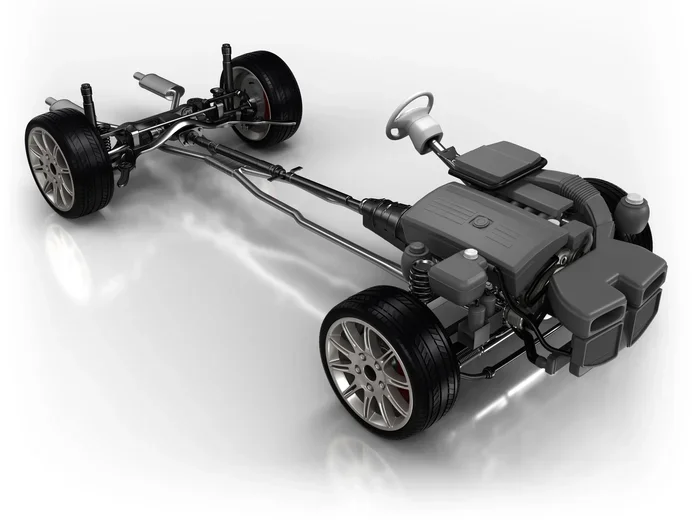
Your car’s transmission is one of the most important parts under the hood. It handles the job of shifting gears, transferring power from the engine to the wheels. Without it, your vehicle simply won’t move. So it makes sense to wonder, how many miles until a transmission goes bad? The answer isn’t always straightforward, but this guide will walk you through everything you need to know.
Whether you drive a daily commuter or a work truck, understanding your transmission’s lifespan can save you thousands of dollars. Most drivers don’t think about their transmission until something goes wrong. By then, the repair bill can be painful. Let’s change that. In this article, we’ll cover the average lifespan, the factors that affect it, warning signs to watch for, and practical tips to keep your transmission healthy for the long haul.
Key Takeaways
- Average Lifespan: Most transmissions last 100,000 to 200,000 miles with regular maintenance.
- Maintenance Matters: Changing transmission fluid on schedule can add tens of thousands of miles to your drivetrain.
- Driving Habits Count: Towing, aggressive driving, and stop-and-go traffic shorten transmission life significantly.
- Warning Signs: Slipping gears, strange noises, and fluid leaks are early indicators of transmission trouble.
- Repair vs. Replace: A rebuild costs less than a full replacement, but both are expensive if ignored.
- Vehicle Type Varies: Manual and automatic transmissions have different longevity expectations and failure points.
📑 Table of Contents
- How Many Miles Until a Transmission Goes Bad on Average?
- Understanding Transmission Types and Their Durability
- Warning Signs Your Transmission Is Going Bad
- How to Extend Your Transmission’s Life
- Transmission Repair vs. Replacement: What to Expect
- Common Mistakes That Shorten Transmission Life
- How Mileage Expectations Compare Across Vehicles
- When to Consider Selling or Replacing the Vehicle
- Final Thoughts
How Many Miles Until a Transmission Goes Bad on Average?
The short answer is that most automatic transmissions last between 100,000 and 200,000 miles. Manual transmissions can sometimes go even longer, often reaching 150,000 to 250,000 miles with proper care. But these are just averages. Your actual experience depends on several key factors.
Think of your transmission like the engine. Both need regular attention to last a long time. A well-maintained transmission in a lightly driven car might easily hit 200,000 miles. But a heavily used vehicle in tough conditions might start having problems at 80,000 miles. The difference comes down to how you drive and how well you maintain it.
What Affects Transmission Lifespan?
Several factors determine how long your transmission will last. Here are the biggest ones:
- Driving Habits: Aggressive acceleration and hard braking put extra stress on your transmission. Smooth driving helps it last longer.
- Towing and Hauling: Pulling heavy loads makes your transmission work harder. If you tow frequently, your transmission may wear out faster.
- Climate: Extreme heat is tough on transmission fluid. Living in a hot climate can shorten your transmission’s life.
- Stop-and-Go Traffic: Constant shifting in city traffic wears out transmission components faster than steady highway driving.
- Maintenance Schedule: Regular fluid changes and inspections make a huge difference. Skipping maintenance is the fastest way to shorten your transmission’s life.
Understanding Transmission Types and Their Durability
Not all transmissions are built the same way. The type of transmission you have affects how long it will last and what kind of problems it might develop.
Automatic Transmissions
Automatic transmissions are the most common in modern cars. They use a complex system of gears, solenoids, and a torque converter to shift automatically. Most automatics are designed to last around 150,000 to 200,000 miles with proper care. However, some can fail much earlier if the fluid isn’t changed regularly.
The torque converter is a common failure point in automatics. It can wear out over time, causing slipping or overheating. Regular fluid changes help keep the torque converter in good shape.
Manual Transmissions
Manual transmissions are simpler in design. They use a clutch and gear set to shift. Many manual transmissions can last 200,000 miles or more. The clutch is the main wear item, and it typically needs replacement between 80,000 and 120,000 miles depending on driving style.
Drivers who ride the clutch or launch the car aggressively will wear out the clutch much faster. But if you drive smoothly, a manual transmission can easily outlast the car itself.
Continuously Variable Transmissions (CVT)
CVTs are becoming more popular, especially in smaller cars and hybrids. They use a belt or chain system instead of fixed gears. CVTs are generally reliable, but they can be expensive to repair when they do fail. Most CVTs are rated for around 100,000 miles, though some can go beyond that with proper maintenance.
Warning Signs Your Transmission Is Going Bad
Catching transmission problems early can save you from a costly transmission rebuild or full replacement. Here are the most common warning signs to watch for:
Slipping Gears
If your transmission slips out of gear or feels like it’s changing gears on its own, that’s a red flag. Slipping happens when the internal components are worn and can no longer hold the gear properly. Don’t ignore this symptom. Driving with a slipping transmission can be dangerous.
Delayed or Harsh Shifting
A healthy transmission shifts smoothly and quickly. If you notice a delay when moving from park to drive, or if the shifts feel harsh and jerky, your transmission might be struggling. This could be a sign of low fluid or worn internal parts.
Strange Noises
Grinding, whining, or clunking noises are never good. These sounds often come from worn bearings or gears inside the transmission. If you hear any unusual noises, especially when in gear or shifting, get it checked out right away.
Fluid Leaks
Transmission fluid is usually red or pink and has a slightly sweet smell. If you see puddles under your car or notice the fluid level dropping, you have a leak. Low fluid causes overheating and accelerated wear. Check your fluid level regularly and top it off if needed.
Warning Lights
Your dashboard check engine light or transmission warning light should never be ignored. These lights come on when the car’s computer detects a problem. A quick scan with an OBD2 tool can reveal transmission-related codes before the issue becomes serious.
How to Extend Your Transmission’s Life
The good news is that you can take steps to make your transmission last longer. Here are some proven tips:
Change Your Transmission Fluid Regularly
Transmission fluid lubricates and cools the internal components. Over time, it breaks down and loses its effectiveness. Most manufacturers recommend changing the fluid every 30,000 to 60,000 miles. Check your owner’s manual for the specific interval for your vehicle. Using the right type of fluid is just as important as changing it on time.
Avoid Towing Beyond Your Vehicle’s Capacity
Every vehicle has a maximum towing capacity. Exceeding it puts extreme strain on your transmission. If you need to tow, make sure your load is within the rated limit. Consider adding an auxiliary cooler if you tow frequently in hot weather.
Warm Up Your Car Before Driving
Letting your car idle for a minute or two in cold weather allows the transmission fluid to warm up and circulate properly. Cold fluid is thicker and doesn’t lubricate as well. This simple habit can reduce wear on your transmission over time.
Address Problems Early
If you notice any warning signs, don’t wait. Small problems become big expensive ones fast. A minor fluid leak today can lead to a complete transmission failure next month. Early intervention is always cheaper than major repairs.
Get Regular Inspections
A trusted mechanic can spot early signs of transmission wear during routine inspections. They can check fluid condition, look for leaks, and test drive the vehicle to feel for any slipping or hesitation. Catching issues early keeps your transmission healthy.
Transmission Repair vs. Replacement: What to Expect
When a transmission does go bad, you have a few options. Understanding the costs and trade-offs helps you make the right decision.
Transmission Fluid Change
If caught early, a simple fluid change might solve minor issues. Fresh fluid can improve shifting and reduce wear. This is the cheapest option and should always be the first step when you notice any transmission concerns.
Transmission Rebuild
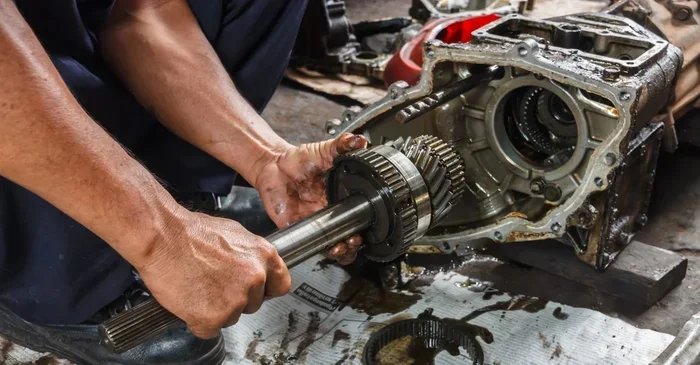
A rebuild involves disassembling the transmission, replacing worn parts, and reassembling it. This costs less than a full replacement and can extend the life of your transmission by another 50,000 to 100,000 miles. Rebuild costs typically range from $2,500 to $4,500 depending on the vehicle.
Transmission Replacement
A full replacement means swapping in a new or remanufactured transmission. This is the most expensive option, often costing between $4,000 and $8,000. It’s usually the last resort when the transmission is severely damaged beyond repair.
Compare these costs to the value of your vehicle. If the repair cost exceeds the car’s worth, it might be time to consider selling or scrapping it. For vehicles like a Dodge V10 or a heavy-duty truck, a transmission replacement might still make sense because of the vehicle’s overall value.
Common Mistakes That Shorten Transmission Life
Many drivers unknowingly damage their transmission through bad habits. Here are the most common mistakes:
- Ignoring Fluid Changes: Old, dirty fluid causes friction and overheating. This is the number one killer of transmissions.
- Riding the Brake: Keeping your foot on the brake pedal while driving creates drag on the drivetrain. This wears out transmission components faster.
- Shifting While Moving: Switching from drive to reverse while the car is still moving damages the gear synchronizers. Always come to a complete stop first.
- Overheating the Engine: Transmission and engine cooling are connected. An overheating engine affects the transmission too.
- Skipping Maintenance: Some drivers only visit the mechanic when something breaks. Regular maintenance prevents transmission problems before they start.
Avoiding these mistakes alone can add 50,000 or more miles to your transmission’s life. It’s simple but effective.
How Mileage Expectations Compare Across Vehicles
Different vehicles have different transmission lifespans. Here’s a quick comparison of popular vehicle types and their expected transmission mileage:
- Compact Cars: 100,000 to 150,000 miles
- Midsize Sedans: 150,000 to 200,000 miles
- Trucks and SUVs: 150,000 to 250,000 miles
- Heavy-Duty Trucks: 200,000 to 300,000 miles
Keep in mind that these are general ranges. A well-maintained vehicle can exceed these numbers, while a neglected one might fall short. For comparison, a Chevy Tahoe can often reach 250,000 miles or more with proper care, and a Dodge V10 engine and drivetrain are built for heavy-duty longevity. The key is consistent maintenance.
When to Consider Selling or Replacing the Vehicle
Sometimes the transmission repair costs just don’t make sense. If your vehicle has high mileage and the transmission is failing, you need to weigh the repair cost against the car’s value. Here’s a simple rule of thumb:
- If the repair costs less than half the vehicle’s value, go ahead and repair it.
- If the repair costs more than the vehicle’s value, consider selling the car as-is or for parts.
- Check the average life of similar vehicles to get a sense of what your car is worth at its current mileage.
This approach keeps you from throwing good money after bad. It also frees you up to invest in a more reliable vehicle if needed.
Final Thoughts
So, how many miles until a transmission goes bad? The honest answer is that it varies widely. With proper care, most transmissions last well over 100,000 miles and many go beyond 200,000 miles. The key is staying on top of maintenance, driving smoothly, and addressing problems the moment they appear.
Your transmission is the heartbeat of your vehicle. Treat it well, and it will serve you faithfully for years. Neglect it, and you’ll face expensive repairs down the road. Either way, understanding your transmission’s needs puts you in control. Follow the tips in this guide, stay proactive, and you’ll get the most miles out of your transmission possible.
Remember, every vehicle is different. The mileage numbers in this article are averages. Your experience might be higher or lower depending on how you drive and maintain your car. The best thing you can do is stay informed, stay vigilant, and take action at the first sign of trouble. Your transmission will thank you for it.
Frequently Asked Questions
Can a transmission last 300,000 miles?
Yes, it is possible. Some well-maintained vehicles, especially heavy-duty trucks, can reach 300,000 miles or more with a healthy transmission. The key is consistent fluid changes and gentle driving habits.
How often should I change my transmission fluid?
Most manufacturers recommend changing transmission fluid every 30,000 to 60,000 miles. Check your owner’s manual for the exact interval. If you drive in tough conditions like towing or heavy traffic, you may need to change it more often.
Is it worth rebuilding a transmission at 150,000 miles?
It depends on the vehicle’s overall value. If the car is in good shape otherwise, a rebuild can extend its life significantly. Compare the rebuild cost to the car’s value to make the best decision.
What causes a transmission to fail early?
The most common causes are neglected fluid changes, aggressive driving, overheating, and towing beyond the vehicle’s capacity. These factors accelerate wear on internal components and lead to premature failure.
Can low transmission fluid cause slipping?
Yes, absolutely. Low fluid reduces hydraulic pressure inside the transmission, which causes gears to slip. If you notice slipping, check your fluid level first before assuming the worst.
How much does a new transmission cost?
A new transmission typically costs between $4,000 and $8,000 installed. A rebuild is cheaper, usually $2,500 to $4,500. The exact cost depends on your vehicle make and model.