How Long Does Full Synthetic Oil Last and Why It Matters
Full synthetic oil typically lasts between 7,500 and 15,000 miles, but the exact lifespan depends on your driving habits, vehicle model, and oil life monitoring system. Unlike conventional oil, full synthetic oil resists thermal breakdown and sludge buildup, offering superior engine protection. Understanding when to change it can save you money and prevent costly repairs.
You just dropped a premium synthetic oil into your engine, and now the question hits you: how long does full synthetic oil actually last? It is a simple question, but the answer can save you hundreds of dollars and keep your engine running smoothly for years. Many drivers assume all oils behave the same, but synthetic blends and full synthetics are in a different league entirely.
The truth is that full synthetic oil is engineered to resist thermal breakdown, oxidation, and sludge formation far better than conventional mineral oils. That means you can stretch your oil change interval without sacrificing engine protection. Whether you drive a daily commuter or a weekend warrior, understanding the lifespan of your oil is one of the smartest maintenance moves you can make.
In this guide, we will break down exactly how long full synthetic oil lasts, what factors shorten or extend its life, and how to read your vehicle’s oil life monitor. By the end, you will know exactly when to schedule your next oil change and why it matters so much for your car’s health.
Key Takeaways
- Extended drain intervals: Full synthetic oil can go 7,500–15,000 miles between changes, far longer than conventional oil.
- Superior thermal stability: It resists breakdown at high temperatures, keeping your engine cleaner under stress.
- Oil life monitors matter: Modern vehicles use algorithms to estimate oil life; don’t ignore them.
- Driving style affects longevity: Short trips, extreme heat, and towing reduce synthetic oil life faster.
- Check for warning signs: Dark color, gritty texture, or burning smell signal it is time for a change.
- Always pair with a quality filter: A good oil filter captures contaminants and extends oil life.
- Follow manufacturer guidelines: Your owner’s manual is the ultimate authority on oil change intervals.
📑 Table of Contents
- What Is Full Synthetic Oil and Why Does It Last Longer?
- How Many Miles Can You Go on Full Synthetic Oil?
- How to Read Your Oil Life Monitor
- Signs Your Full Synthetic Oil Needs Changing
- How to Maximize the Life of Your Full Synthetic Oil
- Why Oil Change Intervals Matter for Engine Health
- Final Thoughts on Full Synthetic Oil Lifespan
What Is Full Synthetic Oil and Why Does It Last Longer?
Full synthetic oil is a lubricant made entirely from chemically synthesized base stocks. Unlike conventional oil, which is refined directly from crude petroleum, synthetic oil is built in a lab to have uniform molecules. This uniformity gives it several advantages that directly impact how long it can protect your engine.
Because the molecules are so consistent, synthetic oil resists viscosity breakdown at extreme temperatures. It stays thin enough to flow quickly on cold starts and thick enough to maintain a protective film when the engine is hot. That thermal stability is the main reason full synthetic oil lasts so much longer than conventional alternatives.
Another key factor is the additive package. Quality synthetic oils contain detergents, dispersants, anti-wear agents, and antioxidants. These additives work together to neutralize acids, suspend soot particles, and prevent sludge from forming. Over time, these additives deplete, which is why even synthetic oil eventually needs to be replaced.
If you have ever wondered do I really need to change synthetic oil every 6 months, the answer is usually no. Most full synthetic oils are formulated to last well beyond six months, provided you are not driving in extreme conditions. The mileage-based interval is often more important than the time-based one.
Conventional Oil vs. Full Synthetic Oil
To appreciate the longevity of full synthetic oil, it helps to compare it side by side with conventional oil. Conventional oil is derived from crude oil and refined to remove impurities. It contains natural molecules of varying sizes, which makes it more prone to thermal breakdown and oxidation.
Full synthetic oil, on the other hand, uses a uniform molecular structure. Here is a quick comparison of the two:
- Conventional oil: Typically lasts 3,000 to 5,000 miles. Breaks down faster at high temperatures. More prone to sludge.
- Full synthetic oil: Typically lasts 7,500 to 15,000 miles. Resists thermal breakdown. Excellent sludge protection.
While synthetic oil costs more upfront, its extended drain interval often makes it the more economical choice over time. You buy fewer oil changes per year, and your engine enjoys better protection between services.
How Many Miles Can You Go on Full Synthetic Oil?
The most common question we hear is: how many miles can you actually drive on a single fill of full synthetic oil? The answer depends on several variables, but most manufacturers and oil producers recommend an interval of 7,500 to 15,000 miles. Some high-performance synthetic oils are even rated for 20,000 miles under ideal conditions.
So can you go 10,000 miles on synthetic oil? Absolutely. Many drivers do this regularly without any issues. The key is to use a high-quality full synthetic oil that meets your vehicle’s specifications and to keep an eye on your oil life monitor or manual maintenance schedule.
Here are the typical mileage intervals you can expect:
- Normal driving: 7,500–10,000 miles.
- Severe driving: 5,000–7,500 miles.
- Ideal conditions: Up to 15,000 miles.
Normal driving means mostly highway trips at moderate speeds, with no extreme temperatures or heavy loads. Severe driving includes frequent short trips, stop-and-go traffic, towing, and exposure to dust or extreme heat. If your driving falls into the severe category, you should shorten your oil change interval.
Factors That Shorten Synthetic Oil Life
Even the best full synthetic oil will degrade faster if you subject it to harsh conditions. Here are the most common factors that shorten oil life:
- Short trips: The engine never fully warms up, which causes moisture and fuel to contaminate the oil.
- Extreme heat: High ambient temperatures accelerate oxidation and additive depletion.
- Towing or hauling: Heavy loads cause the engine to work harder, generating more heat and soot.
- Stop-and-go traffic: Frequent idling and low-speed driving increase fuel dilution and sludge formation.
- Dusty or dirty environments: Airborne particles can enter the engine and contaminate the oil faster.
If you regularly deal with any of these conditions, you should consider changing your oil more frequently. It is a small price to pay for the peace of mind that comes with knowing your engine is properly protected.
How to Read Your Oil Life Monitor
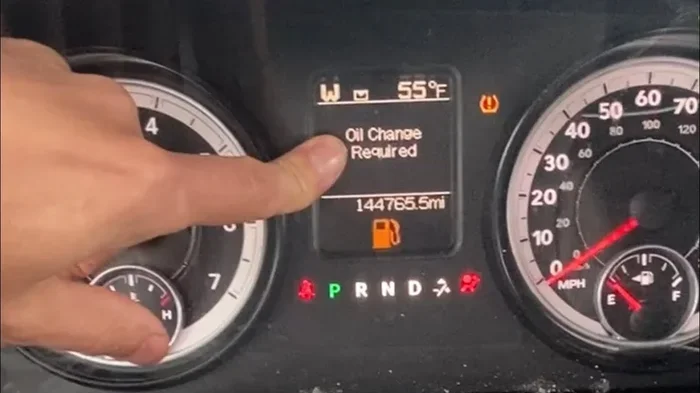
Modern vehicles come equipped with an oil life monitoring system that calculates when your oil needs to be changed. These systems use algorithms that take into account your driving habits, engine temperature, and operating conditions. They do not simply count miles; they estimate the actual degradation of the oil.
So what does the oil life monitor actually measure? It tracks things like engine revolutions, temperature cycles, and idle time. Based on this data, it estimates the remaining useful life of your oil as a percentage. When the percentage drops to a certain threshold, the system triggers a service reminder.
Many drivers ask: at what percent oil life should you change oil? Most manufacturers recommend changing the oil when the monitor reads 15% remaining. Some drivers prefer to change it at 5% or even 0%, but waiting that long can put extra stress on the engine. It is best to follow the 15% rule or your owner’s manual recommendation.
If you are unsure how your vehicle’s oil life system works, check your owner’s manual or look up the specific model. The system is different for every brand, and understanding it will help you make the most of your full synthetic oil’s lifespan.
Do You Need to Reset the Oil Life Monitor?
Yes, you should reset the oil life monitor after every oil change. This ensures the system recalculates based on fresh oil and your current driving conditions. The reset process varies by vehicle, but it is usually found in the instrument cluster or infotainment system. If you are not sure how to do it, your owner’s manual will have step-by-step instructions.
Signs Your Full Synthetic Oil Needs Changing
Even with an oil life monitor, it is good to know the physical signs that your oil is degrading. Your eyes and nose can tell you a lot about the condition of your oil before the system triggers a warning.
Here are the most common signs that it is time for a change:
- Dark, opaque color: Fresh synthetic oil is amber or golden. As it ages, it turns dark brown or black. While dark color alone is not a reason to panic, it is a clear indicator that the oil has been doing its job and is approaching the end of its useful life.
- Gritty texture: If you rub a drop of oil between your fingers and it feels gritty or rough, it may contain suspended contaminants that the oil filter can no longer capture.
- Burning smell: A burnt odor coming from the engine bay can indicate that the oil is breaking down and losing its viscosity.
- Reduced oil pressure: If your oil pressure gauge drops or the warning light illuminates, the oil may be too thin or too contaminated to properly lubricate the engine.
- Increased engine noise: Clean synthetic oil reduces friction and quiets the engine. If you notice more ticking or knocking, the oil’s protective film may be worn thin.
If you notice any of these signs, do not wait for the oil life monitor to catch up. Schedule an oil change as soon as possible to protect your engine from unnecessary wear.
Can You Tell If Your Car Is Low on Oil?
Low oil level is a different problem from degraded oil, but it can happen at any time. You should check your oil level at least once a month using the dipstick. If the level is below the minimum mark, add the same type and brand of oil to bring it back up. Running an engine with low oil can cause catastrophic damage very quickly.
Always let the engine cool for a few minutes before checking the oil, and make sure the car is on a level surface. This gives you the most accurate reading. If you find yourself needing to add oil frequently, it is a sign that you should inspect for leaks or burning oil.
How to Maximize the Life of Your Full Synthetic Oil
Getting the most out of your full synthetic oil is all about smart driving habits and regular maintenance. You do not need to do anything complicated, just a few simple steps that can extend the oil’s life and protect your engine.
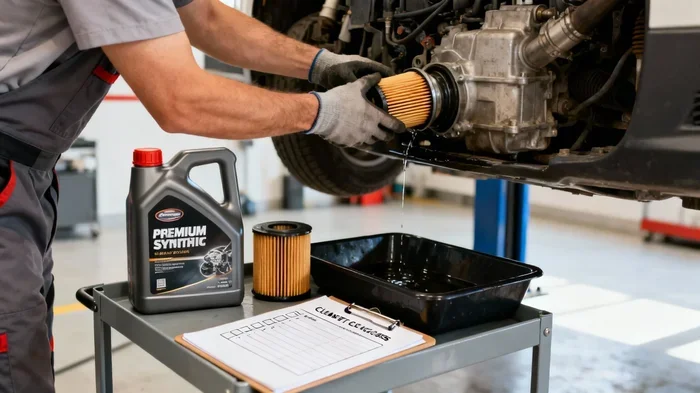
First, always use the oil viscosity grade recommended by your vehicle manufacturer. Using the wrong weight oil can reduce lubrication and shorten the oil’s effective life. Second, replace your oil filter at every oil change. A clogged filter will allow contaminants to circulate back into the oil, accelerating degradation.
Third, avoid prolonged idling. Idling allows fuel to dilute the oil and reduces the oil temperature, which can lead to moisture buildup. If you must idle for extended periods, consider a longer oil change interval to compensate. Fourth, keep your engine cool by maintaining proper coolant levels and ensuring the cooling system is working well.
Finally, if you are planning to store your vehicle for an extended period, change the oil beforehand. Fresh synthetic oil contains antioxidants that protect the engine during storage. Old oil sitting in the crankcase for months can become acidic and corrosive.
Quick Tips for Synthetic Oil Longevity
- Check oil level monthly and top off as needed.
- Use a high-quality oil filter rated for your vehicle.
- Avoid short trips when possible; combine errands into longer drives.
- Keep your engine cool and properly maintained.
- Reset the oil life monitor after every change.
- Store the vehicle with fresh oil if it will sit for more than a month.
Why Oil Change Intervals Matter for Engine Health
Some drivers think that because synthetic oil lasts longer, they can ignore the oil change altogether. That is a dangerous misconception. Even the best full synthetic oil will eventually lose its additives and accumulate contaminants. Pushing the oil change interval too far can lead to accelerated engine wear, reduced fuel economy, and even engine failure.
On the other hand, changing your oil too frequently is a waste of money and resources. You do not need to change synthetic oil every 3,000 miles like you might with conventional oil. The sweet spot is the interval recommended by your vehicle manufacturer, adjusted for your driving conditions.
Regular oil changes are one of the cheapest and most effective ways to extend the life of your engine. Fresh oil keeps friction low, temperatures stable, and contaminants suspended until the filter can capture them. It is a small investment that pays big dividends in engine longevity and reliability.
If you are unsure about the right interval for your vehicle, consult your owner’s manual or speak with a trusted mechanic. They can help you find the perfect balance between protection and cost. And remember, when it is time for an oil change, do not wait. Your engine will thank you for it.
How Fast Will Your Engine Run with Fresh Synthetic Oil?
While this is not a speed test, fresh synthetic oil does allow your engine to operate more efficiently. The reduced friction means less energy is wasted as heat, which can translate to slightly better fuel economy and smoother acceleration. Over time, these small benefits add up, making synthetic oil a smart choice for both performance and longevity.
Final Thoughts on Full Synthetic Oil Lifespan
So, how long does full synthetic oil last? In most cases, you can expect it to go between 7,500 and 15,000 miles before needing a change. The exact interval depends on your driving style, vehicle model, and the conditions you operate in. By paying attention to your oil life monitor, watching for warning signs, and following a few simple maintenance tips, you can get the most out of every oil change.
Full synthetic oil is a premium product that delivers premium protection. It resists breakdown, keeps your engine cleaner, and extends the time between services. Whether you are a daily commuter or a weekend road-tripper, making the switch to full synthetic oil is one of the best decisions you can make for your vehicle’s long-term health.
Take the time to understand your oil change interval, check your oil level regularly, and never ignore the signs of degraded oil. Your engine works hard for you every day, and it deserves the best protection you can give it. With the right maintenance routine, your full synthetic oil will do its job and keep your car running strong for miles to come.
Frequently Asked Questions
How long does full synthetic oil last in months?
Full synthetic oil can last between 6 and 12 months under normal driving conditions, but mileage is the better indicator. Most manufacturers recommend an oil change every 7,500 to 15,000 miles, whichever comes first. If you only drive a few thousand miles per year, you should still change the oil at least once a year to prevent additive depletion.
Can you go 10,000 miles on synthetic oil?
Yes, many drivers can go 10,000 miles on full synthetic oil, especially if they drive under normal conditions on highways. However, if you frequently tow, idle, or drive in extreme heat, you should shorten the interval to around 7,500 miles. Always check your vehicle’s owner manual and oil life monitor for the best guidance.
Is it OK to change synthetic oil every 2 years?
It is not recommended to wait two years between oil changes, even with full synthetic oil. Oil can absorb moisture and lose its additives over time, regardless of mileage. Most experts suggest changing synthetic oil at least once a year or every 12,000 miles, whichever comes first, to keep your engine properly protected.
What happens if you go too long between synthetic oil changes?
Pushing the oil change interval too far can cause the oil to break down and lose its lubricating properties. Contaminants build up, sludge forms, and engine wear increases. In severe cases, going too long can lead to overheating, reduced fuel economy, or even engine failure. Stick to the recommended interval and reset your oil life monitor after each change.
How do you know when synthetic oil is bad?
You can tell synthetic oil is degrading by its dark color, gritty texture, or burnt smell. You may also notice reduced oil pressure, increased engine noise, or the oil life monitor dropping below 15%. If you observe any of these signs, change the oil and filter as soon as possible to avoid engine damage.
Do you need to change oil filter every time you change synthetic oil?
Yes, you should always replace the oil filter at the same time you change your full synthetic oil. The filter captures contaminants and prevents them from circulating through the engine. A clogged or old filter will reduce oil flow and can negate the benefits of fresh synthetic oil. Use a high-quality filter that matches your vehicle’s specifications.