Does MPG Go Down With Age After Many Years On The Road
Yes, MPG typically goes down with age as engines wear, filters clog, and parts degrade over time. However, regular maintenance and smart driving habits can significantly slow fuel economy decline. This guide covers the real reasons MPG drops and gives you actionable tips to keep your fuel efficiency high.
Key Takeaways
- Aging engines lose efficiency: Wear on internal components directly impacts how much fuel your car uses.
- Maintenance is your best defense: Regular oil changes, filter replacements, and spark plug swaps keep MPG stable.
- Driving habits matter as much as car age: Aggressive driving and excess weight hurt fuel economy regardless of vehicle year.
- Small fixes make a big difference: Things like tire pressure and clean air filters can recover lost MPG quickly.
- Older cars can still be efficient: With proper care, a well-maintained older vehicle can hold onto surprisingly good fuel economy.
- Technology helps newer cars stay efficient longer: Modern engines have systems that compensate for some age-related wear.
- Know when to seek professional help: Some MPG drops signal deeper mechanical issues that need expert attention.
📑 Table of Contents
- Does MPG Go Down With Age? The Truth About Fuel Economy Over Time
- Why Does MPG Decline as a Car Gets Older?
- How Maintenance Affects Fuel Economy Over Time
- Driving Habits That Accelerate MPG Decline
- Common Problems That Cause Fuel Economy to Drop
- Can You Slow Down MPG Decline? Proven Strategies
- How Vehicle Age Compares to Mileage in MPG Loss
- The Role of Transmission Health in Fuel Economy
- Does Driving Style Matter More Than Car Age?
- When Should You Worry About MPG Loss?
- Final Thoughts on MPG and Vehicle Age
Does MPG Go Down With Age? The Truth About Fuel Economy Over Time
Every car owner has noticed it at some point. That trip to the gas station suddenly costs more. The numbers on the pump tell a story your wallet doesn’t like. So does MPG go down with age? The short answer is yes. But the full story is much more interesting and far more hopeful than you might think.
Fuel economy decline is not inevitable. It is not something you just have to accept as your car gets older. Understanding why MPG drops gives you the power to fight back. You can take real steps to keep your car sipping fuel instead of guzzling it. Whether you drive a ten-year-old sedan or a newer SUV, this guide will show you exactly what causes fuel efficiency to fade and how to stop it.
We will walk through every major factor that affects MPG as a vehicle ages. From engine wear to driving habits, from clogged filters to aging sensors, nothing gets left out. By the end, you will have a clear action plan. You will know exactly what to check, what to fix, and how to get the best fuel economy out of your aging ride.
Why Does MPG Decline as a Car Gets Older?
Cars are complex machines. Hundreds of moving parts work together every time you turn the key. Over time, friction builds. Parts wear down. Systems that once ran like clockwork start to drift. The result is a gradual but steady decline in fuel efficiency. Let us break down the main reasons this happens.
Engine Wear and Internal Component Degradation
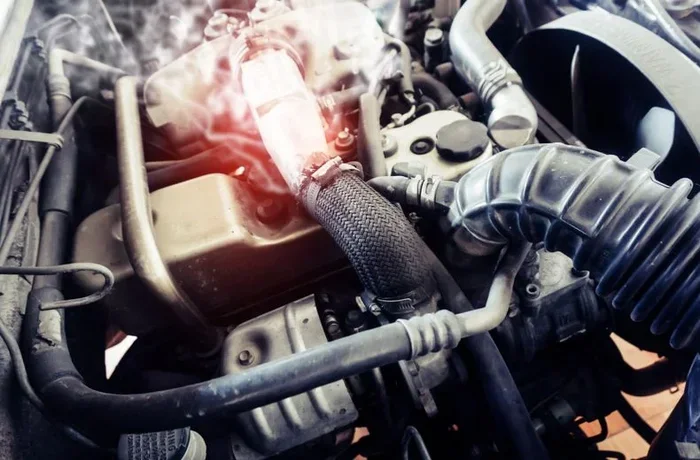
Your engine is the heart of your vehicle. And like any heart, it wears out over time. Piston rings get thinner. Cylinder walls develop micro-scratches. Valve seals lose their spring. All of these tiny changes add up to a bigger problem: combustion efficiency drops. When your engine does not burn fuel as completely, more of it goes to waste. You feel this at the pump every week.
Compression loss is one of the biggest silent killers of MPG. As engines age, they lose compression. This means the air-fuel mixture does not get squeezed as tightly before ignition. The result? Less power per drop of fuel. You burn more gas to go the same distance.
Carbon Buildup in the Combustion Chamber
Over thousands of miles, carbon deposits build up inside the engine. These deposits absorb fuel and reduce the space inside the combustion chamber. Less space means less efficient combustion. Old car MPG suffers directly from this buildup. It is like trying to breathe through a pillow. Your engine struggles to get the air it needs.
Fuel injectors also get clogged with carbon and varnish deposits. When injectors do not spray fuel evenly, some cylinders run rich and others run lean. Neither scenario is good for fuel economy. The rich cylinders waste fuel. The lean cylinders make the engine work harder to compensate.
How Maintenance Affects Fuel Economy Over Time
Here is the good news. Maintenance is the single most powerful tool you have to fight MPG decline. A well-maintained older car can still deliver impressive fuel economy. The key is staying on top of routine service. Let us look at the maintenance items that matter most.
Air Filters and Their Impact on MPG
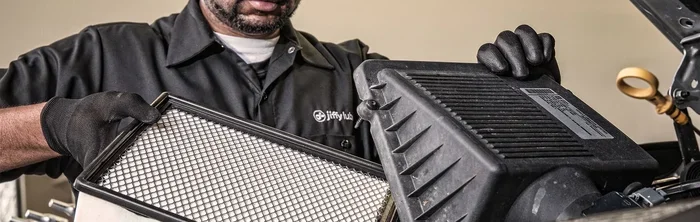
A dirty air filter chokes your engine. It restricts airflow, which means the engine burns fuel inefficiently. Replacing a clogged air filter can improve miles per gallon by up to 10 percent on older vehicles. This is one of the cheapest and easiest fixes you can do. A new air filter costs just a few dollars and takes minutes to swap.
Check your air filter every oil change. Hold it up to a light. If you cannot see light through it, it is time for a replacement. This simple habit pays for itself many times over in fuel savings.
Spark Plugs and Ignition System Health
Spark plugs create the spark that ignites the fuel-air mixture. Old spark plugs produce weak or inconsistent sparks. This means incomplete combustion. Unburned fuel exits the engine and goes straight out the exhaust. You lose MPG and you also damage your catalytic converter over time.
Most manufacturers recommend replacing spark plugs every 30,000 to 100,000 miles depending on the type. Do not stretch this interval. Fresh spark plugs are one of the easiest ways to keep your engine running efficiently as it ages.
Oxygen Sensors and Fuel Trim Adjustments
Your car has oxygen sensors that measure how much oxygen is in the exhaust. The engine computer uses this data to adjust the fuel mixture. When an oxygen sensor goes bad, it sends wrong readings. The engine then runs too rich or too lean. Either way, fuel economy takes a hit.
Oxygen sensors typically last 60,000 to 100,000 miles. After that, they become less accurate. Replacing a failing oxygen sensor can restore lost MPG surprisingly fast. If your check engine light is on and your fuel economy has dropped, a bad oxygen sensor is a top suspect.
Driving Habits That Accelerate MPG Decline
Your car does not age in a vacuum. How you drive it plays a huge role in how fast MPG declines. Some habits silently sabotage your fuel economy. Others compound the effects of natural engine wear. Let us look at the biggest driving-related factors.
Aggressive Driving and Its Fuel Cost
Hard acceleration and sudden braking waste fuel. Period. Aggressive driving can lower miles per gallon by 15 to 30 percent on the highway and 10 to 40 percent in stop-and-go traffic. As your car ages and its engine loses some of its original power, aggressive driving becomes even more costly.
Smooth acceleration and gentle braking are not just safer. They are also much kinder to your fuel tank. Try to anticipate stops and coast early. This habit alone can make a noticeable difference in your MPG numbers.
Excess Weight and Roof Cargo
Carrying extra weight forces your engine to work harder. Every 100 pounds of extra cargo can reduce MPG by about 1 percent. Roof racks and cargo carriers create aerodynamic drag that really hurts fuel economy at highway speeds. Remove them when you are not using them.
Older cars were often lighter to begin with. So the impact of extra weight hits them harder than it does modern vehicles. Keep your trunk and back seat clear of unnecessary items. You will thank yourself at the pump.
Common Problems That Cause Fuel Economy to Drop
Sometimes MPG drops are not just about age. They signal a specific problem that needs attention. Catching these issues early can save you both fuel and repair costs. Here are the most common culprits.
Low Tire Pressure
Underinflated tires create rolling resistance. Your engine has to burn more fuel to push the car forward. The Department of Energy estimates that properly inflated tires can improve fuel efficiency by up to 3 percent. Check your tire pressure at least once a month. Keep them at the pressure listed on your driver’s side door jamb.
Dirty Fuel Injectors
Fuel injectors spray fuel into the combustion chamber at precise pressures and angles. When they get dirty, the spray pattern changes. Fuel does not atomize properly. Combustion becomes incomplete. Dirty injectors are one of the most common reasons old car MPG suffers. A fuel system cleaning can often restore lost efficiency.
Failing Catalytic Converter
The catalytic converter cleans your exhaust gases. When it gets clogged, back pressure builds. The engine struggles to expel exhaust and has to work harder. This creates a noticeable drop in both performance and fuel economy. If you notice your car feels sluggish and your MPG has dropped suddenly, a clogged catalytic converter could be the cause.
Keep in mind that older vehicles may have had are there any problems with the 2009 toyota corolla or similar age-related issues that affect the exhaust system. Regular inspections help catch converter problems early before they drain your wallet at the fuel pump.
Can You Slow Down MPG Decline? Proven Strategies
The answer is a resounding yes. While you cannot stop aging completely, you can dramatically slow the decline in fuel economy. Here are the most effective strategies backed by mechanics and automotive engineers.
Stick to a Regular Maintenance Schedule
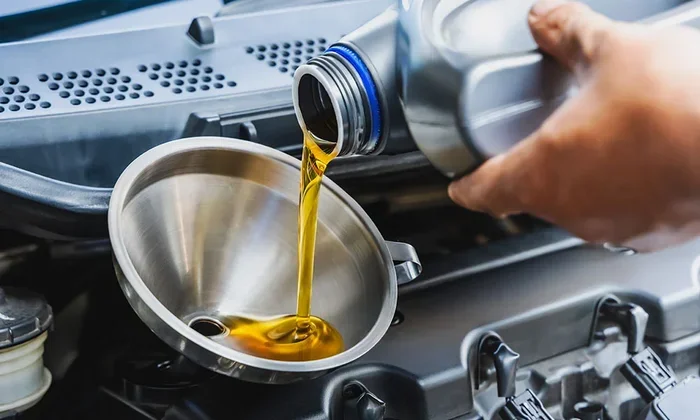
Follow your owner’s manual to the letter. Change your oil on time. Replace filters at recommended intervals. Keep up with tune-ups. A car that receives regular maintenance holds its MPG far longer than one that does not. Think of maintenance as insurance against fuel economy loss.
Many owners neglect basic service because their car still runs. But a car can run poorly and still start every morning. The MPG damage happens silently. By the time you notice the drop, you have already wasted hundreds of dollars in extra fuel.
Use the Right Fluids and Parts
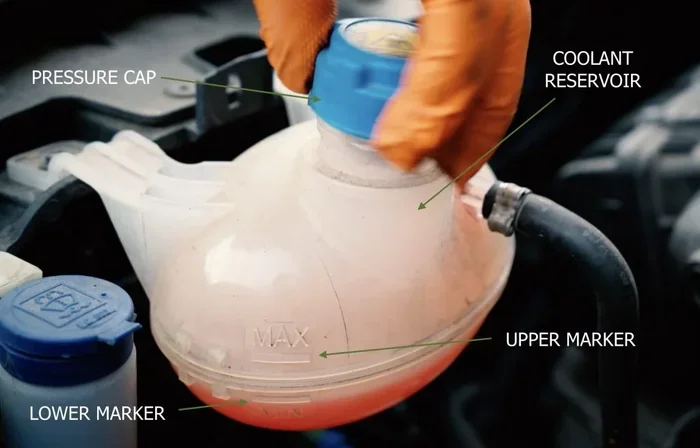
Not all oil, coolant, and transmission fluid is created equal. Use the grade and type recommended by your manufacturer. Cheap or wrong fluids do not lubricate as well. They break down faster. This accelerates internal wear and drags your fuel economy down over time.
The same goes for parts. Quality spark plugs, air filters, and fuel filters make a real difference. Do not cheap out on consumables. They are small investments with big returns in MPG preservation.
Monitor Your Fuel Economy Regularly
Track your MPG over time. You do not need fancy equipment. Just note the miles you drive and the gallons you buy. A simple spreadsheet or a phone app works great. When you see a trend of declining MPG, investigate immediately. Catching problems early means smaller repairs and less fuel waste.
Many modern cars have trip computers that display real-time and average MPG. Use this feature. It is one of the best early warning systems you have for detecting fuel economy problems before they become expensive.
Address Issues Before They Compound
Small problems become big problems when ignored. A slightly rough idle today becomes a misfire tomorrow. A slightly rich fuel mixture today damages the catalytic converter next year. The longer you wait, the more MPG you lose and the more expensive the repair becomes.
For example, if you are dealing with too much oil in your engine, it can cause serious efficiency problems and even engine damage over time. Addressing issues like can I drive my car with too much oil in it quickly prevents cascading damage that kills your fuel economy and your engine’s lifespan.
How Vehicle Age Compares to Mileage in MPG Loss
People often confuse age with mileage when it comes to MPG decline. Both matter, but they affect your fuel economy in different ways. Understanding this distinction helps you focus your maintenance efforts where they matter most.
Age affects fuel economy through rubber degradation, fluid breakdown, and general material aging. Seals dry out. Gaskets become brittle. Fluids lose their chemical properties. Even a low-mileage older car can suffer from these age-related issues. This is why cars that sit for long periods often develop MPG problems even with few miles on the odometer.
Mileage affects fuel economy through mechanical wear. More miles mean more friction, more carbon buildup, and more stress on internal components. A high-mileage newer car often has better MPG than a low-mileage older car because its internal parts are still in better shape.
The best predictor of MPG is a combination of both. A well-maintained 150,000-mile car will often outperform a neglected 80,000-mile car. Maintenance history matters more than raw numbers. This is why vehicles like how many miles does a chevy tahoe last are still relevant when discussing long-term fuel economy. A Tahoe that has been properly maintained can keep its MPG surprisingly high even at high mileage.
| Factor | Effect on MPG | Reversible? |
|---|---|---|
| Engine wear | Reduces combustion efficiency | Partially |
| Carbon buildup | Restricts combustion space | Yes, with cleaning |
| Clogged air filter | Restricts airflow | Yes, replace filter |
| Bad oxygen sensor | Wrong fuel mixture | Yes, replace sensor |
| Low tire pressure | Increases rolling resistance | Yes, inflate tires |
| Dirty fuel injectors | Poor fuel atomization | Yes, clean or replace |
| Aging spark plugs | Weak or inconsistent sparks | Yes, replace plugs |
| Clogged catalytic converter | Increases back pressure | Yes, replace converter |
| Transmission wear | Slipping or delayed shifts | Partially |
| Fluid degradation | Reduced lubrication | Yes, change fluids |
As you can see from the table, most MPG killers are reversible with proper maintenance. This should give you hope. Even if your car is older and has lost some fuel economy, there are almost always steps you can take to recover at least some of what you have lost.
The Role of Transmission Health in Fuel Economy
Your transmission plays a huge role in fuel economy. When it shifts smoothly and at the right times, your engine stays in its most efficient operating range. When transmission components wear, shifts become sloppy. The engine may rev too high or too low for the situation. Either way, you burn more fuel.
Transmission fluid breaks down over time. It loses its viscosity and lubricating properties. This causes increased friction inside the transmission. Shifts become harsher and less precise. The result is a steady drain on your MPG that many owners overlook.
Keep your transmission fluid fresh. Follow the manufacturer’s change interval. If you notice rough shifts or delays, get it checked right away. Transmission problems are among the most expensive repairs on a car. Catching them early protects both your fuel economy and your wallet.
When considering long-term vehicle health, remember that components like the transmission have their own lifespan. Understanding at what mileage do transmissions go bad can help you plan maintenance before a failing transmission drags your MPG down and leaves you stranded.
Does Driving Style Matter More Than Car Age?
Here is a fascinating truth. Driving style often matters more than car age when it comes to MPG. A careful driver in a ten-year-old car can beat an aggressive driver in a brand-new car at the fuel pump. Your habits have an enormous impact on fuel economy regardless of how old your vehicle is.
Smooth acceleration, steady cruising, and gentle braking are the holy trinity of fuel-efficient driving. Avoid idling for long periods. Use cruise control on highways. Plan your routes to avoid heavy traffic when possible. These habits cost nothing and pay back immediately in fuel savings.
As cars age, they become more sensitive to driving style. A worn engine does not forgive aggressive driving as well as a new one does. So if you are driving an older vehicle, be even more mindful of how you handle the throttle and brake. Your fuel economy will thank you for it.
When Should You Worry About MPG Loss?
Some MPG decline is normal with age. A drop of 5 to 10 percent over many years is expected. But sudden or severe MPG loss is a red flag. If you notice your fuel economy dropping 20 percent or more in a short period, something is wrong. Do not ignore it.
Common warning signs include: a sudden spike in fuel consumption, rough idling, decreased power, unusual exhaust smoke, or dashboard warning lights. Any of these symptoms combined with MPG loss warrants a trip to your mechanic. The sooner you diagnose the issue, the less it will cost you in repairs and wasted fuel.
Sometimes MPG loss connects to other car issues. For instance, driving with a maintenance required light on might not directly affect fuel economy, but it often signals that overdue maintenance is catching up with your vehicle. Similarly, if you are considering selling a vehicle with known issues, understanding can I sell a prius with a dead battery or can I drive a prius with a dead hybrid battery shows how battery health directly impacts a car’s efficiency and value. The same principle applies to MPG: underlying problems compound over time and affect both performance and fuel economy.
Final Thoughts on MPG and Vehicle Age
The relationship between a car’s age and its fuel economy is not a one-way street going downhill. Yes, MPG does tend to go down with age. But the rate of that decline is largely in your hands. Regular maintenance, smart driving habits, and prompt attention to problems can keep your fuel economy strong for many years beyond what most people expect.
Your car is an investment. Treating it well pays dividends at the fuel pump and at the resale lot. A well-maintained older car still has plenty of life left in it. And with the right care, its fuel economy can stay competitive with much newer vehicles.
So the next time you pull up to the pump and feel that sting, remember: you have the power to change the trend. Start with the simple stuff. Check your tire pressure. Replace your air filter. Stay on top of oil changes. These small actions add up to real fuel savings over time. Your older car can still be an efficient, reliable companion on the road ahead.
Frequently Asked Questions
Does MPG go down with age even if I maintain my car regularly?
Some decline is natural due to material aging and minor wear. However, regular maintenance significantly slows this process. A well-maintained older car can retain 80 to 90 percent of its original fuel economy. The key is consistency with oil changes, filter replacements, and timely repairs.
At what point does a car’s MPG start to drop noticeably?
Most cars begin to show noticeable MPG decline after 100,000 miles if maintenance has been neglected. With proper care, many vehicles hold strong fuel economy well past 150,000 miles. The rate of decline depends heavily on driving habits, climate, and how well the car has been maintained.
Can a tune-up restore lost MPG in an older car?
Yes, a tune-up can often restore a significant portion of lost fuel economy. Replacing spark plugs, cleaning fuel injectors, and swapping out air filters are all part of a standard tune-up. These small fixes can improve MPG by 4 to 10 percent on older vehicles.
Is it worth fixing an older car for MPG reasons alone?
It depends on the repair cost and the expected fuel savings. A $200 repair that saves you $50 per month in fuel pays for itself in four months. But a $2,000 repair for a $30 monthly fuel savings may not make financial sense. Always calculate the payback period before committing to major repairs.
Do modern cars hold their MPG better than older cars?
Modern cars generally hold MPG better due to advanced engine management systems, better materials, and improved fuel injection technology. However, the difference narrows significantly with proper maintenance. A well-cared-for older car can still deliver respectable fuel economy.
How can I measure my car’s MPG accurately at home?
Fill your tank completely and reset your trip meter. Drive normally until you need to refuel. Fill up again and note the gallons added and miles driven. Divide miles by gallons for your MPG. Repeat this process several times for an accurate average. Most cars also have built-in trip computers that track MPG in real time.