How Effective Is Auto Window Tinting for UV Protection
Auto window tinting is highly effective at blocking harmful UV rays, with quality films blocking up to 99% of UV radiation. This simple upgrade protects your skin, prevents interior fading, and keeps your car cooler. Whether you drive daily or just commute, window tint is one of the easiest ways to add real UV defense to your vehicle.
You probably already know that too much sun exposure is bad for your skin. But did you know that your car can be a major source of UV damage? Many drivers don’t realize that their car windows let in a surprising amount of ultraviolet radiation. That’s where auto window tinting comes in. This simple upgrade can make a real difference in how much UV protection your vehicle offers.
In this article, we’ll break down exactly how effective auto window tinting is for blocking UV rays. We’ll look at the science behind it, the benefits you get, and how to choose the right film for your car. Whether you’re a daily commuter or a weekend road-tripper, this guide has something useful for you. Let’s dive in and explore everything you need to know about UV protection for car windows.
Key Takeaways
- UV Blockade: Quality auto window tint can block up to 99% of harmful UV rays.
- Skin Safety: Tinted windows significantly reduce your risk of skin damage and long-term sun exposure.
- Interior Protection: Window film helps prevent dashboard cracking, seat fading, and upholstery damage.
- Heat Reduction: Beyond UV, tint rejects solar heat and keeps your cabin more comfortable.
- Not All Tints Are Equal: The effectiveness depends on the film type, quality, and installation method.
- Legal Matters: Each state has different laws on tint darkness and VLT levels.
- Easy Upgrade: Professional or DIY tint installation is affordable and delivers long-term value.
📑 Table of Contents
Understanding UV Rays and Your Car
Before we talk about tinting, let’s understand the enemy. Ultraviolet radiation from the sun comes in different forms. UVA rays penetrate deep into the skin and cause premature aging. UVB rays are the main cause of sunburn. Both types reach you through your car windows every single day.
Here’s the surprising part. Your car’s windshield blocks most UVB rays. But your side windows and rear windows? They let in a lot of UVA radiation. Studies have shown that drivers who spend hours on the road have higher rates of skin damage on the left side of their face. This is a real concern that many people overlook completely.
How Much UV Radiation Gets Through Car Windows?
Standard, untinted car windows allow up to 60% or more of UVA rays to pass through. That’s a lot of exposure over time. Even on cloudy days, UV rays penetrate glass and reach your skin. The cumulative effect adds up year after year. This is why car window tinting has become such a popular choice for health-conscious drivers.
Some people think only convertibles or cars with sunroofs need UV protection. That’s not true. Every vehicle with side and rear windows is vulnerable. Even if you have a solid metal roof, your side windows are still exposed. The good news is that window tint film can dramatically reduce this exposure.
How Auto Window Tinting Blocks UV Rays
Now let’s get into the core question. How effective is auto window tinting for UV protection? The answer is very effective when done right. High-quality tint films are engineered to absorb or reflect ultraviolet radiation before it enters your car.
Most professional-grade automotive tint films use multiple layers of material. These layers include dyes, metals, and ceramics that work together to filter out harmful rays. The result is a window that looks dark or reflective but does a powerful job of keeping UV radiation outside.
The Science Behind UV-Blocking Tint
Here’s how it works in simple terms. The window tint film contains particles that absorb UV light. Some films also reflect UV rays away from the glass. Together, these mechanisms block a huge percentage of radiation from passing through. Premium films can block up to 99% of both UVA and UVB rays.
It’s important to understand that not all tint is created equal. Cheap, low-quality films might only block 30% or 40% of UV rays. That’s still better than nothing, but it’s nowhere near the protection you get from a good film. This is why choosing the right window film quality matters so much.
Visible Light Transmission and UV Blocking
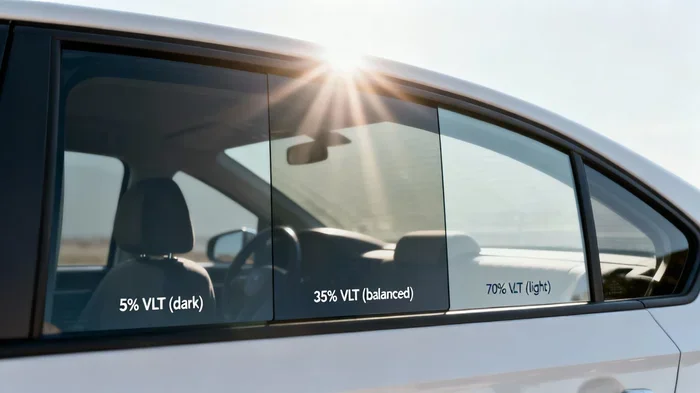
One thing that confuses many people is visible light transmission, or VLT. VLT measures how much visible light passes through the glass. Darker tints have lower VLT percentages. But here’s the key insight. VLT does not directly determine UV protection. A light tint film can still block 99% of UV rays if it’s made with the right materials.
So you don’t necessarily need the darkest tint to get the best UV blocking performance. Ceramic and carbon films are great examples. They offer excellent UV protection without making your windows too dark. This makes them a smart choice for people who want protection without sacrificing visibility.
Benefits of Auto Window Tinting Beyond UV Protection
UV protection is a huge reason to tint your windows. But it’s far from the only benefit. Once you install quality car window tinting, you’ll notice several other advantages that make the investment worthwhile.
Heat Rejection and Cabin Comfort
One of the most noticeable benefits is heat rejection. Tinted windows keep your car significantly cooler on hot days. Instead of walking into a scorching hot car, you’ll step into a comfortable cabin. This happens because the window tint film blocks a large portion of solar heat from entering through the glass.
Better heat rejection means less reliance on your air conditioning system. That can actually improve your fuel economy over time. During summer months, the difference can be dramatic. Some drivers report their cabin temperature dropping by 15 to 20 degrees after tinting. That’s a game-changer for comfort.
Glare Reduction for Safer Driving
Sun glare is a real safety hazard on the road. It can blind you momentarily and cause dangerous situations. Auto window tinting reduces glare significantly, making your driving experience safer and more comfortable. This is especially helpful during sunrise and sunset when the sun sits low.
Less glare also means less eye strain on long drives. If you frequently travel on highways or open roads, you know how tiring bright sunlight can be. Tinted windows help your eyes stay relaxed. Over a long road trip, this comfort difference really adds up.
Interior Protection and Preservation
Your car’s interior takes a beating from sun exposure every day. Dashboard materials crack and fade. Seat upholstery turns brittle and discolored. Even your steering wheel can become damaged and uncomfortable to touch. Window tinting acts as a shield that preserves your interior.
By blocking UV rays and reducing heat, tint film extends the life of your car’s cabin materials. This means your dashboard stays looking newer for longer. Your seats maintain their color and texture. Over the years, this preservation adds real value to your vehicle. It’s one of those benefits that most people don’t think about until it’s too late.
Privacy and Security
Let’s not forget the privacy factor. Tinted windows make it harder for people outside to see into your car. This protects your belongings from prying eyes. It also adds a layer of security because potential thieves can’t easily see what’s inside your vehicle.
For families, this privacy benefit is especially valuable. You can keep car seats, personal items, and valuables out of sight without pulling the curtains down. It’s a simple upgrade that makes your daily driving experience more private and secure.
Types of Window Tint Films for UV Protection
Not all window tint films are the same. Different types offer different levels of UV protection, heat rejection, and aesthetics. Understanding your options helps you make the best choice for your vehicle and your budget.
Dyed Window Tint
Dyed tint is the most affordable option. It uses layers of dye to absorb heat and reduce light transmission. Dyed films offer decent UV protection, usually blocking around 50% to 70% of UV rays. However, they tend to fade over time and may bubble with prolonged sun exposure.
If you’re on a tight budget, dyed tint is a starting point. But for the best UV protection, you’ll want to look at higher-quality options. The fading issue also means you’ll likely need replacement sooner than with premium films.
Metalized Window Tint
Metalized films contain tiny metallic particles that reflect heat and UV radiation. They offer stronger UV blocking than dyed films, often reaching 80% to 90% protection. Metalized tints also add strength to your windows, making them more shatter-resistant.
The downside is that metalized films can interfere with electronic signals. If you use GPS, Bluetooth, or keyless entry, you might notice some interference. They also tend to have a shiny, reflective appearance that some people find less attractive.
Carbon Window Tint
Carbon films are a popular middle-ground option. They don’t contain metal, so they won’t interfere with electronics. Carbon tint offers excellent UV protection, typically blocking 90% or more of harmful rays. The finish is matte, which many drivers prefer for its non-reflective look.
Carbon films also provide strong heat rejection without the metallic shine. They’re durable and resist fading better than dyed options. For most car owners looking for a balance of performance and appearance, carbon tint is an excellent choice.
Ceramic Window Tint
Ceramic tint is the premium option at the top of the market. It uses nano-ceramic particles to deliver the highest levels of UV protection and heat rejection. Ceramic films can block up to 99% of UV rays while maintaining excellent visibility.
They don’t interfere with electronics, they don’t fade, and they have a clean, non-reflective appearance. The downside is the price. Ceramic tint costs more than other options. But for the best UV blocking performance and long-term durability, it’s hard to beat. Think of it as an investment in your health and your car.
| Tint Type | UV Blocking | Heat Rejection | Durability | Price Range |
|---|---|---|---|---|
| Dyed | 50-70% | Moderate | Low to Medium | Budget |
| Metalized | 80-90% | High | Medium | Mid-Range |
| Carbon | 90%+ | High | High | Mid to High |
| Ceramic | Up to 99% | Very High | Very High | Premium |
Common Mistakes When Tinting for UV Protection
Even the best window tint film won’t deliver results if it’s installed incorrectly or chosen without care. Here are some common mistakes to avoid when getting your car tinted for UV protection.
Choosing Tint Based on Darkness Alone
Many people pick a tint shade without considering UV performance. Darker doesn’t always mean better UV protection. As we mentioned earlier, VLT and UV blocking are separate measurements. Always ask the installer about the film’s UV rejection rating before making a decision.
Ignoring Local Laws and Regulations
Every state has laws governing how dark your tint can be and which windows can be tinted. These rules vary widely. Some states allow very dark tints on rear windows but restrict front side windows. Others limit tint darkness across all windows. Ignoring these laws can lead to fines and even having your tint removed.
Before you schedule an installation, check your state’s tinted windows regulations. A reputable shop will know the local laws and help you choose a film that’s both effective and legal.
Skipping Professional Installation
DIY tint kits are tempting because they save money. But they often lead to bubbles, peeling, and uneven application. Poor installation reduces UV protection because gaps and imperfections let rays through. Professional installation ensures the film adheres properly and delivers its full UV protection potential.
Forgetting About Rear and Rear Window Tint
It’s easy to focus on the side windows and forget the rear glass. But your rear window and back doors are equally exposed to UV radiation. Tinting all windows gives you comprehensive cabin protection and a more consistent look.
How to Choose the Right Tint for Maximum UV Protection
Now that you know the options and common pitfalls, let’s talk about making the right choice. Choosing the best auto window tinting for UV protection comes down to a few key factors.
First, decide on your budget. Premium ceramic films deliver the best results but cost more. Carbon films offer excellent performance at a moderate price. Dyed films are affordable but less effective over time. Set a realistic budget and then look for films within that range that offer strong UV rejection ratings.
Second, consider your driving habits. If you spend a lot of time on the road, invest in higher-quality film. Your daily exposure adds up, and better protection pays for itself in health benefits. If you only drive occasionally, a mid-range carbon film might be the perfect balance.
Third, talk to a professional installer. A good shop will assess your vehicle, discuss your needs, and recommend the best film for your situation. They can also handle the legal requirements and ensure a flawless installation. Don’t be afraid to ask questions about UV blocking performance, warranty coverage, and expected durability.
Finally, don’t forget about maintenance. Proper care extends the life of your tint and keeps it performing at its best. Use gentle cleaning products and avoid abrasive materials. With good care, quality tint can last 10 years or more while maintaining its UV protection capabilities.
Quick Tips for Getting the Most Out of Your Tint
- Always ask for the film’s UV rejection percentage before purchasing.
- Choose ceramic or carbon for the best long-term UV protection.
- Make sure all windows are tinted for full cabin coverage.
- Avoid tinting your windows in direct sunlight, as it affects adhesion.
- Wait at least 3-5 days before rolling down your windows after installation.
- Clean your tinted windows with a soft cloth and ammonia-free cleaner.
- Check your state’s tint laws before scheduling the installation.
Conclusion
The answer to how effective auto window tinting is for UV protection is clear. When done with quality film and proper installation, it is extremely effective. Premium tint can block up to 99% of harmful UV rays, protecting your skin, your car’s interior, and your overall comfort on the road.
This isn’t just a cosmetic upgrade. It’s a health decision. The cumulative damage from UV exposure through car windows is real and well-documented. By investing in car window tinting, you’re taking a proactive step to protect yourself every time you drive. Whether you choose carbon or ceramic film, the benefits extend far beyond UV protection into heat rejection, glare reduction, interior preservation, and privacy.
Take the time to research your options, choose the right film, and work with a reputable installer. Your future self will thank you for the protection you gave your skin and your vehicle today. Auto window tinting is one of the simplest and most impactful upgrades you can make for your car and your health.
Frequently Asked Questions
Does auto window tinting really block 99% of UV rays?
Yes, but only with high-quality films like ceramic or premium carbon tint. Not all films deliver this level of protection. Always ask the installer for the specific UV rejection rating of the film they use. Cheap or low-quality films may only block a fraction of UV rays.
Can I get UV protection without darkening my windows?
Absolutely. Some window tint films are designed to block UV rays while maintaining high visible light transmission. Ceramic films are especially good at this. You get strong UV blocking performance without significantly darkening your windows or reducing visibility.
Is window tinting legal in all states?
Window tinting is legal in all states, but the rules vary. Each state sets limits on how dark your tint can be and which windows can be tinted. These rules are called tinted windows regulations. Always check your local laws before getting your windows tinted to avoid fines or legal issues.
How long does auto window tint last?
With proper care and quality installation, good tint can last 5 to 10 years or more. Ceramic films tend to last the longest because they resist fading and bubbling. Dyed films may need replacement sooner, typically within 3 to 5 years. Regular maintenance helps extend the life of any tint.
Will window tinting affect my car’s electronics?
It depends on the type of film. Metalized tints can interfere with GPS, Bluetooth, and keyless entry signals. Ceramic and carbon films do not cause this problem because they don’t contain metal. If you rely heavily on electronic features, choose a non-metallic film for worry-free performance.
How much does it cost to tint all car windows for UV protection?
The cost varies based on the film type and your vehicle. A full set of tinting with a good carbon or ceramic film typically costs between $200 and $500 for most passenger cars. Dyed films are cheaper, while premium ceramic tint costs more. Think of it as a one-time investment that pays off in health benefits and interior protection for years to come.