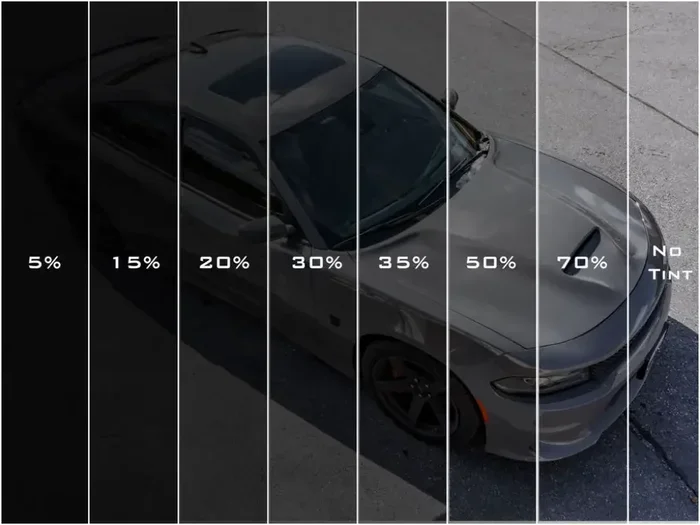
10 Percent Window Tint: Everything You Need to Know
10 percent window tint is a dark automotive film that blocks up to 90% of visible light, offering superior heat rejection, UV protection, and privacy. This guide covers everything from visible light transmission and legal limits to film types, installation costs, and common mistakes. You’ll learn whether a 10% tint is right for your car and how to stay compliant.
A 10 percent window tint is one of the darkest automotive films available. It allows only 10% of visible light to pass through your car windows. This creates a sleek, dark look that many car enthusiasts love. But it’s not just about aesthetics. A dark tint offers real benefits like heat rejection, UV protection, and privacy. If you are considering this option, you need to know the facts. This guide covers everything you need to make an informed decision.
Before you choose a tint shade, you must understand the legal side. Most states have strict rules about how dark your windows can be. A 10% tint is very dark and often illegal for front side windows. You also need to know the different types of film available. Each type performs differently and comes at a different price. This article breaks it all down in simple terms. Let’s dive into the world of 10 percent window tint.
Key Takeaways
- 10% VLT tint: Allows only 10% visible light in, creating a very dark look.
- Heat and UV protection: Blocks up to 99% of UV rays and rejects significant solar heat.
- Privacy and glare reduction: Enhances privacy and reduces eye strain from sun glare.
- Legal restrictions: 10% tint is illegal for front side windows in most states; check local laws.
- Film types: Ceramic, carbon, and dyed films each offer different performance and price points.
- Professional installation: Ensures bubble-free application and maintains warranty.
- Maintenance: Wait 3-5 days before rolling down windows to cure the film properly.
📑 Table of Contents
What Is 10 Percent Window Tint?
Understanding VLT and Tint Darkness
The darkness of a window tint is measured by its Visible Light Transmission (VLT) percentage. VLT tells you how much light the film lets through. A 10% VLT tint means only 10% of light passes through. The rest is blocked. This makes the interior of your car very dark. Even on a bright sunny day, the cabin will feel dim and cool.
To put it in perspective, a factory tint on new cars usually has a VLT of 15% to 26%. A 10% tint is darker than most factory options. It provides a much more dramatic look. But darkness is not the only factor. The type of film also matters a lot. A cheap dyed film might look dark but offer little heat rejection. A high-quality ceramic film can block heat while staying dark. Always look at both VLT and the film type before buying.
Quick Tip: Always check the VLT rating on the tint film packaging. A 10% VLT rating means 10% light transmission. Do not confuse this with the total amount of darkness you see from the outside.
Common Mistake: Many people confuse VLT with how dark the tint looks from the outside. A 10% VLT film can look slightly lighter or darker depending on the film type and the color of the glass. Always ask for a sample patch test before committing to a full 10% tint.
Expert Insight: A 10% tint can feel much darker on a sunny day because the film rejects heat. The interior stays cooler, and the reduced glare makes the cabin seem even darker. This is why ceramic and carbon films are popular for 10% applications.
Benefits of a 10 Percent Window Tint
Heat Rejection and UV Protection
One of the biggest reasons people tint their windows is to block heat. A 10 percent window tint can reject a significant amount of solar energy. This keeps your car cooler on hot days. Less heat means less reliance on your air conditioning. That can improve fuel efficiency over time.
UV protection is another major benefit. The sun’s ultraviolet rays can cause skin damage and fade your interior. A good quality tint blocks up to 99% of UV rays. This protects your skin and helps preserve your dashboard and seats. Even a dark tint that is not ceramic can offer decent UV blocking. But ceramic films provide the best of both worlds: darkness and high heat rejection.
Enhanced Privacy and Glare Reduction
A 10% tint gives you excellent privacy. People outside cannot easily see into your car. This is great for keeping valuables out of sight. It also reduces the glare from the sun and headlights at night. Less glare means less eye strain. You can drive more comfortably, especially on long road trips.
Glare reduction also improves safety. When the sun is low, it can blind you. A dark tint cuts through that glare and helps you see the road better. Just make sure your tint does not interfere with your view through the windshield. Many states require a clear strip at the top of the windshield for visibility.
Quick Tip: Combine a 10% tint with a UV-protective windshield to maximize comfort. This setup keeps your eyes safe and your car cool.
Common Mistake: Assuming darker tint always means better heat rejection. A dark dyed film may look black but let in a lot of heat. Always check the heat rejection rating, not just the VLT percentage.
Expert Insight: Ceramic tint is the top choice for 10% darkness because it does not fade or interfere with electronic signals. It offers the highest heat rejection and UV protection without changing the color of your windows.
Legal Considerations and Tint Laws
State-by-State Regulations
Window tint laws vary widely from state to state. In most places, a 10% tint is illegal for the front side windows. Many states require front side windows to have a VLT of at least 20% or 35%. The rear windows and back windshield often have fewer restrictions. You can usually tint them to 10% or even darker. Always check your local laws before getting a 10 percent window tint installed.
Some states allow darker tints if you have a medical exemption. Conditions like lupus or severe photosensitivity can qualify you for an exemption. You will need a doctor’s note and a special permit. This allows you to tint your front windows darker than the standard legal limit. Keep the exemption certificate in your glove box at all times.
Common Mistake: Assuming you can tint all windows to 10% just because it is legal on the back. If you get caught with illegal front tint, you could face a fine or be ordered to remove the film. Know the law for your specific state.
Can You Drive with 10% Tint?
Driving with a 10% tint on your front side windows is illegal in most states. Police officers often check tint darkness during traffic stops or safety inspections. If your tint is too dark, you may receive a citation. In some cases, you will be told to remove the tint before you can pass inspection. This can be costly and time-consuming.
If you live in a state that allows 10% tint on the rear windows, you still need to make sure your front windows meet the legal limit. The front windshield usually must have a clear or lightly tinted strip at the top. This strip cannot extend more than a few inches down the glass. Always ask your installer about the legal VLT for each window before you begin.
Quick Tip: Keep a copy of your state’s tint laws on your phone. If you are ever pulled over, you can quickly show the officer that your tint is within the legal limit.
Key Takeaways: Know your state’s VLT limits. A 10% tint is usually illegal for front side windows. Medical exemptions can help, but you need proper documentation. Always verify the legal VLT for each window before installation.
Types of Tint Films for 10 Percent Darkness
Ceramic vs. Carbon vs. Dyed Films
Not all tint films are created equal. When you choose a 10% tint, the type of film you pick matters a lot. There are three main types: ceramic, carbon, and dyed. Each has its own pros and cons. Let’s compare them side by side.
| Film Type | VLT Range | Heat Rejection | UV Blocking | Durability | Price Range |
|---|---|---|---|---|---|
| Ceramic | 5-10% | Excellent (up to 90%) | 99% | High (5-10 years) | $200-$500 per window |
| Carbon | 5-10% | Good (up to 75%) | 99% | High (5-8 years) | $150-$350 per window |
| Dyed | 5-10% | Average (up to 50%) | 90-95% | Low (2-4 years) | $50-$150 per window |
Ceramic film is the most expensive but offers the best performance. It blocks the most heat and does not fade over time. Carbon film is a great middle ground. It looks matte and provides strong heat rejection. Dyed film is the cheapest option. It darkens the glass effectively but offers the least heat rejection and durability. For a 10 percent window tint, ceramic or carbon is highly recommended.
Expert Insight: Ceramic tint is the top choice for 10% darkness because it does not fade or interfere with electronic signals. It offers the highest heat rejection and UV protection without changing the color of your windows.
Common Mistake: Choosing dyed film for a 10% tint because it is cheaper. Dyed film bubbles and peels faster, especially on dark shades. You will end up replacing it sooner, which costs more in the long run.
Quick Tip: Ask for a sample patch test before committing to a full 10% tint. Apply a small piece on a side window and check the color, heat rejection, and clarity over a few days.
Key Takeaways: Ceramic offers the best heat rejection and durability. Carbon is a strong, affordable alternative. Dyed film is cheap but fades and bubbles quickly. Always choose a film that matches your needs and budget.
Installation Process and Cost
DIY vs. Professional Installation
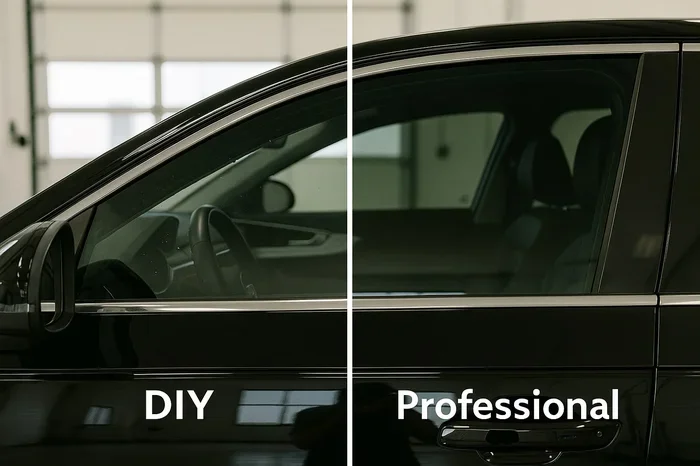
You can install a 10% tint yourself or hire a professional. DIY tint kits are available online for around $50 to $150. They come with a cut-to-size film and a spray solution. However, applying a dark tint like 10% is very challenging. It is easy to get bubbles, creases, or misaligned edges. A professional installer has the tools and experience to do it right the first time.
Professional installation typically costs between $200 and $500 per window. For a full car, you can expect to pay $200 to $800 depending on the film type and the number of windows. Ceramic film on all windows will be on the higher end. The cost is worth it for a bubble-free finish and a long-lasting warranty. Many professional installers offer a lifetime warranty on their work.
Quick Tip: Get a written warranty that covers bubbling, peeling, and discoloration. A good warranty gives you peace of mind and protects your investment.
Average Cost Breakdown
Here is a simple breakdown of what you can expect to pay for a 10 percent window tint:
- DIY Kit: $50 to $150 for a full set of pre-cut films. You save money but risk mistakes.
- Single Window Professional: $200 to $500 per window for ceramic or carbon film.
- Full Car Professional: $200 to $800 for all side windows and the back windshield.
- Additional Costs: Some shops charge extra for windshield tinting or complex curves.
Common Mistake: Skipping the curing period. After installation, do not roll down your windows for at least 3 to 5 days. The film needs time to bond fully to the glass. Rolling them down too soon can cause the film to peel or shift.
Expert Insight: A professional installer uses a heat gun to mold the film perfectly around window curves. This ensures a smooth, bubble-free finish that a DIY job cannot match.
Key Takeaways: Professional installation is recommended for 10% tint. It costs more but delivers a flawless result. Always ask for a warranty and avoid rolling down windows for several days after installation.
Common Problems and How to Avoid Them
Tint Bubbling and Peeling
Tint bubbling is one of the most common issues with dark films. It happens when moisture gets trapped under the tint. Poor adhesion is the main cause. Low-quality dyed films are especially prone to bubbling. They also peel and fade faster. To avoid this, choose a high-quality ceramic or carbon film and have it installed by a professional.
Another cause of bubbling is exposure to heat right after installation. If you leave your car in direct sunlight for days, the film can bubble. Always park in the shade or a garage for the first week. This gives the film time to cure properly without stress.
Common Mistake: Using ammonia-based glass cleaners on fresh tint. Ammonia breaks down the adhesive and causes bubbling and peeling. Always use an ammonia-free cleaner and a soft microfiber cloth.
Maintaining Your Tint
Proper maintenance can extend the life of your 10 percent window tint to 5-10 years or more. Here are some simple steps to keep your tint looking great:
- Wait at least 3-5 days before rolling down any windows.
- Clean the windows with a non-ammonia glass cleaner.
- Use a soft microfiber cloth or a lint-free squeegee.
- Avoid high-pressure car washes directly on the tinted windows.
- Park in the shade whenever possible to reduce heat stress.
Quick Tip: If you notice small bubbles forming within the first month, they often disappear as the film cures. Wait at least 30 days before assuming the tint is defective.
Expert Insight: A 10% tint can last 5-10 years with proper care. Ceramic films often come with a lifetime warranty. Even if the film does fail, a good warranty will cover the replacement cost.
Key Takeaways: Use ammonia-free cleaners and soft cloths. Avoid high-pressure sprays. Park in the shade during the curing period. These simple habits keep your 10% tint looking new for years.
Is 10 Percent Window Tint Right for You?
A 10 percent window tint is a great choice if you want maximum privacy, heat rejection, and a sleek dark look. It is perfect for car enthusiasts who want a custom, aggressive appearance. It also offers excellent UV protection, which is great for your skin and your car’s interior. However, you must be willing to deal with the legal restrictions. In most states, 10% tint is not allowed on the front side windows. You will need to keep your front windows lighter or apply for a medical exemption.
Cost is another factor. A high-quality ceramic 10% tint with professional installation can cost several hundred dollars. But the benefits often outweigh the cost. You get a cooler car, better privacy, and long-lasting durability. If you are on a tight budget, a carbon film is a solid alternative. It offers good performance at a lower price.
Before you make a decision, do your research. Check your state’s tint laws. Compare different film types. Get quotes from at least two or three installers. A 10 percent window tint can transform the look and feel of your car. Just make sure you choose the right film and the right installer. With the right approach, you will enjoy a darker, cooler, and more private ride for years to come.
Remember to maintain your tint properly. Clean it with the right products and avoid rolling down your windows too soon. A little care goes a long way. Now that you know everything about 10% window tint, you can make a confident choice. Apply what you have learned and enjoy the ride.
Frequently Asked Questions
Is 10 percent window tint legal for front doors?
In most states, a 10% tint on the front side windows is illegal. These windows usually must have a VLT of at least 20% or 35%. Check your local laws to see if you qualify for a medical exemption.
How much does a 10 percent window tint cost?
Professional installation typically costs $200 to $500 per window. A full car job ranges from $200 to $800. DIY kits are cheaper but may not look as professional.
Does 10 percent window tint block heat?
Yes, a 10% tint can block a significant amount of solar heat. Ceramic and carbon films offer the best heat rejection, keeping your car much cooler.
How long does 10 percent window tint last?
With proper care, a high-quality 10% tint can last 5 to 10 years. Ceramic films often come with a lifetime warranty. Dyed films may only last 2 to 4 years.
Can I roll down my windows after tinting?
Wait at least 3 to 5 days before rolling down your windows. This allows the film to cure fully and prevents peeling or shifting.
What is the difference between 10 percent and 20 percent tint?
A 10% tint allows only 10% light in, making it much darker than a 20% tint. A 20% tint is more common and often legal for front windows in many states.