Does a Hybrid Car Need to Be Driven Every Single Day
A hybrid car does not need to be driven every single day. Modern hybrid vehicles are designed to sit for days or even weeks without major issues. However, leaving a hybrid car unused for too long can affect battery health and fuel system performance. This article covers what happens when you don’t drive your hybrid, how often you should start it, and simple tips to keep your hybrid vehicle in great shape.
Key Takeaways
- Hybrid cars don’t need daily driving: They can sit for extended periods without breaking down.
- Battery health matters: The hybrid battery can slowly lose charge if the car isn’t used regularly.
- Fuel system issues can develop: Sitting too long may cause fuel degradation and tank moisture buildup.
- Plug-in hybrids need more attention: They rely more on battery charge than standard hybrids.
- Starting the car weekly helps: A short drive once a week keeps systems primed and healthy.
- Regenerative braking has limits: You can’t fully recharge the battery by just sitting in traffic.
- Simple maintenance habits go a long way: A few small steps prevent big problems down the road.
📑 Table of Contents
- Does a Hybrid Car Need to Be Driven Every Single Day?
- Why Hybrid Cars Are Better Than Conventional Cars for Infrequent Driving
- How Often Should You Drive a Hybrid Car?
- Common Problems When a Hybrid Car Sits Too Long
- Tips for Keeping Your Hybrid Car Healthy During Idle Periods
- Expert Insights on Hybrid Car Idle Time
- Key Takeaways
- Conclusion
Does a Hybrid Car Need to Be Driven Every Single Day?
Here is a question a lot of hybrid owners ask: does a hybrid car need to be driven every day? The short answer is no. You do not need to hit the road every single morning just to keep your hybrid vehicle happy. Unlike some older cars that needed constant use to stay in good shape, modern hybrids are built with smart technology that handles idle time well.
That said, a hybrid car is not completely maintenance-free when it sits. There are a few things you should know if you plan to leave your car in the driveway for a few days or even a couple of weeks. Understanding how your hybrid powertrain works helps you make smarter decisions about when and how often you drive.
In this guide, we will walk through everything you need to know. We will cover battery health, fuel system care, and simple habits that keep your hybrid car running smoothly. Whether you drive a self-charging hybrid or a plug-in hybrid, this article has you covered.
What Happens When You Don’t Drive Your Hybrid?
When a hybrid car sits unused, several things start to happen behind the scenes. None of them are instant disasters, but over time they can add up. Let us break down what actually happens.
Battery charge slowly drains. The hybrid battery powers the electric motor and supports the gas engine. When the car sits, this battery loses a small amount of charge each day. For most hybrid vehicles, this drain is very slow. You might not notice any problem for a week or more. But after two or three weeks, the battery may drop to a level where the car struggles to start.
Fuel can degrade. Gas sitting in the tank for weeks starts to break down. Old fuel can cause rough idling, poor acceleration, and even clogged fuel injectors. This is a real concern if you leave your hybrid car parked for a month or longer.
Tires lose air slowly. This happens with any car, not just hybrids. A hybrid vehicle is actually heavier than a conventional car because of the battery pack. That extra weight means tires lose pressure a bit faster when the car sits. Low tire pressure reduces fuel efficiency and can wear tires unevenly.
Fluids settle and can separate. Engine oil, brake fluid, and coolant all benefit from regular circulation. When you drive your hybrid car, the engine and electric motor warm up these fluids and keep them mixed properly. Sitting for too long lets them settle, which can reduce their effectiveness.
How Long Can a Hybrid Car Sit Without Driving?
Most hybrid vehicles can sit for about two weeks without any real issues. Some owners report their hybrid car starting fine after sitting for three or even four weeks. But that does not mean you should make a habit of it.
The real limit depends on a few factors:
- Battery type: A plug-in hybrid has a larger battery that drains faster than a standard self-charging hybrid.
- Age of the car: Older hybrid vehicles may have weaker batteries that lose charge faster.
- Climate: Cold weather speeds up battery drain. Hot weather can affect fuel quality.
- How full the gas tank is: A full tank reduces moisture buildup inside the fuel system.
As a rule of thumb, try not to let your hybrid car sit for more than 10 to 14 days without starting it. If you know you will be away for a month, take a few extra steps to protect the vehicle.
Why Hybrid Cars Are Better Than Conventional Cars for Infrequent Driving
One big advantage of owning a hybrid car is that it handles idle time better than a traditional conventional car. Here is why.
Regenerative braking helps. When you do drive your hybrid vehicle, the regenerative braking system recovers energy and sends it back to the battery. This means even short trips help keep the hybrid battery partially charged.
The electric motor can start the car. Many hybrid cars use the electric motor to crank the engine. This is gentler on the starter motor compared to a standard gasoline engine. So even after sitting for a while, your hybrid car may start more reliably.
Less reliance on the gas engine. A hybrid vehicle can run on electric power alone at low speeds. This means the gas engine does not need to run every time you turn the key. Less engine running means fewer trips to the gas station and less fuel degradation.
Still, this does not mean you should ignore your hybrid car for months. The electric motor and battery need regular use to stay in top condition. Think of it like a phone battery. If you never use it, the capacity slowly declines over time.
How Often Should You Drive a Hybrid Car?
If you are not driving your hybrid car every day, how often should you take it out? The answer depends on your driving habits and the type of hybrid you own.
The Weekly Drive Rule
A good habit is to drive your hybrid vehicle at least once a week. Even a 15-minute trip around the block does the job. Here is what that weekly drive helps with:
- Recharges the hybrid battery: The electric motor gets some energy back through regenerative braking.
- Circulates engine fluids: Oil, coolant, and brake fluid all get warmed up and redistributed.
- Keeps the fuel fresh: Burning some old gas and replacing it with new fuel prevents degradation.
- Maintains tire pressure: Driving warms up the tires and helps them hold pressure better.
- Keeps the 12-volt battery alive: The smaller 12-volt battery that powers the car’s electronics needs a charge too.
Short Trips vs. Long Drives
Many hybrid car owners wonder whether short trips count. The answer is yes, but with a caveat. Short trips under 10 minutes are good for keeping the hybrid battery partially charged. However, they do not fully recharge it. The electric motor in a hybrid vehicle needs sustained driving at higher speeds to really replenish the battery.
For the best hybrid battery health, try to include at least one longer drive each week. A 30-minute highway trip is ideal. It gives the electric motor and gas engine time to work together and fully recharge the battery pack.
Plug-in Hybrids Need More Attention
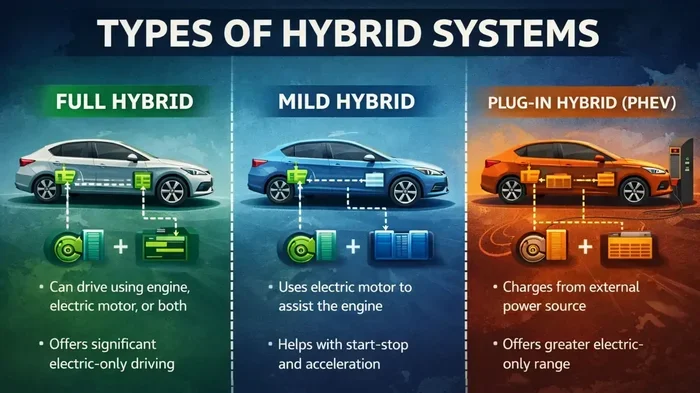
If you own a plug-in hybrid, the rules are a bit different. A plug-in hybrid relies more heavily on its battery for daily driving. The electric range can be anywhere from 20 to 50 miles depending on the model. When you do not drive a plug-in hybrid regularly, the battery sits at a low charge level for longer periods.
Over time, this can lead to battery degradation. The lithium-ion cells in a plug-in hybrid prefer to be kept between 20% and 80% charge. Letting the battery sit at near-empty for weeks is not great for long-term hybrid battery health.
If you have a plug-in hybrid and cannot drive daily, at least plug it in every few days. Even a short charging session helps maintain the right battery charge level and keeps the cells healthy.
Common Problems When a Hybrid Car Sits Too Long
Leaving any car unused for too long can cause problems. But hybrid vehicles have a few specific issues you should watch out for.
Hybrid Battery Failure
This is the biggest concern. The hybrid battery is the heart of the hybrid powertrain. When the car sits for weeks, the battery slowly loses voltage. If it drops too low, the battery management system may lock the hybrid system entirely. You will not be able to start the car until the battery is recharged or replaced.
Replacing a hybrid battery is expensive. Costs can range from $1,500 to $4,000 depending on the vehicle model. This is why keeping the battery charged matters so much.
Fuel System Issues
Old fuel is a silent killer. When gas sits in the tank for more than a month, it starts to oxidize. The ethanol in modern gasoline attracts moisture, which can cause corrosion inside the fuel lines and injectors. For a hybrid car that sits often, this is a real risk.
Symptoms of bad fuel include:
- Rough or shaky idle
- Difficulty starting the engine
- Reduced fuel efficiency
- Engine stalling
Tire Flat Spots
Hybrid vehicles tend to be heavier than their gas-only counterparts. All that extra weight sitting on the tires for weeks can cause flat spots. You might feel a vibration when you first start driving. Usually, a short drive warms the tires up and the flat spot goes away. But repeated long periods of sitting can cause permanent tire damage.
12-Volt Battery Drain
Every hybrid car has a small 12-volt battery that powers the lights, computer, and other electronics. When the car sits, this small battery slowly drains. If it dies completely, you will not be able to start the hybrid vehicle even if the main hybrid battery is fully charged. This is a very common issue with cars that sit idle for too long.
Tips for Keeping Your Hybrid Car Healthy During Idle Periods
If you know you will not be driving your hybrid car for a while, you can take steps to protect it. These simple habits make a big difference.
Start the Car Once a Week
Even if you do not plan to go anywhere, start the hybrid vehicle once a week. Let it idle for at least 10 to 15 minutes. This allows the engine to warm up, the fluids to circulate, and the hybrid battery to receive a small charge from the gas engine.
Quick Tip: Do not just turn the key to the accessory position. Actually drive the car for at least a few minutes if possible. The regenerative braking system only works when the wheels are turning.
Keep the Gas Tank Full
A full tank reduces the air space inside, which means less moisture can build up. Moisture in the fuel tank leads to corrosion and fuel system problems. Before a long idle period, fill up the tank completely. This is one of the easiest and most effective hybrid car maintenance tips.
Plug In Your Plug-in Hybrid
If you have a plug-in hybrid, keep it plugged in whenever you can. The onboard charger will maintain the battery charge level at a healthy range. Just make sure you are not leaving it plugged in at a full charge for weeks on end, as that can also stress the battery.
Use a Battery Tender
A battery tender is a small device that plugs into your car’s 12-volt outlet and keeps the battery charged at a safe, low level. It is especially useful if you know your hybrid car will sit for more than two weeks. Battery tenders are inexpensive and can save you from a dead battery surprise.
Check Tire Pressure Before Driving
Tires lose about one pound per square inch of pressure per month, even when the car is not driven. Before you take your hybrid vehicle out after a period of sitting, check the tire pressure. Inflate them to the recommended level listed on the driver’s side door jamb.
Expert Insights on Hybrid Car Idle Time
What do hybrid experts say? Most automotive professionals agree that a hybrid car can handle short periods of inactivity better than a traditional gasoline car. The electric motor and regenerative braking system do a lot of the heavy lifting when it comes to keeping things running smoothly.
However, experts also warn against treating a hybrid vehicle like an electric car that never needs to move. Even electric vehicles benefit from regular use. The key difference is that a hybrid car has a gas engine backup, which gives it more flexibility during idle periods.
According to hybrid technicians, the most common mistake owners make is assuming the car can just sit forever. Hybrid battery health depends on regular charge cycles. The electric motor and gas engine both benefit from being used. Think of your hybrid vehicle like a human body. It needs regular movement to stay in good shape.
Key Takeaways
- Hybrid cars do not need daily driving: They can sit for days or even weeks without major issues.
- Battery health depends on use: The hybrid battery slowly loses charge when the car sits idle.
- Fuel degrades over time: Old fuel can clog injectors and cause rough running.
- Plug-in hybrids need more attention: They rely heavily on battery charge and need regular plugging in.
- Drive at least once a week: Even a short trip keeps all systems functioning properly.
- Start the car weekly if not driving: Letting it idle for 10 to 15 minutes helps circulate fluids and charge the battery.
- Simple habits prevent expensive repairs: A little maintenance goes a long way toward avoiding hybrid battery replacement costs.
Conclusion
So, does a hybrid car need to be driven every single day? No, it does not. But it does need regular use to stay healthy and perform at its best. A hybrid vehicle is more forgiving than a conventional car when it comes to idle time, but it is not invincible.
The hybrid battery, fuel system, tires, and 12-volt battery all benefit from being used on a regular basis. If you can drive your hybrid car at least once a week, you are doing great. If not, following the tips in this guide will help you protect your investment and avoid costly repairs.
Whether you drive a self-charging hybrid or a plug-in hybrid, the message is the same. Keep the car moving, keep the battery charged, and keep the fuel fresh. Your hybrid vehicle will reward you with years of reliable, efficient driving. Start building these habits today, and your hybrid car will stay in excellent shape for the long haul.
Frequently Asked Questions
Can I leave my hybrid car sitting for a month?
You can, but it is not ideal. After two weeks, the hybrid battery may drop to a low level, and the fuel can start to degrade. If you must leave your hybrid car for a month, fill the tank, plug in a battery tender, and start the car at least once a week for 15 minutes.
Will my hybrid car battery die if I don’t drive it?
The hybrid battery will slowly lose charge over time, but it will not die immediately. Most hybrid vehicles can go about two weeks without driving before the battery drops to a problematic level. After a month, you may have trouble starting the car.
How do I keep my hybrid battery healthy when I don’t drive often?
Drive the car at least once a week for 15 to 20 minutes. If that is not possible, start the engine and let it idle for 10 minutes. For plug-in hybrids, keep the car plugged in to maintain the battery charge level between 20% and 80%.
Is it bad for a hybrid car to only take short trips?
Short trips are not bad, but they are not ideal either. The hybrid battery gets partially recharged through regenerative braking, but it does not fully recharge on short trips. Try to include at least one longer drive each week for best hybrid battery health.
Do I need to plug in a self-charging hybrid?
No. A self-charging hybrid does not need to be plugged in. It charges the hybrid battery through the gas engine and regenerative braking. You only need to plug in a plug-in hybrid to recharge the larger battery pack.
What happens if I don’t drive my hybrid car for weeks?
After several weeks of not driving, you may experience a drained 12-volt battery, degraded fuel, low hybrid battery charge, and flat spots on the tires. These issues are preventable with simple habits like starting the car weekly and keeping the gas tank full.
=== QUICK SUMMARY ===
A hybrid car does not need to be driven every single day. Modern hybrid vehicles are designed to sit for days or even weeks without major issues. However, leaving a hybrid car unused for too long can affect battery health and fuel system performance. This article covers what happens when you don’t drive your hybrid, how often you should start it, and simple tips to keep your hybrid vehicle in great shape.