Upgrade Your Car Front LED Lights for Brighter Night Rides
Upgrading your car front LED lights is one of the smartest moves you can make for safer night driving. LED headlights offer better brightness, longer lifespan, and lower energy use than traditional bulbs. In this guide, we walk you through everything from choosing the right LED headlight kit to installation steps and top picks for 2024.
Driving at night can be stressful. Dark roads, poor lighting, and aging headlights make every trip feel risky. If you have ever squinted behind the wheel and wished for better car front LED lights, you are not alone. Millions of drivers face the same problem every evening.
The good news is that upgrading your headlights is easier than you think. LED headlights have changed the game for automotive lighting. They are brighter, last longer, and use less energy than old-school halogen bulbs. Whether you drive a sedan, truck, or SUV, a headlight upgrade can transform your night driving experience in just one afternoon.
In this guide, we will cover everything you need to know about car front LED lights. From understanding how they work to picking the right kit and installing it yourself, we have you covered. Let us dive in and make your rides safer and sharper.
Key Takeaways
- Brighter Night Rides: LED headlights dramatically improve road visibility and make driving at night safer and more comfortable.
- Long-Lasting Performance: Car front LED lights can last up to 30,000 hours, far outlasting halogen bulbs.
- Energy Efficient:LED bulbs use less power and put less strain on your vehicle’s electrical system.
- Easy Installation:Most LED headlight conversion kits are plug-and-play and can be installed at home.
- Better Color Temperature:LEDs offer a clean white light that reduces eye fatigue during long drives.
- Legal Considerations Matter:Always check local laws before upgrading to make sure your new lights meet regulations.
📑 Table of Contents
- Why Car Front LED Lights Matter for Night Driving
- Types of Car Front LED Lights You Should Know
- How to Choose the Best LED Headlights for Your Car
- Installing Car Front LED Lights: A Step-by-Step Guide
- Benefits of Upgrading to LED Headlights
- Common Mistakes to Avoid When Upgrading LED Headlights
- Expert Tips for Getting the Most Out of Your LED Headlights
- Top LED Headlight Kits Worth Considering in 2024
- Conclusion: Make the Switch to Brighter LED Headlights Today
Why Car Front LED Lights Matter for Night Driving
Most drivers spend a significant amount of time on the road after dark. Whether you commute, travel long distances, or run errands at night, your headlights are your first line of defense. Poor lighting means poor visibility. And poor visibility means more danger.
Traditional halogen bulbs have been the standard for decades. They work, but they have clear limitations. They produce a yellowish glow that fades quickly over distance. They also generate a lot of heat and waste energy. Over time, the filament inside a halogen bulb weakens, and the light output drops even further.
LED headlights solve these problems. They produce a bright white light that closely mimics daylight. This makes it easier to spot obstacles, pedestrians, and road signs from farther away. The improved driving visibility alone is worth the upgrade for most drivers.
The Science Behind LED Headlight Brightness
LED stands for Light Emitting Diode. Unlike halogen bulbs that heat a filament until it glows, LEDs produce light through a semiconductor process. This means they generate very little wasted heat. Nearly all the energy goes into producing light.
The result is a much higher light output measured in lumens. A typical halogen headlight produces around 1,000 to 1,500 lumens per bulb. A quality LED headlight bulb can deliver 3,000 to 6,000 lumens or more. That is a massive jump in brightness level that makes a real difference on dark roads.
The color temperature of LEDs also plays a role. Measured in Kelvin, most car front LED lights fall between 5,000K and 6,500K. This range produces a clean white light that is easy on the eyes and provides excellent contrast against the road surface. It cuts through fog, rain, and dust better than the warm yellow light of halogen bulbs.
Types of Car Front LED Lights You Should Know
Not all LED headlights are the same. Before you buy a LED conversion kit, it helps to understand the different types available on the market. Each type has its own strengths and best use cases.
Single Beam LED Bulbs
Single beam bulbs are the most straightforward option. They handle either the low beam or the high beam, but not both. If your vehicle uses separate bulbs for each function, single beam LEDs are a clean and simple choice.
These bulbs are often more affordable than their dual beam counterparts. They also tend to have a simpler design, which can mean better heat dissipation. For many drivers, single beam LED headlights provide the best balance of performance and price.
Dual Beam LED Bulbs
Dual beam bulbs handle both low and high beam functions in a single unit. They are ideal for vehicles that use one bulb per side for both lighting modes. These bulbs typically include an internal mechanism that shifts the bulb position to switch between beams.
Dual beam LED bulb designs have improved a lot in recent years. Early models sometimes struggled with beam pattern accuracy, but newer versions offer excellent cut-off lines and proper light distribution. Look for kits with a well-designed reflector or projector housing for the best results.
Complete LED Headlight Assembly
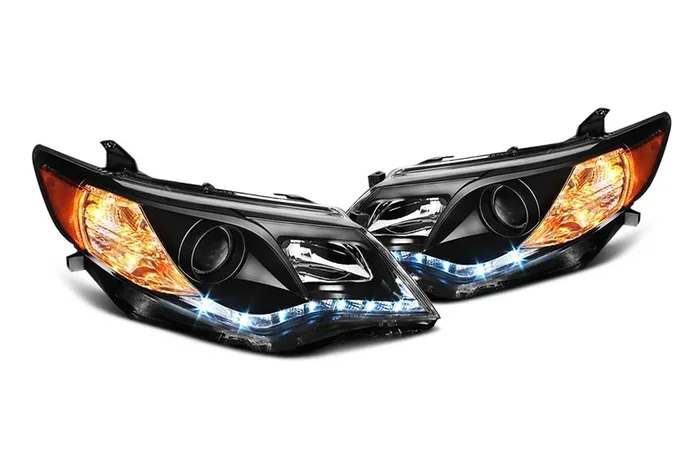
Some drivers prefer to replace the entire headlight assembly rather than just the bulb. Complete LED assemblies come as a full unit with built-in LED panels or modules. They offer the most refined beam patterns and the cleanest modern look.
The downside is cost. A full LED assembly can be significantly more expensive than a conversion kit. However, the installation is usually simpler because you just swap out the old unit for the new one. This option is popular for luxury vehicles and restomod projects.
How to Choose the Best LED Headlights for Your Car
Picking the right car front LED lights can feel overwhelming with so many options available. But a few key factors can help you narrow down the choices and find the perfect fit for your vehicle.
Check Your Vehicle Compatibility
Not every LED bulb fits every vehicle. Before shopping, check your owner’s manual for the bulb type your car uses. Common types include H1, H4, H7, H11, 9005, and 9006. Each vehicle model may use different sizes for low and high beams.
Also consider the space inside your headlight housing. Some LED bulbs are bulkier than halogen bulbs and may not fit properly. Look for kits that list your specific vehicle model as compatible. A proper fit ensures the best beam pattern and avoids glare for oncoming drivers.
Look at Lumens and Color Temperature
Lumens measure the total light output. Higher lumens mean brighter light. But brightness alone does not tell the whole story. A bulb with 8,000 lumens but a poor beam pattern may actually blind other drivers and reduce your own visibility.
Color temperature affects the look and feel of the light. Lower Kelvin values (around 4,300K to 5,000K) produce a warm white light with good penetration in fog and rain. Higher values (6,000K and above) give a cool blue-white look that looks modern but may not perform as well in adverse weather.
For most drivers, a color temperature between 5,000K and 6,000K strikes the best balance. It provides excellent road illumination with a clean, natural white appearance.
Consider Heat Management
LED headlights run cooler than halogen bulbs, but they still generate heat at the base. Poor heat management can lead to early failure and reduced light output over time.
Look for bulbs with built-in cooling fans or aluminum heat sinks. These features help dissipate heat and extend the lifespan of the LED bulb. A well-designed thermal system is a sign of a quality product that will last.
Read Reviews and Brand Reputation
Not all LED headlight brands are created equal. Some manufacturers cut corners and sell subpar products that fail quickly or produce inconsistent light patterns. Stick with reputable brands that have strong customer reviews and solid warranty policies.
Popular and trusted brands in the automotive lighting space include brands like Sealights, Auxbeam, and BeamTech. Reading real user reviews gives you insight into actual performance, not just marketing claims.
Installing Car Front LED Lights: A Step-by-Step Guide
One of the best things about upgrading to car front LED lights is how easy the installation process usually is. Most LED conversion kits are designed for a simple plug-and-play setup. You do not need to be a mechanic to get the job done.
What You Will Need
Before you start, gather these basic tools and materials:
- LED headlight bulb kit (matched to your vehicle’s bulb type)
- A Phillips and flathead screwdriver
- Latex or nitrile gloves (to avoid touching the glass with bare hands)
- A clean microfiber cloth
- A small flashlight or phone light
Step-by-Step Installation Process
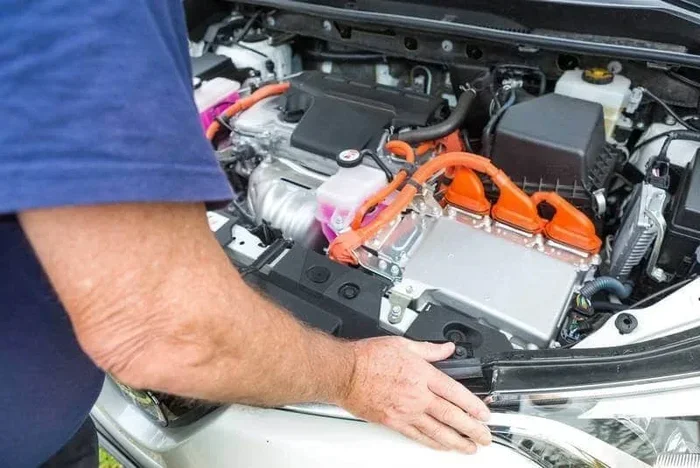
Step 1: Turn off your vehicle and let the engine cool. Never work on headlights while they are hot. Open the hood and locate the back of the headlight assembly.
Step 2: Disconnect the electrical connector from the back of the old halogen bulb. There is usually a plastic clip or twist-lock mechanism holding it in place. Press or release it carefully.
Step 3: Remove the old bulb. There is typically a spring-loaded metal clip that holds the bulb in place. Press the clip inward and pull the bulb straight out. Be gentle and avoid touching the glass of the new LED bulb with your bare hands. Oils from your skin can create hot spots and shorten the bulb’s life.
Step 4: Install the new LED bulb. Insert it into the socket in the same orientation as the old bulb. Make sure it sits securely. Reattach the spring clip to hold it in place.
Step 5: Reconnect the electrical connector. Push it firmly until you hear it click. Double-check that it is fully seated.
Step 6: Test the lights. Turn on your vehicle and switch between low beam and high beam. Make sure both LEDs light up properly. If one bulb does not work, try reversing it 180 degrees and reinserting it.
Step 7: Adjust the aim if needed. Some LED bulbs may sit slightly differently than halogen bulbs, which can affect the beam direction. Park your car about 25 feet from a wall and check the light pattern. Adjust the vertical aim screws on the headlight housing if the beam is too high or too low.
Common Installation Mistakes to Avoid
Here are a few pitfalls that trip up first-time installers:
- Forgetting to wear gloves, which can cause premature bulb failure.
- Not checking for clearance inside the housing before installing the new bulb.
- Skipping the aim adjustment, which can blind oncoming traffic and reduce your own visibility.
- Ignoring the fan orientation, making sure the cooling fan faces upward for proper airflow.
Benefits of Upgrading to LED Headlights
The decision to upgrade your car front LED lights comes with a long list of real-world benefits. Let us look at why so many drivers are making the switch.
Superior Visibility and Safety
This is the number one reason to upgrade. Better forward visibility means you can see hazards, curves, and pedestrians much sooner. Studies have shown that white LED light improves reaction time compared to the warm glow of halogen bulbs. When you can see more, you can react faster, and that can save lives.
Longer Lifespan
A good halogen headlight bulb lasts around 500 to 1,000 hours. A quality LED headlight can last 25,000 to 30,000 hours or more. That means you may never have to replace your headlights again for the life of the vehicle. Over time, this saves you money on replacement bulbs and the hassle of frequent changes.
Energy Efficiency
LEDs draw significantly less power than halogen bulbs. A halogen bulb might draw 55 to 65 watts per side, while an LED bulb typically draws 20 to 40 watts. This reduces the load on your vehicle’s electrical system and can even contribute to slightly better fuel economy over time.
Modern Aesthetic Appeal
Let us not forget looks. LED headlights give your vehicle a modern, sleek appearance. The crisp white light looks striking and professional. Many car manufacturers now offer LED lighting as a standard or premium feature because customers love the look and feel.
Common Mistakes to Avoid When Upgrading LED Headlights
While upgrading to car front LED lights is a great idea, there are some common mistakes that can ruin the experience. Avoid these pitfalls to get the best results.
Buying the cheapest kit you can find. Bargain LED bulbs often use low-quality components that fail quickly or produce poor light patterns. You get what you pay for in most cases. Invest in a reputable brand with solid reviews and a good warranty.
Ignoring local laws and regulations. Some jurisdictions have strict rules about headlight brightness, color temperature, and beam pattern. Upgrading to an overly bright or improperly aimed LED kit can result in a failed inspection or even a ticket. Always make sure your setup complies with local automotive lighting regulations.
Skipping the anti-flicker module. Some vehicles, especially European models, may experience flickering or error messages after installing LED bulbs. A simple LED decoder or CANBUS decoder can fix this issue. Most quality LED conversion kits include one, but it is worth checking before you buy.
Not testing the lights before final installation. Always test your new LED bulbs with the hood open before fully reassembling everything. This way, if something is wrong, you can fix it easily without disassembling everything again.
Expert Tips for Getting the Most Out of Your LED Headlights
Want to squeeze every bit of performance from your new car front LED lights? Here are some pro tips that make a real difference.
Clean Your Headlight Lenses Regularly
Even the best LED headlights will underperform if the lenses are cloudy or dirty. Oxidized plastic lenses can reduce light output by 20% or more. Use a headlight restoration kit or a simple mix of baking soda and vinegar to bring clarity back to your lenses.
Pair LED Bulbs with Quality Reflectors
The bulb is only half the equation. The reflector or projector inside your headlight housing shapes the beam pattern. If your housing is damaged or poorly designed, even the best LED bulb will not perform well. Consider upgrading to a projector housing if your current reflector setup is lacking.
Check Your Wiring
Older vehicles may have corroded or thin wiring that cannot handle the full performance of LED bulbs. If you notice flickering or dimming, have your wiring inspected. Upgrading to thicker, cleaner wiring can improve light output and reliability.
Perform a Monthly Check
Make it a habit to check both headlights once a month. Look for dimming on one side, condensation inside the housing, or physical damage. Catching problems early keeps your night driving safe and your lights performing at their best.
Top LED Headlight Kits Worth Considering in 2024
If you are ready to pull the trigger on an upgrade, here are a few standout options in the LED headlight kit market right now.
Sealights H11 LED Kit: This kit delivers around 12,000 lumens per pair with a slim design that fits most vehicles easily. It includes a built-in cooling fan and a CANBUS decoder for plug-and-play compatibility.
Auxbeam H4 LED Kit: A popular choice for dual beam applications. The Auxbeam H4 produces a well-defined beam pattern with excellent road illumination. It is a great option for drivers who want both low and high beam performance from a single bulb.
BeamTech 9005 LED Bulb: Known for its high output and reliable build quality. The 9005 size fits many popular vehicles and provides a clean, focused beam that cuts through the dark effectively.
When comparing options, always look at real-world test results rather than just the manufacturer’s claims. Independent reviews and user feedback give you a much clearer picture of actual performance.
Conclusion: Make the Switch to Brighter LED Headlights Today
Upgrading your car front LED lights is one of the most impactful and affordable improvements you can make to your vehicle. The benefits are immediate and lasting. You get brighter roads, better visibility, lower energy consumption, and a modern look that turns heads.
Whether you choose a simple LED conversion kit or a full LED headlight assembly, the process is straightforward and the results are impressive. With the right kit and a little patience, you can have professional-quality LED headlights installed in under an hour.
Do not wait until your old bulbs burn out or your visibility gets worse. Take action today. Upgrade your car front LED lights and enjoy every night drive with confidence, clarity, and safety. Your eyes and your passengers will thank you.
Frequently Asked Questions
Are car front LED lights legal?
In most places, LED headlights are legal as long as they meet brightness and beam pattern regulations. However, laws vary by country, state, and province. Always check your local regulations before installing aftermarket LED headlights to avoid fines or failed inspections.
How long do LED headlight bulbs last?
Quality LED headlight bulbs typically last between 25,000 and 30,000 hours. That is roughly 10 to 15 years of normal driving. This is dramatically longer than halogen bulbs, which usually last 500 to 1,000 hours.
Can I install LED headlights myself?
Absolutely. Most LED conversion kits are designed for DIY installation. The process is similar to changing a regular bulb and usually takes 20 to 30 minutes per side. Just make sure to wear gloves and follow the steps carefully.
Do LED headlights work in fog and rain?
Yes, but with some caveats. LEDs with a lower color temperature around 4,300K to 5,000K tend to penetrate fog and rain better than high-Kelvin bulbs. The clean white light of quality car front LED lights provides good visibility in most weather conditions.
Will LED headlights fit my vehicle?
Most vehicles can be fitted with LED headlights using a conversion kit. Check your owner’s manual for the bulb type and make sure the kit you choose lists your vehicle as compatible. If you are unsure, many brands offer vehicle-specific fitment guides on their websites.
Do LED headlights need a decoder or CANBUS module?
Some vehicles, especially European models, require a CANBUS decoder to prevent error messages or flickering after installing LED bulbs. Many quality LED conversion kits include one in the package. If yours does not, you can purchase one separately for a few dollars.