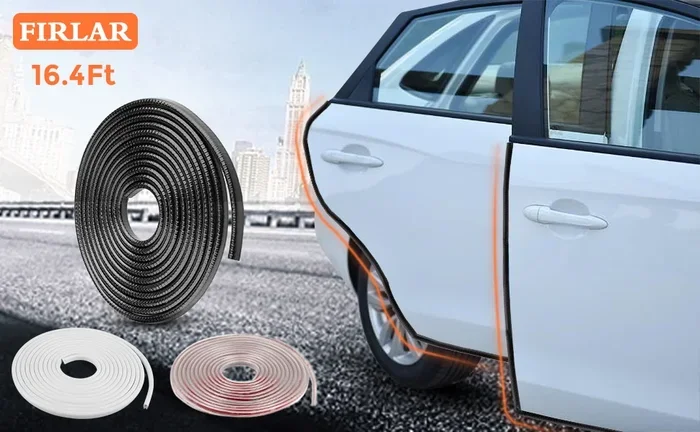
The Best Car Door Edge Protector for Your Vehicle
A car door edge protector is one of the simplest and most effective ways to shield your vehicle from unsightly scratches, dents, and paint damage. Whether you park in a tight garage or deal with daily door dings from other cars, the right car door edge protector keeps your paint job looking brand new. In this guide, we break down the best options, installation steps, and pro tips to help you choose the perfect car door edge guard for your ride.
This is a comprehensive guide about car door edge protector.
Key Takeaways
- Types matter: Rubber, vinyl, and PPF each offer different levels of protection and durability for your car door edges.
- Installation is easy: Most car door edge protector kits come with adhesive backing and can be installed at home in under an hour.
- Right fit is crucial: Choosing a protector that matches your vehicle’s make and model ensures maximum coverage and effectiveness.
- Maintenance extends life: Simple cleaning and periodic inspection keep your door edge guard performing well for years.
- Common mistakes to avoid: Installing on dirty surfaces, skipping prep work, and choosing cheap materials are the top errors people make.
- Protection goes beyond looks: A quality vehicle door edge guard also preserves resale value by preventing paint chipping and rust.
[FEATURED_IMAGE_PLACEHOLDER]
Why Your Car Needs a Door Edge Protector
Every time you open or close a car door, the edges take a beating. Over time, those small impacts add up. Scratches, chips, and dents start to show. A car door edge protector acts as a sacrificial shield. It absorbs the damage instead of your expensive paint job.
Think about your daily routine. You pull into a parking lot. Another car is parked too close. You open your door and hear that awful scrape. Without a door edge guard, that scrape becomes a permanent mark. With the right protection, the guard takes the hit and you stay worry-free.
But it is not just about parking situations. Car washes, tight garage spaces, kids playing near your vehicle, and even shopping carts can cause damage. A vehicle door edge protector handles all of these threats quietly in the background. You barely notice it is there, but it is always working.
The Hidden Cost of Door Edge Damage
Many car owners underestimate how much door edge damage costs. A small scratch might seem harmless at first. But exposed paint chips quickly. Moisture gets in. Rust starts to form. What began as a simple scratch can turn into a costly repair bill.
Body shops charge hundreds of dollars for paint touch-ups and rust repair. A quality car door edge protector costs a fraction of that. It is one of the smartest investments you can make for your vehicle. The money you save on repairs alone makes it worth every penny.
Preserving Your Car’s Resale Value
Here is something most people forget. When you sell your car, the condition of the paint matters a lot. Buyers and dealers look at door edges closely. Scratched or chipped edges signal neglect. A clean, protected finish suggests the car was well maintained.
Installing a automotive door protector helps you hold onto that resale value. Even a small improvement in appearance can translate to hundreds of dollars more at sale time. It is a small upfront cost with a big return.
Types of Car Door Edge Protectors Available
Not all car door edge protectors are the same. Different materials offer different benefits. Your choice depends on your budget, driving habits, and how much protection you need. Let us walk through the most popular options.
Rubber Door Edge Guards
Rubber guards are the most common type on the market. They are flexible, affordable, and easy to install. Most come as strips with adhesive backing. You peel, stick, and done.
Rubber door edge strip products work well for everyday protection. They handle minor bumps and scratches effectively. The downside is that they can peel off over time, especially in extreme heat or cold. Higher-quality rubber brands last much longer than budget options.
Vinyl Edge Protectors
Vinyl protectors offer a step up in durability. They are thicker than rubber and resist peeling better. Many vinyl car door edge cover products come in black or body-color options. This lets you match your vehicle’s paint for a seamless look.
Vinyl also holds up well against UV rays. If you live in a sunny climate, this is a strong choice. Installation is similar to rubber. The adhesive is usually stronger and more reliable.
Paint Protection Film (PPF) Edge Kits
For maximum protection, consider PPF edge kits. These use the same clear film technology applied to full vehicle wraps. The film is nearly invisible but incredibly tough.
A door edge protection film kit requires more precision during installation. But once applied, it lasts for years. It resists scratches, chips, and even chemical damage. This option is ideal for owners who want the highest level of defense without changing the look of their car.
Metal or Plastic Trim Protectors
Some car door edges come with built-in metal or plastic trim. You can add reinforced vehicle door edge guard pieces over existing trim. These are common on trucks and SUVs. They add a rugged look while providing solid impact resistance.
Comparison Table: Which Type Is Right for You?
| Type | Durability | Ease of Installation | Price Range | Best For |
|---|---|---|---|---|
| Rubber Guard | Moderate | Very Easy | $10-$30 | Daily commuter, budget-friendly |
| Vinyl Protector | High | Easy | $20-$50 | UV-heavy climates, longer life |
| PPF Film Kit | Very High | Moderate | $50-$150 | Maximum protection, long-term use |
| Metal/Plastic Trim | Very High | Moderate | $30-$80 | Trucks, SUVs, rugged look |
How to Choose the Right Car Door Edge Protector
Choosing the right car door edge protector does not have to be complicated. A few key factors will guide your decision. Keep these in mind as you shop.
Match the Protector to Your Vehicle
First, consider your car’s make and model. Some car door edge protector kits are designed for specific vehicles. These universal-fit options work on most cars. But vehicle-specific kits offer a tighter fit and better coverage. Check product listings carefully before buying.
Think About Your Environment
Where do you park most often? If you use tight parking garages, you need strong impact protection. If you park on the street, UV resistance and weather durability matter more. Your environment shapes which type of door edge shield works best.
Consider Appearance
Some protectors are meant to be seen. Others hide completely against your paint. If aesthetics matter to you, look for body-color vinyl or clear PPF options. If function is all that matters, standard black rubber strips work perfectly fine.
Read Reviews and Ratings
Customer reviews tell you what you really need to know. Look for feedback on adhesion quality, longevity, and ease of installation. A car door rubber seal or guard with hundreds of positive reviews is almost always a safe bet. Avoid products with mostly negative feedback, no matter how cheap they look.
Quick Tips for Choosing the Best Protector
- Check thickness: Thicker protectors absorb more impact and last longer.
- Look for UV resistance: This prevents yellowing and cracking over time.
- Verify adhesive type: Stronger adhesive means fewer peeling issues.
- Choose flexible materials: Flexibility prevents cracking in cold weather.
- Buy from trusted brands: Reputable brands offer better warranties and support.
Step-by-Step Installation Guide
Installing a car door edge protector is easier than you might think. Most people complete the job in under an hour. Follow these steps for a clean, long-lasting result.
Step 1: Clean the Door Edges Thoroughly
This is the most important step. Use rubbing alcohol or a dedicated adhesive remover to wipe down the door edges. Remove all dirt, grease, and wax. A clean surface ensures the protector sticks firmly. Skipping this step is the number one reason protectors fail.
Step 2: Dry the Surface Completely
After cleaning, let the edges dry fully. Any moisture trapped under the protector will weaken the bond. Use a lint-free cloth to speed up the process. Wait at least five minutes before moving on.
Step 3: Measure and Cut if Needed
Hold the protector against the door edge without removing the backing. Check the length. Most kits come slightly long and need trimming. Use sharp scissors or a utility knife to cut to the correct size. It is better to cut short and adjust than to cut too much off.
Step 4: Apply the Protector
Remove the adhesive backing slowly. Press the protector firmly onto the door edge. Start from one end and work your way to the other. Apply steady pressure to ensure strong adhesion. Use a squeegee or credit card to smooth out any air bubbles.
Step 5: Let It Set
Wait at least 24 hours before opening and closing your doors repeatedly. This gives the adhesive time to bond fully. After this curing period, your vehicle door edge guard is ready for daily use.
Common Mistakes During Installation
- Skipping surface preparation: Dirt and moisture kill adhesion.
- Applying in cold temperatures: Adhesive works best between 50°F and 80°F.
- Stretching the material: This causes warping and peeling later.
- Ignoring curved areas: Use heat from a hair dryer to soften material around curves.
- Rushing the process: Take your time for a professional-looking result.
Maintaining Your Car Door Edge Protector
A car door edge protector does not require much upkeep. But a little attention goes a long way in extending its lifespan. Simple habits keep it looking and performing great.
Regular Cleaning
Wash your door edges during regular car washes. Use mild soap and water. Avoid harsh chemicals that can degrade rubber or vinyl. Dry the area gently after washing. This removes buildup that could weaken the adhesive over time.
Inspect for Wear Regularly
Check your protector every few months. Look for peeling corners, cracks, or separation from the paint. Catching problems early lets you fix them before they spread. A small touch-up now prevents a bigger problem later.
Reapply or Replace When Needed
Most car door edge protectors last between one and five years depending on material and conditions. When a protector starts to fail, replace it promptly. Leaving a damaged guard in place exposes your paint to the very risks you installed it to prevent.
Expert Maintenance Tips
- Wax around the protector: This blends the edge and adds a layer of UV defense.
- Avoid high-pressure washes directly on edges: Direct water jets can loosen adhesive.
- Use a plastic protectant spray: This keeps rubber and vinyl flexible and crack-resistant.
- Remove snow carefully in winter: Ice can pull a protector off if you are not gentle.
Expert Insights and Real-World Tips
We spoke with automotive detailers and car care specialists to gather their best advice on using car door edge protectors. Here is what they want every car owner to know.
Protect All Doors, Not Just the Front
Most people protect only the front doors. But rear doors and even the trunk and hatch edges take damage too. Detailers recommend protecting every door edge on your vehicle. This creates complete coverage and keeps your entire car looking consistent.
Combine with Door Edge Trim for Extra Defense
If you drive a truck or SUV, consider adding a car door edge trim piece over your existing factory trim. This adds a second layer of defense. It also enhances the rugged appearance of your vehicle. Many aftermarket options are available for popular models.
Use Door Edge Armor for High-Impact Areas
Some products are marketed as door edge armor. These are heavier-duty guards designed for vehicles that face rough conditions. Construction workers, families with kids, and anyone who parks in crowded lots benefit greatly from this level of protection.
Apply Clear Bra Over the Protector for Double Shielding
For those who want absolute peace of mind, layering a clear bra over a door edge protection film creates double shielding. This method is popular among luxury car owners. It adds cost but also adds exceptional durability. Your original paint stays completely untouched beneath both layers.
Pro Tip from a Professional Detailer
“The biggest mistake I see is people installing protectors on scratched or chipped edges,” says one professional detailer. “Fix the paint damage first, then apply the automotive door protector. Otherwise, you trap moisture under the guard and invite rust.” This advice alone can save hundreds in repair costs down the road.
Frequently Asked Questions
How long does a car door edge protector last?
A quality car door edge protector typically lasts between one and five years. Rubber strips may need replacement sooner, while vinyl and PPF options can endure for several years. Proper maintenance and avoiding harsh conditions extend the lifespan significantly.
Will a door edge protector damage my car’s paint?
No, a properly installed car door edge guard will not damage your paint. In fact, it protects your paint from scratches, chips, and rust. Always clean the surface before applying adhesive-backed protectors. This ensures a secure bond without any residue or damage upon removal.
Can I install a car door edge protector myself?
Absolutely. Most vehicle door edge protector kits are designed for DIY installation. They come with adhesive backing and simple instructions. All you need is a clean surface, a sharp knife for trimming, and about 30 to 60 minutes of time.
Are car door edge protectors worth the money?
Yes, they are absolutely worth it. A door edge shield costs a small fraction of what a paint repair or rust treatment would cost. It preserves your car’s appearance and resale value while preventing costly damage. Most owners recover the cost many times over.
What is the best material for a car door edge protector?
It depends on your needs. Rubber is best for budget-friendly daily use. Vinyl offers better durability and UV resistance. PPF provides the highest level of protection for long-term use. Consider your climate, parking habits, and how long you want the protector to last.
Do door edge protectors work on trucks and SUVs?
Yes, they work on all vehicle types. Trucks and SUVs often benefit even more from car door edge protectors due to their larger doors and higher risk of damage. Many brands offer specific kits designed for popular truck and SUV models with reinforced materials for added impact resistance.
Conclusion
Protecting your car’s door edges is one of the simplest yet most impactful things you can do for your vehicle. A quality car door edge protector guards against scratches, chips, dents, and the slow creep of rust. It preserves your paint job, maintains your car’s resale value, and saves you from expensive repair bills down the line.
Whether you choose a budget-friendly rubber strip, a durable vinyl cover, or a high-performance PPF kit, the important thing is to take action. Do not wait for damage to appear. Install your vehicle door edge guard today and enjoy the peace of mind that comes with knowing your car is shielded.
Follow the installation steps, maintain your protector regularly, and avoid common mistakes. Your car deserves that extra layer of care. A small investment now leads to a cleaner, sharper, and more valuable vehicle for years to come.
Frequently Asked Questions
What is car door edge protector?
car door edge protector is an important topic with many practical applications.