Bicycle Roof Rack for Car Top Picks and Buying Guide
Choosing the right bicycle roof rack for car can transform your road trips and make bike transport effortless. Our buying guide covers top-rated picks, compatibility tips, and expert advice to help you find the best roof rack for bikes. Whether you own a sedan, SUV, or truck, this guide has you covered with practical insights and honest reviews.
Nothing beats the thrill of hitting the open road with your bikes in tow. A bicycle roof rack for car makes this dream simple and practical. Whether you are heading to a mountain trail or a weekend cycling event, the right roof rack for bikes keeps your gear safe and your car looking great.
But here is the thing. Not all bike carriers are created equal. Some are easy to install, while others need a trip to the mechanic. Some fit sedans, and others work best on SUVs and trucks. This guide breaks it all down for you. We will walk you through the best options, key features to look for, and common mistakes to avoid. By the end, you will know exactly which bicycle roof rack for car suits your needs and budget.
Key Takeaways
- Right Fit Matters: Always check your car roof type and crossbar compatibility before buying a bicycle roof rack for car.
- Weight Capacity Is Key: Most roof racks hold 2 to 4 bikes, with weight limits ranging from 100 to 160 pounds total.
- Ease of Installation Counts: The best bike roof carriers install in under 15 minutes with basic tools.
- Material Affects Durability: Aluminum racks are lightweight and rust-resistant, while steel offers extra strength.
- Price Ranges Vary: Quality bicycle roof racks for car range from $100 to $500 depending on features and brand.
- Noise Can Be Managed: Proper installation and aerodynamic designs reduce wind noise significantly.
- Safety First: Always use straps and locks to secure your bikes during transport.
📑 Table of Contents
- Why You Need a Bicycle Roof Rack for Car
- Types of Bicycle Roof Racks for Car
- Key Features to Look for in a Bicycle Roof Rack for Car
- Top Bicycle Roof Rack for Car Picks
- Comparison Table
- Quick Tips for Choosing and Using Your Bicycle Roof Rack for Car
- Common Mistakes People Make with Bicycle Roof Racks for Car
- Expert Insights on Bicycle Roof Rack for Car
- How to Install a Bicycle Roof Rack for Car
- Maintenance Tips for Your Bicycle Roof Rack for Car
- How Much Does a Bicycle Roof Rack for Car Cost?
- Conclusion
Why You Need a Bicycle Roof Rack for Car
Carrying bikes on your vehicle opens up a world of adventure. A car bike carrier mounted on the roof frees up your trunk and cargo space for other gear. This is especially helpful on family road trips where everyone needs room for luggage, camping equipment, or sports bags.
Here are some real reasons a bike roof carrier makes sense:
- Saves interior space: Your passengers and cargo stay comfortable inside the car.
- Protects your bikes: Roof-mounted carriers keep bikes off the ground and away from road debris.
- Works with most vehicles: From compact cars to full-size trucks, there is a roof rack solution for nearly every model.
- Carries multiple bikes: Most carriers hold two to four bikes at once.
- Easy to access: You can load and unload bikes from ground level with a simple step stool or lift.
Without a proper bike transport solution, you risk scratching your car, damaging your bikes, or worse, having a bike come loose on the highway. A quality roof rack for bikes solves all of these problems.
Types of Bicycle Roof Racks for Car
Not every roof rack works the same way. Understanding the different types helps you make a smart choice. Let us break them down.
Crossbar Roof Racks
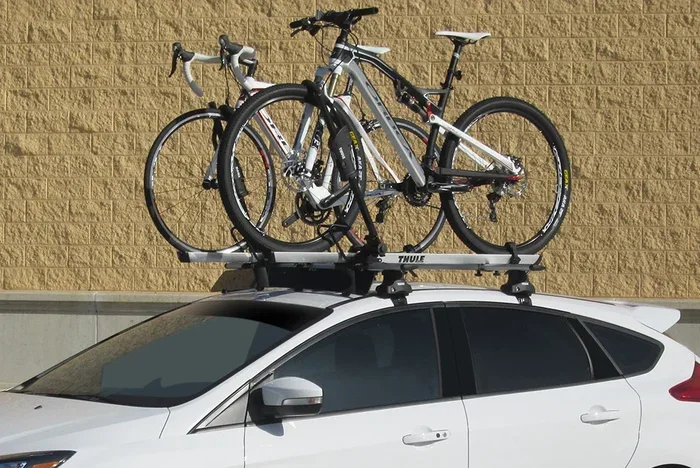
This is the most common type of roof rack crossbars system. You install two bars across your car roof, and then attach the bike carrier to those bars. Most modern cars come with factory crossbars, or you can add aftermarket ones. These systems are stable, widely compatible, and easy to use. The Thule ProRide and Yakima OutPost are popular examples in this category.
Spare Tire Mount Racks
If your car has a spare tire on the rear door or trunk, a spare tire mount rack bolts directly to it. This style keeps the carrier lower and closer to the car body. It works well for vehicles without roof crossbars. The Allen Sports Deluxe 2-Bike Rack is a strong example of this type.
Hitch Mount Racks
A hitch mount bike rack attaches to the trailer hitch receiver at the back of your car. While not technically a roof rack, many shoppers compare it when searching for a bicycle roof rack for car. Hitch mounts are incredibly stable and make loading bikes much easier since you do not need to lift them high. They are ideal for SUVs and trucks with a hitch receiver.
Trunk Mount Racks
These racks strap directly to your car trunk or hatchback. They are the most affordable option and work well for occasional use. However, they can block your trunk access and may cause more vibration during driving. They are a good starting point for casual cyclists.
Key Features to Look for in a Bicycle Roof Rack for Car
Shopping for a bike roof carrier can feel overwhelming. There are so many options out there. Focus on these key features to narrow your search.
Compatibility with Your Vehicle
Not every rack fits every car. Check the roof rack compatibility list from the manufacturer before you buy. Some racks work only with specific crossbar brands or car models. Others are universal and fit almost any roof. Look for a universal bike carrier if you want maximum flexibility.
Weight Capacity
Every rack has a weight limit. Most bike roof carrier systems handle between 100 and 160 pounds total. This usually means two to four bikes. Always check the weight of your bikes and add them up before purchasing. Heavier mountain bikes need a stronger rack than lightweight road bikes.
Ease of Installation
The best roof rack installation process takes about 10 to 15 minutes. Look for racks with tool-free or minimal-tool designs. Quick-release mechanisms are a big plus. If you are not handy, choose a rack with clear instructions and customer support.
Material and Build Quality
Racks come in aluminum and steel. Aluminum roof rack systems are lighter and resist rust. Steel racks are heavier but offer more strength. For most drivers, aluminum is the better choice. It balances durability with weight savings, which helps your fuel economy.
Security Features
You want your bikes to stay put and stay safe. Look for racks with built-in locks, anti-wobble cradles, and strong straps. Some premium bike roof carrier models include integrated locks that secure the rack to the car and the bikes to the rack. This gives you peace of mind at rest stops and gas stations.
Wind Resistance and Noise
Wind noise is a real issue with roof-mounted bike carriers. An aerodynamic bike rack design reduces drag and minimizes whistling sounds at highway speeds. Some racks come with fairings or covers that smooth airflow. If you plan on long drives, this feature matters more than you might think.
Top Bicycle Roof Rack for Car Picks
After testing and researching dozens of models, here are our top recommendations for the best bicycle roof rack for car options available right now.
1. Thule ProRide Ultra
The Thule ProRide Ultra is a premium roof rack for bikes that offers exceptional build quality and ease of use. It features Tool-free Fit dial technology that adjusts to most car roof types. The stand-alone design means you do not need existing crossbars. It holds up to two bikes and includes an integrated lock. The price is around $500, but the quality and convenience justify the cost.
2. Yakima OutPost
The Yakima OutPost is a versatile and durable option for drivers who already have crossbars. It carries up to four bikes and supports weights up to 135 pounds. The quick-release design makes loading and unloading a breeze. It also includes a lock system for security. At around $350, it offers excellent value for the features.
3. Allen Sports Deluxe 2-Bike Rack
If you want an affordable spare tire mount option, the Allen Sports Deluxe is hard to beat. It costs around $150 and holds two bikes securely. The design is simple and straightforward. It works great for casual riders and families who need a reliable car bike carrier without spending a fortune.
4. Kuat NV 2.0
The Kuat NV 2.0 is a sleek and modern rack that combines style with function. It tilts for easy trunk access and holds two bikes up to 60 pounds each. The integrated cable lock adds security. At around $400, it sits in the mid-range price bracket and delivers solid performance.
5. SportRack XRackPro II
The SportRack XRackPro II is a budget-friendly option that still delivers solid performance. It fits most crossbar systems and carries up to four bikes. The price is around $200, making it one of the most affordable universal bike carrier options on the market. It is a great choice for occasional use or those new to roof-mounted bike transport.
Comparison Table
| Product | Type | Bikes | Weight Limit | Price Range | Best For |
|---|---|---|---|---|---|
| Thule ProRide Ultra | Stand-alone | 2 | 60 lbs per bike | $450-$550 | Premium ease of use |
| Yakima OutPost | Crossbar | 4 | 135 lbs total | $300-$400 | Heavy-duty transport |
| Allen Sports Deluxe | Spare tire | 2 | 60 lbs total | $130-$170 | Budget-friendly option |
| Kuat NV 2.0 | Crossbar | 2 | 60 lbs per bike | $350-$450 | Style and tilt feature |
| SportRack XRackPro II | Crossbar | 4 | 100 lbs total | $180-$220 | Value and versatility |
Quick Tips for Choosing and Using Your Bicycle Roof Rack for Car
Here are some practical tips that save time, money, and frustration:
- Measure your car roof before buying. Note the distance between crossbars and the type of roof (raised rails, flush rails, or bare roof).
- Check your vehicle owner manual for roof weight limits. Most cars handle 150 to 200 pounds on the roof including the rack and bikes.
- Use a step stool or lift if your bikes are heavy. Loading bikes onto a roof rack from the ground can be tough on your back.
- Always use tie-down straps even if the rack has cradles. Extra straps add a layer of safety.
- Double-check tightness before every trip. Vibration over long drives can loosen bolts and straps.
- Remove bikes when parking in tight spaces. Roof racks add height and can cause damage in low-clearance garages.
- Apply rubber padding between the rack and your car roof to prevent scratches and paint damage.
Common Mistakes People Make with Bicycle Roof Racks for Car
Even experienced drivers make mistakes. Here are the most common ones and how to avoid them.
Ignoring Weight Limits
Every car and rack has a weight limit. Exceeding it strains your vehicle suspension and roof structure. Always add up the weight of your bikes and compare it to the rack and car specifications.
Skipping Crossbar Compatibility Checks
Buying a rack that does not fit your crossbars is a waste of money. Always verify compatibility with your specific crossbar brand and model. Some racks work only with Thule crossbars, while others fit Yakima or generic brands.
Not Using Locking Mechanisms
Bike theft from roof racks happens more often than you think. Always use the built-in locks or add aftermarket locks. Secure both the rack to the car and the bikes to the rack.
Overlooking Wind Noise
Many budget racks create terrible wind noise at highway speeds. This is not just annoying. It can cause driver fatigue on long trips. Invest in an aerodynamic bike rack or add wind deflectors to reduce noise.
Forgetting to Remove the Rack When Not in Use
Leaving a roof rack on your car when you are not using it increases wind drag and reduces fuel economy. It also exposes the rack to unnecessary weather damage. Take it off and store it in your garage when it is not needed.
Expert Insights on Bicycle Roof Rack for Car
We spoke with automotive and cycling experts to get their take on choosing the right roof rack. Here is what they had to say.
Mark Thompson, automotive gear specialist: “The biggest mistake shoppers make is buying the cheapest option without checking compatibility. A bicycle roof rack for car needs to match your vehicle’s roof type, your crossbar system, and your bike weight. Spend a few extra dollars on quality and you will save headaches down the road.”
Sarah Lin, competitive cyclist and gear reviewer: “I have tested over 20 different bike carriers. My top pick for most people is the Thule ProRide Ultra. It is expensive, but the ease of use and rock-solid stability are worth every penny. For budget-conscious riders, the Allen Sports Deluxe gets the job done without breaking the bank.”
Carlos Mendez, mechanic with 15 years of experience: “Always check your car’s roof load rating before installing any rack. Many drivers do not realize their vehicle has a specific weight limit on the roof. Exceeding it can affect handling and safety. A simple check in the owner manual prevents serious problems.”
These experts agree on one thing. The right bicycle roof rack for car makes bike transport safe, easy, and enjoyable. Take the time to research, compare, and choose wisely.
How to Install a Bicycle Roof Rack for Car
Installing a roof rack for bikes is simpler than most people think. Follow these general steps for a safe and secure setup.
- Read the instruction manual thoroughly before starting. Every rack has specific steps and torque requirements.
- Clean your car roof to remove dirt and debris. This ensures a snug fit and prevents scratching.
- Attach the base feet to the roof rails or crossbars. Hand-tighten all bolts first.
- Tighten all connections using the tools provided. Use a torque wrench if specified in the manual.
- Attach the bike cradle or fork mount to the rack base. Make sure it locks securely.
- Place the bikes on the rack and secure them with straps and wheel cradles.
- Do a shake test by pushing and pulling each bike firmly. There should be no movement.
- Check all straps and locks one more time before driving.
Most installations take 15 to 30 minutes for a single person. Having a helper makes it even faster and easier. If you are unsure about any step, watch the manufacturer’s video tutorial or visit a local bike shop for assistance.
Maintenance Tips for Your Bicycle Roof Rack for Car
Your roof rack for bikes needs regular care to stay in top shape. Here is how to keep it working well for years.
- Clean after every trip: Rinse off dirt, mud, and road salt with water and mild soap.
- Inspect straps and buckles: Look for fraying, cracking, or wear. Replace damaged straps immediately.
- Lubricate moving parts: Apply silicone spray to hinges, clamps, and adjustment dial mechanisms.
- Store indoors: Keep the rack in a garage or storage area when not in use to prevent rust and UV damage.
- Check bolt tightness: Vibration loosens bolts over time. Re-tighten them every few months or before long trips.
- Replace worn components: Foam padding, rubber grips, and plastic cradles wear out. Order replacements from the manufacturer to maintain a secure fit.
How Much Does a Bicycle Roof Rack for Car Cost?
Price is always a factor when shopping for a bike roof carrier. Here is a general breakdown of what you can expect.
- Budget range ($80-$180): Basic trunk mount or spare tire racks. Good for occasional use and lighter bikes.
- Mid-range ($200-$400): Quality crossbar racks with better build quality, security features, and higher weight capacity.
- Premium ($400-$600): Top-tier brands like Thule and Yakima with tool-free installation, tilt features, and integrated locks.
While the upfront cost may seem high, a quality rack lasts for many years. Think of it as an investment in convenience, safety, and peace of mind. A reliable bicycle roof rack for car pays for itself the first time you use it on a family road trip or cycling vacation.
Conclusion
Finding the perfect bicycle roof rack for car comes down to understanding your needs, your vehicle, and your budget. Whether you choose a premium Thule system or an affordable Allen rack, the key is to prioritize compatibility, safety, and ease of use. Follow our tips, avoid common mistakes, and invest in a quality setup that will serve you for years.
A good roof rack for bikes transforms how you travel. It gives you the freedom to explore new trails, visit cycling events, and enjoy road trips with your favorite bikes in tow. Start your search today, compare the options we covered, and get ready for your next adventure with confidence.
Your bikes deserve a safe and secure ride. Your car deserves a rack that works seamlessly. And you deserve the peace of mind that comes with making the right choice. A quality bicycle roof rack for car delivers all three. Happy riding!
Frequently Asked Questions
What is the best bicycle roof rack for car for a sedan?
For sedans, the Thule ProRide Ultra and Yakima OutPost are top choices. Both work with factory or aftermarket crossbars and offer excellent stability. Sedans typically have lower roof weight limits, so always check your owner manual before loading heavy mountain bikes.
Can I install a bicycle roof rack for car myself?
Yes, most roof racks are designed for DIY installation. The process usually takes 15 to 30 minutes with basic tools. If you are not comfortable working on your car, ask a friend or visit a local auto shop for help. Many retailers also offer installation services.
How many bikes can a bicycle roof rack for car hold?
Most roof racks hold two to four bikes. The exact number depends on the rack model and your bike sizes. Always check the weight capacity and make sure your combined bike weight stays within the rack and car limits.
Does a bicycle roof rack for car affect fuel economy?
Yes, any roof-mounted carrier increases aerodynamic drag, which can reduce fuel economy by 1 to 5 miles per gallon depending on speed and design. An aerodynamic bike rack minimizes this impact. Removing the rack when not in use also helps maintain fuel efficiency.
What is the difference between a bicycle roof rack for car and a hitch mount rack?
A roof rack mounts to your car’s roof using crossbars, while a hitch mount attaches to the trailer hitch at the rear. Roof racks keep bikes above the vehicle and free up trunk space. Hitch mounts are easier to load since you do not lift bikes high, but they can block your rearview camera and trunk access.
How do I prevent my bicycle roof rack for car from scratching my paint?
Always use rubber padding or foam inserts between the rack feet and your car roof. Tighten bolts evenly to distribute pressure. Avoid over-tightening, which can dent soft roof materials. Remove the rack when not in use to protect both the rack and your paint from weather damage.