Can You Drive a Car With a Salvage Title Yes You Can
Can you drive a car with a salvage title? The short answer is yes, you can — but there are important steps, laws, and risks you need to know first. A salvage title vehicle has been declared a total loss by an insurance company, yet many of these cars are rebuilt, inspected, and returned to the road every day. Understanding the process of going from salvage to rebuilt status will save you time, money, and headaches. This guide covers everything from registration and insurance to safety checks and resale value.
Key Takeaways
- You can drive a salvage title car after it is rebuilt and passes inspection in most states.
- A salvage title means the car was a total loss, but it does not mean the car is undrivable forever.
- Insurance for salvage title vehicles is available but may cost more and offer less coverage.
- Salvage title cars are cheaper than clean title cars, often by 20% to 40%.
- Always get a vehicle history report before buying any salvage title car to avoid hidden problems.
- Rebuilt title cars are safer than salvage title cars because they have passed a state inspection.
- Resale value is lower for salvage and rebuilt title vehicles compared to clean title cars.
📑 Table of Contents
- Can You Drive a Car With a Salvage Title Yes You Can
- What Exactly Is a Salvage Title?
- Can You Legally Drive a Salvage Title Car?
- How to Register and Insure a Salvage Title Vehicle
- Pros and Cons of Buying a Salvage Title Car
- Common Mistakes to Avoid When Buying a Salvage Title Car
- Expert Tips for Buying and Driving a Salvage Title Car
- Conclusion
Can You Drive a Car With a Salvage Title Yes You Can
The question can you drive a car with a salvage title comes up a lot among budget-conscious car buyers. Maybe you found an amazing deal on a car with a salvage brand. Or maybe you inherited a vehicle with a salvage title and want to get back on the road. Either way, the answer is more encouraging than you might think.
A salvage title does not mean a car is destined for the junkyard. In fact, thousands of salvage title vehicles are rebuilt, inspected, and driven legally every single day across the United States. The key is understanding what a salvage title means, what steps are required to make the car road-legal, and what risks you should watch out for.
In this article, we will walk you through the entire process. You will learn about salvage title definitions, how to register a salvage vehicle, insurance options, safety concerns, and whether buying a salvage title car is actually worth it. By the end, you will have a clear picture of what to expect.
Let us dive right in and break down everything you need to know about driving a car with a salvage title.
What Exactly Is a Salvage Title?
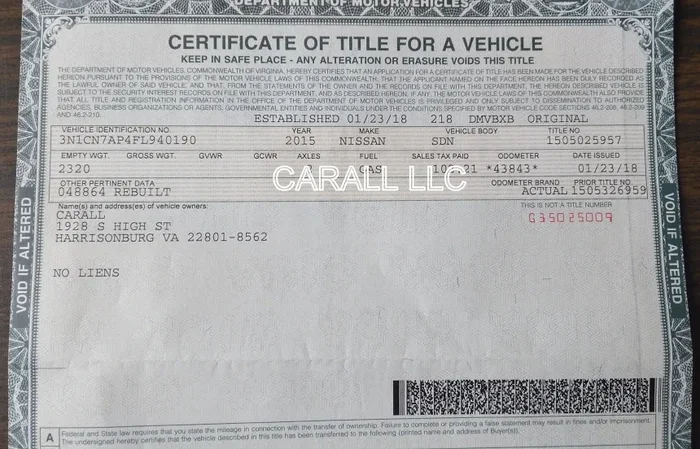
A salvage title is a legal designation given to a vehicle that has been declared a total loss by an insurance company. This usually happens when the cost of repairs exceeds a certain percentage of the car’s actual cash value. Different states use different thresholds, but the general idea is the same.
When a car gets a salvage title, it means the insurance company decided it was not worth fixing. The vehicle is then sold at auction, often to salvage yards or rebuilders. From that point on, the car carries a branded title that follows it for life.
Common Reasons a Car Gets a Salvage Title
There are several reasons a vehicle might receive a salvage title. Understanding these reasons helps you evaluate any car you are considering. Here are the most common causes:
- Collision damage: The car was in a serious accident and the repair costs exceeded its value.
- Flood damage: Water intrusion caused extensive electrical and mechanical problems.
- Theft recovery: The car was stolen and recovered with significant damage.
- Frame damage: The structural integrity of the vehicle was compromised.
- Vandalism or fire: Damage was so severe that repairs were not cost-effective.
- Weather events: Hurricanes, tornadoes, or other disasters damaged many vehicles at once.
Not all salvage title cars are equal. A car with minor rear-end damage might be an easy fix. A flood-damaged car could have hidden corrosion and electrical issues that are much harder to spot. Always investigate the specific reason for the salvage designation before making any decisions.
Salvage Title vs Rebuilt Title vs Clean Title
These three terms often get mixed up, and understanding the differences is crucial. A clean title means the car has never been declared a total loss. It has no brands or notations on its title history. A salvage title means the car is currently not roadworthy and cannot be registered or driven legally until it is rebuilt.
A rebuilt title is the next step. Once a salvage vehicle is repaired and passes a state inspection, the title is changed from salvage to rebuilt. At that point, the car can be registered and driven legally. The rebuilt title will always carry that brand, however, which affects resale value and sometimes insurance options.
| Title Type | Status | Can Be Driven? | Resale Value Impact |
|---|---|---|---|
| Clean Title | No prior damage history | Yes | Full value |
| Salvage Title | Declared total loss | No (before inspection) | Significant discount |
| Rebuilt Title | Repaired and inspected | Yes | Moderate discount |
Can You Legally Drive a Salvage Title Car?
The direct answer to can you drive a car with a salvage title is no, not until it is rebuilt and inspected. A vehicle with a salvage title cannot be legally registered, insured, or driven on public roads in most states. This is a critical distinction that many people overlook.
However, there are some exceptions depending on your location and situation. Some states allow you to drive a salvage title vehicle directly to a repair shop or inspection facility. Others require specific permits or temporary tags. The rules vary widely, so you must check your state’s Department of Motor Vehicles regulations before doing anything.
State-by-State Variations
Each state has its own rules for branded titles. For example, in California, a salvage title vehicle cannot be driven on public roads at all until it receives a rebuilt title. In Texas, you can apply for a rebuilt title after repairs are completed and the vehicle passes a safety inspection. In Florida, the process involves a rebuilt inspection and specific paperwork through the DMV.
Some states also have different categories of salvage brands. You might encounter terms like “non-repairable,” “junk,” or “parts only” titles. These designations mean the vehicle cannot be rebuilt and driven under any circumstances. Always verify the exact title brand before purchasing any vehicle.
What You Need to Do Before Driving
Before you can legally drive a salvage title car, you need to complete several steps. The exact requirements vary by state, but here is a general roadmap:
- Repair the vehicle to a roadworthy condition. All safety systems must function properly.
- Gather documentation including the salvage title, repair invoices, and photos of the vehicle.
- Submit a rebuilt title application to your state’s DMV or equivalent agency.
- Pass a state inspection that checks safety equipment, structural integrity, and emissions.
- Pay the required fees for the rebuilt title and new registration.
- Obtain insurance for the rebuilt vehicle before driving it on public roads.
Skipping any of these steps can result in fines, impoundment, or legal liability if you are involved in an accident. Always follow the proper process to protect yourself and others on the road.
How to Register and Insure a Salvage Title Vehicle
Once your salvage vehicle is rebuilt and inspected, the next step is registration and insurance. This process is straightforward but requires attention to detail. Let us walk through both areas so you know exactly what to expect.
Registering a Rebuilt Title Vehicle
To register a rebuilt title vehicle, you will need to visit your local DMV or equivalent agency. Bring the following documents with you:
- The original salvage title
- A completed rebuilt title application form
- Proof of repairs (receipts and invoices from licensed mechanics)
- Photos of the vehicle showing damage and repairs
- Passing inspection certificate from a certified inspector
- Proof of identity and residency
The DMV will review your paperwork and inspect the vehicle if required. Once approved, you will receive a new title with a rebuilt brand and can register the vehicle for road use. Registration fees vary by state but are typically similar to standard registration costs.
Insuring a Salvage or Rebuilt Title Car
One of the biggest concerns for buyers is insurance. The good news is that insurance for salvage title vehicles is available. Many major insurance companies offer coverage for rebuilt title cars. However, the terms and premiums are usually different from those for clean title vehicles.
Here is what you should know about insuring a salvage or rebuilt title car:
- Coverage types: Most insurers offer liability coverage easily. Comprehensive and collision coverage may be available but could come with higher deductibles or lower payout limits.
- Valuation: Insurers typically value rebuilt title cars at less than clean title cars. This means payouts after a claim will be lower.
- Premiums: Rates may be slightly higher due to the increased risk associated with branded titles.
- Specialist insurers: Some companies specialize in salvage and rebuilt title insurance and may offer better rates than mainstream providers.
It is wise to get quotes from multiple insurance companies before purchasing a salvage title vehicle. This lets you compare costs and coverage options side by side. Some companies like GEICO, Progressive, and State Farm are known to insure rebuilt title vehicles, but availability varies by location.
Pros and Cons of Buying a Salvage Title Car
Buying a salvage title car is not right for everyone. There are clear advantages and disadvantages that you should weigh carefully. Let us break them down so you can make an informed decision.
The Pros
- Lower purchase price: Salvage title cars typically cost 20% to 40% less than comparable clean title vehicles. This is the biggest draw for most buyers.
- Good for project cars: If you enjoy working on cars or have a trusted mechanic, a salvage vehicle can be a great project at a low entry cost.
- Reduced depreciation: Since the car already took a big depreciation hit when it was totaled, it has less room to lose value in the future.
- Parts availability: Salvage yards often sell parts from these vehicles at steep discounts, which benefits the repair community.
- Environmental benefit: Rebuilding a salvage vehicle keeps cars out of landfills and reduces the demand for new manufacturing resources.
The Cons
- Hidden damage: Even after repairs, there may be underlying issues that are not immediately visible. Frame damage, water corrosion, and electrical gremlins can surface months later.
- Lower resale value: A branded title car will always sell for less than a clean title equivalent. You may struggle to recoup your investment when it is time to sell.
- Financing challenges: Many lenders are reluctant to offer loans on salvage title vehicles. You may need to pay cash or seek out specialty lenders.
- Insurance limitations: As mentioned earlier, full coverage may be harder to find and more expensive.
- Safety concerns: If repairs were done poorly, a rebuilt salvage car may not offer the same level of protection as a clean title vehicle in the event of another accident.
Is a Salvage Title Car Worth It?
The answer depends on your situation, budget, and mechanical knowledge. If you are a skilled DIYer with access to a good mechanic, a salvage title car can be an excellent deal. If you need a reliable daily driver with minimal hassle, a clean title vehicle is probably the safer choice.
One thing to keep in mind is that some salvage title cars are actually in better shape than clean title cars with hidden problems. A car that was totaled due to cosmetic damage from a minor accident might be in perfectly fine mechanical condition. The key is doing your homework before you buy.
Common Mistakes to Avoid When Buying a Salvage Title Car
Buying a salvage title vehicle comes with risks. Many of those risks come from common mistakes that buyers make. Here are the pitfalls you should avoid at all costs.
Skipping the Vehicle History Report
Never buy a salvage title car without pulling a Carfax or AutoCheck report. These services will show you the vehicle’s accident history, title brands, service records, and odometer readings. A simple report can reveal whether the car was in a serious accident, flooded, or had undisclosed damage.
Not Getting a Pre-Purchase Inspection
This is perhaps the most important mistake to avoid. A pre-purchase inspection by a qualified mechanic can uncover hidden problems that are not visible to the naked eye. The mechanic will check the frame, engine, transmission, electrical systems, and safety components. Spending $100 to $200 on an inspection can save you thousands in unexpected repairs.
Ignoring State Laws
Every state has different rules about salvage and rebuilt titles. Some states do not allow certain brands on titles at all. Others have strict inspection requirements. Ignorance of these laws will not protect you from fines or legal issues. Research your state’s specific regulations before you buy.
Overlooking Insurance Costs
Some buyers fall in love with a low purchase price only to discover that insurance costs eat up their savings. Get an insurance quote before you commit to buying a salvage title vehicle. This gives you a complete picture of the total cost of ownership.
Assuming All Salvage Cars Are the Same
A salvage title is not a single condition. One salvage car might have a cracked bumper and a new paint job. Another might have a bent frame and submerged electronics. Always evaluate each vehicle individually based on its specific damage history and repair quality.
Expert Tips for Buying and Driving a Salvage Title Car
We spoke with several automotive experts and longtime salvage vehicle buyers to gather their best advice. Here are the top tips they shared.
Buy From a Reputable Source
Whether you are buying from a salvage yard, auction, or private seller, reputation matters. Look for sellers who provide detailed damage reports and repair documentation. Avoid sellers who cannot or will not explain why the car received a salvage title in the first place.
Focus on Structural Integrity
The most important thing to check in any salvage vehicle is the frame and unibody structure. A car with a straight, undamaged frame is a much better buy than one with a bent frame that was repaired. Frame damage can compromise the entire safety of the vehicle and is extremely expensive to fix properly.
Keep All Documentation
Save every receipt, invoice, and inspection report related to the vehicle. This documentation proves that repairs were done correctly and professionally. It also makes the rebuilt title process smoother and gives future buyers confidence in the vehicle’s history.
Be Patient With the Process
Going from salvage to rebuilt title takes time. The inspection process, paperwork, and waiting periods can stretch out over several weeks. Do not rush the process or try to cut corners. Taking your time ensures the car is safe and legal to drive.
Consider a Warranty
If possible, purchase an extended warranty for your rebuilt salvage vehicle. While these warranties may cost extra, they provide peace of mind and financial protection against unexpected repairs. Some warranty providers specialize in branded title vehicles and offer tailored coverage options.
Conclusion
So, can you drive a car with a salvage title? The answer is a resounding yes, but only after the proper steps are taken. A salvage title vehicle must be repaired, inspected, and rebuilt before it can be legally registered and driven on public roads. The process requires patience, documentation, and a willingness to follow your state’s regulations.
Buying a salvage title car can be a smart financial move if you do your research and proceed carefully. The savings are real, and many rebuilt vehicles go on to provide years of reliable service. But the risks are also real, and skipping inspections or ignoring damage history can lead to costly problems down the road.
Whether you are looking at a salvage vehicle for its low price or considering rebuilding a car you already own, knowledge is your best tool. Understand the title brand, get a thorough inspection, secure proper insurance, and follow the legal process for registration. Do these things, and you will be driving your salvage title car with confidence and peace of mind.
The road from salvage to rebuilt is well-traveled by thousands of car owners every year. With the right approach, you can join them and enjoy the benefits of a clean, legal, and roadworthy vehicle at a fraction of the normal cost.
Frequently Asked Questions
Can you drive a salvage title car without rebuilding it?
No, in most states you cannot legally drive a salvage title car on public roads until it has been rebuilt and passes a state inspection. A salvage title means the vehicle is not roadworthy in its current condition. Driving it without a rebuilt title can result in fines, impoundment, and legal liability.
How much does it cost to rebuild a salvage title car?
The cost varies widely depending on the extent of the damage. Minor collision damage might cost $1,000 to $3,000 to repair. Major damage involving frame or structural repairs can easily run $5,000 to $15,000 or more. Always get a detailed estimate from a trusted mechanic before committing to a purchase.
Will a salvage title affect my car insurance rates?
Yes, a salvage or rebuilt title can affect your insurance rates. Insurers often view branded title vehicles as higher risk, which may lead to higher premiums. However, the increase is usually modest, and many major insurance companies do offer coverage for rebuilt title cars.
Can I get a loan on a salvage title vehicle?
Getting a loan on a salvage title car is difficult but not impossible. Most traditional lenders do not finance salvage or rebuilt title vehicles. You may need to pay cash or seek out specialty lenders who work with branded title vehicles. Always check your financing options before making a purchase.
How long does it take to get a rebuilt title?
The timeline varies by state but typically ranges from one to four weeks. The process includes completing repairs, gathering documentation, submitting an application to the DMV, and passing a state inspection. Delays can occur if paperwork is incomplete or if inspection appointments are backlogged.
Is a rebuilt title car safe to drive?
A rebuilt title car can be perfectly safe to drive if the repairs were done correctly and the vehicle passed a state inspection. The inspection process checks critical safety systems like brakes, steering, lights, and structural integrity. However, always have a trusted mechanic evaluate any used car, regardless of its title status, before you drive it regularly.