Ashtavinayak Yatra from Mumbai by Car Ultimate Guide
The Ashtavinayak yatra from Mumbai by car is a rewarding spiritual road trip that takes you through eight sacred Lord Ganesha temples across Maharashtra. This guide covers everything from route planning and temple timings to practical driving tips and a detailed itinerary. Whether you are a seasoned pilgrim or a first-timer, this article helps you plan a smooth and memorable journey.
This is a comprehensive guide about ashtavinayak yatra from mumbai by car.
Key Takeaways
- Complete Pilgrimage Guide: Covers all eight Ashtavinayak temples with details on locations, distances, and significance.
- Route Planning Made Easy: Step-by-step driving directions from Mumbai with multiple route options.
- Practical Travel Tips: Best time to visit, packing essentials, road safety advice, and budget estimates.
- Common Mistakes to Avoid: Learn from frequent pitfalls that travelers face during the yatra.
- FAQ Section: Answers to the most common questions about the Ashtavinayak trip from Mumbai.
[FEATURED_IMAGE_PLACEHOLDER]
What Is Ashtavinayak Yatra from Mumbai by Car?
The Ashtavinayak yatra from Mumbai by car is one of the most popular spiritual road trips in Maharashtra. It involves visiting eight ancient temples dedicated to Lord Ganesha, each with its own unique legend and history. These temples are spread across the Konkan and Desh regions of the state.
The word “Ashtavinayak” means “eight Ganeshas” in Sanskrit. Each of the eight temples represents a different form of Lord Ganesha. Together, they form a complete pilgrimage circuit that holds deep religious significance for devotees and travelers alike.
Starting from Mumbai makes this journey incredibly convenient. The city serves as the perfect base for a road trip from Mumbai to these sacred sites. You get the freedom to set your own pace, stop wherever you want, and explore the surrounding areas at leisure.
Many families and friend groups choose to undertake this trip together. The shared experience of visiting these temples creates lasting memories. Plus, driving your own car gives you full control over your schedule and comfort.
This guide will walk you through every aspect of the journey. From the best routes to temple timings, from packing tips to budget planning, you will find everything you need here.
Why Take the Ashtavinayak Yatra by Car?
Choosing to travel by car offers several advantages over other modes of transport. Let us look at why a self-drive pilgrimage works so well for this particular journey.
Flexibility and Freedom
When you drive your own car, you decide when to leave, when to stop, and how long to stay at each temple. There is no need to rush. You can spend extra time at a temple that moves you or skip a spot if time is short.
Comfort and Convenience
Carrying puja items, water bottles, snacks, and extra clothes becomes much easier when you have your own vehicle. You do not need to worry about bus schedules or train timings. The car becomes your personal travel space.
Cost-Effective for Groups
If you are traveling with family or a group of friends, splitting fuel and toll costs makes driving cheaper than booking multiple train or bus tickets. A pilgrimage by road also saves you from the hassle of finding local transport at each temple town.
Scenic Beauty Along the Way
The routes from Mumbai to the Ashtavinayak temples pass through some beautiful parts of Maharashtra. You get to enjoy lush green landscapes, coastal views, and rural charm that you would miss on a train or flight.
Planning Your Road Trip from Mumbai
A successful Ashtavinayak yatra from Mumbai by car starts with solid planning. Here is how to prepare for the journey the right way.
Best Time to Visit
The ideal time for this pilgrimage is during the winter months, from October to March. The weather is pleasant, and roads are in good condition. The famous Ganesh Chaturthi festival in August-September is also a special time to visit these temples.
Avoid the monsoon season if possible. Heavy rains can make some mountain roads tricky, especially near places like Morgaon and Siddhatek. Roads may flood, and visibility drops significantly during heavy downpours.
Route Options from Mumbai
There are two main routes you can take from Mumbai to cover the eight temples:
- Northern Route: Mumbai to Morgaon, then moving to Siddhatek, Pali, and other temples in the northern direction before looping back.
- Southern Route: Mumbai moving southward through towns like Ashte and Theur before covering the remaining temples.
Most travelers prefer the northern route because it is more straightforward and covers all eight temples in a logical sequence. The total distance for completing the full circuit is approximately 400 to 500 kilometers, depending on the route you choose.
What to Pack for the Yatra
Packing smartly makes the trip much more enjoyable. Here is a quick checklist:
- Car documents (registration, insurance, pollution certificate)
- First-aid kit and essential medicines
- Water bottles and reusable containers
- Snacks and dry fruits for the road
- Comfortable walking shoes
- Light cotton clothes and a shawl for temple visits
- Power bank and car charger for phones
- Cash in small denominations (many temples do not accept cards)
- Carry a spare tire and basic toolkit
The Eight Ashtavinayak Temples – A Detailed Guide
Each of the eight temples has its own story, significance, and unique idol of Lord Ganesha. Here is a detailed look at all eight Ashtavinayak temples you will visit on this pilgrimage.
1. Morgaon (Mayureshwar)
Morgaon is where the journey begins and ends. Located about 35 km from Pune, this temple is dedicated to Mayureshwar, the Ganesha associated with the peacock. The temple sits on the banks of the Mula River and features a beautiful courtyard with ancient architecture.
2. Siddhatek (Siddhivinayak)
Siddhatek is situated on the banks of the Bhima River in Ahmednagar district. The idol here is known as Siddhivinayak, the one who grants siddhis or supernatural powers. The temple is about 150 km from Mumbai and holds special importance among devotees.
3. Pali (Varadavinayak)
Pali temple, located in Raigad district, houses the Varadavinayak form of Ganesha. The name “Varadavinayak” means the one who fulfills wishes. The temple is set in a peaceful surroundings and is relatively less crowded compared to other temples on the list.
4. Mahad (Chintamani)
The Chintamani temple at Mahad is believed to remove worries and anxieties from devotees’ lives. The word “Chintamani” literally means “the jewel that removes worry.” This temple is located near the banks of the Nira River and offers a serene atmosphere for prayer and reflection.
5. Theur (Girijatmaj)
Theur is located about 25 km from Pune. The Girijatmaj form of Ganesha here is associated with the story of Goddess Parvati. The temple is built in a cave-like structure, which adds to its mystical charm. It is a popular stop for those traveling from Mumbai to Pune.
6. Ozar (Vigneshwar)
Ozar temple, also near Pune, is dedicated to Vigneshwar, the remover of obstacles. The temple has a tall golden dome and beautiful sculptural work. The legend associated with this temple involves the demon Vighnasur, who was defeated by Lord Ganesha.
7. Lenyadri (Ganapati)
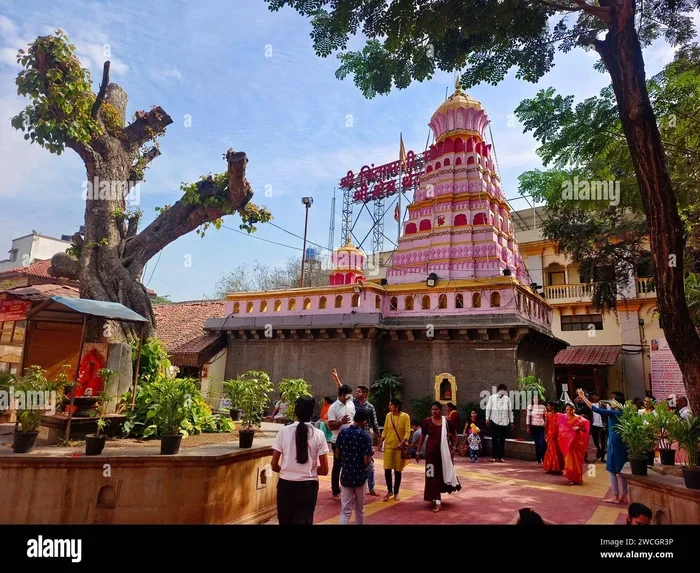
Lenyadri is unique among the eight temples because it is carved into a cave inside a hill. Located near Junnar in Pune district, this temple was originally a Buddhist cave complex. The Ganapati idol here is known as the one who protects his devotees with great strength.
8. Parli (Vaijnath)
The Vaijnath temple at Parli in Beed district is the last stop on the circuit. This temple is dedicated to Ganesha as Vaidyanath, the lord of healing. The temple complex is large and features intricate carvings. It is also known for its beautiful surrounding gardens.
Best Route and Driving Directions
Having a clear Mumbai to Ashtavinayak route plan saves time and reduces stress on the road. Here is the recommended driving path for a complete circuit.
Day 1: Mumbai to Morgaon via Pune
Start early from Mumbai in the morning. Take the Mumbai-Pune Expressway to reach Pune. From Pune, head towards Morgaon, which is about 35 km away. Visit the Mayureshwar temple and spend a couple of hours there. Overnight stay can be in Pune or nearby.
Day 2: Morgaon to Siddhatek
Drive from Morgaon to Siddhatek, which is about 60 km away. This takes you into Ahmednagar district. Visit the Siddhivinayak temple and continue your journey towards the next temples.
Day 3: Covering Pali and Mahad
Head towards Pali temple from Siddhatek. After visiting Pali, drive to Mahad for the Chintamani temple. Mahad is a coastal town, so you can enjoy the sea breeze during your stop.
Day 4: Theur, Ozar, and Lenyadri
Return towards Pune to visit Theur and Ozar temples. Then head to Lenyadri near Junnar for the cave temple. This is a packed day but very rewarding spiritually.
Day 5: Parli and Return to Mumbai
Visit the Vaijnath temple at Parli, which is in Beed district. After darshan, begin your return journey to Mumbai. The drive from Parli to Mumbai takes about 7-8 hours via the highways.
| Temple | Distance from Previous (approx) | Temple Name | Highlight |
|---|---|---|---|
| Morgaon | Start from Mumbai | Mayureshwar | Starting and ending point |
| Siddhatek | 60 km | Siddhivinayak | Grants siddhis |
| Pali | 50 km | Varadavinayak | Fulfills wishes |
| Mahad | 70 km | Chintamani | Removes worry |
| Theur | 90 km | Girijatmaj | Cave temple near Pune |
| Ozar | 15 km | Vigneshwar | Remover of obstacles |
| Lenyadri | 30 km | Ganapati | Cave temple near Junnar |
| Parli | 120 km | Vaijnath | Lord of healing |
Tips for a Smooth and Enjoyable Yatra
A little preparation goes a long way in making your Ashtavinayak yatra from Mumbai by car a pleasant experience. Here are some practical tips that experienced pilgrims swear by.
Start Early in the Morning
Leaving Mumbai by 5 or 6 AM helps you avoid heavy traffic on the expressway. You also reach the temples early, which means fewer crowds and a more peaceful darshan experience. Temples generally open around 6 AM and stay open until noon and then reopen in the evening.
Keep Cash Handy
While some temples now accept digital payments, many still rely on cash. Temple donations, prasad purchases, and parking fees are all cash transactions. Carry at least 3,000 to 5,000 rupees in small notes for the entire trip.
Maintain Your Vehicle
Since you are driving a long distance, make sure your car is in good condition before the trip. Check tire pressure, engine oil, brake pads, and coolant levels. A breakdown in the middle of a pilgrimage is the last thing anyone wants.
Stay Hydrated
Driving for long hours and walking around temple complexes can be tiring. Keep a water bottle in the car and drink regularly. Avoid drinking too much chai or coffee as it can dehydrate you during the journey.
Respect Local Customs
Each temple may have its own rules about photography, footwear, and entry timings. Always check with the temple authorities before clicking pictures. Remove your shoes before entering the inner sanctum, and dress modestly.
Use GPS Navigation
Some of the smaller temple towns have narrow roads that can be confusing. A good GPS app like Google Maps or Maps.me helps you navigate without getting lost. Download offline maps for areas with poor network coverage.
Common Mistakes to Avoid
Even experienced travelers make mistakes during the Ashtavinayak pilgrimage by road. Here are some common errors you should avoid.
- Skipping meal planning: Many travelers forget to plan meals and end up eating junk food on the road. Carry homemade snacks and identify good restaurants along the route in advance.
- Overpacking the itinerary: Trying to cover all eight temples in two days is exhausting. Spread the trip over four to five days to enjoy the journey without rushing.
- Ignoring vehicle checks: A flat tire or engine trouble on a remote road can ruin the entire trip. Get your car serviced before departure.
- Not checking temple timings: Some temples close for afternoon breaks. Arriving during closing hours means waiting outside for hours. Always verify timings online or call ahead.
- Forgetting parking arrangements: Popular temples like Siddhatek and Morgaon can get crowded. Arrive early to find parking spots easily.
- Underestimating travel time: Distances between temples may look short on paper, but rural roads can be slow. Add buffer time to your schedule.
Expert Insights for the Ashtavinayak Road Trip
We spoke with several experienced travelers who have completed the Ashtavinayak yatra from Mumbai by car multiple times. Here is what they had to say.
Ravi, a frequent pilgrim from Thane: “I have done this trip five times now. The key is to not rush. Each temple has its own energy, and you need time to absorb it. Start early, take breaks, and enjoy the drive.”
Priya, a first-time traveler: “I was nervous about driving long distances, but the routes are well-maintained. The expressway from Mumbai to Pune is excellent, and the roads to the temples are decent. Just keep your GPS on and drive carefully.”
Suresh, a local guide from Pune: “The best time to do the Ashtavinayak yatra is during the month of Bhadrapa, which falls in August-September. The temples are decorated beautifully during Ganesh Chaturthi, and the spiritual energy is at its peak.”
Key Takeaways
- Complete Pilgrimage Guide: The Ashtavinayak yatra from Mumbai by car covers eight sacred Lord Ganesha temples across Maharashtra, each with unique legends and significance.
- Route Planning Made Easy: Follow the recommended five-day driving itinerary from Mumbai through Pune, Ahmednagar, Raigad, and Beed districts for a seamless journey.
- Best Time to Visit: October to March offers pleasant weather. Ganesh Chaturthi season adds a special spiritual atmosphere to the pilgrimage.
- Practical Preparation: Pack cash, comfortable clothes, snacks, car documents, and a first-aid kit. Keep your vehicle serviced and GPS ready.
- Common Mistakes to Avoid: Do not skip planning meals, ignore temple timings, underestimate travel time, or try to cram the entire itinerary into too few days.
- Respect and Enjoy: Each temple offers a unique experience. Take your time, respect local customs, and soak in the spiritual energy of this divine journey.
Conclusion
The Ashtavinayak yatra from Mumbai by car is more than just a road trip. It is a spiritual journey that takes you through the heart of Maharashtra’s rich cultural and religious heritage. Each of the eight temples offers a unique experience, from the cave temple at Lenyadri to the serene banks of the Bhima River at Siddhatek.
Driving your own car gives you the freedom and comfort to explore at your own pace. You get to enjoy the scenic beauty of the state, bond with your travel companions, and create memories that last a lifetime. With proper planning and a spirit of devotion, this pilgrimage becomes an incredibly fulfilling experience.
Whether you are a devout follower of Lord Ganesha or a curious traveler looking to explore India’s spiritual side, the Ashtavinayak circuit has something special to offer. Start planning your trip today, follow the tips in this guide, and get ready for a journey that will leave you refreshed, inspired, and spiritually enriched.
The road from Mumbai to these sacred temples is not just about reaching a destination. It is about the journey itself, the stories you hear along the way, the food you taste, and the peace you find in the presence of the divine. Ashtavinayak yatra from Mumbai by car truly is an unforgettable experience for everyone who undertakes it.
Frequently Asked Questions
How many days does the Ashtavinayak yatra from Mumbai by car take?
Most travelers complete the full circuit in four to five days. This allows enough time to visit each temple comfortably without rushing. If you prefer a relaxed pace, you can spread it over six or seven days and explore the surrounding areas too.
What is the total distance covered in the Ashtavinayak yatra from Mumbai by car?
The total distance for the complete circuit is approximately 400 to 500 kilometers, depending on the route you take. The driving time adds up to around 12 to 15 hours spread across the entire trip, not counting time spent at the temples.
Can I do the Ashtavinayak yatra in a single day from Mumbai?
It is technically possible but not recommended. Trying to visit all eight temples in one day means rushing through each stop, which defeats the purpose of a spiritual journey. The long driving hours also make it tiring and less enjoyable.
Are there good food options along the Ashtavinayak route?
Yes, there are plenty of food options along the route. Maharashtra is famous for its street food and local cuisine. You can find good restaurants and tiffin services in towns like Pune, Mahad, and Ahmednagar. Carrying some homemade snacks for the road is always a good idea.
Is it safe to drive from Mumbai to Ashtavinayak temples?
Yes, the roads are generally safe and well-maintained. The Mumbai-Pune Expressway is one of the best highways in India. Rural roads to the temples may be narrower but are still in good condition. Drive carefully, follow traffic rules, and avoid driving at night on unfamiliar roads.
What should I wear when visiting the Ashtavinayak temples?
Wear comfortable, modest clothing. Light cotton clothes work best, especially during summer months. Remove your shoes before entering the temple sanctum. Avoid wearing revealing or flashy clothing as a mark of respect at the sacred sites.
Frequently Asked Questions
What is ashtavinayak yatra from mumbai by car?
ashtavinayak yatra from mumbai by car is an important topic with many practical applications.