Why Active Safety Systems in Cars Are a Game Changer
Active safety systems in cars are transforming how we stay safe on the road. These smart technologies detect dangers and react faster than any human driver ever could. From automatic emergency braking to lane departure warnings, active safety systems in cars work silently every time you drive. Understanding these features can help you choose a safer vehicle and protect your loved ones.
Every year, millions of car accidents happen on roads around the world. Many of these crashes are preventable. The good news is that active safety systems in cars are making a real difference. These smart technologies work behind the scenes to keep you safe. They detect dangers, alert you, and sometimes even take action before you can react. If you are shopping for a new car or just curious about vehicle safety, understanding these systems is essential.
Active safety systems in cars are not just luxury extras anymore. They are becoming standard in most new vehicles. Insurance companies reward them. Safety experts praise them. And most importantly, they save lives. In this article, we will break down everything you need to know. We will cover how these systems work, which features matter most, and how to get the most out of them.
Key Takeaways
- Active safety systems in cars use sensors and software to prevent accidents before they happen.
- Automatic emergency braking and collision avoidance are among the most life-saving features available today.
- Lane departure warning and blind spot monitoring help drivers stay aware of their surroundings.
- Adaptive cruise control makes long drives safer and less tiring.
- Many insurance companies offer discounts for vehicles equipped with active safety technology.
- Regular maintenance and proper use of these systems are essential for maximum benefit.
- Active safety systems complement but do not replace attentive driving.
📑 Table of Contents
What Are Active Safety Systems in Cars?
Active safety systems in cars are electronic features designed to prevent accidents. Unlike passive safety features like airbags and seatbelts, active systems work before a crash happens. They use sensors, cameras, radar, and software to monitor your driving environment. When they detect a potential danger, they warn you or take corrective action automatically.
Think of these systems as a second set of eyes on the road. They do not get tired. They do not get distracted by your phone. They do not zone out at mile 200 of a road trip. Instead, they stay alert and ready to help every single second you are behind the wheel.
Many of these technologies started as optional extras on premium vehicles. Today, even affordable cars come packed with driver assistance technology. This shift has made the roads safer for everyone. Whether you drive a compact sedan or a full-size truck, there is a good chance your car has more safety features than you realize.
How Are Active Safety Systems Different from Passive Safety Systems?
This is an important distinction. Passive safety systems protect you during and after a crash. Airbags, crumple zones, and reinforced steel frames fall into this category. They are designed to absorb impact and keep you safe when a collision is already happening.
Active safety systems take a completely different approach. They aim to stop the crash from ever occurring. They do this through early detection, driver alerts, and automatic interventions. Together, active and passive systems create a comprehensive safety net around you and your passengers.
How Active Safety Systems Work
Understanding how active safety systems in cars function helps you appreciate their value. These systems rely on a network of sensors and software working together. Each component plays a specific role in keeping you safe.
Sensors and Cameras
Most vehicles with active safety technology use a combination of sensors and cameras. Cameras are usually placed near the rearview mirror. They watch the road ahead and read traffic signs. Radar sensors are often built into the front bumper. They measure the distance between your car and the vehicle in front of you.
Ultrasonic sensors are smaller and cheaper. They are typically found in the bumpers and wheels. These sensors excel at close-range detection. They are perfect for parking assistance and blind spot monitoring.
Software and Processing
All that data from sensors and cameras means nothing without powerful software. The vehicle safety technology onboard processes information in real time. It compares what it sees against expected driving patterns. If something looks wrong, the system reacts in milliseconds.
Modern processors can analyze multiple data streams simultaneously. They can track several vehicles, pedestrians, and obstacles at once. This processing power is what makes collision avoidance so effective. The system sees trouble coming before you might even notice it.
Actuators and Control Systems
Once the software detects a threat, it needs to do something about it. This is where actuators come in. Actuators are the mechanical components that carry out the system’s decisions. They can apply the brakes, adjust steering, or modify engine power.
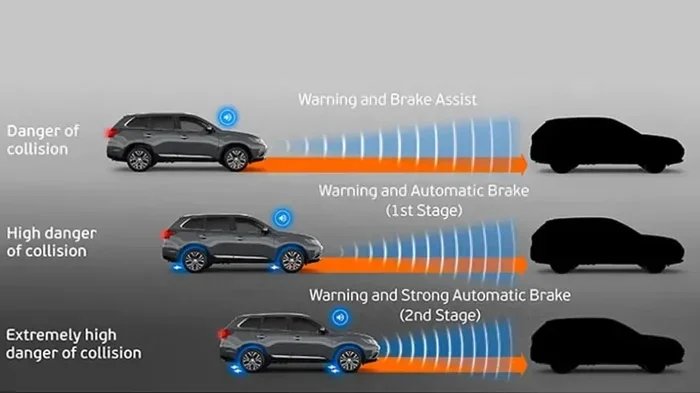
For example, if your car’s automatic emergency braking system detects an imminent rear-end collision, the actuators engage the brakes instantly. This happens faster than any human could move their foot to the pedal. The result is either a avoided crash or a significantly reduced impact speed.
Top Active Safety Features Every Driver Should Know
Not all active safety systems in cars are created equal. Some features are more critical than others. Here are the most important ones you should look for when buying a vehicle.
Automatic Emergency Braking
Automatic emergency braking (AEB) is arguably the most important active safety feature today. It uses forward-facing sensors to detect potential frontal collisions. If the system determines a crash is imminent, it applies the brakes automatically.
Studies show that AEB significantly reduces rear-end collisions. According to the Insurance Institute for Highway Safety, vehicles equipped with AEB have up to 50% fewer rear-end crashes. This single feature has saved thousands of lives since it became widespread.
Forward Collision Warning
Forward collision warning (FCW) works hand in hand with AEB. FCW alerts you to an upcoming hazard. It gives you a chance to brake or steer before the system takes over. Think of FCW as the early warning system that triggers the bigger safety response.
Most FCW systems use a combination of visual alerts, audible beeps, and haptic feedback through the steering wheel or seat. This multi-sensory approach ensures you notice the warning even if you are distracted.
Lane Departure Warning and Lane Keeping Assist
Lane departure warning (LDW) alerts you when your vehicle drifts out of its lane without signaling. This is especially dangerous on highways where drift can lead to head-on collisions.
Lane keeping assist (LKA) goes a step further. It gently steers the car back into the lane if you start to drift. Together, these features are powerful tools against drowsy or distracted driving. They are particularly useful on long road trips when fatigue sets in.
Blind Spot Monitoring
Blind spot monitoring uses sensors on the side mirrors or rear bumper. It watches the areas beside and behind your vehicle that are not visible in your side mirrors. When a car is in your blind spot, a warning light illuminates on the corresponding side mirror.
Some systems also provide audible alerts if you signal to change lanes while a vehicle is beside you. This feature is incredibly useful in heavy traffic and when merging onto highways.
Adaptive Cruise Control
Adaptive cruise control (ACC) is a smart upgrade to traditional cruise control. While regular cruise control maintains a constant speed, ACC adjusts your speed based on the traffic ahead. It keeps a safe following distance automatically.
ACC is a game changer for highway driving. It reduces driver fatigue and helps maintain safe spacing. Many modern systems work at low speeds too, making them useful in stop-and-go traffic.
Rear Cross Traffic Alert
Rear cross traffic alert (RCTA) helps when you are backing out of parking spaces. It detects approaching vehicles from the sides and alerts you. This is especially helpful in crowded parking lots where visibility is limited.
RCTA can prevent low-speed collisions that are common in parking garages and driveways. It is a small feature that provides big peace of mind.
Pedestrian and Cyclist Detection
Advanced active safety technology now includes systems that detect pedestrians and cyclists. These systems use cameras and radar to identify vulnerable road users. If a pedestrian steps into the road unexpectedly, the system can warn you or apply the brakes.
This feature is particularly valuable in urban environments where pedestrians and cyclists are abundant. It adds an extra layer of protection for everyone on the road.
Active Safety Systems vs. Passive Safety Systems
Understanding the difference between active and passive safety is crucial. Both types of systems protect you, but they do so in completely different ways. Let us compare them side by side.
| Feature | Active Safety Systems | Passive Safety Systems |
|---|---|---|
| When They Act | Before a crash | During or after a crash |
| Goal | Prevent the crash | Reduce injury severity |
| Examples | Automatic braking, lane keeping | Airbags, seatbelts, crumple zones |
| Technology Used | Sensors, cameras, radar, software | Structural design, materials |
| Driver Involvement | Works with or without driver input | Works automatically during impact |
| Primary Benefit | Crash avoidance | Injury protection |
The best protection comes from having both types of systems working together. Active safety systems in cars help you avoid the crash. Passive systems protect you if a crash does occur. When shopping for a vehicle, look for a strong combination of both.
Many safety rating organizations now evaluate both active and passive features. The Insurance Institute for Highway Safety (IIHS) and the National Highway Traffic Safety Administration (NHTSA) both consider the full safety picture. A high safety rating means the vehicle excels in both crash prevention and crash protection.
Are Active Safety Systems Worth It?
The short answer is yes. The longer answer is even more convincing. Active safety systems in cars provide benefits that go far beyond crash prevention.
Insurance Discounts
Many insurance companies offer discounts for vehicles equipped with driver assistance technology. Features like automatic emergency braking and lane departure warning qualify for reduced premiums. Over the life of a vehicle, these savings can add up significantly.
Contact your insurance provider to ask about available discounts. You might be surprised at how much you can save simply by choosing a car with the right safety features.
Resale Value
Cars with advanced vehicle safety technology hold their value better. Buyers increasingly prioritize safety when shopping for used vehicles. A car with a strong suite of active safety features is more attractive on the resale market.
This means your investment in safety pays off twice. You benefit from the features while driving, and you recoup some of the cost when you sell.
Peace of Mind
There is an intangible benefit that is hard to put a price on. Knowing your car has multiple layers of protection gives you confidence every time you get behind the wheel. This peace of mind is especially valuable when driving in challenging conditions or in unfamiliar areas.
Active safety systems in cars do not replace good driving habits. But they provide a safety net that makes every trip a little safer.
Quick Tips for Getting the Most from Active Safety Systems
- Read your owner’s manual. Understand what each system does and how it works.
- Keep sensors clean. Dirty cameras and sensors can reduce system effectiveness.
- Do not rely solely on the technology. Stay alert and keep your hands on the wheel.
- Update your software. Manufacturers often release updates that improve system performance.
- Have systems checked during routine maintenance. A qualified technician can ensure everything is working properly.
Common Mistakes Drivers Make with Active Safety Systems
Even the best active safety technology can fall short if used incorrectly. Here are common mistakes to avoid.
Overconfidence in the Technology
The biggest mistake drivers make is trusting the system too much. Active safety systems in cars are designed to assist you, not replace you. They cannot handle every situation. Severe weather, poor road conditions, and unusual scenarios can challenge even the most advanced systems.
Always stay engaged and keep your eyes on the road. The technology works best when it works alongside an attentive driver.
Ignoring Warning Lights
When a safety system warning light appears on your dashboard, do not ignore it. These lights indicate that a system is not functioning properly. Driving with a disabled safety feature leaves you more vulnerable.
Have any warning lights checked by a qualified technician as soon as possible. A simple sensor cleaning or recalibration might solve the problem.
Skipping Maintenance
Active safety systems depend on properly maintained components. Dirty cameras, misaligned sensors, and worn parts can all reduce system performance. Regular maintenance keeps everything working as it should.
Include safety system checks in your routine maintenance schedule. It is a small investment that pays big dividends in safety.
Not Customizing System Settings
Many vehicles allow you to adjust the sensitivity and behavior of safety systems. Some drivers accept the default settings without exploring the options. Taking a few minutes to customize your settings can make the systems work better for your driving style.
Check your owner’s manual for guidance on adjusting these settings. Small tweaks can make a big difference in how the systems assist you.
Expert Insight: The Future of Active Safety
Industry experts predict that active safety systems in cars will continue to evolve rapidly. Vehicle-to-vehicle communication, or V2V, will allow cars to share safety data in real time. This technology could alert drivers to hazards miles ahead, giving them even more time to react. Artificial intelligence and machine learning are also making these systems smarter every year. As these technologies mature, we can expect even fewer accidents on our roads.
Key Takeaways
- Active safety systems in cars use sensors, cameras, and software to prevent accidents before they happen.
- Automatic emergency braking, lane departure warning, and blind spot monitoring are among the most impactful features.
- These systems complement passive safety features like airbags and seatbelts for complete protection.
- Insurance discounts and better resale value make active safety systems a smart financial choice.
- Regular maintenance and proper use are essential for getting the full benefit of these technologies.
- Active safety systems assist but do not replace attentive driving. Always stay engaged behind the wheel.
- The future of vehicle safety looks bright with AI, V2V communication, and continued innovation ahead.
Conclusion
Active safety systems in cars have truly changed the driving experience for the better. They represent a shift from reacting to crashes to preventing them altogether. From automatic emergency braking to pedestrian detection, these features work tirelessly to keep you and your passengers safe.
If you are in the market for a new car, prioritize vehicles with a strong suite of active safety technology. Check safety ratings, read reviews, and test drive vehicles with these features. The peace of mind they provide is well worth the investment.
Remember that technology works best when paired with responsible driving habits. Stay alert, stay focused, and let these smart systems do what they do best. Active safety systems in cars are not just a nice-to-have anymore. They are a must-have for anyone who cares about road safety.
The road ahead is safer than ever before, thanks to these incredible innovations. Embrace them, understand them, and let them help you arrive at your destination safely every single time.
Frequently Asked Questions
What are active safety systems in cars?
Active safety systems in cars are electronic features designed to prevent accidents before they happen. They use sensors, cameras, and software to detect potential hazards and either warn the driver or take corrective action automatically. Common examples include automatic emergency braking, lane departure warning, and blind spot monitoring.
Do active safety systems really prevent accidents?
Yes, research shows that active safety technology significantly reduces crash rates. The Insurance Institute for Highway Safety reports that vehicles with automatic emergency braking have up to 50% fewer rear-end collisions. While no system is perfect, these features have saved countless lives and continue to improve with each new generation of technology.
Are active safety systems only available in expensive cars?
Not anymore. What once started as a premium option has become standard across most vehicle segments. Even affordable and mid-range cars now come equipped with a solid set of driver assistance technology. When shopping, check the safety feature list for each trim level to find the best value.
Can active safety systems replace attentive driving?
Absolutely not. Active safety systems in cars are designed to assist drivers, not replace them. They work best when the driver remains alert and engaged. Severe weather, unusual road conditions, and edge-case scenarios can challenge even the most advanced systems. Always keep your hands on the wheel and your eyes on the road.
Do active safety features increase car insurance costs?
On the contrary, many insurance companies offer discounts for vehicles equipped with active safety technology. Features like automatic emergency braking and lane keeping assist often qualify for reduced premiums. Contact your insurance provider to learn about available discounts for your specific vehicle.
How do I maintain my active safety systems?
Keep sensors and cameras clean and free of debris. Have your vehicle safety technology checked during routine maintenance appointments. If you notice any warning lights on your dashboard, have them inspected promptly. Regular software updates from the manufacturer can also improve system performance and reliability.