Will a Diagnostic Test Tell Me Whats Wrong With My Car
A car diagnostic test can reveal a lot about your vehicles health, but it wont always tell you exactly what is wrong. These scans read error codes and sensor data, pointing you in the right direction. However, they are a starting point, not a final diagnosis. Understanding what the test can and cannot do saves you time, money, and frustration at the repair shop.
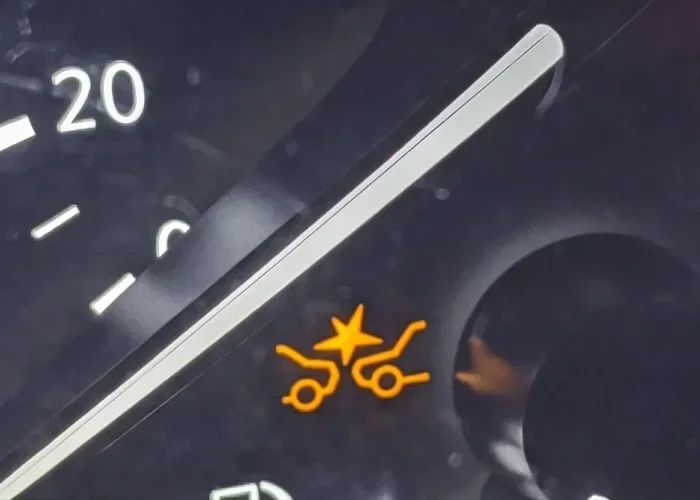
You are driving down the road, and suddenly a light pops up on your dashboard. The check engine light glows like a warning you cannot ignore. Your first thought might be, “Will a diagnostic test tell me what is wrong with my car?” It is a fair question, and one that millions of car owners ask every year.
The short answer is yes and no. A diagnostic test can give you valuable clues about your vehicles health. It reads codes stored in your cars computer, pointing you toward possible problems. But it is not a magic wand that instantly reveals every issue hiding under the hood. Think of it as a tool that starts the conversation between you and your vehicle.
In this guide, we will walk through exactly what a car diagnostic test can do, what it cannot do, and how to make the most of it. Whether you are dealing with a flashing check engine light or just want to understand your vehicles health better, this article has you covered.
Key Takeaways
- Diagnostic tests read error codes: They identify specific issues stored in your vehicles computer system.
- They dont replace a mechanic: A scan gives clues, but a trained auto mechanic still needs to inspect and confirm the problem.
- OBD scanners are the most common tool: These devices plug into your car and pull diagnostic trouble codes from the ECU.
- Not all problems trigger codes: Some mechanical issues, like worn brakes or internal engine damage, may not show up in a scan.
- DIY scans are possible: You can buy or borrow an OBD scanner and check your own vehicle at home.
- Ignoring the check engine light is risky: Delaying a diagnostic test can turn small problems into expensive repairs.
- Know what to expect: A diagnostic test takes minutes, but the repair it leads to can vary widely in cost and complexity.
📑 Table of Contents
- What Happens During a Car Diagnostic Test?
- What a Diagnostic Test CAN Reveal
- What a Diagnostic Test CANNOT Tell You
- Should You Try a DIY Diagnostic Test?
- How Much Does a Diagnostic Test Cost?
- Common Mistakes Car Owners Make With Diagnostic Tests
- How to Choose the Right Diagnostic Service
- Final Thoughts on Diagnostic Testing
- Frequently Asked Questions
What Happens During a Car Diagnostic Test?
How the Diagnostic Process Works
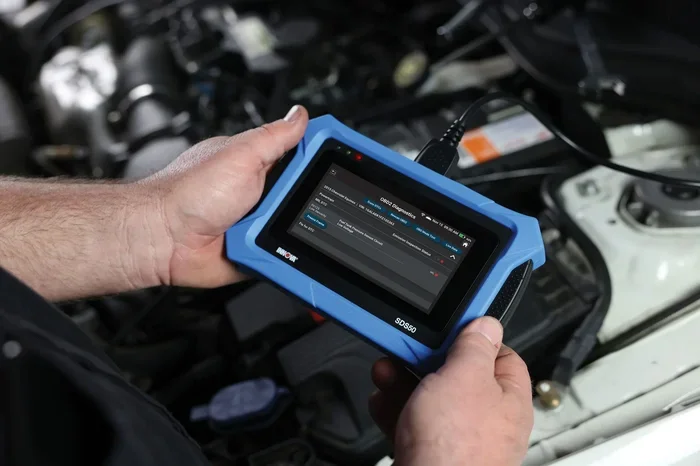
When you take your car in for a diagnostic test, a technician connects a tool to your vehicles onboard computer. This tool is usually an OBD scanner, which stands for On-Board Diagnostics. The scanner communicates with your cars ECU, or engine control unit, which acts as the brain of your vehicle.
The ECU monitors dozens of sensors throughout the car. These sensors track everything from fuel mixture to engine temperature. When something goes wrong, the ECU stores a trouble code in its memory. The scanner pulls these codes and displays them on a screen. Each code points to a specific system or component that may be failing.
The entire process usually takes between 10 and 30 minutes. It is quick, non-invasive, and does not require disassembling any parts of your car. Here is a simple breakdown of what happens:
- The technician plugs the OBD scanner into the diagnostic port under your dashboard.
- The scanner connects to the ECU and reads stored codes.
- The codes are displayed and interpreted by the technician.
- The technician may run additional tests based on the codes found.
Common Codes You Might See
Not all codes mean the same thing. Some are simple and easy to fix. Others point to deeper, more complex issues. Here are some common codes you might encounter during a vehicle diagnostic:
- P0300 – Engine Misfire: This code means one or more cylinders are not firing properly. It can be caused by worn spark plugs, a faulty ignition coil, or fuel delivery problems.
- P0420 – Catalyst System Efficiency: This often points to a failing catalytic converter, which is an emissions component that reduces harmful exhaust gases.
- P0171 – System Too Lean: This suggests your engine is running with too much air and not enough fuel, often linked to a vacuum leak or oxygen sensor failure.
- P0446 – Evaporative Emission Control System: This code usually relates to a loose gas cap or a leak in the fuel vapor system.
- P0128 – Coolant Thermostat: This indicates the engine is not reaching proper operating temperature, which could mean a stuck thermostat.
What a Diagnostic Test CAN Reveal
A car diagnostic test is surprisingly powerful. It can uncover problems that you might not even notice yet. Here is what it does well:
Sensor Failures
Your car has dozens of sensors monitoring everything from oxygen levels to wheel speed. When a sensor fails, the ECU catches it and stores a code. A diagnostic test will reveal these sensor failures quickly. Common sensor issues include a bad oxygen sensor, a failing mass airflow sensor, or a worn crankshaft position sensor.
Ignition and Fuel System Problems
Problems with your ignition system or fuel delivery often trigger error codes. A diagnostic scan can identify issues with ignition coils, fuel injectors, or the fuel pump. If your engine is hesitating, stalling, or running rough, the codes will give you a clear starting point for investigation.
Emissions System Issues
The emissions system keeps your cars exhaust clean. A diagnostic test can detect problems with the catalytic converter, EVAP system, or exhaust gas recirculation valve. These are important for passing emissions inspections and keeping your vehicle running cleanly.
Transmission Trouble Codes
Modern transmissions are computer-controlled, which means they generate codes too. A diagnostic test can reveal transmission slipping, harsh shifting, or solenoid failures. These codes help technicians pinpoint whether the problem is electrical or mechanical.
What a Diagnostic Test CANNOT Tell You
Here is where it gets important. A diagnostic test is not all-knowing. There are many things it simply cannot detect, and understanding this saves you from frustration and false expectations.
Mechanical Wear and Tear
A diagnostic scan will not tell you that your brake pads are worn. It will not reveal that your suspension bushings are cracking or that your timing belt is nearing the end of its life. These are physical, mechanical issues that do not always trigger computer codes. Regular visual inspections and maintenance schedules are still essential.
Electrical Gremlins
Some electrical problems are intermittent and tricky. A loose wire, a corroded connector, or a short circuit might not set a code every time. If you have an issue that comes and goes, a single diagnostic test might miss it entirely. These problems often require a skilled technician to trace the wiring and test components by hand.
Internal Engine Damage
A diagnostic test cannot see inside your engine. It will not detect a cracked piston, a worn camshaft, or low compression in a cylinder. These problems usually require a compression test, a leak-down test, or a physical inspection by a professional mechanic.
Noise and Vibration Issues
If your car makes a strange noise or vibrates at a certain speed, a diagnostic test will not always help. These symptoms are often mechanical, not electronic. A technician needs to listen, feel, and physically inspect the vehicle to find the source of the problem.
Quick Tip
Do not rely solely on a diagnostic scan. Use it as one piece of the puzzle. Combine it with a thorough visual inspection and a road test for the most accurate diagnosis.
Should You Try a DIY Diagnostic Test?
Many car owners wonder if they can run a diagnostic test themselves. The answer is yes, and it is easier than you might think. Affordable OBD scanners are available at most auto parts stores and online. Some even connect to your smartphone via Bluetooth.
Pros of DIY Scanning
- Saves money: You avoid paying a shop fee just to get the codes read. Many auto parts stores will read codes for free.
- Convenience: You can check your car anytime, right from your driveway.
- Peace of mind: Knowing the codes gives you a starting point before visiting a mechanic.
- Learning opportunity: You get to understand your vehicle better and become a more informed car owner.
Cons of DIY Scanning
- Limited interpretation: A code tells you what system is affected, not exactly what part failed. For example, a misfire code could point to spark plugs, coils, or injectors.
- No advanced tools: Professional shops have high-end scanners that can access deeper data, live sensor readings, and manufacturer-specific codes.
- Risk of misdiagnosis: Without experience, you might replace the wrong part and waste money.
Best Budget OBD Scanners for Home Use
If you want to try a DIY scan, here are some popular options:
- Basic code readers: These affordable devices (around $20 to $50) simply read and clear codes. They are great for a quick check.
- Bluetooth OBD adapters: These plug into your cars port and connect to a smartphone app. Apps like Torque or Car Scanner give you live data and code definitions.
- Mid-range scanners: Devices like the Innova 3160g or Autel MD300 offer more features, including live data streaming and enhanced code definitions.
Expert Insight
Even if you do a DIY scan, always take the codes to a trusted mechanic for confirmation. The codes are a guide, not a guarantee. A professional can verify the problem with hands-on testing and experience.
How Much Does a Diagnostic Test Cost?
The cost of a diagnostic test varies depending on where you go and what your car needs. Here is a quick comparison:
| Service Provider | Average Cost | What You Get |
|---|---|---|
| Auto parts stores | Free to $20 | Basic code reading, often no interpretation |
| Independent mechanic | $50 to $100 | Code reading plus basic inspection and interpretation |
| Dealership | $100 to $200 | Manufacturer-specific codes, advanced diagnostics, and warranty service |
| Specialty shops | $75 to $150 | Expertise in specific systems like transmission or electrical |
Keep in mind that the diagnostic fee is often separate from the repair cost. Some shops will apply the diagnostic fee toward the repair if you have the work done with them. Always ask about this before you leave your car at the shop.
When the Test Costs More
Sometimes a simple code scan is not enough. If your car has a complex problem, the technician may need to spend more time running tests, checking live data, and performing road tests. This is especially true for intermittent issues or problems that involve multiple systems. In these cases, the diagnostic cost can climb, but it is still cheaper than blindly replacing parts.
Common Mistakes Car Owners Make With Diagnostic Tests
Even with the best intentions, car owners often make mistakes when it comes to diagnostics. Here are the most common ones to avoid:
Ignoring the Check Engine Light
Many people see the check engine light and simply ignore it. They assume it will go away on its own. Sometimes a loose gas cap triggers the light, and tightening it fixes the problem. But other times, the light signals a real issue that gets worse over time. Ignoring it can lead to more expensive repairs down the road.
Replacing Parts Based on Codes Alone
A code tells you which system is affected, not which specific part is bad. For example, a P0301 code means cylinder one is misfiring. But the cause could be a bad spark plug, a faulty ignition coil, a clogged injector, or even a vacuum leak. Replacing parts blindly based on codes alone is a fast way to waste money.
Clearing Codes Without Fixing the Problem
Some people use a scanner to clear the codes and turn off the check engine light. The light goes away, so they think the problem is solved. But the underlying issue is still there. The code will usually return, and the problem may have worsened in the meantime.
Relying on Free Scans at Parts Stores
Free code reading at auto parts stores is convenient, but it has limits. These stores typically only pull generic codes, not manufacturer-specific ones. They also do not provide any diagnosis or repair guidance. Use free scans as a starting point, not a final answer.
Skipping the Follow-Up Inspection
Getting a code read is only step one. The real value comes from the follow-up inspection. A good technician will use the codes as a guide and then test the relevant components to confirm the root cause. Skipping this step leads to incomplete repairs and recurring problems.
Common Mistakes at a Glance
- Ignoring the check engine light
- Replacing parts based only on codes
- Clearing codes without fixing the problem
- Relying solely on free scans at parts stores
- Skipping the follow-up inspection after a scan
How to Choose the Right Diagnostic Service
Not all diagnostic services are created equal. Here is how to choose the right one for your situation:
- Check certifications: Look for ASE-certified technicians who have proven expertise in vehicle diagnostics.
- Ask about equipment: A shop with modern, manufacturer-level scanners will get more accurate results than one using outdated tools.
- Read reviews: Check online reviews and ask friends for recommendations. A good reputation matters.
- Get a written estimate: Before any work begins, ask for a clear estimate that includes the diagnostic fee and potential repair costs.
- Ask questions: A good shop will explain the codes, what they mean, and what steps they recommend next. Do not be afraid to ask for details.
Final Thoughts on Diagnostic Testing
So, will a diagnostic test tell you what is wrong with your car? The honest answer is that it gets you closer to the truth. A car diagnostic test is one of the most valuable tools in modern vehicle maintenance. It reads the codes your cars computer stores and points you toward the problem area. But it is not a complete diagnosis on its own.
Think of the diagnostic test as a flashlight in a dark room. It shows you where to look, but you still need to walk over and examine what you find. The codes give you direction, but a skilled mechanic provides the expertise and hands-on testing to confirm the exact problem and fix it right.
If your check engine light is on, do not panic. Get a diagnostic test done, understand what the codes mean, and then work with a trusted professional to address the issue. Taking action early keeps your car running safely and helps you avoid costly repairs down the road.
The best car owners stay informed and proactive. They do not wait for problems to become emergencies. They use tools like diagnostic tests to stay ahead of issues and make smart decisions about their vehicles maintenance. That is exactly the mindset that keeps cars running longer and saves money over time.
Frequently Asked Questions
How long does a car diagnostic test take?
A basic diagnostic test usually takes between 10 and 30 minutes. The scanner plugs into your cars OBD port and reads codes quickly. However, if the technician needs to run additional tests, interpret complex codes, or perform a road test, the process may take longer. Always ask the shop for an estimated timeframe before you leave your vehicle.
Can I clear the check engine light myself?
Yes, you can clear the check engine light using an OBD scanner or by disconnecting the battery. However, this is not recommended as a permanent fix. Clearing the light without addressing the underlying problem will only cause the light to return. The code will come back once the ECU detects the issue again, often with the problem now worse than before.
Is it safe to drive with the check engine light on?
It depends on the severity. A solid check engine light usually means a non-emergency issue, but you should get it checked soon. A flashing check engine light, however, signals a serious problem, often an engine misfire that can damage the catalytic converter. If your light is flashing, reduce your speed and get to a mechanic immediately.
How much does it cost to fix the problem after a diagnostic test?
The repair cost varies widely depending on what the diagnostic test reveals. Simple fixes like replacing a sensor or a gas cap may cost under $50. More complex issues like a failing catalytic converter or transmission problems can cost several hundred or even over a thousand dollars. Always get a detailed estimate before approving any repairs.
Can a diagnostic test detect a bad battery or alternator?
Yes, a diagnostic test can often detect battery and alternator problems. The ECU monitors charging system voltage and will store codes if it detects low voltage or irregular charging. However, a simple battery load test or alternator output test by a technician provides a more definitive diagnosis of these components.
Do I need to go to a dealership for a diagnostic test?
No, you do not need to go to a dealership. Independent mechanics, auto parts stores, and even DIY tools can read diagnostic codes effectively. Dealerships do have manufacturer-specific software that can access deeper data, but for most common issues, a qualified independent shop can provide excellent diagnostic service at a lower cost.