Why Wont My High Beams Turn On And How To Fix Them Now
Your high beams may not work because of a blown fuse, a bad relay, a faulty headlight switch, or a burned-out bulb. This guide walks you through every common cause and shows you exactly how to fix each one yourself. You will learn simple diagnostic steps, replacement tips, and prevention tricks that keep your high beams shining bright for years to come.
Nothing beats driving on a dark road with your high beams on. They light up the road ahead and make you feel safe. But sometimes, you flip the switch and nothing happens. Your bright lights just refuse to turn on.
This is a frustrating problem. It can happen on any car, truck, or SUV. The good news is that you do not need to be a mechanic to figure out what went wrong. Most causes are simple and easy to fix. In this guide, we will walk you through every reason your high beams might not work and show you exactly how to fix them right now.
We will cover everything from blown fuses to faulty wiring. You will learn how the system works, what to check first, and when to call a professional. By the end, you will have the knowledge and confidence to get your brights back on the road.
Key Takeaways
- Blown fuses and bad relays are the most common reasons your high beams fail to turn on.
- A faulty headlight switch or dimmer lever can block power from reaching the high beam circuit.
- Burned-out bulbs, corroded connectors, and broken ground wires cause frequent high beam failures.
- Most fixes are simple, affordable, and can be done at home with basic tools.
- Regular maintenance of your headlight assembly prevents future problems.
- Knowing how your electrical system works helps you diagnose issues faster and save money.
📑 Table of Contents
Common Reasons Why Your High Beams Won’t Turn On
Before you start pulling parts out of your car, it helps to understand what could be going wrong. The high beam system is not complicated. It relies on a few key components working together. When one of them fails, your bright lights go dark.
Blown Fuse
A blown fuse is the number one culprit. Every car has a fuse box that protects its electrical circuits. If too much current flows through, the fuse blows and cuts the power. Your high beams will stop working instantly.
To check your fuse, locate your fuse box. It is usually under the dashboard on the driver’s side or under the hood. Look for the fuse labeled “headlight” or “high beam.” Pull it out and inspect the metal strip inside. If it is broken or melted, you have found your problem. Replacing a fuse costs just a few dollars and takes about two minutes.
Faulty Relay
A relay acts like a switch for your electrical system. It sends power to your high beams when you flip the lever. If the relay goes bad, no power reaches the bulbs. This is a very common issue, especially in older vehicles.
You can test a relay by swapping it with a similar one in your fuse box. If your bright lights come on after the swap, the old relay was the problem. Relays are cheap and easy to replace. Most auto parts stores carry them in stock.
Bad Headlight Switch
The headlight switch controls all your exterior lights. When you turn the dial or flip the lever to the high beam position, it sends a signal to the relay and bulbs. Over time, this switch can wear out or break internally.
Signs of a failing switch include flickering lights, lights that only work on low beam, or a switch that feels loose or sticky. If you suspect your headlight switch is the issue, a multimeter test can confirm it. Replacing the switch is a bit more involved but still very doable for most car owners.
Burned-Out Bulb
This one seems obvious, but people often overlook it. A single high beam filament can burn out after thousands of miles. When this happens, one or both of your bright lights go dark. Check both bulbs before you replace any other parts.
To inspect the bulb, open the hood and locate the back of the headlight assembly. Unplug the wiring connector and remove the bulb cover. Look closely at the filament. If it is broken or blackened, the bulb needs replacing. Halogen bulbs are the most common type, but many modern cars use LED headlights or xenon bulbs. Always match the replacement bulb to your vehicle’s specifications.
Corroded or Damaged Wiring
Your wiring harness connects every part of the electrical system. Over time, wires can corrode, especially in wet or salty conditions. A damaged wiring harness can break the circuit and prevent power from reaching your high beams.
Look for frayed wires, green or white corrosion on connectors, or melted insulation. Follow the wires from the fuse box to the headlight assembly. Pay special attention to connectors near the engine bay, where heat and moisture can cause damage. Cleaning corroded connectors with electrical contact cleaner often solves the problem.
Bad Ground Wire
A ground wire completes the electrical circuit. Without a solid ground connection, your high beams will not work properly. A loose or rusted ground wire is a sneaky problem that many people miss.
Find the ground wire on your headlight assembly. It usually connects to the car’s chassis or engine block. Clean the connection point with sandpaper or a wire brush. Make sure the bolt is tight. This simple fix can restore your bright lights in minutes.
How Your High Beam System Works
Understanding how your high beam system works makes troubleshooting much easier. The system is a simple electrical circuit with several parts working in sequence.
The Electrical Path
When you pull the turn signal lever toward you, it activates the high beam circuit. Power flows from the battery through the fuse box to the relay. The relay then sends power to the bulbs. The light shines through the headlight assembly and lights up the road ahead.
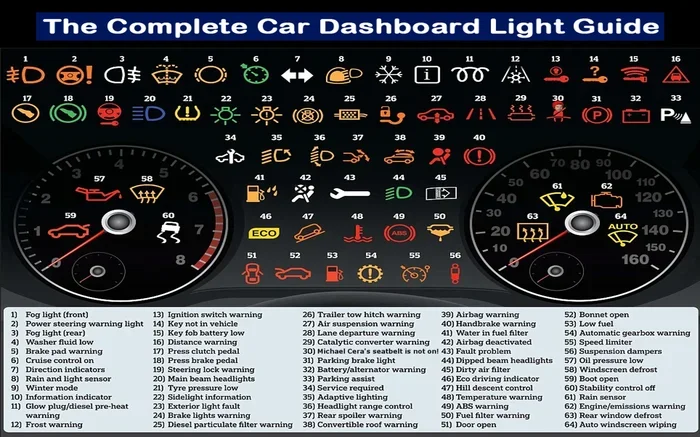
A dashboard indicator on your instrument cluster tells you when your brights are on. If this light does not come on when you pull the lever, the problem is likely in the switch or the indicator circuit itself.
Key Components
Here are the main parts of your high beam system:
- Battery – Provides the electrical power for the entire system.
- Fuse box – Protects circuits from power surges and overloads.
- Relay – Acts as a switch that directs power to the bulbs.
- Headlight switch – The control you use to turn lights on and off.
- Dimmer lever – The stalk on the steering column that switches between low and high beam.
- Wiring harness – The network of wires that carries power throughout the system.
- Bulb – The actual light source inside the headlight assembly.
- Ground wire – Completes the electrical circuit back to the battery.
When any one of these components fails, your high beams will not work. The key is to test each part in order, starting with the simplest and most common causes.
Low Beam vs. High Beam
It is important to know that low beam and high beam circuits are separate. Your car may have low beams that work perfectly while the high beams fail, or vice versa. Some vehicles use a single bulb with two filaments, while others use separate bulbs for each beam. Knowing which setup your car has helps you narrow down the problem faster.
Step-by-Step Troubleshooting Guide
Now that you know the common causes, let us walk through the troubleshooting process step by step. Follow these steps in order to save time and find the problem quickly.
Step 1: Check the Dashboard Indicator
When you pull the turn signal lever to activate your bright lights, look at your dashboard. There should be a blue or green indicator light. If this light does not come on, the problem is likely in the switch or the indicator circuit. If the light comes on but the bulbs do not shine, the problem is downstream in the circuit.
Step 2: Inspect the Fuses
Open your fuse box and locate the fuse for the headlights. Use a fuse puller or a pair of needle-nose pliers to remove it. Hold it up to the light and check the metal strip inside. If it is broken, replace it with a new fuse of the same amperage. Never use a fuse with a higher rating, as this can cause electrical damage.
Step 3: Test the Relay
Find the relay for your high beams in the fuse box. It is usually labeled on the fuse box cover. Swap it with a relay that has the same part number, such as the horn relay or the fan relay. Turn on your brights and see if they work. If they do, replace the faulty relay with a new one.
Step 4: Check the Bulbs
Remove the bulb and inspect the filament. A broken filament means the bulb is burned out. Replace it with the correct bulb type for your vehicle. When handling new bulbs, avoid touching the glass with your bare hands. The oils from your skin can create hot spots and shorten the bulb’s life.
Step 5: Test the Switch and Lever
If all the fuses, relays, and bulbs check out, the problem may be the headlight switch or the dimmer lever. Use a multimeter to test for voltage at the switch when you flip it to the high beam position. No voltage means the switch needs replacing.
Step 6: Inspect the Wiring and Grounds
Walk through the wiring harness from the fuse box to the back of the headlight assembly. Look for any signs of damage, corrosion, or loose connections. Clean or replace any damaged wires. Check the ground wire and make sure the connection is clean and tight.
Quick Tip: Keep a small flashlight and a multimeter in your glove box at all times. These two tools will help you diagnose most electrical problems in minutes.
When to Replace Parts vs. When to Call a Pro
Not every problem needs a trip to the mechanic. Some fixes are simple enough for any car owner to handle. Others require professional tools and expertise. Here is how to decide.
Fix It Yourself
You should try fixing the problem yourself if:
- The issue is a blown fuse or a bad relay.
- The bulb is burned out and you can access it easily.
- You have basic tools like a multimeter and a fuse puller.
- You feel comfortable working with your car’s electrical system.
- The problem is a corroded connector or loose ground wire.
These fixes are low-risk and low-cost. Most people can complete them in under 30 minutes.
Call a Professional
You should call a mechanic if:
- The headlight switch needs replacement and you are unsure about the wiring.
- You suspect a problem with the voltage regulator or the car’s main electrical system.
- There is visible damage to the wiring harness that runs through the firewall.
- Your high beams work intermittently and you cannot find the cause.
- You have checked all the simple things and the problem still exists.
A professional has the diagnostic equipment and experience to find hidden problems. Sometimes an intermittent electrical issue is caused by a computer module or a CAN bus error. These are beyond the scope of a DIY repair.
Preventing High Beam Problems in the Future
The best way to deal with high beam problems is to prevent them from happening in the first place. A little regular maintenance goes a long way toward keeping your bright lights working perfectly.
Regular Inspections
Make it a habit to check your headlights once a month. Turn on both low and high beams and walk around the car. Look for any bulbs that are dim or not working. Catching a problem early saves you from being stuck with dark headlights on a dark road.
Keep Connectors Clean
Corrosion is the enemy of your electrical system. Every few months, spray your headlight connector and bulb socket with electrical contact cleaner. This removes moisture and prevents buildup that can block electrical flow.
Replace Bulbs in Pairs
When one high beam bulb burns out, replace both bulbs on that side at the same time. This ensures even lighting and prevents the second bulb from failing soon after. It also saves you time and money in the long run.
Protect Your Wiring
If you live in a coastal area or a place with harsh winters, your wiring is more vulnerable to corrosion. Consider using wire loom or heat-shrink tubing to protect exposed wiring harness sections. This simple step can extend the life of your electrical system by years.
Use Quality Parts
When replacing bulbs, relays, or fuses, always use quality parts from reputable brands. Cheap replacement parts may save a few dollars upfront but can fail much sooner. Investing in reliable headlight assembly components keeps your brights shining strong.
Key Takeaways on Fixing Your High Beams
Dealing with high beams that will not turn on is annoying but usually not serious. The most common causes are blown fuses, bad relays, burned-out bulbs, and corroded connections. With the right approach, you can diagnose and fix most of these problems yourself in under an hour.
Start with the simplest checks and work your way through the system. Check your fuses first, then the relay, then the bulbs, and finally the wiring and switch. This logical approach saves time and prevents unnecessary part replacements.
Remember that your high beams are an important safety feature. They help you see farther on dark roads and make your vehicle more visible to other drivers. Keeping them in good working order is not just about convenience, it is about safety.
Now that you know how the system works and what to check, you have the power to fix the problem yourself. Grab your tools, pop the hood, and get those brights back on. Your next nighttime drive will be safer and more confident because you did.
Frequently Asked Questions
Why do my high beams work but only intermittently?
Intermittent high beam failure is usually caused by a loose connection, a corroded bulb socket, or a failing relay module. Check the connectors at the back of the headlight assembly first. Wiggle them gently while the lights are on to see if the problem comes and goes. If it does, cleaning or replacing the connector will likely fix it.
Can a bad ground wire cause only one high beam to fail?
Yes, a bad ground wire can cause one or both high beams to fail. Each headlight has its own ground path. If the ground wire for one side is corroded or loose, that bulb will not work properly. Cleaning the ground connection and ensuring a tight fit usually solves this issue quickly.
How much does it cost to fix high beams that will not turn on?
The cost depends on the cause. A new fuse costs less than a dollar. A relay typically runs between $10 and $30. A headlight switch can range from $20 to $100 depending on your vehicle. Bulbs cost anywhere from $5 to $50 each. If you take your car to a mechanic, labor charges will add to the total.
Is it safe to drive at night with only low beams working?
Low beams are safe for normal driving conditions, but they do not provide the same visibility as high beams. On dark, unlit roads, low beams may not give you enough time to react to obstacles. If your brights are not working, drive more cautiously and reduce your speed, especially on rural roads and highways.
What is the difference between a high beam relay and a headlight relay?
Some vehicles use separate relays for the high beam circuit and the low beam circuit. Others use a single relay that controls both. The relay for your brights is specifically designed to handle the higher current draw of the high beam filaments. Check your vehicle’s wiring diagram to identify the correct relay.
Can I use LED bulbs in place of my original halogen high beam bulbs?
Yes, you can replace halogen high beam bulbs with LED bulbs, but you need to make sure the LED bulb is compatible with your vehicle. Some LED bulbs may cause flickering or error messages on the dashboard. Look for LED bulbs that include a built-in resistor or decoder to avoid these issues. Always check your owner’s manual before making the switch.
=== CONCLUSION ===
Your high beams are one of the most important safety features on your vehicle. When they stop working, it is more than an inconvenience, it is a safety risk. The good news is that most reasons your bright lights will not turn on are simple and easy to fix.
Start with the basics. Check your fuses, test your relay, inspect your bulbs, and clean your connectors. Work through the system methodically and you will find the problem. Most of the time, it is something you can fix in minutes with tools you already have at home.
Do not ignore the problem or put off fixing it. Your high beams keep you safe on dark roads and in poor weather. Take the time to get them working properly, and you will enjoy better visibility and greater confidence every time you drive at night.