Where Is the Button to Open the Gas Tank on Your Vehicle
Where Is the Button to Open the Gas Tank on your vehicle? This guide reveals the exact location of the fuel door release button for every car type. You will learn how to find the gas cap location, open the car fuel tank door, and fix common problems in minutes. No more guessing or standing confused at the pump.
Where Is the Button to Open the Gas Tank on your vehicle? This is a question many drivers ask themselves, especially when they are standing next to a car they do not drive every day. Maybe you just bought a new vehicle. Maybe you borrowed a friend’s car. Or maybe you simply never paid attention before. Whatever the reason, you are in the right place. This guide will walk you through exactly how to find and use the fuel door release button on any car, truck, or SUV.
The gas cap location is not the same on every vehicle. Car makers place the car fuel tank door in different spots depending on the model, brand, and design philosophy. Some vehicles use a simple push button inside the cabin. Others rely on a lever or a switch inside the trunk. A few modern cars even use a touchscreen menu to control the fuel door actuator. Once you learn the common patterns, finding the gas tank unlock mechanism becomes second nature. Let us explore every option so you can fill up with confidence every single time.
Knowing where is the button to open the gas tank is more than just a convenience. It saves you time at the pump. It prevents embarrassing moments in front of other drivers. And it helps you avoid unnecessary trips to the mechanic for a simple fix. Whether you drive a compact sedan or a full-size truck, this guide covers everything you need to know about the fuel door release button on your vehicle.
Key Takeaways
- Button Location Varies: The fuel door release button can be on the dashboard, floor console, trunk, or touchscreen depending on your vehicle.
- Know Your Vehicle Type: Sedans use dashboard buttons, SUVs often have trunk switches, and luxury cars may use digital menus.
- Safety First: Always turn off the engine before opening the fuel filler door to prevent fuel vapor ignition.
- Reset Before Repair: A simple ignition reset often fixes a non-working gas tank unlock button.
- Maintain Your Fuel Door: Clean the vehicle fuel cap regularly and lubricate the hinge to prevent sticking.
- Manual Release Exists: Many cars have a backup cable inside the trunk for when the electronic button fails.
- Check the Owner’s Manual: It is the best resource for finding the exact fuel door release mechanism on your specific model.
📑 Table of Contents
Where Is the Button to Open the Gas Tank?
The short answer is that there is no single universal spot for the fuel door release button. However, most cars follow a few common patterns. Once you know these patterns, you will find the gas tank unlock mechanism in seconds every time you approach your vehicle.
The Most Common Locations
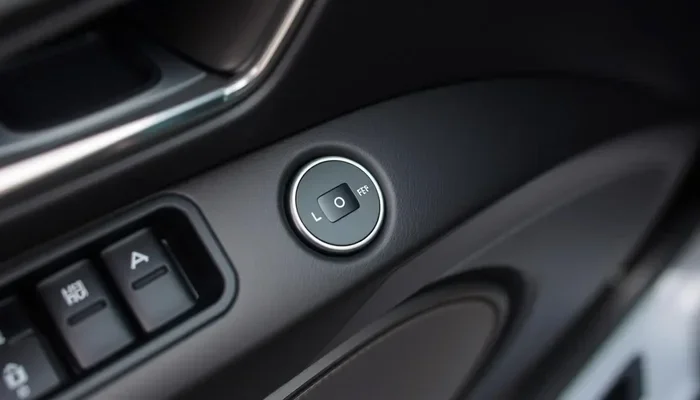
Most vehicles place the fuel door release button in one of three main areas. The driver’s side dashboard area is the most common spot across all vehicle types. Many cars have a small icon near the driver’s seat that looks like a fuel pump. Pressing this icon releases the side fuel door electronically. The second most common location is the driver’s floor area, just below the steering wheel. A third option is the trunk or rear seat area, especially in SUVs and larger vehicles where space inside the cabin is limited.
Some older cars use a fuel door handle on the outside of the car fuel tank door. You simply pull the handle, and the door pops open. Newer vehicles rely on electronic gas door release mechanisms that are controlled from inside the cabin. Both systems work well, but the electronic versions are more convenient and easier to use. The fuel filler door on modern cars also tends to have a smoother, more integrated design that blends into the body of the vehicle.
Why Vehicle Manufacturers Place It Differently
Car designers have many reasons for placing the fuel filler door in different spots. Safety is a big factor. Manufacturers want the fuel door positioned away from hot exhaust components and moving parts. They also consider aerodynamics and overall body design when deciding where to place the car fuel tank door. The driver’s side placement is common because it keeps the fuel door away from traffic in right-hand drive countries. Some brands use the left side for models sold in left-hand drive markets.
The type of vehicle also matters significantly. A compact car has less interior space than a full-size SUV, so the fuel door actuator needs to fit in a smaller area. Luxury brands often hide the release behind a subtle switch or a touchscreen menu. Understanding these design choices helps you know what to look for on your specific car. Always refer to the owner’s manual if you are unsure about the gas cap location on your particular model.
How to Open the Gas Tank by Vehicle Type
Different vehicle types use different methods for the gas tank lid release. Here is a breakdown by vehicle category. This will help you identify the right approach for your specific car or truck.
Sedans and Compact Cars
Most sedans and compact cars place the dashboard fuel button on the driver’s side. Look for a small fuel pump icon near the driver’s seat or on the dashboard panel. In many models from Toyota, Honda, and Ford, this is the standard setup. The button is usually located to the left of the steering column or on the floor console. For example, a Toyota Camry has the fuel door release below the driver’s side dashboard. A Honda Civic places it near the driver’s seat on the left side. These are simple push-button releases that pop open the fuel filler door with a light press.
SUVs and Trucks
SUVs and trucks often use a different approach for the fuel door release button. Many full-size SUVs like the Chevrolet Tahoe or Ford Expedition place the gas tank unlock switch inside the trunk. You may need to open the rear hatch or liftgate to find it. The switch is usually on the left side of the trunk interior, near the spare tire area. Trucks sometimes use a pull lever near the driver’s seat instead. The trunk fuel release lever is often hidden behind a small cover or trim panel. Once you find it, pulling the lever releases the car fuel tank door. Some truck models also offer a remote release through the key fob, which adds extra convenience.
Luxury and European Vehicles
Luxury brands like BMW, Mercedes-Benz, and Audi often use touchscreen controls for the gas cap location. You may need to navigate the infotainment system to find the fuel door release option. On some BMW models, you press the fuel door button on the iDrive controller. Mercedes-Benz vehicles often have a setting in the vehicle menu that controls the side fuel door. Audi models may require you to go through the MMI system to access the fuel filler door release.
European cars sometimes use a fuel door actuator that is more sensitive than American models. If the battery is low, the actuator may not work properly. This is an important thing to keep in mind if you drive a luxury or imported vehicle. Always make sure your battery is in good condition to avoid issues with the car fuel tank door release.
Comparison Table: Gas Tank Button Locations by Vehicle Type
| Vehicle Type | Common Button Location | Release Method |
|---|---|---|
| Sedan | Driver’s side dashboard | Push button |
| Compact Car | Left side of driver’s seat | Push button |
| SUV | Inside trunk or rear hatch | Switch or lever |
| Truck | Driver’s floor area or trunk | Lever or button |
| Luxury Car | Infotainment touchscreen | Digital menu option |
| Compact SUV | Driver’s side dashboard | Push button |
This table shows how varied the gas cap location can be across different vehicles. Always check your owner’s manual if you are unsure about your specific model. The table covers the most common setups, but some specialty vehicles may differ.
Step-by-Step Guide to Opening Your Fuel Door
Now that you know where to look, let us walk through the exact steps. This process works for most vehicles with electronic fuel door release buttons. Follow these simple steps and you will have your car fuel tank door open in no time.
Step 1: Park the Vehicle and Turn Off the Engine
Safety comes first. Always park on a flat surface and turn off the engine before opening the fuel filler door. Do not open the fuel door while the engine is running. This prevents fuel vapors from igniting near hot engine components and keeps you safe at the pump. Wait for the engine to cool down if you have been driving for a long time. Taking this simple precaution protects you and your vehicle.
Step 2: Find the Release Mechanism
Look for the fuel door release button inside the cabin. Check the driver’s side dashboard, the floor area, or the trunk. The button often has a small fuel pump icon next to it. On some vehicles, you may need to open the driver’s door to see the release. In other cars, the button is visible even when the door is closed. If you cannot find a button, look for a lever instead. Some vehicles use a fuel door handle that you pull rather than push. The lever is usually located near the driver’s seat or on the floor console.
Step 3: Press or Pull the Release
Once you find the gas tank unlock mechanism, press the button or pull the lever. You should hear a click or feel the door release. The fuel filler door will pop open slightly. Go to the outside of the vehicle and gently pull the door open the rest of the way. Do not force the door open. If it does not move, check for a child safety lock or a stuck latch. Forcing the door can damage the fuel door actuator and lead to expensive repairs.
Step 4: Remove the Gas Cap and Fill Up
With the car fuel tank door open, you can now remove the vehicle fuel cap. Turn the cap counterclockwise to unscrew it. Insert the fuel nozzle and fill your tank. When you are done, replace the cap by turning it clockwise until it clicks. Close the fuel filler door firmly until it latches. A properly sealed fuel door actuator prevents fuel vapors from escaping and keeps your engine running efficiently.
What to Do When the Fuel Door Won’t Open
Sometimes the fuel door release button does not work. This can be frustrating, especially when you are in a hurry to fill up. Here is what to do when your car fuel tank door refuses to open.
Check for a Child Safety Lock
Many vehicles have a child safety lock for the fuel door. This feature prevents the fuel door from opening from the inside. Check your owner’s manual to see if your car has this feature. The lock is usually a small switch near the driver’s seat or on the dashboard. Flip the switch to the unlock position and try again. This simple fix resolves the issue more often than you might think.
Reset the Fuel Door Actuator
If the fuel door actuator is not responding, try resetting it. Turn the ignition off and wait for 30 seconds. Turn the ignition back on and press the fuel door release button again. This simple reset often fixes electronic issues with the gas door release mechanism. If the reset does not work, there may be a wiring or motor problem that requires professional attention. Do not keep pressing the button repeatedly, as this can drain the battery.
When to Call a Professional
If none of the above steps work, it is time to call a professional. A stuck car fuel door could signal a broken actuator, a faulty switch, or a wiring issue. Do not try to pry the door open yourself. Forcing the fuel filler door can damage the surrounding body panels and lead to costly repairs. A certified mechanic can diagnose and fix the problem quickly and safely. Most fuel door repairs are affordable and take less than an hour to complete.
Quick Tips for Gas Tank Maintenance
Taking care of your vehicle fuel cap and fuel door can save you money and headaches over time. Here are some quick tips to keep everything working smoothly.
Keep the Fuel Cap Clean
Dirt and debris can build up around the gas cap over time. Wipe the cap and the surrounding area with a clean cloth every few weeks. This prevents grime from getting into the fuel system. A clean vehicle fuel cap also ensures a proper seal, which improves fuel efficiency and reduces emissions. Use a mild soap and water solution for tough grime.
Replace the Gas Cap When Needed
A worn-out vehicle fuel cap can cause fuel evaporation and trigger the check engine light. If your gas cap is cracked, loose, or does not seal properly, replace it right away. Gas caps are inexpensive and easy to find. Most auto parts stores carry caps for all major vehicle makes and models. A new fuel filler door cap is one of the cheapest and most effective maintenance items you can replace.
Lubricate the Fuel Door Hinge
The fuel door hinge can become stiff over time, especially in cold weather. Apply a small amount of silicone lubricant to the hinge and latch once or twice a year. This keeps the fuel filler door opening and closing smoothly. It also prevents rust and corrosion on metal components. A well-lubricated fuel door actuator lasts longer and operates more quietly.
Listen for Unusual Noises
Pay attention to any unusual sounds when opening or closing the car fuel tank door. Clicking, grinding, or squeaking noises can indicate a problem with the fuel door actuator or latch. Catching these issues early can prevent bigger problems down the road. A small repair today can save you from a costly replacement tomorrow.
Expert Insights and Common Mistakes
Even experienced drivers make mistakes when dealing with the fuel door release button. Here are some expert insights and common pitfalls to avoid.
Top Mistakes Drivers Make
The biggest mistake is assuming all cars work the same way. Just because your last vehicle had the release on the dashboard does not mean your new car does. Always check the owner’s manual for your specific model. Another common mistake is forcing the fuel door open when it is stuck. This can break the latch, damage the actuator, or crack the door panel. Patience is key when dealing with a car fuel tank door that will not open.
Some drivers forget to check the trunk fuel release on SUVs and trucks. They keep looking for a dashboard button and miss the switch inside the cargo area. Others ignore the gas tank lid warning light on the dashboard. This light can indicate a loose or missing fuel cap, which wastes fuel and increases emissions. Addressing the warning light promptly can save you money at the pump.
Expert Advice for Better Fuel Access
Automotive experts recommend familiarizing yourself with your vehicle’s fuel door release mechanism before you actually need it. Take a few minutes to locate the button or lever when you first get a new car. Practice opening and closing the fuel filler door a few times so you know how it feels when it releases properly. This simple habit builds confidence and saves time in the long run.
Experts also suggest keeping a spare vehicle fuel cap in your trunk. Caps can get lost or damaged, and having a replacement on hand saves a trip to the auto parts store. Finally, if you notice any issues with your car fuel tank door, address them promptly. Small problems can quickly become expensive repairs if ignored. Regular attention to your fuel door release button keeps everything working smoothly for years.
Conclusion
Knowing where is the button to open the gas tank on your vehicle is a simple skill that saves time and frustration. Whether your car uses a dashboard button, a trunk switch, or a touchscreen control, the process is straightforward once you know what to look for. The fuel door release button location varies by vehicle type, brand, and model, but the steps to open the car fuel tank door are almost always the same.
Keep this guide handy for reference. Share it with a friend who always forgets where the gas cap location is on their car. Taking care of your fuel filler door and vehicle fuel cap ensures reliable fuel access for years to come. Now you know exactly how to find and use the fuel door release button on any vehicle. Go ahead and fill up with confidence every time you hit the road.
Frequently Asked Questions
Can I open the gas tank door while the car is running?
It is not recommended to open the fuel filler door while the engine is running. Fuel vapors can ignite near hot engine components, creating a safety hazard. Always turn off the engine and let the vehicle cool down before opening the car fuel tank door. This simple precaution keeps you safe every time you fill up.
What does the fuel door icon look like on the dashboard?
The dashboard fuel button icon typically looks like a small fuel pump. It may have an arrow pointing to the side of the vehicle where the fuel filler door is located. The arrow helps you remember which side of the car to approach at the gas station. If you are unsure, check your owner’s manual for the exact icon design.
Why is my fuel door release button not working?
A non-working fuel door release button can be caused by several issues. A blown fuse, a faulty actuator, or a dead battery can all prevent the button from functioning. Try resetting the system by turning the ignition off and on again. If the problem persists, consult a certified mechanic to diagnose the fuel door actuator or wiring issue.
Can I manually open a stuck fuel door?
Some vehicles have a manual release cable for the car fuel tank door. This cable is usually located in the trunk behind a trim panel. Pulling the cable releases the latch even if the electronic button fails. Check your owner’s manual to see if your car has this feature. Never try to pry the door open with tools, as this can cause damage to the fuel filler door and surrounding panels.
How much does it cost to replace a fuel door actuator?
Replacing a fuel door actuator typically costs between $150 and $400, depending on the vehicle make and model. Labor costs vary by location and dealership rates. The actuator part itself is relatively affordable. Regular maintenance and gentle use of the fuel door release button can help extend the life of the actuator and delay the need for replacement.
Is it safe to drive with the fuel door open?
Driving with the fuel filler door open is not safe. It exposes the fuel tank to dirt, debris, and moisture, which can contaminate the fuel. An open door also creates drag, reducing fuel efficiency. If the door pops open while driving, pull over safely and secure it before continuing. Always double-check that the car fuel tank door is fully closed and latched before driving.