Where Can I Charge My Electric Car?
Where can I charge my electric car? You have more options than ever, including at home, at public stations, at work, and even at shopping centers. This guide covers every charging method, from Level 1 to DC fast charging, so you can confidently keep your battery full wherever you go.
Owning an electric car brings a lot of freedom, but it also comes with one big question: where can I charge my electric car? Whether you just bought your first EV or are thinking about making the switch, finding the right charging spot matters a lot.
The good news is that charging options have grown fast over the last few years. You can plug in at home, at work, or at thousands of public locations. This guide walks you through every option so you always know where to find power.
We will cover home setups, public stations, fast charging, and smart tips to make charging part of your daily routine. By the end, you will feel confident about keeping your car charged no matter where life takes you.
Key Takeaways
- Home Charging: Installing a wall charger is the most convenient and cost-effective way to power up daily.
- Public Stations: Thousands of public charging points are available at malls, parking lots, and rest stops nationwide.
- DC Fast Charging: Gets you back on the road in under an hour for long trips and emergencies.
- Workplace Charging: More employers are adding EVSE stations to support electric car owners.
- Apps Make It Easy: Charging network apps help you locate, reserve, and pay for stations in seconds.
- Cost Savings: Charging at home or work is almost always cheaper than using public fast chargers.
📑 Table of Contents
- Understanding Your EV Charging Options
- Charging at Home
- Public Charging Stations
- Workplace and Destination Charging
- How to Find Charging Stations Near You
- Tips for Maximizing Your Charging Experience
- Common Mistakes EV Owners Make When Charging
- Expert Insights on EV Charging
- The Future of EV Charging
- Key Takeaways
- Conclusion
Understanding Your EV Charging Options
Before we dive into specific locations, it helps to understand the different types of charging available. Not all charging stations work the same way, and each one serves a different purpose.
Level 1 Charging
Level 1 charging uses a standard household outlet. Every electric car comes with a Level 1 charging cable in the trunk. You just plug it into any regular wall outlet, and that is it.
This method is slow. It adds about 3 to 5 miles of range per hour. Level 1 works best for plug-in hybrids or as a backup option. Most full EV owners do not rely on Level 1 as their main charging method.
Level 2 Charging
Level 2 is the most popular choice for home and public charging. It uses a 240-volt outlet, similar to what a clothes dryer uses. A Level 2 charger adds about 25 to 30 miles of range per hour.
Many electric car owners install a Level 2 wall charger in their garage or driveway. You can also find Level 2 stations at shopping centers, hotels, and office buildings. This is the sweet spot for most daily charging needs.
DC Fast Charging
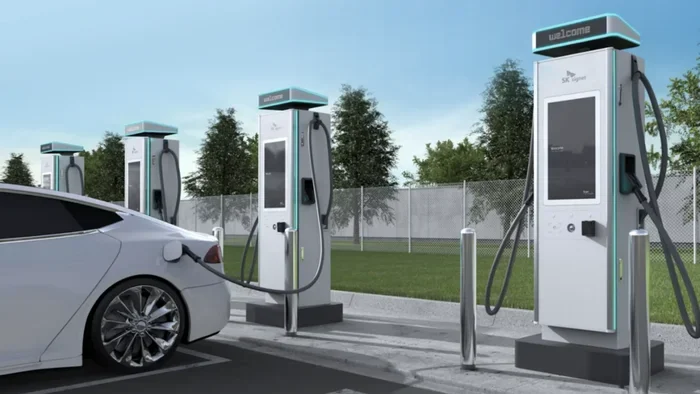
DC fast charging is the quickest option available. It uses high-powered equipment to add significant range in just minutes. A DC fast charger can give you up to 200 miles of range in about 30 minutes, depending on your vehicle.
These stations are perfect for road trips and emergency top-ups. You will find them along highways, at rest areas, and in busy urban areas. Just keep in mind that frequent fast charging can reduce battery health over time.
Charging at Home
Home charging is the most convenient way to keep your electric car ready to go. Most EV owners plug in every night, just like charging a phone. Wake up every morning with a full battery.
Setting Up a Home Charging Station
To set up a home charging station, you need two things: a compatible charging cable and an electrical outlet. For Level 2 charging, you will need a licensed electrician to install a dedicated 240-volt circuit.
The cost of a home charger varies. A basic Level 2 wall charger costs between $400 and $800 for the equipment. Installation by an electrician typically adds another $200 to $600. But many states and utility companies offer rebates that can cut these costs significantly.
Why Home Charging Makes Sense
Home charging saves you time and money. You never have to drive to a station or wait in line. You simply plug in when you arrive home, and your car is ready when you leave in the morning.
Electricity rates at home are almost always lower than public charging prices. Some utility companies even offer special EV rates that are cheaper during off-peak hours. This means you can save even more by scheduling your charging overnight.
Garage vs. Driveway Charging
Having a garage makes installation easier and protects your equipment from weather. But you can also charge on a driveway. Many EV owners use a weatherproof charging station mounted on an exterior wall.
If you park on the street, things get trickier. You may need permission from your local council to install a charger. Some cities are now adding on-street charging points to help residents without driveways.
Public Charging Stations
Public charging stations are everywhere now, and they keep growing. You can find them at grocery stores, shopping malls, parking garages, and even on city streets.
Types of Public Charging Locations
Public charging comes in many forms. Here are the most common places you will find them:
- Shopping Centers: Many malls now offer EV charging while you shop. You can top up your battery and grab dinner at the same time.
- Parking Garages: Downtown parking facilities increasingly include charging spots. Some are free, while others charge a hourly fee.
- Rest Stops and Travel Centers: Highway rest areas are adding fast chargers for road-tripping EV owners.
- Gas Stations: Some traditional gas stations now offer EV charging alongside fuel pumps. This makes them convenient for drivers on the go.
- Grocery Stores and Supermarkets: Retailers love offering charging because it brings customers in. You can charge your car while you do your shopping.
Charging Networks to Know
Several major charging networks operate across the country. Each has its own app and payment system. Here are the biggest names:
- Tesla Superchargers: Tesla has built the largest fast-charging network in the world. Non-Tesla vehicles can now use Superchargers in many regions with an adapter or compatible connector.
- ChargePoint: One of the largest networks with thousands of Level 2 and fast chargers across North America.
- EVgo: Focuses on DC fast charging at highway locations and urban centers.
- Electrify America: A major fast-charging network backed by Volkswagen, with stations across the US.
- Blink: Operates public charging stations in many states, including Level 2 and fast options.
How Much Does Public Charging Cost?
Public charging costs vary widely. Level 2 stations at shopping centers might be free or charge a small hourly fee. DC fast chargers typically cost between $0.30 and $0.60 per kilowatt-hour.
Some networks charge a monthly subscription fee, while others let you pay per session. Always check the pricing before you plug in. Apps like PlugShare and the individual network apps show real-time pricing information.
Workplace and Destination Charging
Workplace charging is one of the fastest-growing segments in the EV world. More employers are recognizing the value of offering charging stations for their employees.
Charging at Your Office
If your employer has installed EVSE stations, you can charge while you work. This is a huge perk. You arrive in the morning with a low battery and leave with a full one.
Workplace charging is often free or offered at a reduced rate. Some companies share the cost with employees, while others cover it entirely as part of their sustainability efforts.
Destination Charging for Travel
Destination charging refers to slower chargers placed at places where you plan to stay for a while. Hotels, resorts, campgrounds, and tourist attractions are common spots for destination charging.
This type of charging is perfect for overnight stays. You plug in when you arrive, and your car is ready to go when you check out. Many hotels now advertise EV charging as an amenity to attract guests.
Community and Apartment Charging
Living in an apartment or condo does not mean you cannot own an electric car. Many communities are adding shared charging stations in their parking areas.
Some cities require new apartment buildings to include EV-ready wiring. If your building does not have chargers yet, you can work with your property manager to explore installation options. Group purchasing programs can help reduce costs for residents.
How to Find Charging Stations Near You
Finding a charging station has never been easier. Several tools and apps help you locate the nearest options in seconds.
Best Apps for Locating Chargers
Here are the most popular apps for finding where can I charge my electric car nearby:
- PlugShare: One of the most comprehensive apps. It shows all types of chargers, user reviews, and real-time availability.
- Google Maps: Simply search for “EV charging stations near me” and Google will show you options with details and reviews.
- Chargeway: Uses a simple color-coded system to help you find the right charger for your vehicle.
- A Better Routeplanner: Great for planning longer trips. It maps out charging stops along your route.
- Individual Network Apps: ChargePoint, Tesla, EVgo, and Electrify America all have their own apps with station locators.
Planning Long Trips
Road trips in an electric car require a bit more planning than gas-powered trips. Use a route planner that includes charging stops. Input your car’s battery range and the planner will suggest where to stop.
Always have a backup plan. Not every station is available 24/7. Some chargers may be out of service or occupied. Having a second option nearby gives you peace of mind.
Tips for Maximizing Your Charging Experience
A little planning goes a long way when it comes to EV charging. These practical tips will help you get the most out of every charging session.
Charge During Off-Peak Hours
Electricity is cheaper during off-peak hours, usually late at night and early morning. If you charge at home, set a timer to start charging during these periods. You will save money and help reduce strain on the electrical grid.
Keep Your Battery Between 20% and 80%
Most EV experts recommend keeping your battery level between 20% and 80% for daily use. This range helps preserve battery health and extends the overall lifespan of your car’s battery.
Only charge to 100% when you need the full range for a long trip. Regularly draining your battery to zero can degrade its capacity over time.
Invest in a Home Charger
If you have regular access to a parking spot at home, a Level 2 charger is worth every penny. It turns your daily routine into a seamless charging habit. You will never worry about running low again.
Join a Charging Network
Many charging networks offer membership programs with discounted rates. Signing up can save you a surprising amount of money over time. Some networks also offer priority access to chargers during busy times.
Keep Your Charging Cable Organized
A simple but often overlooked tip: keep your charging cable clean and stored properly. A damaged cable can slow down charging or create safety issues. A cable management hook or bag keeps things tidy.
Understand Your Car’s Charging Speed
Every electric car has a maximum charging rate. Your car cannot charge faster than its onboard charger allows, even if the station supports higher speeds. Check your owner’s manual to understand your car’s limits.
Common Mistakes EV Owners Make When Charging
Avoid these common mistakes to keep your charging experience smooth and efficient:
- Ignoring Charging App Notifications: Many stations send alerts when a charger becomes available or when maintenance is scheduled.
- Leaving the Car Plugged In at 100%: Keeping your car connected after reaching full charge can stress the battery over time.
- Not Checking Connector Compatibility: Different stations use different connectors. Make sure the station matches your car’s charging port.
- Forgetting to Bring Your Own Cable: While most stations have cables, some older or less-maintained ones may not. Having your own cable is a good backup.
- Relying Only on Fast Charging: Fast charging is convenient but should not replace regular Level 2 charging for daily use.
Expert Insights on EV Charging
We spoke with several EV owners and industry experts about their charging habits. Here is what they had to say.
Most EV owners charge at home overnight and rarely use public stations for daily driving. Home charging handles about 80 to 90 percent of all charging needs, according to industry surveys. Public and fast charging fill in the gaps for road trips and occasional top-ups.
“The biggest myth about electric cars is that you will always be searching for a charger,” says one long-time EV owner. “Once you have a home setup, charging becomes invisible. You just plug in and forget about it.”
Experts also recommend building a routine. Plug in every time you park at home, even if the battery is not low. This habit keeps your car always ready and reduces range anxiety significantly.
The Future of EV Charging
The EV charging landscape is evolving quickly. New technologies and infrastructure are making it easier than ever to keep your car powered up.
Wireless charging is one of the most exciting developments. Imagine parking your car over a charging pad and having it charge without plugging in. Several companies are already testing this technology for both home and public use.
Ultra-fast charging stations are also on the horizon. Some companies are working on chargers that can add 200 miles of range in just 10 minutes. These breakthroughs will make long-distance EV travel even more convenient.
More states and countries are investing in public charging infrastructure. Federal funding programs are expanding the network of fast chargers along highways and in rural areas. This means the answer to “where can I charge my electric car” will only get easier in the coming years.
Key Takeaways
- Home Charging Is King: A Level 2 wall charger at home gives you the most convenient and affordable daily charging experience.
- Public Stations Are Everywhere: Shopping centers, parking garages, and rest stops now offer Level 2 and fast charging options.
- DC Fast Charging Saves Time: Use fast chargers for road trips and emergencies, but rely on Level 2 for your daily routine.
- Workplace Charging Is a Game Changer: Charging at work means you start and end your day with a full battery.
- Use Apps to Stay Informed: PlugShare, Google Maps, and network-specific apps make finding chargers effortless.
- Build Good Charging Habits: Charge during off-peak hours, keep your battery between 20% and 80%, and plug in consistently.
Conclusion
The question “where can I charge my electric car” has never had a better answer. You have more options today than at any point in EV history. Home charging keeps your car ready every morning. Public stations give you flexibility when you are out and about. Fast chargers handle those long road trips with ease.
With the right setup and a few smart habits, charging becomes second nature. You will stop thinking about it and just do it, like plugging in your phone at night. The more you use your charging routine, the more natural it feels.
Take the time to explore your options. Install a home charger if you can, download a station-finding app, and try different public locations. Once you find what works for you, charging your electric car will feel effortless. Enjoy the drive, and know that power is always within reach.
Frequently Asked Questions
How long does it take to charge an electric car at home?
A Level 2 home charger typically takes 4 to 8 hours to fully charge an electric car from empty. Most owners plug in overnight and wake up to a full battery every morning. The exact time depends on your car’s battery size and the charger’s power output.
Is EV charging free at public stations?
Some public charging stations are free, especially those at shopping centers and hotels. However, many Level 2 and DC fast charging stations charge a fee. Costs vary by network, location, and charging speed, so always check before you plug in.
Can I use any charging station for my electric car?
Most modern EVs use the CCS or CHAdeMO connector standards, which are widely supported. Tesla vehicles use a proprietary connector but can use other stations with an adapter. Always check that the station’s connector matches your car’s charging port.
What is the difference between Level 1, Level 2, and DC fast charging?
Level 1 uses a standard wall outlet and charges slowly, adding about 3 to 5 miles of range per hour. Level 2 uses a 240-volt outlet and adds 25 to 30 miles per hour. DC fast charging uses high-powered equipment and can add up to 200 miles of range in 30 minutes.
How much does it cost to charge an electric car?
Home charging costs depend on your local electricity rate, but it is usually much cheaper than gasoline. On average, fully charging an EV at home costs between $8 and $15. Public fast charging costs more, typically $10 to $30 per session depending on the battery size and station pricing.
Are public EV charging stations safe to use?
Yes, public charging stations are designed with multiple safety features. They include weatherproof connections, automatic shut-off, and built-in surge protection. Always use stations from reputable networks and inspect the cable for damage before plugging in.