What Causes the Security Light to Come On and How to Fix It
The security light on your dashboard can turn on for many reasons, from a weak key fob battery to a faulty door lock sensor. Understanding what causes the security light to come on helps you act fast and avoid costly repairs. This guide walks you through the most common triggers and gives you clear, step-by-step fixes you can try at home.
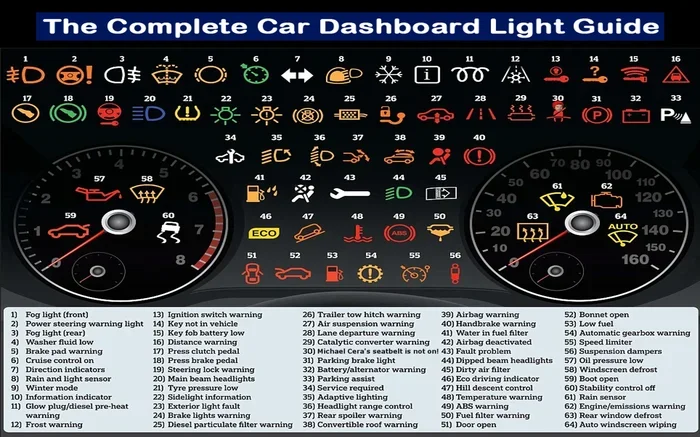
You are driving down the road, minding your own business, when suddenly a little yellow or red light shaped like a lock or a car with a key pops up on your dashboard. Your heart skips a beat. What does it mean? Is your car stolen? Is something broken? Take a breath. More often than not, this security light is your car trying to tell you something, and it is not always as scary as it looks.
The security light coming on is one of the most common dashboard warnings drivers face. It can show up on almost any vehicle, from brand-new models to older cars with high mileage. Sometimes it stays on. Sometimes it blinks. And sometimes it shows up only when you try to start the engine. Whatever the case, knowing what causes the security light to come on puts you back in control. You will not feel helpless or confused anymore.
In this guide, we will break down every major reason your car security light might be acting up. We will also walk you through practical fixes you can try yourself and tell you exactly when it is time to call a professional. Whether you are a seasoned car owner or someone who just started driving, this article has you covered.
Key Takeaways
- Dead or weak key fob battery: A common and easy-to-fix cause that trips the security system.
- Faulty door, hood, or trunk sensors: These can mistakenly signal an intrusion to your car’s computer.
- Ignition switch or immobilizer problems: Prevent the engine from starting and keep the light on.
- Aftermarket alarm system issues: Poorly installed alarms often trigger the security light unexpectedly.
- Wiring and fuse problems: Corroded or damaged wires can cause intermittent security light behavior.
- Resetting the system often works: A simple reset can clear the light in many cases.
- When to see a mechanic: Some causes need professional diagnosis with an OBD scanner.
📑 Table of Contents
- What Does the Security Light Actually Mean?
- Common Causes of the Security Light Coming On
- How to Diagnose the Problem Yourself
- How to Fix the Security Light Issue
- Prevention Tips to Keep the Security Light Off
- When to See a Professional Mechanic
- Understanding Different Car Brands and Their Security Lights
- Quick Tips for Handling a Security Light Emergency
- Conclusion
What Does the Security Light Actually Mean?
Before we dive into causes and fixes, let us talk about what the security warning light actually represents. Every modern vehicle comes with some form of an anti-theft system. This system is designed to protect your car from theft. It works by disabling the engine or fuel system if someone tries to hotwire or break in.
The security indicator light is the visual part of this system. When your car is running normally, this light usually turns off within a few seconds of starting the engine. If it stays on or starts flashing, the system has detected something it does not recognize as normal.
How the Anti-Theft System Works
Most cars today use a vehicle immobilizer. This is a small computer chip inside your key or key fob. When you turn the ignition, the car checks if the chip matches the code stored in the security module. If the codes match, the engine starts. If they do not match, the engine stays locked. The security light on dashboard is the signal that tells you the system is active or has detected a mismatch.
Some older vehicles use a simple alarm that triggers a horn and lights. Newer vehicles use sophisticated transponder key technology. No matter which type your car has, the security warning light serves the same purpose: it lets you know the protection system is working or that something has gone wrong.
Common Causes of the Security Light Coming On
Now that you understand what the light means, let us look at the actual reasons it turns on. These are the most common culprits that mechanics and car owners encounter every day.
Dead or Weak Key Fob Battery
This is the number one reason the security light comes on. Your key fob has a tiny battery inside it. When that battery starts to die, the fob cannot send the correct signal to your car. The car’s immobilizer system does not recognize the key, so it triggers the warning light.
You will often notice this happens more in cold weather. Cold temperatures drain batteries faster. If your key fob is more than a year old, try replacing the battery first. It is cheap, easy, and solves the problem more often than you would think.
Faulty Door, Hood, or Trunk Sensors
Your car has small sensors on every door, the hood, and the trunk. These sensors tell the car when something is open or closed. If one of these sensors gets stuck or fails, the car thinks a door is open even when it is not. This can trigger the security light on dashboard and sometimes set off the alarm too.
A door lock sensor problem is especially common after car washes or in rainy weather. Water can get into the sensor and cause it to malfunction. A hood latch sensor can also get dirty or corroded over time, leading to false readings.
Ignition Switch Problems
The ignition switch is what you turn when you start your car. Over time, the contacts inside the switch can wear out. When this happens, the security module may not receive a steady signal from the key. This causes the security warning light to stay on and can even prevent the engine from starting.
Ignition switch issues are more common in older vehicles with higher mileage. If you notice the light comes on mostly when turning the key to a certain position, the ignition switch is likely the problem.
Aftermarket Alarm System Malfunctions
If you or a previous owner installed an aftermarket alarm system, it could be the source of your trouble. Cheap or poorly installed alarms often interfere with the factory car security system. The two systems can conflict with each other, causing the security light to come on randomly.
Some aftermarket alarms also have their own wiring that connects directly to the car’s electrical system. If those wires get loose or corroded, the alarm may send false signals. This is a very common issue in older cars that have had alarm systems replaced or upgraded over the years.
Wiring and Electrical Issues
Your car has miles of wiring running through it. Some of those wires connect directly to the security system and the alarm system. A damaged wire, a loose connection, or a corroded connector can all cause the security light to blink or stay solid.
Rodents love to chew on car wiring, especially during cold months. If you park your car outside, check under the hood for chewed wires. A fuse box problem can also cause the light to come on. A blown fuse in the security circuit will interrupt the system and trigger the warning.
Faulty Transponder Key or Key Fob
Your transponder key contains a small chip that communicates with your car. If that chip gets damaged, cracked, or demagnetized, the car will not recognize it. The vehicle immobilizer will stay active, and the security indicator light will remain on.
Dropping your key fob on a hard surface can damage the internal chip. Water damage is another common cause. Even sitting the key fob too close to a strong magnet can interfere with the chip’s function.
Computer or Module Reset Needed
Sometimes the car’s computer simply needs a reset. This can happen after a battery change, a jump start, or a power surge. The security module may lose its programming temporarily, causing the dashboard warning light to stay on even when everything is working correctly.
A reset is usually a quick fix. In some cases, you just need to disconnect the battery for a few minutes and reconnect it. Other times, the security module needs to be reprogrammed with a diagnostic tool.
How to Diagnose the Problem Yourself
Before you rush to the mechanic, there are several things you can check at home. These simple steps can save you time and money.
Step 1: Check the Key Fob Battery
Start with the easiest fix. Open your key fob and replace the battery. A standard CR2032 battery costs just a couple of dollars. After replacing it, try starting the car. If the security light goes off, you have found your culprit.
Pro tip: Keep a spare battery in your glove box. You never know when you will need it, especially during road trips.
Step 2: Inspect All Doors, Hood, and Trunk
Open and close every door, the hood, and the trunk. Listen for clicking sounds that might indicate a sensor is not engaging properly. Check for any debris or dirt around the door lock sensors and hood latch sensor. Sometimes a simple cleaning with a cloth is all it takes to fix the issue.
Step 3: Try a Spare Key
If you have a spare key, try using it. If the security light goes off with the spare key, your primary key fob or transponder chip is likely the problem. This is a quick way to narrow down the cause without any tools.
Step 4: Check the Fuse Box
Locate your car’s fuse box, which is usually under the dashboard or under the hood. Look for the fuse labeled “security,” “alarm,” or “immobilizer.” If the fuse is blown, replace it with one of the same amperage. If the new fuse blows right away, you have a deeper wiring issue that needs professional attention.
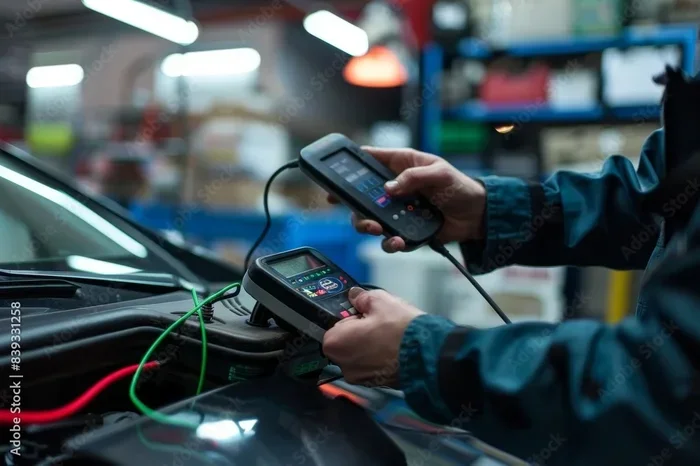
Step 5: Use an OBD Scanner
An OBD scanner is a small device that plugs into your car’s diagnostic port. This port is usually located under the dashboard on the driver’s side. The scanner reads error codes from your car’s computer. Many auto parts stores will let you borrow one for free.
Look for codes that start with “U” or “B.” These often relate to the security system and body control module. Writing down these codes before visiting a mechanic can save you diagnostic fees.
How to Fix the Security Light Issue
Once you know what is causing the security light to come on, fixing it becomes much easier. Here are the most effective solutions for each common cause.
Replace the Key Fob Battery
Pop open the key fob with a small flathead screwdriver. Remove the old battery and insert a new one, matching the positive and negative sides correctly. Snap the fob back together and test it. This fix takes less than two minutes and costs under five dollars.
Clean or Replace Door Sensors
Use a cotton swab and a little rubbing alcohol to clean around the door latch area. If cleaning does not work, the sensor may need to be replaced. Replacement sensors are affordable and easy to install. You can find detailed video tutorials for almost every car model online.
Reset the Security System
To reset the system, try this simple method. Turn the key to the “on” position without starting the engine. Wait for ten to fifteen minutes. The security light should turn off. Turn the key back to “off” and wait another five seconds. Then start the engine. This basic reset works for many vehicles and clears temporary glitches in the security module.
Replace a Faulty Ignition Switch
If the ignition switch is the problem, you will need to replace it. This is a moderate repair that can be done at home with basic tools. You will need to remove the steering column cover and disconnect the old switch. Install the new one and reconnect everything. If you are not comfortable with this, a mechanic can do it for a reasonable price.
Fix or Remove Aftermarket Alarm Systems
If your aftermarket alarm is causing issues, consider having it professionally reinstalled or removed entirely. A quality installation from a reputable shop will prevent most wiring and compatibility problems. If the alarm is old and constantly causing issues, removing it and relying on the factory anti-theft system may be the best option.
Repair Damaged Wiring
For wiring issues, start by inspecting all visible wires under the hood. Look for frayed insulation, bare wires, or chewed cables. Use electrical tape or heat shrink tubing to repair small damage. For larger issues, a professional electrician or mechanic should handle the repair to ensure safety and reliability.
Prevention Tips to Keep the Security Light Off
Prevention is always better than cure. Here are some simple habits that can keep your car security system running smoothly and prevent the warning light from showing up unexpectedly.
- Replace your key fob battery every one to two years, even if it still seems to work. This prevents sudden failures.
- Keep your key fob away from strong magnets and electronic devices that can interfere with the transponder chip.
- Do not force keys or fobs into the ignition. This can damage both the key and the ignition switch over time.
- Wash your car regularly, especially in winter when road salt can corrode sensors and wiring.
- Have your car inspected annually by a trusted mechanic who can check the security module and alarm system.
- Park in covered or secure areas to protect your car from weather damage and reduce the risk of theft attempts.
When to See a Professional Mechanic
While many security light issues can be fixed at home, some problems require professional help. If you have tried all the steps above and the light is still on, it is time to see a mechanic. The same goes for situations where the car will not start at all or the alarm system keeps going off randomly.
A professional mechanic has access to advanced OBD scanners and specialized tools that can read deeper error codes. They can also perform a full security module diagnostic and check the wiring throughout the entire vehicle. This level of diagnosis is something most car owners cannot do at home.
Do not ignore the security warning light for too long. A persistent light can drain your battery, cause starting problems, or even leave your car vulnerable to theft. Addressing the issue quickly saves you from bigger headaches down the road.
Understanding Different Car Brands and Their Security Lights
Different car brands use slightly different security indicator light designs and behaviors. Understanding these differences can help you interpret what your specific car is trying to tell you.
Ford and Lincoln Vehicles
Ford vehicles often show a security light that flashes rapidly when the immobilizer is active. If the light stays solid, it usually indicates a problem with the Passkey system or the ignition cylinder. Many Ford owners report the light coming on after a battery replacement, which usually resolves with a simple reset.
Chevrolet and GMC Vehicles
Chevrolet and GMC trucks and SUVs use the Passlock system. When the security light stays on, it often means the system did not recognize the key resistance value. This is a known issue in many GM models and can usually be fixed by waiting ten minutes with the key in the “on” position.
Toyota and Lexus Vehicles
Toyota and Lexus vehicles use a transponder key system that is generally very reliable. When the security light comes on in these vehicles, it is often related to the key fob battery or a damaged transponder chip. These cars rarely have complex security issues, making diagnosis relatively straightforward.
BMW and Mercedes-Benz Vehicles
Luxury brands like BMW and Mercedes-Benz have advanced car security systems with multiple layers of protection. The security warning light in these vehicles can be triggered by a low key fob battery, a faulty door sensor, or a problem with the central locking system. These cars also require specialized diagnostic tools for full system checks.
Quick Tips for Handling a Security Light Emergency
Here are some quick tips to keep in mind if the security light comes on while you are driving or trying to start your car.
- Do not panic. The light is a warning, not an emergency. Your car is not being stolen right now.
- Try restarting the car. Sometimes turning the engine off and back on clears a temporary glitch.
- Check your key fob. If the battery is low, replacing it may solve the problem instantly.
- Do not keep trying to start the car if it fails repeatedly. This can drain the battery further.
- Note when the light appeared. Did it come on after a battery change? After a car wash? This information helps mechanics diagnose the issue faster.
Conclusion
The security light on your dashboard is there to protect you and your vehicle. When it comes on, it is not something to ignore, but it is also not something to panic about. Understanding what causes the security light to come on gives you the confidence to handle the situation calmly and effectively.
From a simple key fob battery replacement to more complex wiring or module issues, the causes range from easy DIY fixes to problems that need a professional touch. The key is to start with the simplest solutions and work your way up. Most of the time, the fix is quick, affordable, and something you can handle yourself.
Keep your car maintained, pay attention to warning lights, and do not let the security indicator light sit ignored for weeks. Your car’s anti-theft system is one of its most valuable features. Taking care of it means taking care of your vehicle and your peace of mind.
Frequently Asked Questions
Can I drive my car with the security light on?
In most cases, yes. The security light being on usually means the system is active but does not always prevent driving. However, if the car will not start or the engine cuts out while driving, pull over safely and seek assistance. Continuing to drive with a persistent light can sometimes lead to bigger electrical problems.
How much does it cost to fix the security light issue?
The cost varies widely depending on the cause. A key fob battery replacement costs around five to ten dollars. Cleaning or replacing a door sensor might run fifty to one hundred dollars. More complex issues like an ignition switch or security module repair can cost between two hundred and five hundred dollars. Always get a quote before authorizing any work.
Will the security light reset itself?
Sometimes it does, especially if the issue was temporary, like a weak key fob signal or a brief electrical glitch. However, if the underlying problem is not fixed, the light will likely come back. It is always best to diagnose and address the root cause rather than hoping it will go away on its own.
Can a dead car battery cause the security light to come on?
Yes, absolutely. A dead or weak car battery can disrupt the power supply to the security module, causing the light to turn on. This often happens after a jump start or when the battery is old and needs replacement. Replacing the battery or ensuring a stable charge usually resolves the light.
How do I know if my transponder key is damaged?
If your car starts with the spare key but not with the primary key, the transponder chip in the primary key is likely damaged. You may also notice the security light blinks rapidly when you use that specific key. A locksmith or dealership can replace or reprogram the key for you.
Is it safe to use an aftermarket alarm system with my factory security?
It can be, but only if it is installed correctly by a professional. Poorly installed aftermarket alarm systems often conflict with the factory car security system, leading to the security light staying on or the alarm triggering randomly. Always have aftermarket systems installed by experienced technicians who understand your vehicle’s wiring and security architecture.