Should Traction Control Be On or Off in Snow Roads
Should traction control be on or off in snow? The answer depends on road conditions and what you are trying to do. Traction control helps prevent wheel slip on slippery roads, but there are times when turning it off gives you better control. This guide breaks down exactly when to keep it on and when to switch it off for safer winter driving.
Should traction control be on or off in snow? This is one of the most asked questions by drivers every winter season. The answer is not a simple yes or no. It depends on road conditions, snow depth, and what you are trying to do. Understanding how your traction control system works can make a huge difference in your safety. This guide gives you clear, practical answers you can use right away.
Every winter, thousands of accidents happen because drivers do not understand their vehicle systems. Traction control is designed to help, but it is not always the right choice for every situation. Knowing when to keep it on and when to turn it off is a skill every winter driver should have. In this article, we will walk through everything you need to know. You will learn how the system works, when to use it, and when to disable it for better control.
Key Takeaways
- Keep traction control on for most snow driving: It prevents wheel spin and helps maintain stability on icy roads.
- Turn it off when stuck in deep snow: Disabling traction control allows wheels to spin freely, helping you rock the vehicle out.
- Traction control works with ABS: The anti-lock braking system and traction control team up to improve driving safety.
- Know your drivetrain: Four-wheel drive and all-wheel drive vehicles still need traction control for optimal road traction.
- Combine with snow tires: Traction control works best when paired with proper snow tires for winter weather conditions.
- Slow down regardless: No system replaces safe driving habits on slippery roads and winter weather.
- Turn traction control back on after recovery: If you turn it off to get unstuck, always re-enable it before continuing to drive.
📑 Table of Contents
- What Does Traction Control Actually Do?
- Should Traction Control Be On or Off in Snow Roads?
- Traction Control and Your Drivetrain: Four-Wheel Drive vs. All-Wheel Drive
- Traction Control vs. Other Winter Safety Systems
- Expert Tips for Driving Safely on Snow Roads
- Common Mistakes Drivers Make in Snow
- Key Takeaways
- Conclusion
What Does Traction Control Actually Do?
Before you decide if traction control should be on or off, you need to understand what it does. Traction control is a safety feature found in most modern vehicles. Its job is to stop your wheels from spinning out when you accelerate. The system uses sensors on each wheel to detect wheel slip. When one wheel starts spinning faster than the others, the system immediately steps in to correct it.
Here is how it works in simple terms:
- The sensors on each wheel monitor their speed constantly.
- If a wheel spins faster than the others, the system detects this.
- It reduces engine power to that wheel automatically.
- It may also apply the brakes to slow that wheel down.
- This helps the car regain road traction quickly and safely.
Most vehicles also include electronic stability control as part of the same system. This adds another important layer of protection. Stability control helps you stay on your intended path during sudden swerves or slides. Together, traction control and stability control make winter driving much safer for most people on most road surfaces.
How Traction Control Helps on Slippery Roads
On slippery roads, traction control acts like a safety net. When you hit an icy patch unexpectedly, your wheels can spin out of control in less than a second. Without traction control, you might lose the ability to steer. The system prevents this by limiting wheel spin before it becomes a serious problem. This is especially valuable during winter weather when road conditions change from one block to the next.
Think about this real-world scenario. You are driving on a snow-covered highway. You need to accelerate to merge onto a faster lane. Without traction control, your rear wheels might spin wildly on the ice. The car could slide sideways into another lane. With traction control active, the system adjusts power to each wheel individually. You get smooth, controlled acceleration. You stay in your lane. Everyone is safer.
The Connection Between Traction Control and ABS
Traction control works hand in hand with the anti-lock braking system, commonly known as ABS. ABS prevents your wheels from locking up when you brake hard on ice or snow. Traction control prevents wheels from spinning when you press the gas. Both systems use the same wheel speed sensors. They share data with your vehicle’s computer in real time to keep you stable.
Together, these systems greatly improve driving safety on snow and ice. They give you more confidence when you need it most. However, they are not magic. They cannot create grip where none exists. They also cannot break the laws of physics. There are still situations where you need to take control and override the system. Knowing those situations is what this article is all about.
Should Traction Control Be On or Off in Snow Roads?
The short answer is: keep it on for most situations. But the full answer requires a closer look. Should traction control be on or off in snow depends entirely on what you are trying to do and where you are driving. Let us explore the different scenarios in detail.
When to Keep Traction Control On
In most winter driving situations, traction control should stay on without question. Here are the times when keeping it on is the right and safe choice:
- Driving on icy roads: The system prevents sudden wheel spin and helps you maintain steering control at all times.
- Cruising on snow-covered highways: Traction control keeps your vehicle stable during both acceleration and deceleration.
- Driving in winter weather with mixed rain and snow: Changing conditions create unpredictable surfaces. Traction control adapts to these changes faster than any human can.
- Navigating slippery intersections: Stop-and-go traffic on icy roads benefits greatly from having active traction control managing your wheel grip.
- Using front-wheel traction on packed snow: The system helps front wheels maintain grip instead of spinning uselessly on the surface.
When traction control is on, your vehicle stability improves significantly. The system acts like an extra set of experienced eyes on the road. It reacts in milliseconds, far faster than any driver can respond. This is especially helpful for people who do not drive in snow regularly or who are driving in unfamiliar winter conditions. For everyday snow road driving, keeping traction control on is absolutely the safest choice.
When to Turn Traction Control Off
There are specific situations where turning off traction control makes perfect sense. Knowing when to do this can save you from getting completely stuck or even help prevent a more serious situation. Here are the main times you should consider switching traction control off:
- When stuck in deep snow: If your vehicle is buried or stuck in deep snow, spinning wheels can help you dig out and find traction. Traction control will fight against this by cutting engine power, and you will stay stuck.
- Driving on fresh powder snow: Deep, loose snow requires different wheel speeds and more spin to move forward. Traction control can interfere with your ability to gain momentum in fresh powder.
- When trying to climb a steep snowy hill: Sometimes you need controlled wheel spin to build enough momentum to reach the top. The system may cut power too early, leaving you stranded halfway up.
- Using tire chains on snow tires: Chains change the way your wheels rotate and the speed sensors read. Traction control may give false readings or interfere with your driving when chains are installed.
- Recovery from a rear-wheel slip situation: In some specific skid scenarios, having full manual control over wheel spin helps you correct the slide more effectively than the automated system.
The key rule is simple: turn traction control off only when you need to, and turn it back on as soon as conditions improve. Do not drive long distances with traction control disabled. You lose a major safety feature that protects you on slippery roads and during winter weather. Treat disabling traction control as a temporary tool, not a permanent setting.
The Right Way to Toggle Traction Control
Most vehicles have a traction control button located near the steering column or on the center console. Pressing it once usually turns the system off, and a warning light will appear on your dashboard. This light typically looks like a car with squiggly lines behind it. Press the button again to turn the system back on, and the light will disappear.
Here are some quick tips for toggling traction control properly:
- Always check your dashboard to confirm the system is on or off before you start driving.
- Make sure traction control is back on before you hit clear or dry road surfaces.
- If you cannot find the button, check your vehicle owner’s manual for the exact location.
- Some newer vehicles automatically disable traction control when you switch to a specific off-road or snow driving mode.
- Never drive with traction control off on high-speed highways or busy roads.
Traction Control and Your Drivetrain: Four-Wheel Drive vs. All-Wheel Drive
Your drivetrain type affects how traction control works in snow. Both four-wheel drive and all-wheel drive help with road traction, but they work differently. Traction control plays a distinct role with each drivetrain, and understanding this helps you make better decisions on snow roads.
Four-Wheel Drive and Traction Control
Four-wheel drive sends power to all four wheels simultaneously. This helps you move forward on snow where two-wheel drive vehicles would struggle. But here is the important part: 4WD does not help you stop or turn. That is where traction control becomes essential. With 4WD and traction control on, you get better front-wheel traction and improved rear-wheel slip management. The system balances power between all four wheels to keep you stable and moving in the right direction.
However, 4WD can give drivers a dangerous false sense of security. Many people think they can drive at normal speeds in snow because they have four-wheel drive. This is a risky assumption. Traction control does not improve your braking distance. It only helps with acceleration. You still need to slow down significantly and drive carefully on icy roads and snow roads, regardless of your drivetrain type.
All-Wheel Drive and Traction Control
All-wheel drive systems are generally more sophisticated than traditional 4WD. They can send power to whichever wheels need it most at any given moment. AWD works very well with traction control. The two systems complement each other perfectly. AWD distributes power across all wheels, and traction control fine-tunes that distribution for maximum grip. Together, they provide excellent vehicle stability on snow and ice.
Even with AWD, you should never ignore or disable traction control for extended periods. The electronic system adds a layer of protection that AWD alone cannot provide. It helps when road conditions change suddenly from packed snow to bare ice. AWD cannot adjust for that change as quickly. Traction control can. Keep both systems active for the best driving safety during winter storms.
Traction Control vs. Other Winter Safety Systems
Traction control does not work alone in your vehicle. Your car has several systems designed to help with driving safety in snow. Understanding how they all work together gives you a complete picture of winter vehicle control and helps you make smarter decisions on the road.
Traction Control vs. Electronic Stability Control
People often confuse traction control with electronic stability control, but they serve different purposes. Traction control prevents wheel spin during acceleration on slippery roads. Electronic stability control helps you maintain your intended direction when the car starts to slide or skid. If your vehicle begins to oversteer or understeer, stability control applies brakes to individual wheels to correct the slide and bring you back on track.
Both systems share the same wheel speed sensors and communicate constantly. When traction control is off, stability control may also be affected depending on your vehicle model. Check your owner’s manual to understand exactly how your specific system handles this interaction. For most vehicles, turning off traction control also reduces the effectiveness of stability control, which is another reason to keep it on whenever possible.
Traction Control vs. Snow Tires
No electronic system can replace the physical grip that good snow tires provide. Traction control manages the grip you already have. Snow tires give you significantly more grip to work with in the first place. The two systems work best when used together. Think of traction control as the manager and snow tires as the workers. The manager directs the workers, but the workers need to be strong enough to do the job.
Here is a comparison of these two essential winter driving tools:
- Traction control: Manages wheel spin electronically. Works on any road surface regardless of conditions. Cannot create grip where the tires simply cannot find any.
- Snow tires: Provide physical grip through specialized rubber compounds and deep tread patterns designed for cold temperatures and snow. They are the foundation of winter traction.
- Together: They offer the best possible road traction and driving safety for any winter driving condition you will face.
Traction Control vs. Tire Chains
Tire chains provide the most extreme level of grip on deep snow and ice. They are ideal for severe winter conditions, steep mountain passes, and roads with heavy snow accumulation. Traction control works with chains but may need to be turned off in some cases. Chains change the way your wheels rotate and the speed at which they move. The traction control sensors may give false readings or react incorrectly when chains are installed on your wheels.
If you use tire chains, here is what you should do to stay safe:
- Turn off traction control before you install chains on your tires.
- Drive slowly with chains on and never exceed 30 miles per hour.
- Remove chains as soon as you reach cleared or paved roads.
- Turn traction control back on immediately after removing the chains.
- Check your owner’s manual for specific guidance on chains and traction control interaction for your vehicle model.
Expert Tips for Driving Safely on Snow Roads
Traction control is just one piece of the winter driving puzzle. Safe winter driving requires a complete approach that combines technology, preparation, and smart decision-making. Here are expert tips that will keep you safer on snow roads throughout the entire winter season.
Slow Down and Increase Following Distance
Speed is the single biggest enemy you face on snow roads. Even with traction control fully engaged, you cannot safely drive at normal speeds on snow and ice. Reduce your speed by at least one-third below the posted limit when roads are covered in snow. Increase your following distance to six or more seconds behind the vehicle ahead of you. This extra space gives you precious time to react if the car in front of you stops suddenly on a slippery surface.
Remember that braking distance increases dramatically on snow and ice. What takes 50 feet to stop on dry pavement can take 200 feet or more on a snow-covered road. Traction control helps with acceleration and preventing wheel spin, but it does not directly improve your stopping power. That is where ABS and your snow tires come into play. Even with all systems working perfectly, you must allow extra time and distance for every stop and turn.
Gentle Inputs Are the Secret to Control
Smooth and gentle inputs are the secret weapon of experienced winter drivers. Avoid sudden movements of any kind, whether it is steering, braking, or accelerating. Here is what gentle driving looks like in practice:
- Smooth acceleration: Press the gas pedal gently and gradually. Never slam your foot down on the accelerator, especially on snow or ice.
- Gradual braking: Start braking much earlier than you normally would. Apply steady, firm pressure rather than pumping or slamming the brakes.
- Soft steering: Turn the steering wheel slowly and smoothly. Jerky, sudden steering inputs are the number one cause of skids on snow roads.
- Anticipate stops and turns: Lift your foot off the gas pedal early when you see a red light or a turn ahead. Coasting gives you more control.
When you combine gentle inputs with active traction control, you create a winning combination for winter weather driving. The system does the hard work of managing wheel grip, but it needs you to give it smooth, predictable inputs to work with effectively. Jerky movements confuse the system and can override its corrections.
Keep Your Lights On and Visibility Clear
Visibility drops significantly during winter weather conditions. Snow, sleet, freezing rain, and fog all reduce your sight lines dramatically. Keep your headlights on low beam at all times during winter driving. This helps other drivers see your vehicle from a greater distance. It also helps you see the road, lane markings, and potential hazards ahead more clearly. Traction control keeps you stable, but good visibility keeps you aware and prepared for what is coming.
Also make sure you clear all snow and ice from your windows, mirrors, lights, and roof before driving. A clear view is essential for safe winter driving. No amount of traction control can help you if you cannot see where you are going.
Know When to Stop Driving Entirely
Sometimes the safest and smartest choice is to stay off the road completely. If winter weather conditions are severe, consider postponing your trip or finding a safe place to wait it out. No destination is worth putting your life at risk. Traction control and all the other driving safety systems can only do so much. They cannot replace good judgment and common sense.
Watch for these warning signs that tell you it is time to pull over and wait:
- Visibility drops below a level where you can see the road clearly ahead.
- Road conditions worsen rapidly and you lose confidence in your vehicle’s grip.
- Your vehicle starts to feel unstable or unresponsive despite traction control being active.
- Emergency vehicles and snow plows are pulling off the road ahead of you.
- You feel tired, cold, or unable to focus on the challenging road conditions.
Common Mistakes Drivers Make in Snow
Even experienced drivers make mistakes on snow roads every winter. Knowing these common errors helps you avoid them and stay safer. Here are the top mistakes that drivers make and how to avoid them.
Relying Too Much on Technology
Traction control and AWD are helpful tools, but they are not magic. They assist you, but they have clear physical limits. Some drivers develop a dangerous mindset where they think they can drive at high speeds because their car has advanced electronic systems. This is one of the most common and most dangerous mistakes winter drivers make. Technology assists you. It does not replace your attention, your judgment, or your driving skills. Always stay engaged and alert regardless of what safety systems your vehicle has.
Not Checking Tire Condition Before Winter
Your tires are your only contact point with the road. Worn tires lose grip extremely fast on snow and ice, no matter how advanced your traction control system is. Check your tire tread depth before winter arrives. The classic penny test works well. Insert a penny into the tread with Lincoln’s head facing down. If you can see the top of his head, your tires are too worn and need to be replaced. Consider investing in quality snow tires for the best possible road traction during winter weather. They make a dramatic difference in both acceleration and braking.
Ignoring the Traction Control Warning Light
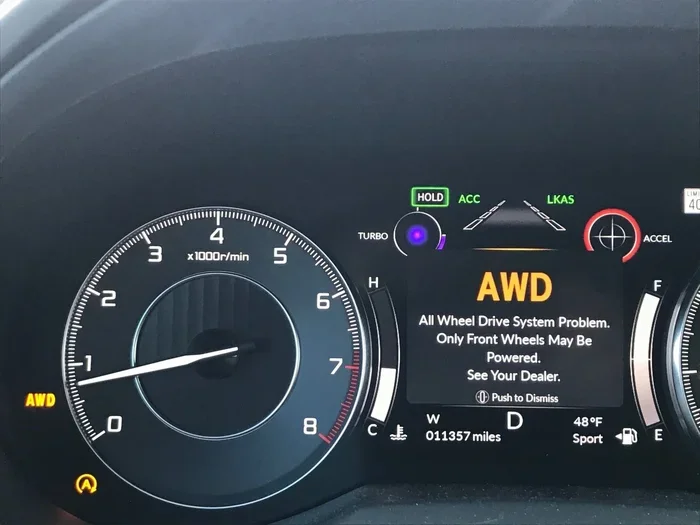
If your traction control warning light stays on after you start driving, do not ignore it. This usually means the system has detected a problem and may not be functioning correctly. Common causes include a faulty wheel speed sensor, a damaged wiring harness, or a malfunction in the control module. Driving without functioning traction control on snow and ice is a serious risk. Have your vehicle inspected by a qualified mechanic as soon as you notice the light staying on. It is a small repair that could save your life on a slippery road.
Key Takeaways
- Keep traction control on for most snow driving: It prevents wheel spin and helps maintain stability on icy roads and snow roads.
- Turn it off when stuck in deep snow: Disabling traction control allows wheels to spin freely, helping you rock the vehicle out of deep snow.
- Traction control works with ABS: The anti-lock braking system and traction control team up to improve overall driving safety on slippery surfaces.
- Know your drivetrain: Four-wheel drive and all-wheel drive vehicles still need active traction control for optimal road traction in snow.
- Combine with snow tires: Traction control works best when paired with proper snow tires for the best results in winter weather.
- Slow down regardless: No electronic system replaces safe driving habits on slippery roads and during severe winter weather conditions.
- Turn traction control back on after recovery: If you turn it off to get unstuck, always re-enable it before continuing to drive on any road surface.
Conclusion
The question of should traction control be on or off in snow does not have a single answer that fits every situation. For the vast majority of driving scenarios, keeping traction control on is the safest and smartest choice. It helps you maintain vehicle stability on icy roads and slippery roads. It works seamlessly with your ABS and stability control systems to provide a comprehensive safety net for your winter driving experience.
However, there are specific moments when turning it off makes complete sense. When you are stuck in deep snow and need wheel spin to find traction, disabling the system gives you the freedom to rock the vehicle and get moving again. When you are using tire chains, turning off traction control prevents the sensors from giving false readings. In these cases, switching off traction control is the right move. Just remember the golden rule: turn it back on as soon as conditions improve and you are no longer stuck.
Safe winter driving is about combining technology with good judgment and smart habits. Use your traction control wisely and understand its strengths and limitations. Drive at reduced speeds. Keep generous following distances. Invest in quality snow tires for the best possible grip. No single system will keep you completely safe on its own. But when you combine traction control, proper tires, gentle driving inputs, and smart decision-making, you create a powerful safety system that protects you on every snow road journey you take.
Take what you have learned here and put it into practice on your next winter drive. Your driving safety depends on the choices you make behind the wheel every single time you head out in winter weather. Stay informed about how your vehicle systems work. Stay cautious and alert. And most importantly, stay safe out there on the snow roads this winter season.
Frequently Asked Questions
Can I drive with traction control off on snow roads?
Yes, you can drive with traction control off on snow roads, but only in specific situations where you need it. Turning it off is helpful when you are stuck in deep snow and need wheel spin to get unstuck. For normal driving on snow-covered roads, keep traction control on for better stability and overall driving safety.
Does turning off traction control help when stuck in deep snow?
Yes, turning off traction control can help when your vehicle is stuck in deep snow. When you are buried, your wheels need to spin freely to dig through snow and find solid ground underneath. Traction control will fight against this by constantly cutting engine power to spinning wheels. Disabling it lets you rock the vehicle back and forth to build momentum and free yourself from the snow.
Is traction control the same as electronic stability control?
No, traction control and electronic stability control are related but serve different purposes. Traction control prevents wheel spin during acceleration on slippery roads and snow. Electronic stability control helps you maintain your intended direction when the vehicle starts to slide or skid. Both systems work together and share sensors to improve your safety during winter weather driving.
Should I turn off traction control when I am using snow tires?
No, you should keep traction control on when using snow tires. Snow tires give you better physical grip, and traction control manages how that grip is used during acceleration. The two systems complement each other perfectly for the best road traction possible. Turning off traction control with snow tires reduces your safety margin rather than improving it.
What should I do if my traction control warning light stays on in snow?
If the traction control warning light stays on after you start your vehicle, the system may not be working correctly. This could be caused by a faulty wheel speed sensor, damaged wiring, or a control module issue. Driving without functioning traction control on snow and ice is risky. Have your vehicle inspected by a qualified mechanic as soon as possible to ensure your vehicle stability systems are working properly.
Do I still need traction control if my vehicle has four-wheel drive?
Yes, you absolutely still need traction control even with four-wheel drive. Four-wheel drive helps you move forward on snow, but it does not help you stop or turn corners safely. Traction control manages wheel slip during acceleration and works with ABS to improve overall driving safety on snow roads. Both systems together give you the best protection during winter driving.