Should I Get 35 or 20 Tint On My Car Windows Today
Choosing between 35% tint and 20% tint comes down to your priorities. A 35% tint offers a lighter look with great visibility, while a 20% tint provides deeper privacy and better heat rejection. Both options have unique benefits that cater to different driving needs and style preferences.
Deciding on the right shade for your car windows can feel overwhelming. You have seen cars zoom by with dark, sleek windows and wondered what it would look like on yours. Then you hear the numbers — 35% and 20% tint — and suddenly everything gets confusing. What do these numbers even mean? And more importantly, which one is right for you?
This guide cuts through the noise. We will walk you through everything you need to know about 35% tint vs 20% tint. By the end, you will have a clear answer on whether to go lighter or darker for your ride. Let us dive in.
Key Takeaways
- 35% tint is ideal for: drivers who want a subtle look, better visibility, and easier nighttime driving.
- 20% tint is best for: those who prioritize privacy, heat rejection, and a sleeker dark appearance.
- Legal limits vary by state: always check your local tint laws before choosing a darkness level.
- Heat rejection improves with darker tints: 20% blocks more solar energy than 35% in most cases.
- Both tints protect your interior: they reduce UV damage to your seats, dashboard, and skin.
- Professional installation matters: a skilled installer ensures bubble-free, long-lasting results.
- Your driving habits matter: consider where you drive, how often you drive at night, and your climate.
📑 Table of Contents
- What Do the Numbers on Window Tint Mean?
- 35% Tint: The Balanced Choice
- 20% Tint: The Dark and Stylish Option
- 35% vs 20% Tint: Head-to-Head Comparison
- Tint Film Types: Does the Material Matter?
- Tint Laws You Need to Know
- Practical Tips for Choosing Your Tint Shade
- Common Mistakes People Make When Choosing Window Tint
- Expert Insight: What Tint Professionals Recommend
- Final Verdict: Which Tint Should You Choose?
What Do the Numbers on Window Tint Mean?
Before we compare the two shades, let us understand what the numbers actually represent. The percentage refers to the Visible Light Transmission, or VLT, of the tint film. This is the amount of light the film allows to pass through your windows.
Understanding VLT Percentages
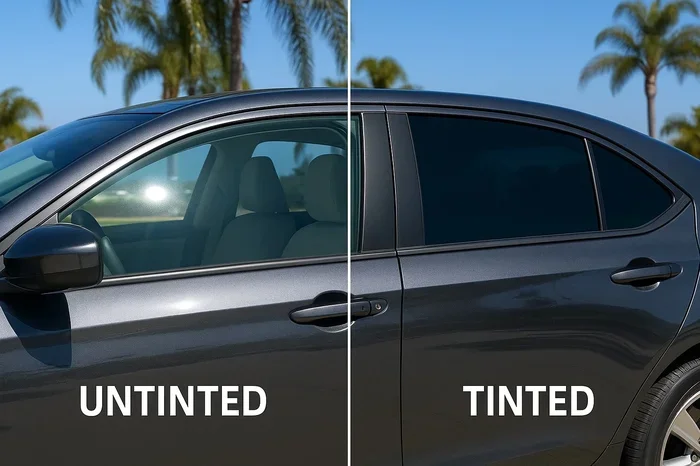
A higher percentage means more light gets through. So a 35% tint lets 35% of light pass and blocks 65%. A 20% tint only lets 20% of light through and blocks 80%. The lower the number, the darker the film.
Think of it like sunglasses for your car. A lighter tint is like wearing yellow-lens glasses. A darker tint is like wearing heavy smoked lenses. Both protect your eyes, but they do it differently.
Most car windows come with a factory VLT somewhere around 70% to 80%. That means adding any tint will darken them further. The key question is how much darker you want to go.
35% Tint: The Balanced Choice
35% tint has become one of the most popular choices among car owners. It strikes a sweet spot between style and function. Many drivers choose this shade because it looks great without going overboard.
Benefits of 35% Tint
There are several reasons why 35% tint works so well for everyday drivers:
- Better visibility: You can see the road clearly, even at night or in rain.
- Legal compliance: In many states, 35% is within the legal limit for all windows.
- Subtle appearance: It adds a polished look without looking too dark or aggressive.
- Easier tint inspection: Many states pass 35% tint during safety inspections.
- Good UV protection: Even at 35%, quality films block up to 99% of harmful UV rays.
Who Should Choose 35% Tint?
If you drive a lot at night, 35% tint is a smart pick. It keeps your view clear while still offering privacy and heat reduction. Parents with young kids often prefer this shade because they can easily see their children in the back seat. City drivers who park on the street also benefit from the lighter tint, as it allows them to glance in and check their belongings.
Also, if you live in a state with strict tint laws, 35% is often the safest legal option for all windows. States like California and New York have specific VLT requirements, and 35% usually keeps you on the right side of the law.
Limitations of 35% Tint
Let us be honest. 35% tint does not block as much heat as darker options. If you live in a hot climate like Arizona or Texas, you might still feel the sun beating down on a scorching day. It also offers less privacy than a 20% tint. People sitting next to you can still see into your car fairly easily.
And if you want that sleek, luxury look, 35% might feel a bit too light. It does not give you the dramatic, dark finish that turns heads.
20% Tint: The Dark and Stylish Option
20% tint is the go-to choice for drivers who want a bold, customized look. This shade darkens your windows significantly and gives your car a polished, premium feel. It is the shade you often see on luxury sedans and SUVs.
Benefits of 20% Tint
Here is why so many car owners love 20% tint:
- Superior heat rejection: Darker film blocks more solar energy and keeps your car cooler.
- Enhanced privacy: It is much harder for people to see inside your vehicle.
- UV protection: Like 35% tint, quality 20% films block up to 99% of UV rays.
- Interior protection: Less light means less fading on your seats and dashboard.
- Sleek appearance: 20% tint gives your car a refined, high-end look.
Who Should Choose 20% Tint?
If you live in a hot, sunny area, 20% tint can make a noticeable difference in your car’s temperature. You will feel less like a sauna when you get in after a day of parking outside. It also works well for people who value their privacy and do not want strangers looking into their car.
Business professionals often prefer 20% tint because it gives their vehicle a polished, executive look. It also works great for anyone who wants to protect their car’s interior from sun damage over the long term. If you have expensive leather seats or a wooden dashboard, this tint helps preserve them.
Limitations of 20% Tint
The biggest downside to 20% tint is visibility at night. It can make driving in poorly lit areas more challenging, especially for newer drivers. Rain, fog, and snow can also reduce your view more than you might expect with this shade.
Legal restrictions also come into play. Many states do not allow 20% tint on front side windows. You may need to leave your driver and passenger windows lighter and only tint the back windows and rear windshield. Always check your local tint laws before committing to a 20% shade.
35% vs 20% Tint: Head-to-Head Comparison
Now let us put the two options side by side. This comparison will help you make a final decision with confidence.
Light Transmission and Visibility
With 35% tint, you get more natural light inside your car. The cabin feels open and airy. Night driving remains comfortable, and you can easily read road signs and see pedestrians. With 20% tint, the interior feels darker and more enclosed. You will notice a difference in visibility, especially after sunset.
Heat Rejection and Comfort
20% tint wins when it comes to keeping your car cool. The darker film absorbs and reflects more solar energy. In direct sunlight, the temperature difference can be significant — sometimes 10 to 15 degrees cooler inside. 35% tint still provides good heat rejection, but it does not match the darker option.
Privacy and Security
If you park in busy areas or leave valuables in your car, 20% tint gives you peace of mind. It is much harder for passersby to see what is inside. 35% tint offers some privacy but is not as effective. Someone standing close to your window can still make out shapes and objects.
Legal Considerations
Tint laws vary widely from state to state. Some states allow 20% on all windows, while others restrict it to the rear windows only. 35% is generally more widely accepted and often passes inspection without issues.
Cost Differences
The price difference between 35% and 20% tint is usually minimal. The cost depends more on the type of film — ceramic, carbon, or dyed — than the shade percentage. A high-quality ceramic tint will cost more regardless of whether you choose 35% or 20%.
| Feature | 35% Tint | 20% Tint |
|---|---|---|
| Light Transmission | 35% of light passes through | 20% of light passes through |
| Heat Rejection | Good | Excellent |
| Privacy Level | Moderate | High |
| Night Visibility | Very Good | Moderate |
| UV Protection | Up to 99% | Up to 99% |
| Legal Restrictions | Fewer restrictions | More restrictions |
| Appearance | Subtle and clean | Dark and sleek |
| Interior Protection | Good | Very Good |
| Average Cost Range | $150-$400 | $150-$400 |
Tint Film Types: Does the Material Matter?
When you decide between 35% and 20% tint, the film material also plays a big role. Not all tint films are created equal. The type you choose affects performance, durability, and price.
Dyed Tint Film
Dyed tint is the most affordable option. It uses a layer of dye to absorb heat and reduce light. However, dyed films tend to fade over time and may bubble after a few years. They also offer the least heat rejection compared to other types.
Metalized Tint Film
Metalized films contain tiny metallic particles that reflect heat. They are more durable than dyed tint and offer better heat rejection. The downside is they can interfere with cell phone signals and GPS navigation. Some people also find the metallic look less appealing.
Carbon Tint Film
Carbon films are a popular middle-ground option. They do not contain metal, so they will not interfere with electronics. Carbon tint looks matte and non-reflective, which many car owners prefer. It also offers solid heat rejection and does not fade easily.
Ceramic Tint Film
Ceramic tint is the premium choice. It uses nano-ceramic particles to block heat without adding color or metal. The result is the best heat rejection on the market without any signal interference. Ceramic films also provide superior UV protection and last longer than other options. They do cost more, but the performance is worth it for many drivers.
No matter which shade you pick — 35% or 20% — the film type will determine how well it performs. A good ceramic 35% tint may outperform a cheap dyed 20% tint in terms of heat rejection and durability.
Tint Laws You Need to Know
One of the most important factors in choosing your tint shade is understanding the law. Every state has different rules about how dark your tint can be. Ignoring these laws can lead to fines, failed inspections, and even being forced to remove your tint.
Common Tint Law Restrictions
Most states have a VLT limit for front side windows. Many require these windows to stay above 35% or 50%. Rear windows and the rear windshield often have fewer restrictions, allowing darker tints like 20% or even 5%.
Some states also require a dual side mirror if you tint your rear windows. Others mandate a visible light sticker on the driver’s window to prove compliance. It is worth doing a quick search on your state’s specific tint regulations before you visit an installer.
Medical Exemptions
A few states allow medical exemptions for darker tint. If you have a condition that makes you sensitive to sunlight, you may qualify for a special permit that allows you to tint beyond the standard limits. Check with your local Department of Motor Vehicles for details.
Practical Tips for Choosing Your Tint Shade
Still not sure which shade is right for you? Here are some practical tips that can help you decide.
Consider Your Climate
Live in a hot, sunny state like Florida or Nevada? Go with 20% tint for maximum heat rejection. Live in a cooler, cloudier climate like Washington or Oregon? 35% tint will serve you just fine and give you better visibility during those overcast days.
Think About Your Driving Schedule
Do you drive mostly during the day? Either shade works. Do you commute at night or in low-light conditions? Stick with 35% for safer driving. If you rarely drive at night, 20% is a perfectly fine choice.
Consider Your Vehicle Type
Sedans often look great with 20% tint because the windows are smaller and the shape is sleeker. SUVs and trucks can pull off either shade, but 35% tint tends to look more balanced on larger vehicles. If you have a compact car, 20% might feel too dark and make the car look smaller.
Talk to a Professional Installer
A reputable tint shop can show you sample films in both shades. They can help you see the difference in person and recommend the best option for your car and lifestyle. Many shops offer free consultations, so take advantage of that.
Common Mistakes People Make When Choosing Window Tint
Avoid these common pitfalls that can ruin your tinting experience:
- Choosing the darkest option without checking the law: This leads to tickets and having to remove the tint.
- Picking the cheapest film available: Low-quality films fade, bubble, and peel within a year or two.
- Ignoring the front windshield: Most states do not allow any tint on the front windshield except for a thin strip at the top.
- Skipping the curing time: Your tint needs time to fully cure. Avoid rolling down your windows for at least three to five days after installation.
- Not considering the back seat visibility: If you have kids or pets, make sure you can still see into the back seat for safety.
Expert Insight: What Tint Professionals Recommend
Most professional installers agree that 35% tint is the safest all-around choice for daily drivers. It offers a great balance of style, comfort, and legal compliance. However, they also acknowledge that 20% tint is the preferred choice for drivers who prioritize heat rejection and privacy.
Many experts suggest tinting only the rear windows with 20% and keeping the front side windows at 35%. This approach gives you the best of both worlds. You get a sleek look from the outside while maintaining excellent visibility from the driver’s seat.
Another tip from the pros: always invest in a quality film. A top-tier ceramic film at 35% will outperform a budget film at 20% in almost every category. The material matters just as much as the shade.
Final Verdict: Which Tint Should You Choose?
The answer to whether you should get 35 or 20 tint on your car windows depends on your personal needs. If you want a balanced, practical option that works for most situations, 35% tint is the way to go. It offers great visibility, solid heat rejection, and fewer legal headaches.
If you live in a hot climate, value privacy, and want a bold, premium look, 20% tint is your best bet. Just make sure you understand your local laws and are comfortable with the reduced nighttime visibility.
Either way, investing in quality window tint pays off. You protect your car’s interior, reduce glare, block harmful UV rays, and add a custom touch to your vehicle. Take your time, do your research, and choose the shade that fits your lifestyle best.
Whichever you pick, work with a trusted, experienced installer. A perfect application makes all the difference. Your tint should look smooth, bubble-free, and last for years to come.
Now you have all the information you need to make a confident decision. The road ahead — literally — is yours to tint the way you want it.
Frequently Asked Questions
Is 35% tint legal in all states?
Most states allow 35% tint on front side windows, but some have stricter limits like 50% or 30%. Always check your specific state’s tint laws before getting your windows tinted to avoid fines or having to remove the film.
Can I tint my front windshield with 20% film?
No, most states do not allow any tint on the front windshield except for a narrow strip at the top. The front windshield has strict regulations, so plan to tint only the side and rear windows with darker shades.
Does 20% tint make my car hotter inside at night?
No, tint does not affect interior temperature at night. In fact, it can keep your car slightly warmer at night by retaining some heat. During the day, however, 20% tint keeps the interior significantly cooler than 35% tint.
How long does window tint last on average?
Quality tint films last between five and ten years. Dyed films may fade sooner, while ceramic and carbon films can last the full lifespan of your vehicle with proper care and maintenance.
Can I tint my car windows myself?
You can, but professional installation almost always produces better results. DIY tint kits often lead to bubbles, peeling, and uneven application. A professional installer has the tools, experience, and clean environment to do the job right the first time.
Will tint affect my GPS or phone signal?
Only metalized tint films can interfere with GPS and cell signals. Ceramic and carbon films do not contain metal, so they will not cause any signal disruption. Always ask your installer about the film type before you commit.